Category: Urban Survival & Apartment Living

  • The Ultimate Guide to Air-Purifying Plants for City Apartments

    The Ultimate Guide to Air-Purifying Plants for City Apartments

    City apartments often have less-than-ideal air quality because of traffic, noise, and limited ventilation. Living near busy streets in cities like New York or London, it’s easy to feel the effects of dust and smog.

    This guide is for city dwellers who want cleaner air, calmer spaces, and healthier homes. Simple plant choices can lead to noticeable changes in indoor well-being and comfort.

    Why indoor air quality matters in city apartments

    Urban apartments tend to trap pollutants. Everything from cars, construction dust, and chemical cleaners adds to indoor air issues.
    The Ultimate Guide to Air-Purifying Plants for City Apartments

    Studies from the Environmental Protection Agency (EPA) often show that indoor air can be two to five times more polluted than outdoor air. Small steps can make a difference.

    How do air-purifying plants improve your apartment?

    Plants act as living air filters. Through photosynthesis, they absorb carbon dioxide and other toxins, releasing oxygen.

    Even basic options, like a spider plant or peace lily, can help reduce common pollutants such as benzene or formaldehyde.

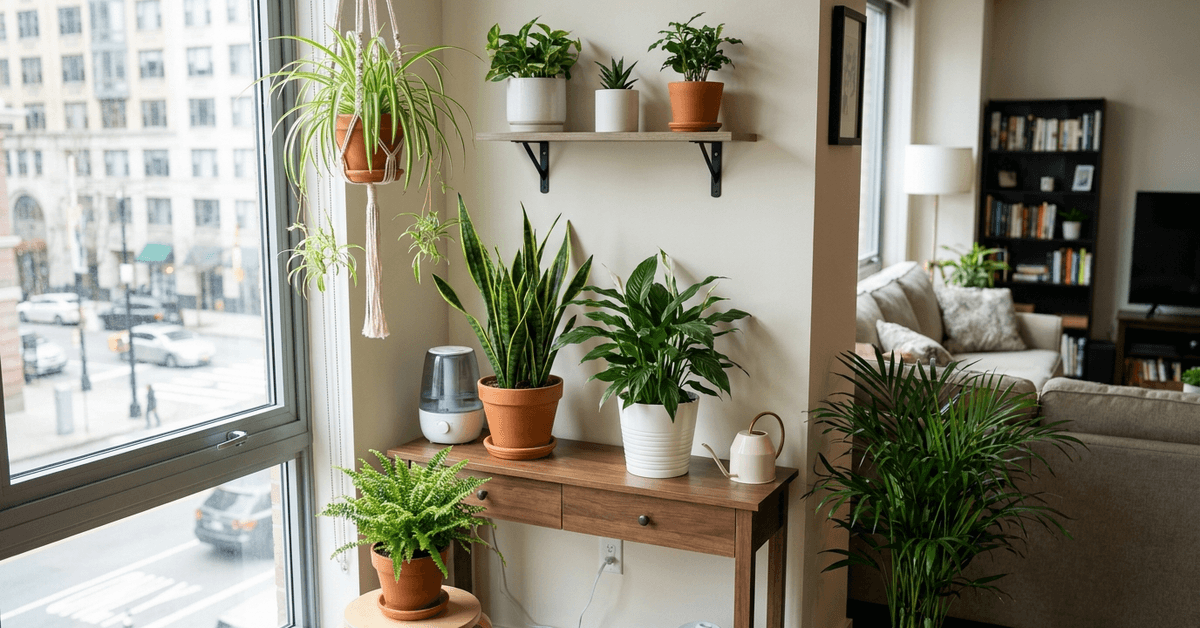
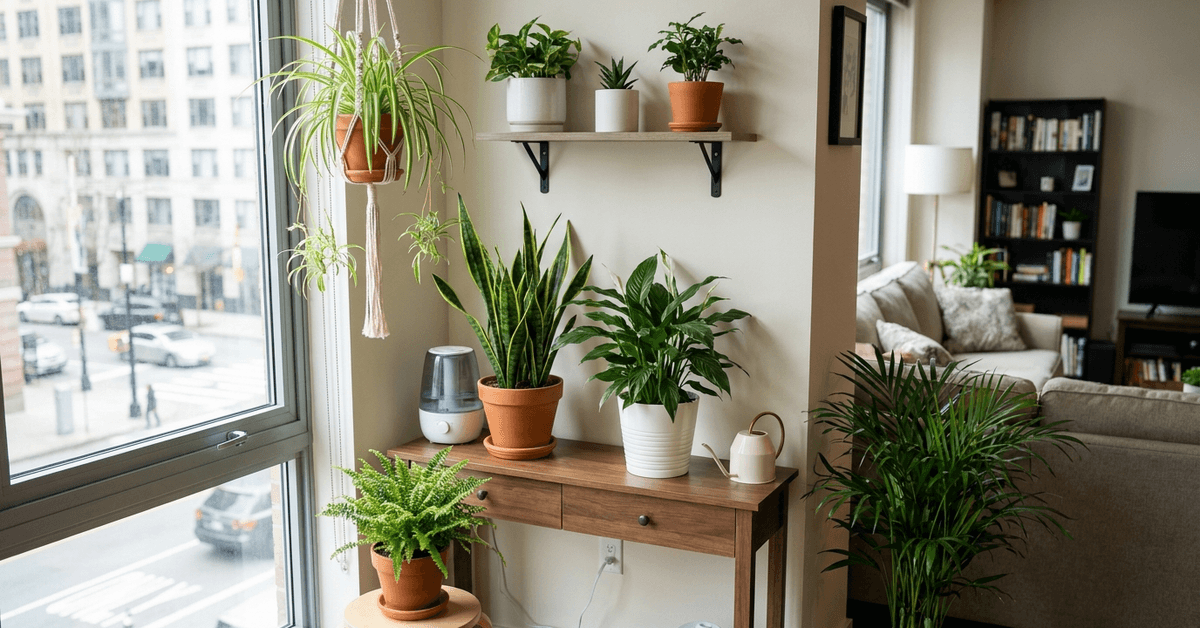
    Best air-purifying plants for city apartments

    Peace Lily

    The Peace Lily thrives in low-light environments and has glossy leaves. It’s known to filter benzene, formaldehyde, and trichloroethylene.

    It is ideal for shady corners or bathrooms. However, it is mildly toxic to pets if ingested.

    Snake Plant (Sansevieria)

    Snake plants tolerate neglect and low light. They’re well-suited for busy city dwellers who might forget regular watering.

    This plant is practical for bedrooms since it converts CO2 to oxygen at night, helping improve sleep quality.

    Spider Plant

    Spider plants grow fast and survive with little attention. They filter out carbon monoxide and xylene, common in urban settings.

    Well-suited for small spaces, and non-toxic for pets, making them a very practical choice for families.

    Pothos

    Pothos, with its trailing vines, is very adaptable. It removes formaldehyde and toluene from the air and adds greenery to shelves or hanging baskets.

    Although beautiful, it is best kept out of reach of pets.

    Bamboo Palm

    The Bamboo Palm brings a tropical feel and can grow in low-light corners. It is effective at filtering both benzene and trichloroethylene.

    It can reach up to 6 feet if cared for properly, making it visually striking in living rooms.

    Boston Fern

    Boston ferns are classic apartment plants. They target formaldehyde and require more humidity, making them ideal for kitchens or bathrooms.

    Regular misting keeps the fronds healthy in drier apartment environments.

    Simple care tips for urban plant owners

    • Select low-maintenance species for easier routines.
    • Group plants together for extra humidity.
    • Rotate pots weekly for even growth.
    • Use apps like Planta for reminders on watering and repotting.
    • Choose containers with drainage to avoid root rot.
    • Wipe leaves occasionally to prevent dust buildup.

    Maximize air quality: positioning and placement

    Placing plants near windows lets them get more light and air movement. In city settings, this helps the purifying process.

    Try corner groupings, shelves, or hanging baskets to increase greenery without cluttering valuable floor space.

    Managing plant care in a busy city lifestyle

    Life in fast-paced cities like Tokyo or Paris doesn’t always allow for gardening breaks. Automating care makes things smoother.

    Self-watering pots

    Busy professionals might prefer self-watering containers, which maintain consistent moisture levels.

    Scheduling via apps

    Apps like Gardenia send notifications for fertilizer or sunlight tips based on specific plants. This removes most guesswork for beginners.

    Challenges: urban limitations and solutions

    City apartments can have low light, dry air, or tiny footprints. Not every plant will thrive in every spot.

    • Opt for low-light plants if windows face north or are blocked by buildings.
    • Add humidity with a small tray of water and pebbles if air is dry.
    • Choose compact species or vertical gardens where space is tight.

    Pet-safe air-purifying plants

    Not every air-purifying plant is safe around pets. Households with cats or dogs have specific needs.

    • Spider Plant – Safe for cats and dogs.
    • Bamboo Palm – Non-toxic to pets according to ASPCA.
    • Avoid lilies and pothos in pet-accessible areas.

    City-specific options: choosing based on your environment

    Cities like Singapore have high humidity, while Los Angeles might be drier. Regional choices affect plant selection.

    • In humid environments, Boston ferns and peace lilies thrive naturally.
    • For drier cities, snake plants and pothos do well with less water.

    Apps like Sun Seeker can track real-time indoor light patterns, so placements fit each room’s conditions.

    Indoor plant trends: maximizing style and air quality

    City apartments now feature living walls, floating planters, and minimalist pots. Design and wellness trends blend aesthetics with function.

    • Living walls use multiple air-purifying plants vertically for style and effect.
    • Floating pots add greenery without crowding shelves or floors.

    Practical Advice for Long-Term Plant Success

    Healthy plants need more than occasional watering. A consistent care routine helps prevent root problems, pest damage, and seasonal stress. Paying attention to small changes can keep indoor or balcony plants growing well for years.

    Repot Plants Regularly

    Repot most plants when roots become crowded, soil drains poorly, or growth slows. Many plants benefit from fresh soil and a slightly larger container every year or two. 

    Avoid moving them into pots that are much larger than the root system, as excess soil may retain too much moisture.

    Check for Pests

    Inspect leaves, stems, and the surface of the soil during routine care. Aphids, spider mites, and other pests often hide beneath leaves or near new growth. Early detection makes treatment easier and reduces the chance of pests spreading to nearby plants.

    Adjust Watering by Season

    Plant water needs change throughout the year. Indoor heating can dry soil quickly in winter, while air conditioning and strong summer sun may also increase moisture loss. Check the soil before watering instead of following a fixed schedule.

    Track What Works

    Keep a simple journal or use a plant diary app to record plant varieties, watering habits, repotting dates, and growth patterns. These notes help you repeat successful routines and avoid past mistakes.

    Conclusion

    Integrating air-purifying plants into city apartments can make a noticeable difference in daily air quality, comfort, and even aesthetics.

    From classic peace lilies to quirky spider plants, each species has unique benefits for small, urban homes.

    With mindful selection, simple tools, and practical care strategies, even the busiest city dweller can create a healthier, more inviting living space—one breath at a time.
  • Tips for Exercising Outdoors in Urban Parks and Trails

    Tips for Exercising Outdoors in Urban Parks and Trails

    Urban residents increasingly look to parks and trails for exercise. These spaces offer a break from city noise and a boost to mental health. For newcomers, urban parks hold unique exercise potential.

    Benefits of Outdoor Exercise in the City

    Natural sunlight improves mood and supports sleep cycles. Adding green spaces to a routine can reduce stress levels. Urban parks also foster a sense of local community.

    Physical Health Improvements

    Outdoor workouts may lead to increased endurance. Surfaces like grass or gravel often reduce joint impact. Simple activities like brisk walking are always an option.

    Tips for Exercising Outdoors in Urban Parks and Trails

    Mental Wellness Advantages

    Changing scenery can help with motivation. Focusing on trees or water during exercise distracts from everyday worries. For some, group classes in city parks offer a social lift.

    Best Types of Outdoor Exercise for Urban Spaces

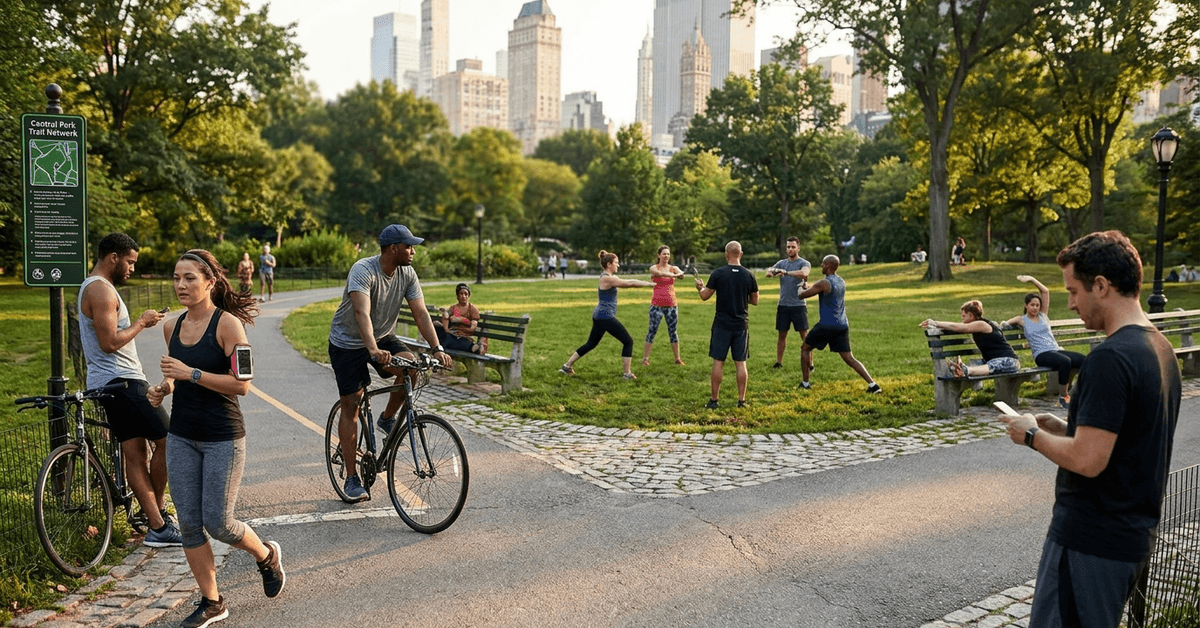
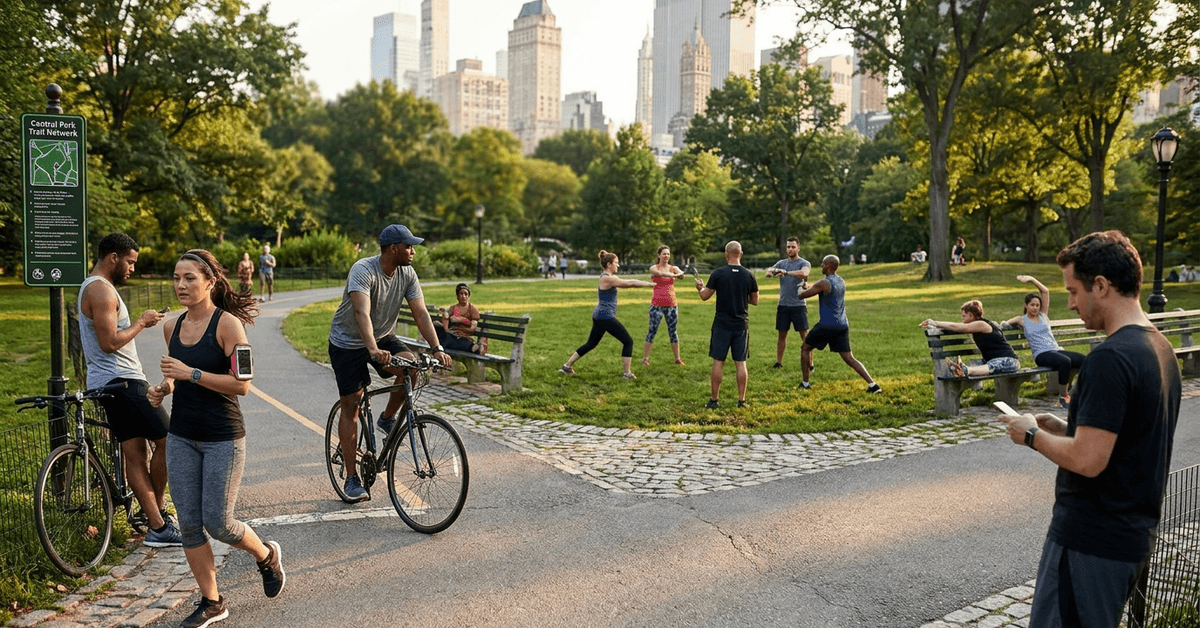
    • Walking or jogging on dedicated trails.
    • Bodyweight exercises using benches or steps.
    • Cycling on marked paths in city parks.
    • Yoga or stretching in quiet lawn sections.
    • Outdoor group workouts through meetups or clubs.

    How to Choose the Right Park or Trail

    The best spot often depends on goals and safety. Accessibility for transit or cycling matters, especially in large metro areas. Many cities now publish official park or trail maps.

    Examples from Major Cities

    New York’s Central Park features wide paths for runners. London offers the Regent’s Park track for interval sprints. San Francisco’s Golden Gate Park remains popular for weekend group classes.

    Daily Timing for Urban Parks

    Mornings tend to be quieter, allowing more focus. Some prefer late afternoons when parks feel livelier. Checking opening hours is crucial before making plans.

    Planning a Safe and Effective Outdoor Workout

    • Scout the area before exercising for the first time.
    • Check local regulations about activities in certain zones.
    • Pack essentials: water, snacks, and basic first aid.
    • Use sun protection even on cloudy days.
    • Let a friend know your route when exploring new trails.

    Weather Adaptation

    Apps like AccuWeather provide real-time forecasts. Cold or rain shouldn’t end an exercise habit. Layering and waterproof clothing address changing conditions.

    Useful Tech for Outdoor Urban Fitness

    Modern tech enhances outdoor routines. Many urbanites rely on free or affordable fitness apps for structure.

    • MapMyRun tracks distance and calories.
    • Strava connects athletes and logs cycling or walking progress.
    • QR Fit enables park-goers to access video workouts via smartphone.
    • Citi Bikes or similar bike-share apps help with city cycling routes.
    • AllTrails helps locate lesser-known urban paths.

    Tips for Minimizing Urban Discomforts

    City spaces sometimes present unique challenges. Noise, air quality, and crowds can distract or cause frustration.

    Dealing with Noise and Distractions

    Noise-cancelling headphones are a popular choice. Some prefer ambient sound apps with birdsong or soft music. Choosing off-peak times helps reduce both noise and crowds.

    Managing Air Quality and Allergens

    Checking the AirVisual app before heading out is a reliable step. On poor air quality days, limiting intensity or picking isolated parks may help. Some city dwellers report fewer symptoms in areas with dense tree cover.

    Social and Community Options

    Exercising outdoors can connect you with local groups. Cities often offer free classes or fitness meetups in parks.

    • Check community boards or city recreation websites for schedules.
    • Look up local park conservancies for volunteer-led events.
    • Apps like Meetup are commonly used for group exercise.
    • Some cities have dedicated Facebook groups for local walkers or runners.

    Safety Considerations in Groups

    Many find groups more motivating and secure. Always introduce yourself and clarify personal limits or injuries. Joining with a friend for the first time often eases nerves.

    Legal, Safety, and Etiquette Basics

    Following park rules and basic safety practices helps protect both visitors and shared outdoor spaces. Most urban parks post important guidelines near entrances, exercise areas, and trail access points.

    Use Designated Paths

    Stay on marked walking, jogging, and cycling routes whenever possible. Cutting across lawns, flower beds, or protected areas can damage plants and create unsafe shortcuts.

    Respect Other Visitors

    Yield to slower walkers, older adults, children, and family groups. Keep dogs leashed unless you are inside a clearly marked off-leash area. Avoid loud behavior near quiet zones, picnic areas, or playgrounds.

    Keep the Park Clean

    Carry out all rubbish, food packaging, and personal items. When using shared fitness equipment, wipe surfaces after use and return movable items to their proper place.

    Trail Etiquette and Shared Spaces

    Pass Politely

    When jogging on a busy trail, pass on the left and give a brief verbal warning when needed. Avoid sudden movements near cyclists or other runners.

    Share Space Thoughtfully

    Making eye contact or offering a quick greeting can signal respect. In crowded parks, avoid running through playgrounds or blocking narrow paths. Choosing open areas helps everyone feel safer and more comfortable.

    Staying Motivated Year-Round

    Seasonal changes, busy schedules, and changing energy levels can make it difficult to maintain an active routine. Building simple habits and setting realistic expectations can help you stay consistent throughout the year.

    Set Small, Achievable Goals

    Start with manageable targets, such as taking a 20-minute walk three times each week. Short goals feel less overwhelming and are easier to continue during cold, rainy, or especially busy periods.

    Keep Your Routine Interesting

    Create a varied playlist, listen to podcasts, or change your usual walking route. Small changes can prevent boredom and make each outing feel more enjoyable.

    Track Your Progress

    Use a fitness app, calendar, or handwritten log to record walks, distances, and completed goals. Seeing your progress can provide encouragement when motivation is low.

    Reward Your Consistency

    Celebrate steady effort with occasional visits to a new park, trail, or neighborhood. Rewards do not need to be expensive to feel meaningful.

    Recognize Every Achievement

    Mark small accomplishments, including completing a short walk or returning after a break. Consistency develops gradually, and every positive step helps strengthen a sustainable year-round routine.

    Conclusion

    City parks and trails offer a wealth of opportunities for safe, rewarding exercise. With some upfront planning, even busy urbanites can carve out space for wellness. 

    From tech to community features, public green spaces adapt to suit nearly any routine or fitness level. 

    Choosing the right times, tools, and company transforms a quick walk into a steady habit. The results may surprise you: more energy, less stress, and a new appreciation for the city environment.

  • How to Build a Community and Meet Neighbors in a Big City

    How to Build a Community and Meet Neighbors in a Big City

    Moving to a big city often feels exciting, but the challenge of meeting new people and building a sense of community is real. Especially for singles and newcomers, the early days can feel a bit isolating.

    Luckily, there are many practical steps anyone can take to start forming real connections with neighbors and locals, even in the busiest metropolis. Here are proven ways that actually work in places like New York, London, Berlin, and Toronto.

    Why Urban Community Matters

    Community is about more than just avoiding loneliness. It helps with networking, getting help in emergencies, and sometimes even leads to friendship.

    How to Build a Community and Meet Neighbors in a Big City

    Strong neighborhood ties often make day-to-day city living easier, safer, and more fun. These connections can also unlock hidden local resources and opportunities.

    Join Local Events and Groups

    Many cities have a constant stream of events, gatherings, and social meetups. Sometimes they’re not easy to find unless you know where to look.

    Neighborhood Associations

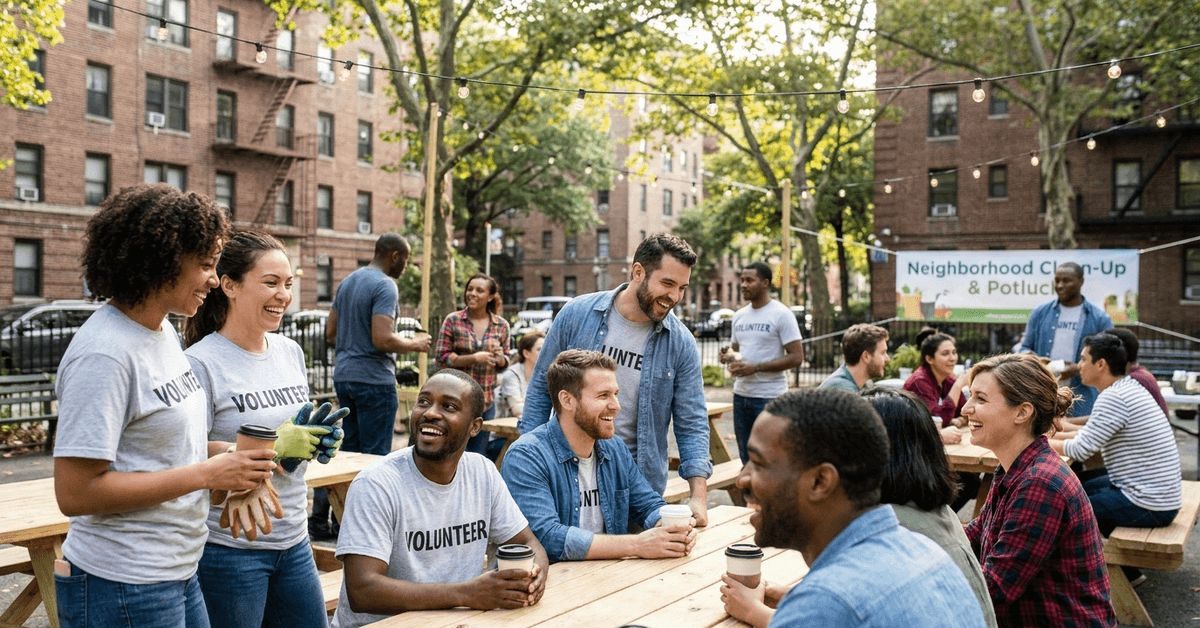
    Most areas have neighborhood groups or resident associations. These groups usually organize clean-ups, potlucks, and seasonal festivals.

    Getting involved is helpful for learning about safety issues and city policies as well.

    Online Event Platforms

    Websites like Meetup and Eventbrite list group activities and workshops according to area and interest.

    Options range from walking clubs to book discussions, hiking groups, and language cafes. Many are free or low-cost to join, which lowers the barrier.

    Public Classes and Hobby Clubs

    • Yoga or fitness sessions in public parks (often posted on Facebook Local or via apps like ClassPass)
    • Art or cooking workshops at community centers
    • Music or dance sessions posted on flyers in local cafés

    Connect Through Digital Apps

    Apps designed for neighborhood networking have changed how people meet locally. They’re especially useful for big cities where chance meetings are rare.

    Best Neighborhood Apps

    • Nextdoor lets users post about everything from lost pets to garage sales and urgent alerts.
    • Facebook Groups focused on your building, block, or neighborhood often host ride-shares, local deals, and informal chats.
    • Peach or Bumble For Friends are dedicated to social-only connections, separate from dating services.

    It’s common for event organizers to use these platforms to advertise gatherings, making them a good lookout point for new arrivals.

    Local Message Boards

    Physical noticeboards in building lobbies, cafes, or grocery stores often list invitations for chess nights, plant swaps, or volunteer drives.

    Volunteer in the Community

    Volunteering is a straightforward way to meet people while also contributing to your new neighborhood.

    Popular Options in Big Cities

    • Soup kitchens and food banks (like City Harvest in New York or FareShare in London)
    • Animal shelters (Toronto Humane Society, Berlin Tierheim)
    • Park or river clean-up days, which are often seasonal and open to all

    These opportunities make it easy to meet others who are also new or interested in helping out.

    Leverage Common Spaces

    A building’s communal spaces are valuable assets for making connections. Even a simple hello in the elevator can open a door.

    Good Spaces for Interaction

    • Laundry rooms
    • Shared gardens and rooftops
    • Mailrooms or package pick-up points

    Sometimes, people create informal meetups around shared chores like watering plants or taking out recycling. It is sometimes awkward at first, but persistence usually pays off.

    Attend Block or Building Meetings

    Most apartment complexes and residential buildings hold periodic tenant meetings. These offer unique access to decision-makers and long-time locals.

    Try Micro-Interactions Daily

    Consistent brief exchanges often lay a foundation for future friendships. Even small greetings matter in a big city.

    • Say good morning in the lobby
    • Offer to hold the door or elevator
    • Ask neighbors for recommendations (like the best local bakery)

    Some will respond more eagerly than others, but gradually, trust and comfort usually grow.

    Attend Cultural and Religious Centers

    Many urban centers have diverse faith organizations and cultural clubs. Many host open community days, free lectures, or celebrations.

    Examples of Welcoming Institutions

    • Local mosques, churches, and synagogues, many with coffee mornings or youth groups
    • Ethnic community centers, such as Berlin’s Turkish-German Friendship Association or the Korean Cultural Center in Toronto

    These are positive places where newcomers are often welcomed without pressure.

    Start Your Own Gathering

    If existing community groups do not feel like the right fit, consider creating a simple gathering of your own. You do not need a large budget or detailed plan. A relaxed activity can attract neighbors who are also looking for ways to connect.

    Choose an Easy Activity

    Start with something familiar and low-pressure. Host a board game or movie night in a shared room, courtyard, or lounge. Keeping the first event simple makes it easier for people to join without feeling committed.

    Invite People With Shared Interests

    Create a small poster for a running, walking, or cycling club and place it on an approved community board. You could also organize a plant swap, potluck, or recipe exchange for residents on your floor or within the apartment block.

    Let the Group Grow Naturally

    Do not feel discouraged if only a few people attend the first gathering. A smaller turnout can make conversations easier and help everyone feel comfortable. 

    As attendees share their experience with neighbors, interest may grow and future events can become more active.

    Stay Open and Patient

    Building lasting friendships in a large city usually takes time. Meaningful connections may develop over several weeks or months, so avoid feeling discouraged when early attempts do not lead to immediate results.

    Accept That Some Attempts May Not Work

    Not every event, conversation, or invitation will create a friendship. Some people may be busy, shy, or simply looking for different kinds of connections. Treat each interaction as useful experience rather than a failure.

    Remain Open to New People

    Many city residents are also searching for companionship, even when they appear occupied or reserved. 

    Stay friendly and open to casual conversations with neighbors, coworkers, classmates, or people at local activities. Unexpected interactions can gradually lead to supportive and positive relationships.

    Conclusion

    Building community in a big city is possible for anyone, even if it feels slow at first. Modern tools and timeless in-person approaches both work. 

    By trying local groups, digital apps, volunteering, and simple daily greetings, it becomes easier to move from stranger to neighbor—and sometimes, eventually, to friend. 

    Each step creates new opportunities for connection, comfort, and belonging right where you live. Keeping an open attitude turns the city from an anonymous place into a personal network, one thoughtful effort at a time.

  • The Best Libraries and Free Co-Working Spaces in the City

    The Best Libraries and Free Co-Working Spaces in the City

    Living in a city means options for remote work and study are everywhere. Yet, finding quiet, well-equipped spots that do not cost anything is not always simple.

    This guide spotlights libraries and free co-working spaces that truly cater to urbanites. Digital nomads, students, freelancers, and even curious residents will all find places that fit their needs.

    Why Libraries Remain Essential City Workplaces

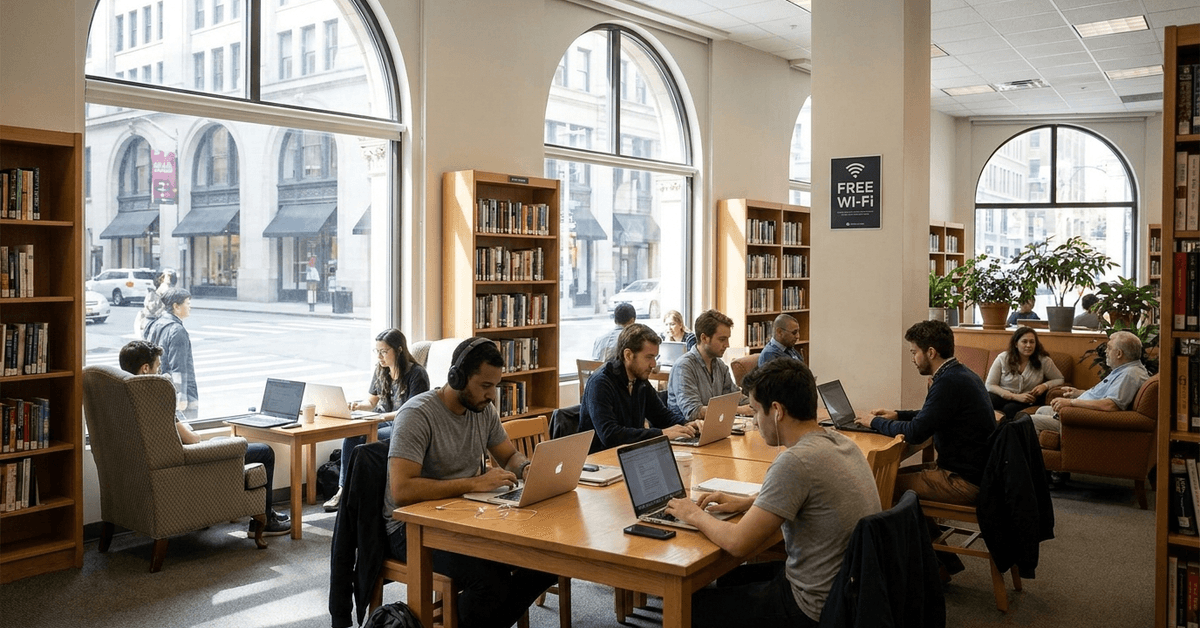
    Libraries continue to be among the most reliable public spaces. They offer free Wi-Fi, comfortable seating, and an atmosphere ideal for focus.

    The Best Libraries and Free Co-Working Spaces in the City

    Unmatched Silence and Focus

    The main draw for many is the quiet. Unlike cafes, there is no background music here. The design is meant for concentration.

    Wide Access Hours and Locations

    City libraries generally open early and close late. Many have Saturday and some Sunday hours, so fitting work into any schedule is possible. For example, the New York Public Library operates from morning into early evening most days.

    Free Resources for Any Project

    From printing and scanning to meeting rooms, most city libraries provide the basics. The Boston Public Library, for instance, even provides podcasting studios for public use.

    City Libraries Worth Visiting

    • New York Public Library – Bryant Park branch (NYC)
    • Bibliothèque publique d’information – Centre Pompidou (Paris)
    • Stuttgart City Library (Germany)
    • Pierce County Library – Downtown Tacoma (USA)
    • State Library Victoria (Melbourne)

    All of these locations offer flexible seating, free Wi-Fi, and growing digital collections. Some spaces can be reserved in advance using their official websites or with the Libby app for digital checkouts.

    What Free Co-working Spaces Provide

    Free co-working spaces fill the gap between libraries and paid office rentals. They often target entrepreneurs and freelancers.

    Collaborative Atmosphere

    Free co-working spaces encourage interaction. Expect occasional networking events or workshops where meeting new people is part of the usual experience.

    Essential Amenities

    The basics, like Wi-Fi and desks, are universal. Some spaces also include charging stations, community bulletin boards, and sometimes even complimentary coffee.

    Top Free Co-working Spaces in Major Cities

    • Impact Hub – Free Open House days (London, Berlin, Vienna)
    • Municipal Innovation Labs (often city council-sponsored in cities like Barcelona and Toronto)
    • Google Campus – Free café area with power and Wi-Fi (Madrid, Warsaw)
    • POC Space at State Library Victoria (Melbourne)
    • Urban Office by Instacitizen Collective (rotating urban pop-up events, details on instacitizen.com/events)

    Some require pre-registration via apps like Meetup or Eventbrite. Checking their schedule saves time and effort.

    Step-by-Step: How to Find the Right Space for You

    1. Define your needs: Is it quiet study or networking?
    2. Consult local library or council websites for up-to-date hours.
    3. Use apps like Libby (for libraries), Places to Work, or Workfrom for comparing free workspaces.
    4. Look at user reviews, especially for Wi-Fi reliability and seating.
    5. Arrive early to guarantee a spot. Secondary locations nearby can help in case the space is full.

    Tips to Make the Most of Free Workspaces

    • Carry a backup charger – outlets fill up fast in popular places.
    • Pack a light snack; some locations do not allow food vendors or on-site cafés.
    • Respect space rules and time limits, if any.
    • Bring your own headphones, even in libraries, for deeper focus amid whispering or quiet activity.
    • Rotate your spots every so often to keep your routine fresh and your productivity high.

    Safety, Etiquette, and Local Policies

    Public spaces often have their own rules designed to protect visitors, staff, and shared facilities. Understanding these expectations before arriving can help you avoid delays and make the experience more comfortable.

    Check Entry Requirements

    Libraries, cultural centers, and free co-working spaces may require visitors to sign in, show identification, or register in advance. Some locations also limit access to local residents, students, or members during busy periods.

    Prepare for Security Procedures

    Certain venues conduct bag checks or restrict large backpacks, food, drinks, and outside equipment. Carry only what you need and keep personal items organized so entry checks are quicker.

    Respect Shared Spaces

    Keep conversations and phone calls at an appropriate volume. Follow posted rules about seating time, device use, photography, and cleaning up after yourself. These small actions help maintain a welcoming environment for everyone.

    Confirm Policies Before Visiting

    Check the venue’s official website for opening hours, holiday closures, registration steps, and current visitor guidelines. 

    If information is unclear, call ahead. Spending a few minutes confirming the rules can prevent wasted travel, denied entry, or unexpected fees.

    Useful Apps and Tools for Urban Workseekers

    Finding a comfortable place to work in a busy city can be easier with the right digital tools. These apps help users locate work-friendly spaces, access reading materials, improve focus, and compare nearby options before leaving home.

    Find Work-Friendly Locations

    Workfrom offers a crowdsourced map of cafés, libraries, hotel lobbies, and other spaces suitable for remote work. Listings may include details about Wi-Fi quality, noise levels, seating, and power outlets.

    Access Free Reading Materials

    Libby allows users with participating library cards to borrow ebooks and audiobooks. It can be useful during breaks, commutes, or quiet work sessions in public libraries.

    Improve Concentration

    Focus@Will provides music playlists designed to support concentration. Headphones can help reduce distractions in cafés or shared workspaces, although volume should remain low enough for situational awareness.

    Compare Nearby Options

    Google Maps helps users review opening hours, photos, customer feedback, and walking directions to lesser-known workspaces. Checking recent reviews may reveal useful details about laptop policies or seating limits.

    Use Several Sources

    No single app provides complete information. Comparing several tools improves your chances of finding a suitable, convenient, and productive place to work.

    Conclusion

    Cities never stop changing, but the need for quality, public places to work and learn stays constant. Whether drawn to the steady focus of a library or the dynamic connections of a co-working space, today’s cities offer something for everyone. 

    Armed with the right info and tools, anyone can carve out productive, free time in the heart of the urban jungle. Try rotating your go-to spots and observe, sometimes a change of scene makes all the difference for fresh motivation and a better workday.

  • How to Save Money on Public Transit With Monthly Passes

    How to Save Money on Public Transit With Monthly Passes

    Public transit offers a cost-friendly way to navigate urban life. Yet, single tickets can add up fast for regular travelers. 

    If you’re commuting daily or exploring your city, looking into monthly passes can transform your budget. This article examines how monthly passes work, why they save money, and how to get the best value in cities around the world.

    Why Monthly Transit Passes Offer the Best Value

    Most city transit systems let you buy tickets one ride at a time. It seems manageable at first, but costs quickly multiply with frequent trips. Over time, daily tickets can become more expensive than necessary.

    Monthly passes usually offer unlimited travel on local systems within specific zones. By paying upfront, the price per ride drops the more you travel. Unlimited travel is the main advantage for commuters or urban explorers.

    How to Save Money on Public Transit With Monthly Passes

    Cost Comparison: Daily Tickets vs. Monthly Passes

    Typical Single Ticket Expenses

    Let’s use an example. In Berlin, a single U-Bahn or bus ticket is about €3.20. If you ride twice a day, that’s €6.40 daily, totaling more than €128 per month.

    Average Monthly Pass Price

    Berlin’s monthly pass for Zone AB is around €86. It covers unlimited rides, making a difference of over €40 versus single-trip tickets. Other major cities show a similar trend.

    • New York City: MetroCard is $127 monthly vs. $2.90 per ride.
    • London: Travelcard for Zones 1-2 is £156.30, saving frequent users each week.
    • Toronto: PRESTO monthly pass is CAD $156 vs. $3.30 per trip.

    Monthly passes begin to pay off if you ride just four or five days per week. Short-term stays might not warrant a pass, but for most city residents, it’s the smart choice.

    Where Monthly Passes Are Available

    Cities worldwide offer monthly passes with different terms. Understanding those options helps in planning and saving.

    • Paris uses the Navigo Pass. It covers metro, buses, and trams in specified zones.
    • Chicago provides a Ventra monthly CTA pass for buses and trains.
    • Sydney’s Opal card includes a weekly travel reward, essentially capping your costs.
    • Seoul’s T-money cards have unlimited commuter options for specific subway lines.

    Each city sets its own rules about transfers, fare zones, and eligibility—students, seniors, or employers often qualify for discounts or special passes.

    How to Buy and Activate a Monthly Pass

    Common Ways to Purchase

    Modern transit systems offer multiple purchase methods. The most common are:

    • Ticket machines at stations
    • Official transit apps or online accounts
    • Customer service centers or convenience kiosks

    Buying through official apps or web portals is popular in cities like Vienna and San Francisco. It’s fast and minimizes waiting in line.

    Activation and Use

    Some passes activate the day you purchase, while others start when you first use them. Always double-check the activation rules before your first trip.

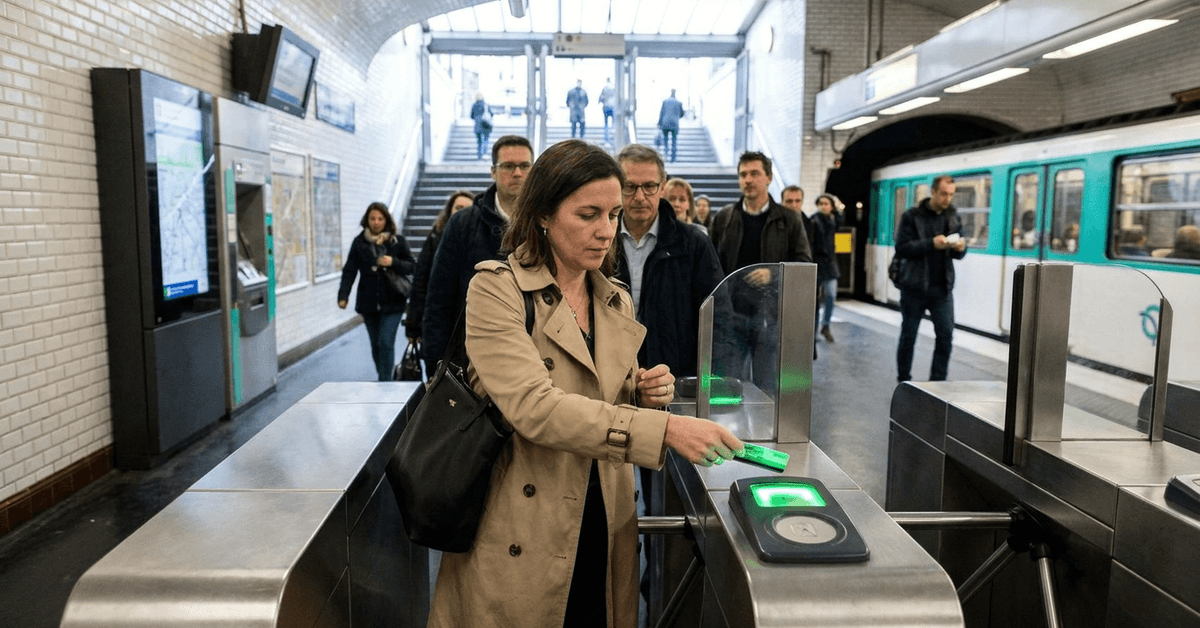
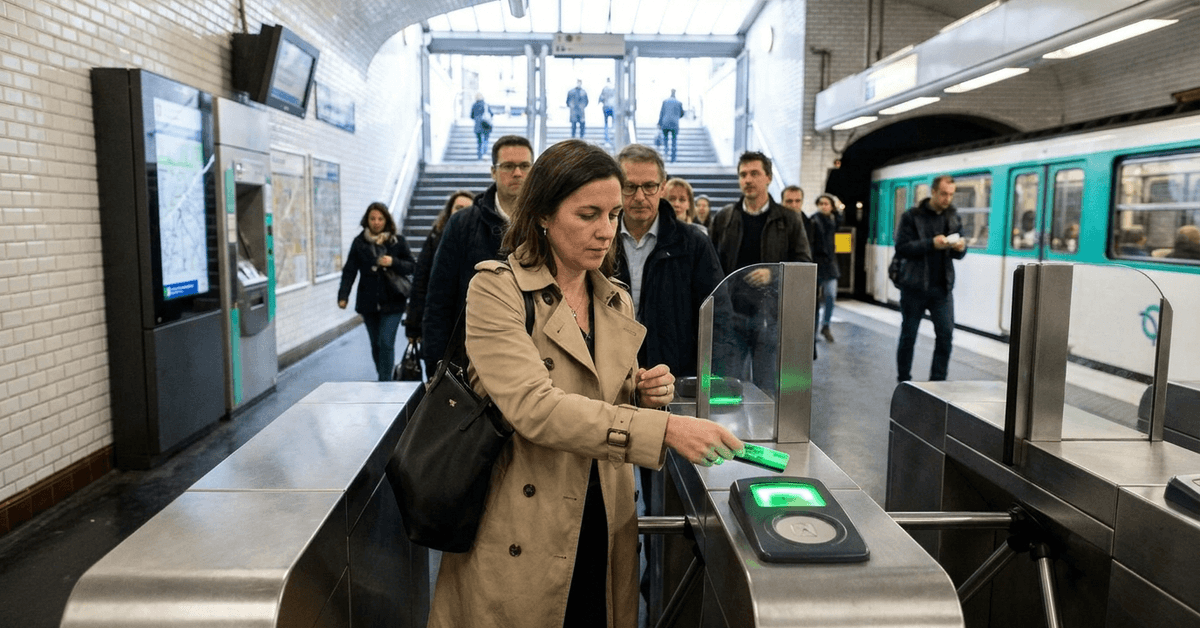
    Most passes are smart cards or e-tickets. In some systems, you’ll need to validate at a card reader every time you ride. Others just require the card or pass on you.

    Top Apps to Manage and Track Pass Savings

    Digital solutions can simplify tracking how much you’re saving. A few standout apps are:

    • Moovit: Helps plan routes and shows real-time ticket costs.
    • Transit App: Estimates daily, weekly, and monthly fare totals.
    • Citymapper: Includes fare calculators for cities like Paris, London, and NYC.

    Many cities have official apps (like Berlin’s BVG FahrInfo or London’s TfL Oyster app) to monitor usage and get reminders about renewals.

    Step-by-Step: Maximizing Savings with a Monthly Pass

    1. Estimate how many rides you use per week.
    2. Compare the total cost of single fares with a monthly pass.
    3. See if you’re eligible for student, youth, or employer discounts.
    4. Buy the pass directly from your city’s preferred method.
    5. Track your travel with apps or receipts to see real savings.

    Some users combine monthly passes with bike shares or carpool apps to further reduce expenses.

    Extra Tips to Boost Your Transit Savings

    A few small habits can make public transportation passes even more cost-effective. Reviewing your travel patterns regularly helps ensure you are paying only for the access you actually use.

    Choose Off-Peak Options

    Some cities offer discounted passes for travel outside morning and evening rush hours. These can be useful for remote workers, students, retirees, or anyone with a flexible schedule.

    Use Group Passes

    When traveling with family or friends, compare individual fares with group or day-pass options. Group tickets may reduce the total cost, especially for sightseeing or weekend outings.

    Renew Carefully

    Renew your pass shortly before the current one expires to avoid gaps in coverage. Check the activation date carefully, since purchasing too early may cause overlapping charges in some systems.

    Check for Local Rewards

    Look for city-specific loyalty programs, commuter benefits, employer discounts, or transit-linked rewards. These extras can add savings over time.

    Reassess Your Needs

    If your commute changes because of remote work, relocation, or a new schedule, review your pass before renewing. Avoid automatic renewal when pay-per-ride fares may now be cheaper.

    Popular City Examples and What Sets Them Apart

    Berlin

    The BVG Umweltkarte is valid for subways, trams, buses, and even many S-Bahn routes. It simplifies transfers and includes weekend guests for free at certain times.

    New York City

    The 30-Day Unlimited MetroCard covers all MTA subway and local buses. It requires swiping each ride, and commuters often benefit from fast refill options at stations or via the new OMNY system.

    London

    Oyster Travelcards function for tube, bus, and some rail segments. Capping technology automatically offers the best fare, so you never overpay if you travel enough days in a month.

    Conclusion

    Monthly public transit passes present one of the simplest methods for saving substantial money in urban areas. The upfront investment gives access to unlimited rides, removing cost barriers and encouraging city exploration. 

    Whether you commute for work, study, or leisure, comparing local pass options and harnessing supporting apps can reveal ongoing savings and improved quality of urban life. 

    Choosing thoughtfully often brings both budget relief and greater freedom to explore your city on your terms.

  • How to Stay Hydrated and Fed on a Budget While Exploring the City

    How to Stay Hydrated and Fed on a Budget While Exploring the City

    Urban exploring is a real exercise in discovery and resourcefulness. Whether traveling across a new city or just spending the day out in your own, staying nourished and hydrated can be surprisingly tricky on a budget. 

    This guide shares practical, city-tested strategies for anyone—students, travelers, day-trippers—who wants to feel great and spend less while exploring urban spaces.

    Understanding Urban Hydration Challenges

    Urban environments often mean high walking distance, unpredictable food prices, and limited water refill spots. Many travelers underestimate the physical toll. You might feel fine at first, then suddenly get thirsty or lightheaded.

    Why Water Access Can Be Difficult

    Many cities have few public fountains. Bottled water costs add up quickly—especially in central areas. Carrying large bottles isn’t always practical or comfortable.

    How to Stay Hydrated and Fed on a Budget While Exploring the City

    Common Signs of Dehydration

    • Dry mouth or tongue
    • Dizziness, especially after walking
    • Headache or fatigue near midday

    Spotting these symptoms early keeps city days enjoyable and productive.

    Best Ways to Stay Hydrated in Any City

    Use Water Refill Apps

    The most effective way to find free or low-cost water is to use RefillMyBottle or similar refill station apps. These apps show cafes and shops offering free tap water refills.

    Cities like London, Berlin, and New York now participate in refill networks. The apps usually require GPS, so be mindful of battery usage.

    Bring a Collapsible Water Bottle

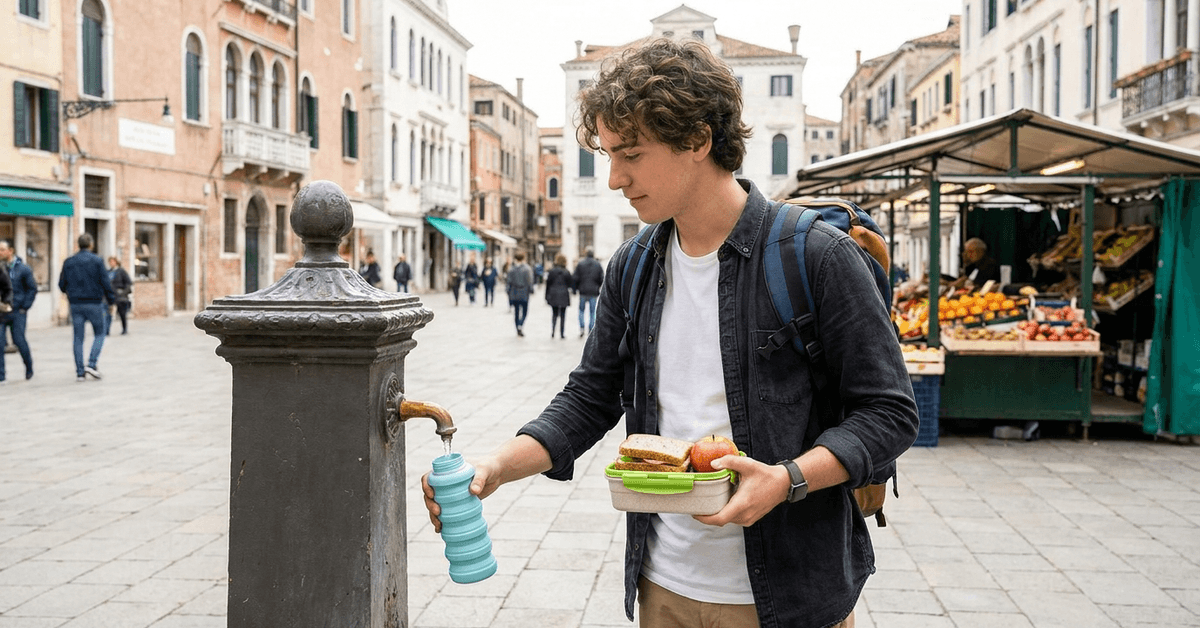
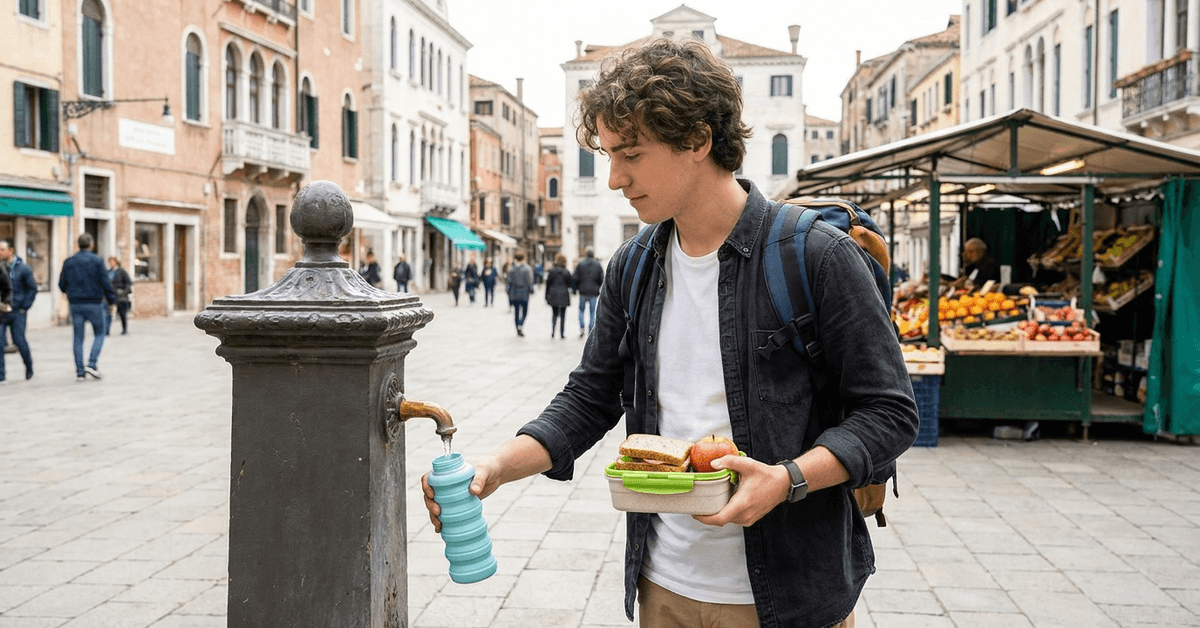
    Space-saving bottles such as the Vapur or Hydaway are light, leak-proof, and fit in small bags. They are also allowed through most museum security checkpoints when empty.

    Tap into Grocery Stores and Supermarkets

    Many supermarkets, especially in Europe, sell large bottles for much less than small kiosks or tourist shops. Lidl and Carrefour in Paris, for example, often stock one-liter bottles for under one euro.

    Save by Avoiding Restaurant Drinks

    • Order tap water in sit-down restaurants
    • Skip branded bottled water unless necessary
    • Refill before leaving the hotel, hostel, or apartment

    Getting Fed Cheaply While Roaming

    Prepare Simple Snacks in Advance

    A practical tip is to assemble affordable, high-energy snacks before heading out. Items like fruit, nuts, and sandwiches hold up during a busy day.

    Explore Street Food Over Restaurants

    Cities such as Bangkok, Istanbul, and Mexico City excel at budget street food. Researching local favorites, like banh mi in Ho Chi Minh City or falafel wraps in Berlin, stretches each dollar further.

    Visit Local Markets

    • Look for fresh produce stalls early in the day
    • Ask for sample bites or “lunchbox” deals
    • Markets like La Boqueria in Barcelona offer filling options cheaply

    Use Discount Meal Apps

    The app Too Good To Go helps find leftover meals at deep discounts. Many bakeries, supermarkets, and cafes participate, especially near closing time in cities like Copenhagen or Amsterdam.

    Day-Trip City Food Strategies

    Map Out Lunch Spots in Advance

    Checking Google Maps or local review platforms for affordable eateries nearby saves frustration and overspending. Look for “express lunches” or set menus for value.

    Opt for Grocery Store Eats

    Self-serve salad bars, bakery sections, and ready-to-go meals are staples in most large cities. This approach lets you eat healthy on your schedule, not the restaurant’s.

    Join Local Lunch Groups

    • Check sites like Meetup.com for group outings
    • Groups often share food tips or discounts

    There may be some hesitation with strangers, but shared meals can lead to both savings and interesting stories.

    Smart Money-Saving Hydration Tips

    Watch Out for “Tourist Trap” Pricing

    Plazas, airports, and hotspots often double or triple prices. Just walking two blocks away can lead to much cheaper options—this is surprisingly consistent worldwide.

    Take Advantage of Museums and Libraries

    Public buildings frequently offer water fountains or bottle refill stations. Plan bathroom breaks and refills in these safe, clean places.

    Apps for Deal Hunters

    • The HappyCow app helps find budget vegetarians or vegan foods
    • Groupon or similar deal platforms can unlock discounts for nearby diners

    What to Pack for Urban Exploring

    • Lightweight reusable water bottle
    • Re-sealable snack bag or container
    • Offline maps or saved directions
    • Portable charger for phone
    • Compact umbrella or poncho (for weather surprises)

    Packing these basics means you’ll avoid price spikes, stay flexible, and keep your energy up.

    Handling Dietary Restrictions on a Budget

    Research in Advance

    Those with allergies or restrictions may find city food options overwhelming. Apps like Find Me Gluten Free or HappyCow are indispensable for scouting safe, budget-friendly spots.

    Communicate Clearly

    Learning a few key phrases in the local language, such as “no meat” or “without nuts,” makes a huge difference. Many cities cater well to special diets, but not every vendor will understand dietary needs.

    Health and Safety Reminders

    Exploring a city on a budget can be enjoyable and rewarding, but saving money should never come at the expense of your health. A few simple precautions can help prevent illness and make each stop more comfortable.

    Check Local Water Guidance

    Before drinking tap water, review official local advice. Tap water is safe in many cities, but some destinations recommend bottled, boiled, or filtered water. When uncertain, choose sealed bottled water and check that the cap is intact.

    Inspect Food Before Buying

    Always review expiration dates on packaged foods, especially when shopping at discount stores, convenience shops, or outdoor markets. Fresh items should look properly stored and free from unusual smells, damaged packaging, or signs of spoilage.

    Keep Your Hands Clean

    Carry a small bottle of hand sanitizer for meals and snacks eaten while traveling. Use it after handling cash, public transit surfaces, or market goods when soap and water are unavailable.

    Put Well-Being First

    Affordable travel works best when you stay alert and protect your health. Choosing clean food vendors, staying hydrated, and resting when needed can help you enjoy the entire day safely.

    Conclusion

    Staying hydrated and fed on a budget in any city really comes down to good preparation, a bit of research, and a willingness to adapt. Apps like Too Good To Go and RefillMyBottle can reveal options you may never have considered. 

    Packing the right gear, keeping snacks handy, and tracking down local discount meal deals turn exploring into a much easier—and healthier—experience. 

    Even if you hit an unexpected snag, having these tips helps you stay comfortable, alert, and get much more from your adventures in the city. Each city has its quirks, but with these habits you are always a step ahead.

  • Urban Etiquette: How to Navigate Large Crowds and Public Spaces

    Urban Etiquette: How to Navigate Large Crowds and Public Spaces

    Living or working in a city often means facing crowded streets, packed subways, and busy plazas. For many people, this can feel overwhelming. Knowing the unspoken rules of urban etiquette helps everyone share public spaces respectfully. 

    This guide offers actionable strategies for managing large crowds and interacting smoothly in today’s bustling cities.

    Understanding Urban Etiquette and Its Importance

    Urban etiquette goes beyond good manners. It builds a safer and more pleasant experience for all. It also helps reduce conflict and stress during travel or daily routines.

    Cities like New York, London, and Tokyo have unique rhythms, but certain unspoken rules exist everywhere. Awareness is the first step to moving fluidly through these spaces.

    Image 1

    Core Principles of Urban Etiquette

    Personal Space Matters

    Respecting others’ space creates a sense of comfort, even in large groups. Standing too close can feel intrusive, especially on public transport or elevator queues.

    • Maintain a gap of about an arm’s length whenever possible.
    • Avoid brushing against others, even if the area feels crowded.
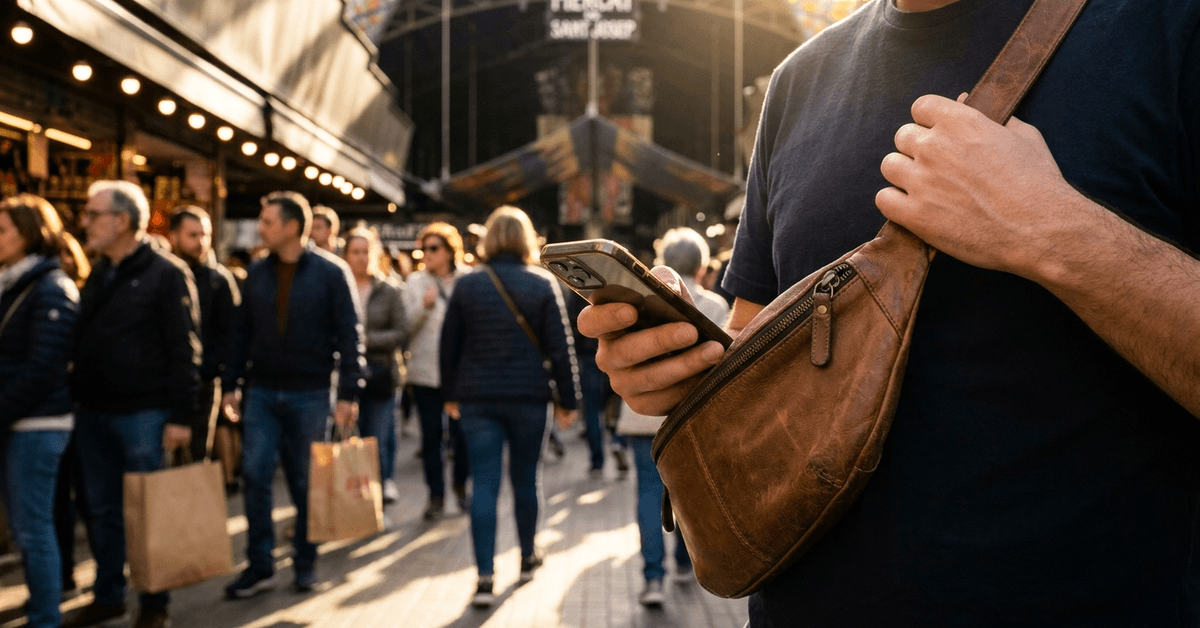
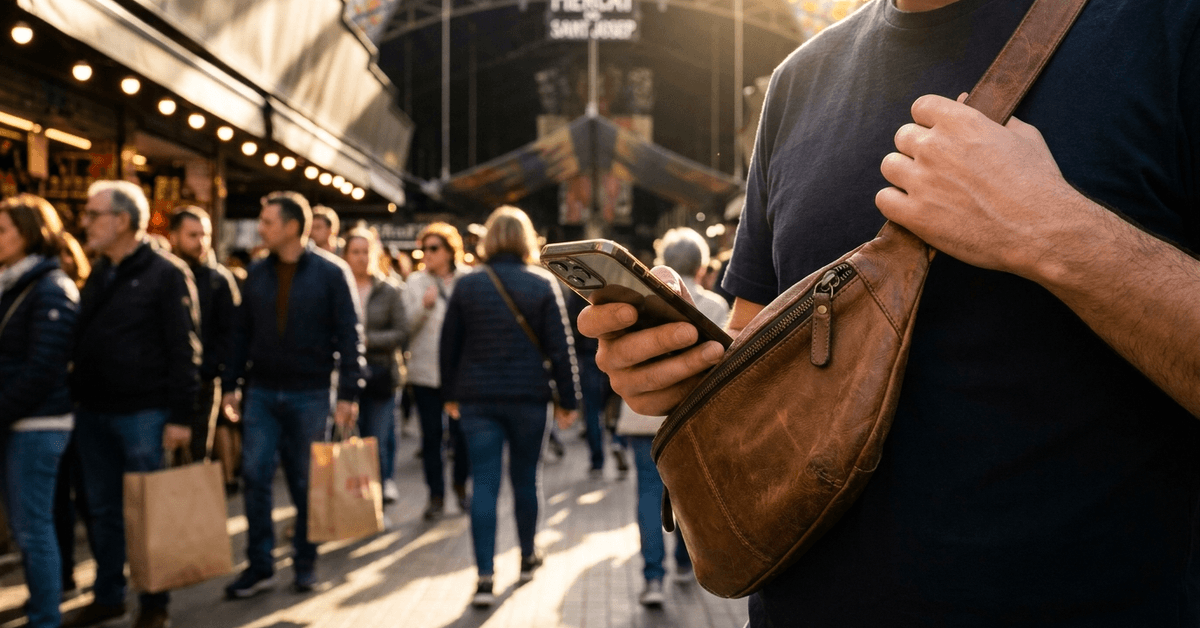
    • Move bags or backpacks to your front in tight spaces.

    Staying Aware and Alert

    Constant awareness makes navigation smoother. This is especially important in cities like Paris and Hong Kong, where foot traffic flows quickly.

    • Keep headphones at a low volume to catch announcements or signals.
    • Glance up from your phone frequently when walking.
    • Watch for subtle signals from others, like hesitation or body language.

    Moving Efficiently Through Large Crowds

    Walking in Busy Streets and Plazas

    Most city dwellers appreciate brisk walking. In places like Manhattan, pausing suddenly can disrupt the pace and cause accidents.

    • Walk steadily and keep to one side (right or left, depending on local custom).
    • If you must stop, step aside toward a wall or out of the main flow.
    • Travel in single file when moving in groups.

    Using Escalators and Stairs Efficiently

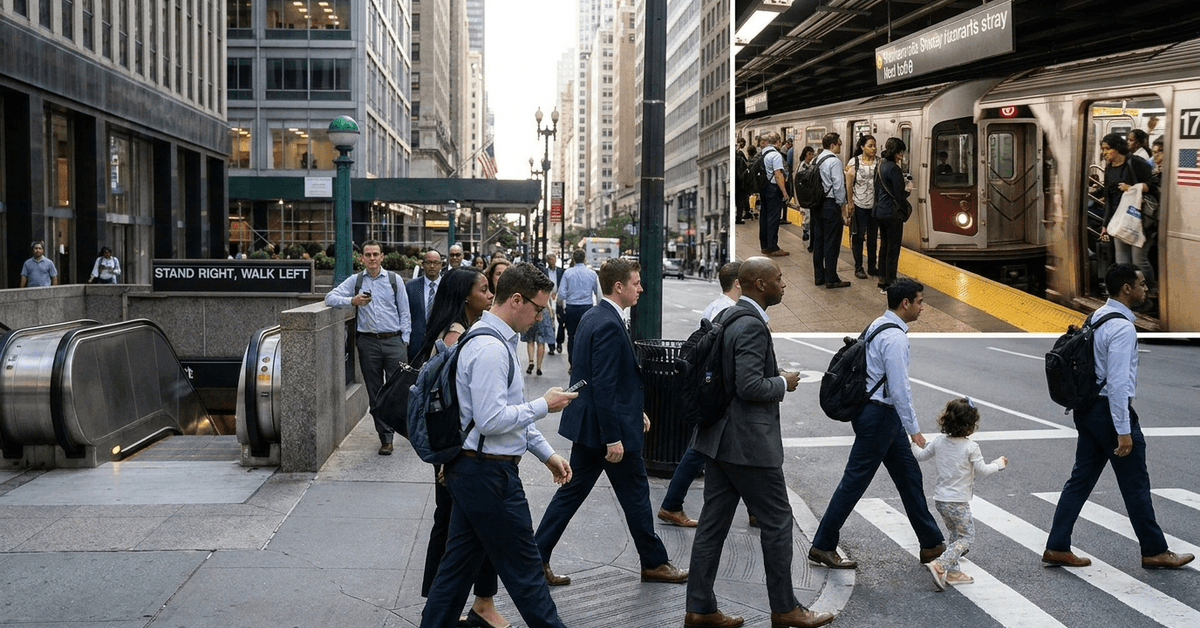
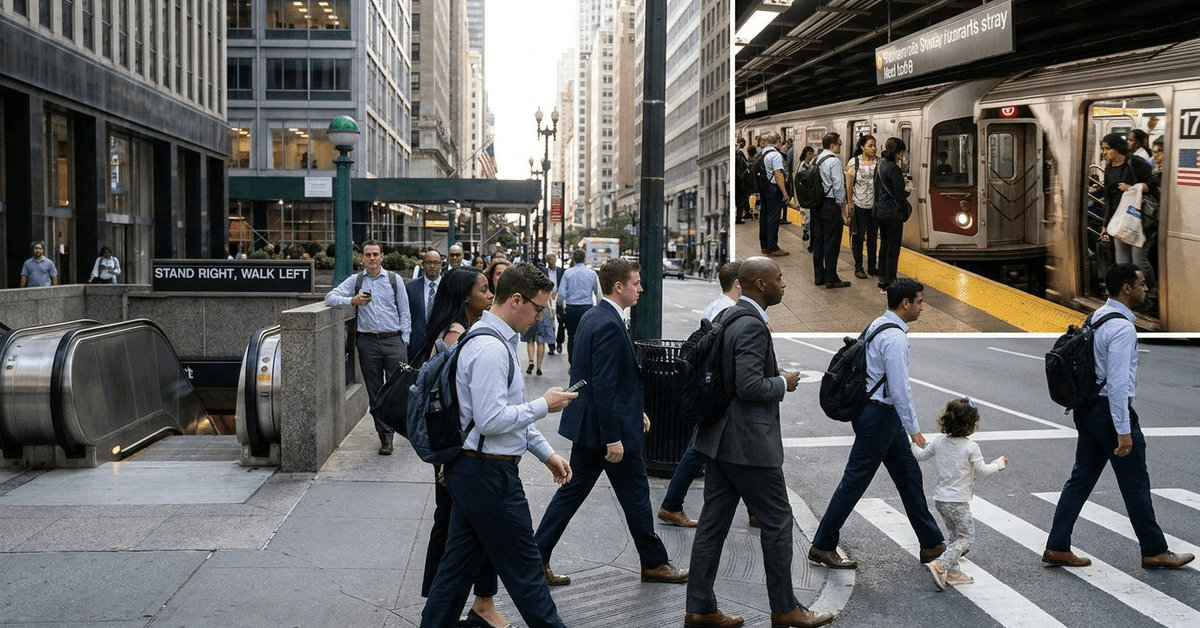
    In many European cities, standing on one side lets faster walkers pass on the other. The “stand right, walk left” rule is common in London and Berlin.

    • Observe local habits—some places may reverse this rule.
    • Keep hands and bags within your space.
    • Never block the moving side, even during peak hours.

    Navigating Subway Platforms and Trains

    Crowded stations demand patience. Tokyo’s train pushers exist for a reason, but in most cities, self-awareness is key.

    • Let passengers exit before entering a train or subway car.
    • Stand aside to form paths near doors.
    • Board swiftly but calmly—don’t shove or squeeze forcefully.

    Politeness in Public Spaces

    Using Your Voice Responsibly

    Speaking softly can minimize discomfort for others. Loud phone calls or laughter may disrupt those nearby, especially in libraries, cafes, or transit.

    • Switch phones to silent or vibrate in enclosed areas.
    • Keep conversations to a low volume.
    • If a call must be taken, step outside if possible.

    Queueing Up Correctly

    Organized lines keep stress low, even during rush hour or at festival events. Cities like Singapore and Seoul enforce this norm strictly.

    • Join the back of the line, not the side.
    • Wait for your turn without pushing ahead.
    • Respect line markers during busy periods or ticket sales.

    Digital Tools for Urban Navigation

    Essential Navigation Apps

    Free apps such as Citymapper or Google Maps give real-time info on crowded routes, public transport, and traffic conditions. These boost confidence in unfamiliar areas.

    • Citymapper helps with route planning and crowd estimation in major cities.
    • Transit offers live updates on delays and service changes.
    • Waze helps drivers avoid congested or blocked streets.

    Event and Venue Apps

    Attending concerts or festivals? Event-specific apps provide maps, schedules, and crowd signals to help avoid bottlenecks or missed sessions.

    • Check the official app for each event or arena before you go.
    • Enable push notifications for last-minute updates.

    Safety and Self-Care in Crowdies

    Pickpocket Prevention Strategies

    Crowded spaces often attract pickpockets. Cities like Barcelona and Rome report high numbers of thefts in busy zones.

    • Keep valuables in front-facing pockets or bags with zippers.
    • A great idea is to avoid keeping wallets in rear pockets.
    • Stay alert when people approach unexpectedly or create distractions.

    Physical and Emotional Health Tips

    Navigating crowds can be draining, both mentally and physically.

    • Take deep breaths when feeling anxious or rushed.
    • Plan small breaks in quiet spots like parks or coffee shops.
    • Stay hydrated—carry a reusable bottle, especially in hot weather.
    • Wear comfortable shoes, since walking long distances is common.

    Handling Unexpected Situations

    Lost or Disoriented?

    Getting turned around or separated from friends is more common than many admit. In places like Shibuya Crossing in Tokyo, it’s easy to lose direction.

    • Stop in a safe space, like near station maps or info kiosks.
    • Use your smartphone’s maps or “find my friends” tools.
    • Stay calm. Crowds pass, and clearer paths emerge quickly.

    Responding to Emergencies

    If alarms sound or incidents occur, follow staff or security guidance immediately. Most cities have protocols for evacuating crowds safely.

    • Watch for posted exit signs in venues and venues.
    • Move at a steady pace without rushing or pushing.

    Urban Etiquette for Special Groups

    Traveling with Young Children

    Navigating crowds with kids presents extra challenges. Strollers or holding hands make it easier not to lose track of little ones.

    • Identify family lanes or elevators where available.
    • Teach kids to recognize uniforms or help points in case you get separated.

    Accessibility Considerations

    For those with mobility needs or disabilities, some spaces are less accommodating. Apps like Wheelmap help identify accessible venues.

    • Look for ramps, elevators, or step-free entrances.
    • Inquire ahead at major attractions about facilities like accessible toilets.

    Table: Common City Navigation Apps

    App Name  Best For  Supported Cities 
    Citymapper  Route planning, live conditions  New York, London, Paris, Berlin 
    Google Maps  Global navigation, real-time traffic  Worldwide 
    Transit  Public transport, service alerts  Toronto, San Francisco, Boston 
    Wheelmap  Accessibility info  Many international cities 

    Conclusion: Practicing Urban Etiquette for a Better City Experience

    Navigating large crowds and public spaces demands more than patience. It’s about empathy, self-awareness, and respect for others’ right to move freely. 

    Mastering urban etiquette transforms crowded moments into opportunities for smoother journeys and better daily living. 

    Whether in busy subways, at festivals, or on city avenues, considering the rhythm and needs of those around you fosters a welcoming urban community. Over time, these small habits make cities not only livable but also enjoyable for everyone.

  • 5 Essential Apps to Help You Navigate Any New City

    5 Essential Apps to Help You Navigate Any New City

    Exploring a new city can be thrilling, but it also comes with a unique set of challenges. Navigating unfamiliar streets, public transport systems, and cultural nuances requires the right tools.

    This guide is for curious urban explorers, digital nomads, and anyone who wants to make the most of city experiences with minimal guesswork. The right apps can save time, reduce stress, and make city living—or visiting—far more enjoyable.

    Why the Right Apps Matter in Any City

    Each city has its own layout, pace, and character. What works in Paris may not be as useful in Tokyo.

    5 Essential Apps to Help You Navigate Any New City

    Depending on the infrastructure, language, and transit options, finding your way can quickly get complicated.

    Modern app solutions offer local insights, live updates, and rich databases tailored for various cities across the globe.

    Navigation Must-Have: Maps and Routing Tools

    Google Maps: The Universal City Navigator

    Google Maps remains the standard for global navigation. Its database covers nearly every city worldwide.

    Available on iOS and Android, it provides real-time directions, walking routes, and public transport schedules.

    • Offers detailed street maps with turn-by-turn directions.
    • Shows real-time traffic updates, subway timetables, and even indoor maps for large venues.
    • Works offline if you download maps in advance. This is valuable where you have spotty data coverage.

    Citymapper: Smarter Transit in Major Metros

    For cities with dense public transit, Citymapper is a favorite. It supports urban centers like London, New York, Paris, and Berlin.

    It compares train, bus, bike, and walking routes side by side. Unexpectedly, sometimes it will even recommend cost-saving combinations such as walking part-way, then switching to public transport.

    • Shows real-time bus and train arrivals.
    • Includes local ride-share and bike-share info.
    • Alerts you to major train strikes or service outages.

    Public Transport and Ticketing

    Moovit: Localized Transit Expertise

    Moovit is best for travelers who want to use local buses, trams, and subways efficiently. It operates in over 3,000 cities.

    This app covers some places overlooked by larger apps—think smaller European cities or less-documented routes in South America.

    • Provides step-by-step transit guidance with live updates.
    • Finds optimal transfers and real-time arrival estimates.
    • Localized alerts about changes in service, helping you avoid surprises.

    Transit App: Live Data Where You Need It

    Transit is particularly useful in North American and select European cities.

    Not only does it provide live ETAs, but it also shows bike, scooter, and rideshare availability when available.

    • Suggests the best route based on real-time conditions.
    • Provides push notifications about disruptions.
    • Often includes integrated ticket purchasing in supported regions.

    Mobile Payment and Local Currency

    Revolut: Multi-Currency Friendliness

    Revolut helps avoid currency exchange confusion and ATM runs. It’s popular among frequent travelers in Europe and beyond.

    Travelers can hold multiple currencies, pay for rides and meals, and easily send or receive money from others.

    • Enables real-time exchange calculations before you pay.
    • Offers virtual debit cards for added security.
    • Can freeze your card instantly if lost in a hectic market or crowded square.

    Apple Pay and Google Pay

    Contactless payments are now the norm in most major cities. Apple Pay and Google Pay integrate with local transport in cities like London, Hong Kong, and Sydney.

    They’re fast, touch-free, and widely accepted—not just in shops, but often on buses and metro lines too.

    • Saves time at checkout (and lowers the risk of losing cash).
    • Often offers discounts or loyalty points on partner transit systems.
    • Setup is straightforward, but availability may vary by country.

    Language and Local Understanding

    Google Translate: Real-Time Language Aid

    Google Translate has made global city travel easier. Travelers can point their phone at menus, signs, or public notices for instant translation.

    It’s not perfect, but during a sudden change in plans—or when trying to find the right platform at a busy station—every little bit helps.

    • Supports offline language downloads for when Wi-Fi is spotty.
    • Translates text, voice, and even camera images.
    • Live conversation mode helps with basic interactions in shops and restaurants.

    Duolingo or Babbel: Quick Learning for Short Stays

    While these are not navigation-focused, they give visitors a head start with practical phrases.

    A simple “excuse me” or knowing how to ask “where is the subway?” can smooth over small hurdles.

    Local Discovery and Safety

    Tripadvisor: City Highlights and Reviews

    The best way to avoid tourist traps is often through the wisdom of recent visitors. Tripadvisor lets you check reviews and see real-time photos of trending spots.

    This can be especially handy for neighborhood cafes and hidden sights you might walk right by otherwise.

    • Searches can be filtered by rating, category, or distance.
    • User-submitted tips help set expectations before arrival.

    Uber or Local Ride-Share Apps

    Sometimes public transit is closed or not available—say, late at night. Apps like Uber or local ride-shares fill the gaps safely.

    In cities such as Prague or Buenos Aires, local solutions like Bolt or Cabify may offer better rates or quicker response times.

    • Shows driver info before arrival for added safety.
    • Contactless payment reduces the need for local cash.
    • Allows location sharing with friends or family during a ride.

    Essential Safety and Emergency Apps

    What3words: Pinpoint Any Location

    What3words divides the world into three-meter squares and gives each one a unique code of three words.

    It can be used to share your precise whereabouts with emergency services or friends, even if the street address is unclear.

    • Functions offline once installed.
    • Helpful in cities where traditional addresses are confusing or missing.

    Local Official Emergency Apps

    Many major cities, like New York and Singapore, offer their own alert systems. Apps such as NYC Emergency Management or SGSecure send notifications for weather, transit issues, or public safety.

    • Offers official real-time warnings and instructions.
    • Can prove vital in rare but urgent situations.

    Conclusion: Choosing the Right Apps for Stress-Free Urban Exploration

    No two cities are identical, so the best mix of apps often depends on local context, infrastructure, and personal needs.

    Some travelers rely on just one or two, while others combine several for maximum coverage. In crowded places—like Seoul, Istanbul, or São Paulo—the right navigation and payment apps can save hours and make the experience far less intimidating.

    Using trusted transportation, language, and safety tools leads to a smoother, more confident city visit. Testing a few options before your next adventure means you’ll spend less time lost and more time enjoying what each city has to offer.

  • How to Choose the Best Neighborhood When Moving to a New City

    How to Choose the Best Neighborhood When Moving to a New City

    Moving to a new city opens up exciting opportunities, but choosing the right neighborhood can make or break your experience.

    The best fit depends on your priorities, habits, and even your mood after a long day. It’s not always easy to know where to start.

    This guide shares actionable steps, real-life tips, and proven resources to help you find a neighborhood you’ll love—whether you’re moving across the country or starting fresh abroad.

    How to Choose the Best Neighborhood When Moving to a New City

    Clarify Your Priorities and Lifestyle

    Every city has various neighborhoods with unique personalities. Identifying what actually matters to you is an essential first step.

    Key Factors to Consider

    • Commute time (proximity to work or school often defines your daily mood)
    • Housing cost (rent or buy, plus utilities and fees)
    • Walkability and transit access
    • Safety and crime rates
    • Access to parks, shops, and nightlife
    • Atmosphere or vibe (quiet, lively, trendy, family-friendly, historic, multicultural)
    • Community diversity
    • Quality of local schools (if this matters for you or your family)

    Some of these, like safety or cost, are easy to research. Others, like local community spirit, are subtler and may need a bit more digging.

    Research Neighborhood Options in Your Target City

    Once you know your preferences, map them onto your target city. Comparing several areas gives you a clearer sense of what fits.

    Where to Find Neighborhood Guides

    • Official city or tourism websites often provide neighborhood overviews.
    • Platforms such as Niche, StreetAdvisor, and AreaVibes offer data-driven guides for US and some international cities.
    • Local forums or subreddits can highlight issues or hidden gems no official guide covers.
    • Real estate sites like Zillow, Rightmove (UK), and ImmobilienScout24 (Germany) offer interactive maps with rent, demographics, and trends.

    Neighborhoods in cities like Paris, Berlin, or Toronto differ wildly in price, lifestyle, and energy. Comparing more than just the usual tourist suggestions can open up better possibilities.

    Dig Into Safety and Crime Data

    No one wants to feel uneasy at home. Yet safety perceptions can be misleading or outdated.

    • Most city police departments publish crime maps or reports on their websites.
    • Online resources like NeighborhoodScout (US) or Numbeo offer crowd-sourced crime ratings.
    • Local Facebook groups sometimes share real-time incidents or concerns.

    Some areas get an unfair reputation based on old data. Recent trends, not legends, matter most during your search.

    Explore Transportation and Local Amenities

    Transportation and amenities define daily convenience. Walkability, transit access, and grocery options are easy to overlook until you move in.

    Transportation Checkpoints

    • Google Maps transit feature helps preview commute times from any address.
    • Try Citymapper or Transit App to see real-time options, including buses, trains, or cycling routes.

    Daily Needs and Comforts

    • Apps like Walk Score rate how friendly a neighborhood is for pedestrians.
    • Review Google Maps to pinpoint grocery stores, gyms, parks, or cafes nearby.
    • Some cities, such as Amsterdam or Montréal, use public bike programs viewable via app before you arrive.

    Some people even run a few mock commutes via Google Street View or live-tracking apps to get a real feel for everyday movement.

    Compare Rental and Property Prices

    Neighborhood budgets can vary tremendously within the same city. Price is often the deciding factor for many newcomers.

    • Check rental listings directly on sites such as Zillow or Apartments.com for US cities, Rightmove or Zoopla for the UK, and Idealista for Spain and Portugal.
    • For international or short-term stays, try Airbnb map view, but note that long-term rental prices are usually lower.

    Be sure to compare listings by neighborhood, not just general city averages. Price maps can reveal hidden deals or overpriced hype zones.

    Consider Noise, Vibe, and Community Fit

    Statistics only tell part of the story. Lifestyle factors shape your day-to-day satisfaction.

    • Research whether neighborhoods are residential or have active nightlife.
    • Read Google reviews or social posts to catch issues like construction, late-night bars, or local festivals.
    • Walk around during different times of day (or use YouTube walkthroughs) to get a sense of noise and foot traffic.

    Sometimes, a street one block away has a totally different feel or level of activity. Small details really count here.

    Leverage Social Media and Community Groups

    Locals love to talk about their neighborhoods. Digital communities can offer a candid view that maps and stats miss.

    • Facebook Groups for the neighborhood or city are great for questions about daily life.
    • Reddit city subreddits are full of “Ask a Local” threads.
    • Meetup.com lists community events you can browse by area before your move.
    • Instagram, TikTok, or YouTube vlogs often share recent tours and real resident impressions.

    Sometimes, the collective memory or inside jokes of a neighborhood say more than numbers can, especially in close-knit communities.

    Take a (Virtual or Real) Test Run

    If possible, try staying for a few nights in your top-picked areas. Short-term rentals give you a real taste of daily life.

    • Airbnb and Booking.com let you stay in specific neighborhoods.
    • Some realtors offer guided tours for remote buyers or renters via video call.
    • Look for open house events if you’re considering buying.

    This can reveal subtle pros and cons that no listing or online review can capture. A street can feel totally different after dark or on a busy Monday morning.

    Practical Steps to Compare and Decide

    1. List your top 3–5 priorities (e.g., safety, affordability, walkability).
    2. Select 3 promising neighborhoods based on research and reviews.
    3. Compare them across your criteria using a simple spreadsheet or note app.
    4. Factor in current housing availability and average rent prices.
    5. Test commutes or explore virtually, if you can.
    6. Check social media groups for recent feedback.
    7. Narrow your choice to a favorite, with one backup in mind.

    Allow yourself to adjust—sometimes, initial impressions change after living somewhere a while. Staying flexible is key, since cities and neighborhoods are always growing and shifting.

    Useful Digital Tools for Neighborhood Research

    • Google Maps: Street View, amenities, and commute times
    • Walk Score: Walkability metric
    • Citymapper or Transit App: Transportation options
    • NeighborhoodScout: Crime data (US)
    • AreaVibes or Niche: Neighborhood guides
    • Zillow/Rightmove/Idealista: Property searches
    • Meetup: Local group activities and events

    Using two or three tools in combination usually provides a more complete neighborhood portrait than sticking to just one.

    Conclusion: Making Your Neighborhood Choice Confidently

    Choosing your new neighborhood is more than data points on a page. It’s about your goals, routines, and even your gut instinct.

    Combining digital research with real-world experience helps turn that first impression into a smart, satisfying life decision.

    Cities change fast, and so might your needs. Allow yourself to adjust if your instincts shift after a few months.

    Above all, picking the right neighborhood is an investment in daily happiness. Involve your priorities, use the latest tools, and don’t hesitate to ask locals along the way.

  • Safety Tips for Using Your Smartphone in Crowded Urban Areas

    Safety Tips for Using Your Smartphone in Crowded Urban Areas

    City life often means staying connected on the go. For many, a smartphone is both a safety net and a key to navigating crowded urban environments. However, public spaces come with risks that many people overlook.

    This article is designed for commuters, tourists, and residents who use their smartphones daily in busy cities. Knowing how to stay secure can reduce the likelihood of theft, loss, or privacy problems while making your city experience smoother.

    Understanding Urban Smartphone Risks

    Theft and Pickpocketing Hotspots

    Major cities like Barcelona, Paris, or New York see thousands of phone thefts yearly. Subway cars, markets, and crowded intersections are often targeted by pickpockets.

    Safety Tips for Using Your Smartphone in Crowded Urban Areas

    Phones in back pockets or on the edges of tables can be easily snatched. Noticing your surroundings and keeping your device secured can go a long way.

    Unintended Data Exposure

    Connecting to public Wi-Fi in busy cafés or train stations may seem convenient. Unfortunately, open Wi-Fi networks can expose personal data to hackers or malicious actors.

    This is particularly relevant in high-traffic hubs like train stations or airports, where public Wi-Fi is common but rarely secure.

    Physical Security: Keeping Your Device Safe

    Carry Essentials the Smart Way

    • Store your phone in a front pocket or inside a zipped bag.
    • Use cross-body bags or anti-theft backpacks. Brands like Pacsafe are a popular choice for travelers.
    • Consider an inexpensive decoy wallet or phone case if you frequent crowded events.

    Stay Alert in High-Risk Situations

    During busy festivals or on public transport, avoid full attention on your screen. Pause in quieter corners for messaging or to check routes.

    A good idea is to keep headphones visible but muted. This allows you to listen for approaching footsteps or unexpected distractions.

    Beware of Prying Eyes

    Screen protectors with privacy filters make it difficult for shoulder surfers to read messages or see private info. They are widely available from Belkin and similar brands.

    Adjust your body or use a wall for cover if entering passwords or viewing sensitive data outside.

    Digital Safety: Protecting Data in Crowds

    Using Secure Networks

    • Consider mobile data instead of public Wi-Fi wherever possible.
    • If public Wi-Fi is required, apps like NordVPN can add a layer of encryption to your connection.
    • Never log in to banking or sensitive accounts on open networks without protection.

    Activate Built-In Phone Security

    • Enable fingerprint or facial recognition to unlock your device.
    • Configure your phone’s “Find My” feature (like Find My iPhone or Google’s Find My Device) before city trips.
    • Set up emergency contact info in your lock screen settings for easy return if your phone gets lost.

    Update and Back Up Regularly

    Update your operating system and security apps before traveling in busy cities. Regular backups mean you won’t lose essential contacts or photos even if your phone is lost.

    Services like Google Drive or iCloud offer simple, automatic backups without extra effort from you.

    Safe Phone Use Habits in Urban Spaces

    Stay Mindful in Transit

    • If you must text or check a map, step aside from foot traffic.
    • Pause near staffed stores or in view of CCTV cameras for quick phone checks.
    • Try not to use your phone right at train doors or tram stops where thieves can grab and disappear quickly.

    Be Discreet with Valuable Devices

    • Choose a neutral phone case to avoid drawing attention.
    • Avoid showcasing the latest model or photo gear in busy public areas.

    App Recommendations for Urban Safety

    • Navigation apps such as Citymapper help with step-by-step routes, minimizing the need to check your phone constantly.
    • Personal safety apps like bSafe allow for quick alerts if you feel threatened.
    • Payment apps such as Apple Pay or Google Pay can let you make transactions with less time exposing your device in crowds.

    Privacy and Social Etiquette

    Using your phone in public can be helpful, but it is important to protect your privacy and remain aware of the people around you. Small habits can reduce security risks while making city travel more comfortable.

    Minimize Oversharing in Real Time

    Avoid posting live updates that reveal your exact location, hotel, home address, or travel schedule. 

    Real-time tags can show that your home is empty or make it easier for strangers to track your movements. Consider sharing photos and location details only after leaving the area.

    Protect Other People’s Privacy

    Be mindful when taking photos or videos in crowded spaces. Avoid recording strangers closely without permission, especially children, workers, or people in private situations.

    Stay Alert While Navigating

    When using your phone for directions, keep your head up and avoid staring at the screen for long periods. Wearing only one earbud can help you hear traffic, announcements, and nearby activity.

    Pause in a Safe Place

    If you need to study the map, stop in a well-lit, populated area rather than standing near a road or blocking a busy walkway.

    What to Do If Your Phone Is Lost or Stolen

    Losing your phone can be stressful, but acting quickly helps protect your personal information and improves the chances of recovering the device. Following a few important steps can reduce the risk of unauthorized access.

    Immediate Actions

    Use the Find My app or your device’s tracking service as soon as possible to locate your phone. If it cannot be recovered immediately, contact your mobile network provider to suspend the SIM card and prevent unauthorized calls or messages. 

    If you believe the phone was stolen, report the incident to the local police and provide your device’s IMEI number, which can help identify the phone.

    Protect Your Accounts

    Change the passwords for important accounts linked to your phone, including email, banking, shopping, and social media services. This helps prevent unauthorized access if the device is unlocked.

    Use Remote Security Features

    If recovery seems unlikely, activate a remote lock or remote wipe using Android Device Manager or Apple’s Find My service. These tools can erase sensitive information while protecting your personal data from misuse.

    Conclusion

    Urban environments are dynamic spaces where convenience and risk can go hand in hand. 

    By staying alert, making use of phone security settings, and practicing safe habits, it’s possible to enjoy all the benefits your smartphone offers across city streets, transit hubs, and beyond. 

    Small precautions—like securing devices, using the right apps, and protecting your data—can transform stressful commutes or travels into worry-free experiences.