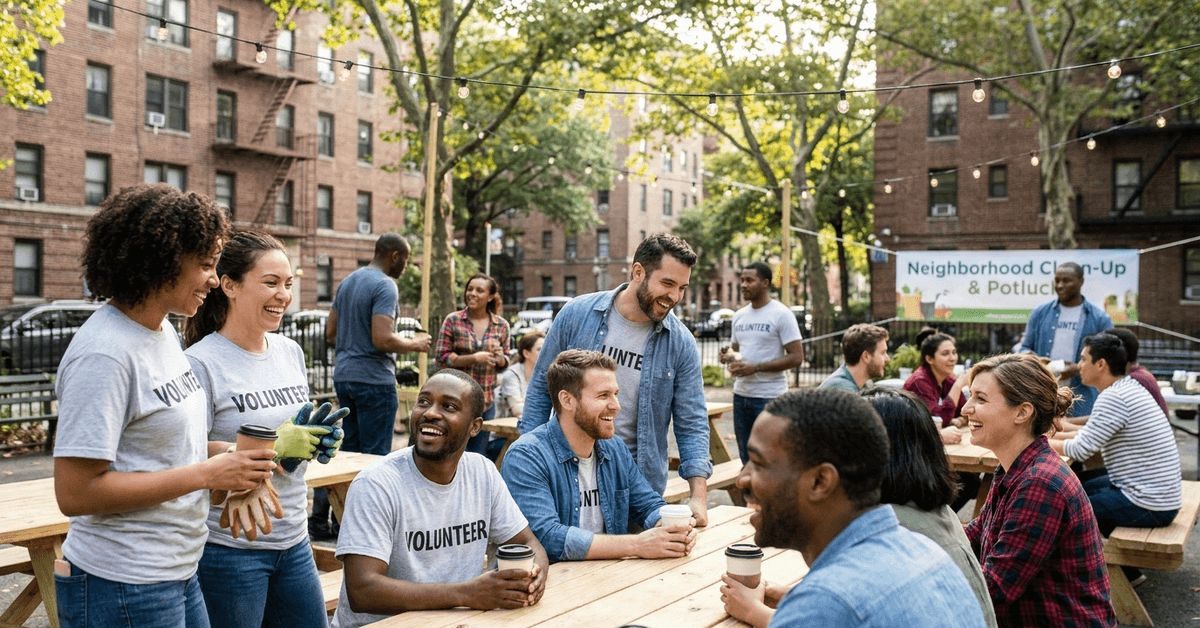
Moving to a big city often feels exciting, but the challenge of meeting new people and building a sense of community is real. Especially for singles and newcomers, the early days can feel a bit isolating.
Luckily, there are many practical steps anyone can take to start forming real connections with neighbors and locals, even in the busiest metropolis. Here are proven ways that actually work in places like New York, London, Berlin, and Toronto.
Why Urban Community Matters
Community is about more than just avoiding loneliness. It helps with networking, getting help in emergencies, and sometimes even leads to friendship.
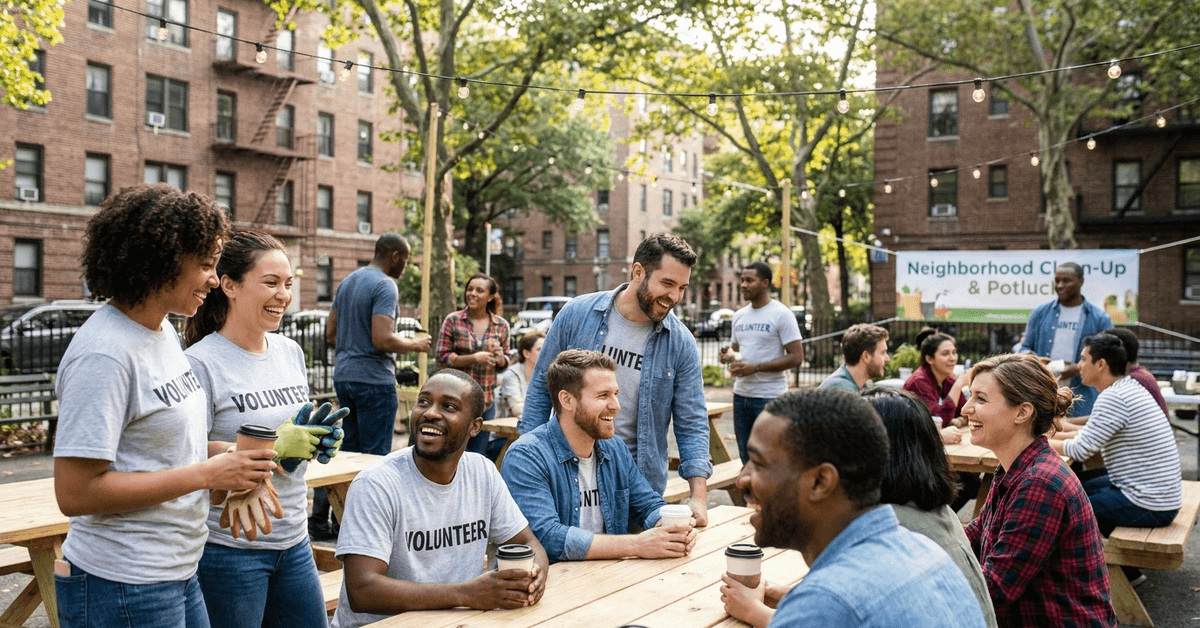
Strong neighborhood ties often make day-to-day city living easier, safer, and more fun. These connections can also unlock hidden local resources and opportunities.
Join Local Events and Groups
Many cities have a constant stream of events, gatherings, and social meetups. Sometimes they’re not easy to find unless you know where to look.
Neighborhood Associations
Most areas have neighborhood groups or resident associations. These groups usually organize clean-ups, potlucks, and seasonal festivals.
Getting involved is helpful for learning about safety issues and city policies as well.
Online Event Platforms
Websites like Meetup and Eventbrite list group activities and workshops according to area and interest.
Options range from walking clubs to book discussions, hiking groups, and language cafes. Many are free or low-cost to join, which lowers the barrier.
Public Classes and Hobby Clubs
- Yoga or fitness sessions in public parks (often posted on Facebook Local or via apps like ClassPass)
- Art or cooking workshops at community centers
- Music or dance sessions posted on flyers in local cafés
Connect Through Digital Apps
Apps designed for neighborhood networking have changed how people meet locally. They’re especially useful for big cities where chance meetings are rare.
Best Neighborhood Apps
- Nextdoor lets users post about everything from lost pets to garage sales and urgent alerts.
- Facebook Groups focused on your building, block, or neighborhood often host ride-shares, local deals, and informal chats.
- Peach or Bumble For Friends are dedicated to social-only connections, separate from dating services.
It’s common for event organizers to use these platforms to advertise gatherings, making them a good lookout point for new arrivals.
Local Message Boards
Physical noticeboards in building lobbies, cafes, or grocery stores often list invitations for chess nights, plant swaps, or volunteer drives.
Volunteer in the Community
Volunteering is a straightforward way to meet people while also contributing to your new neighborhood.
Popular Options in Big Cities
- Soup kitchens and food banks (like City Harvest in New York or FareShare in London)
- Animal shelters (Toronto Humane Society, Berlin Tierheim)
- Park or river clean-up days, which are often seasonal and open to all
These opportunities make it easy to meet others who are also new or interested in helping out.
Leverage Common Spaces
A building’s communal spaces are valuable assets for making connections. Even a simple hello in the elevator can open a door.
Good Spaces for Interaction
- Laundry rooms
- Shared gardens and rooftops
- Mailrooms or package pick-up points
Sometimes, people create informal meetups around shared chores like watering plants or taking out recycling. It is sometimes awkward at first, but persistence usually pays off.
Attend Block or Building Meetings
Most apartment complexes and residential buildings hold periodic tenant meetings. These offer unique access to decision-makers and long-time locals.
Try Micro-Interactions Daily
Consistent brief exchanges often lay a foundation for future friendships. Even small greetings matter in a big city.
- Say good morning in the lobby
- Offer to hold the door or elevator
- Ask neighbors for recommendations (like the best local bakery)
Some will respond more eagerly than others, but gradually, trust and comfort usually grow.
Attend Cultural and Religious Centers
Many urban centers have diverse faith organizations and cultural clubs. Many host open community days, free lectures, or celebrations.
Examples of Welcoming Institutions
- Local mosques, churches, and synagogues, many with coffee mornings or youth groups
- Ethnic community centers, such as Berlin’s Turkish-German Friendship Association or the Korean Cultural Center in Toronto
These are positive places where newcomers are often welcomed without pressure.
Start Your Own Gathering
If existing community groups do not feel like the right fit, consider creating a simple gathering of your own. You do not need a large budget or detailed plan. A relaxed activity can attract neighbors who are also looking for ways to connect.
Choose an Easy Activity
Start with something familiar and low-pressure. Host a board game or movie night in a shared room, courtyard, or lounge. Keeping the first event simple makes it easier for people to join without feeling committed.
Invite People With Shared Interests
Create a small poster for a running, walking, or cycling club and place it on an approved community board. You could also organize a plant swap, potluck, or recipe exchange for residents on your floor or within the apartment block.
Let the Group Grow Naturally
Do not feel discouraged if only a few people attend the first gathering. A smaller turnout can make conversations easier and help everyone feel comfortable.
As attendees share their experience with neighbors, interest may grow and future events can become more active.
Stay Open and Patient
Building lasting friendships in a large city usually takes time. Meaningful connections may develop over several weeks or months, so avoid feeling discouraged when early attempts do not lead to immediate results.
Accept That Some Attempts May Not Work
Not every event, conversation, or invitation will create a friendship. Some people may be busy, shy, or simply looking for different kinds of connections. Treat each interaction as useful experience rather than a failure.
Remain Open to New People
Many city residents are also searching for companionship, even when they appear occupied or reserved.
Stay friendly and open to casual conversations with neighbors, coworkers, classmates, or people at local activities. Unexpected interactions can gradually lead to supportive and positive relationships.
Conclusion
Building community in a big city is possible for anyone, even if it feels slow at first. Modern tools and timeless in-person approaches both work.
By trying local groups, digital apps, volunteering, and simple daily greetings, it becomes easier to move from stranger to neighbor—and sometimes, eventually, to friend.
Each step creates new opportunities for connection, comfort, and belonging right where you live. Keeping an open attitude turns the city from an anonymous place into a personal network, one thoughtful effort at a time.