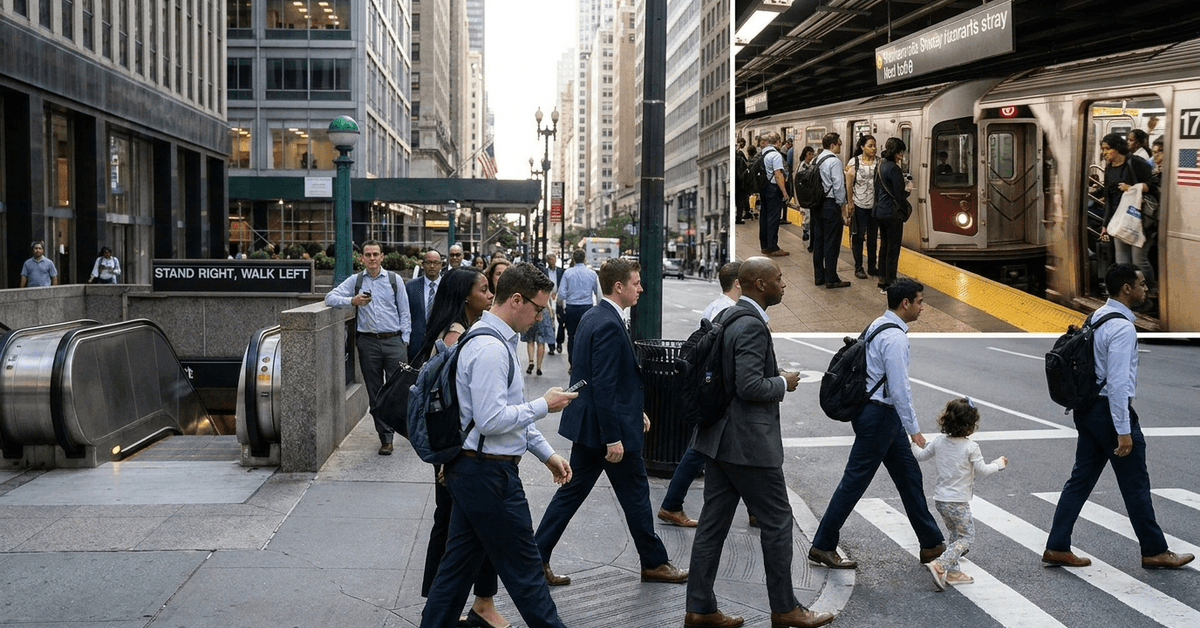
Living or working in a city often means facing crowded streets, packed subways, and busy plazas. For many people, this can feel overwhelming. Knowing the unspoken rules of urban etiquette helps everyone share public spaces respectfully.
This guide offers actionable strategies for managing large crowds and interacting smoothly in today’s bustling cities.
Understanding Urban Etiquette and Its Importance
Urban etiquette goes beyond good manners. It builds a safer and more pleasant experience for all. It also helps reduce conflict and stress during travel or daily routines.
Cities like New York, London, and Tokyo have unique rhythms, but certain unspoken rules exist everywhere. Awareness is the first step to moving fluidly through these spaces.
Core Principles of Urban Etiquette
Personal Space Matters
Respecting others’ space creates a sense of comfort, even in large groups. Standing too close can feel intrusive, especially on public transport or elevator queues.
- Maintain a gap of about an arm’s length whenever possible.
- Avoid brushing against others, even if the area feels crowded.
- Move bags or backpacks to your front in tight spaces.
Staying Aware and Alert
Constant awareness makes navigation smoother. This is especially important in cities like Paris and Hong Kong, where foot traffic flows quickly.
- Keep headphones at a low volume to catch announcements or signals.
- Glance up from your phone frequently when walking.
- Watch for subtle signals from others, like hesitation or body language.
Moving Efficiently Through Large Crowds
Walking in Busy Streets and Plazas
Most city dwellers appreciate brisk walking. In places like Manhattan, pausing suddenly can disrupt the pace and cause accidents.
- Walk steadily and keep to one side (right or left, depending on local custom).
- If you must stop, step aside toward a wall or out of the main flow.
- Travel in single file when moving in groups.
Using Escalators and Stairs Efficiently
In many European cities, standing on one side lets faster walkers pass on the other. The “stand right, walk left” rule is common in London and Berlin.
- Observe local habits—some places may reverse this rule.
- Keep hands and bags within your space.
- Never block the moving side, even during peak hours.
Navigating Subway Platforms and Trains
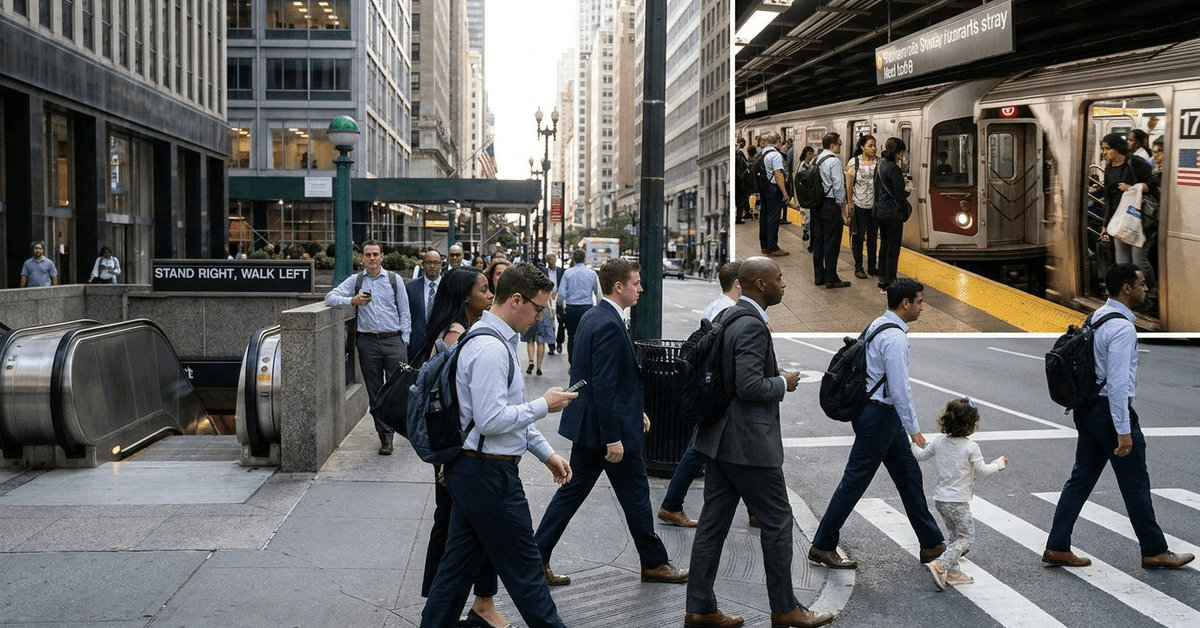
Crowded stations demand patience. Tokyo’s train pushers exist for a reason, but in most cities, self-awareness is key.
- Let passengers exit before entering a train or subway car.
- Stand aside to form paths near doors.
- Board swiftly but calmly—don’t shove or squeeze forcefully.
Politeness in Public Spaces
Using Your Voice Responsibly
Speaking softly can minimize discomfort for others. Loud phone calls or laughter may disrupt those nearby, especially in libraries, cafes, or transit.
- Switch phones to silent or vibrate in enclosed areas.
- Keep conversations to a low volume.
- If a call must be taken, step outside if possible.
Queueing Up Correctly
Organized lines keep stress low, even during rush hour or at festival events. Cities like Singapore and Seoul enforce this norm strictly.
- Join the back of the line, not the side.
- Wait for your turn without pushing ahead.
- Respect line markers during busy periods or ticket sales.
Digital Tools for Urban Navigation
Essential Navigation Apps
Free apps such as Citymapper or Google Maps give real-time info on crowded routes, public transport, and traffic conditions. These boost confidence in unfamiliar areas.
- Citymapper helps with route planning and crowd estimation in major cities.
- Transit offers live updates on delays and service changes.
- Waze helps drivers avoid congested or blocked streets.
Event and Venue Apps
Attending concerts or festivals? Event-specific apps provide maps, schedules, and crowd signals to help avoid bottlenecks or missed sessions.
- Check the official app for each event or arena before you go.
- Enable push notifications for last-minute updates.
Safety and Self-Care in Crowdies
Pickpocket Prevention Strategies
Crowded spaces often attract pickpockets. Cities like Barcelona and Rome report high numbers of thefts in busy zones.
- Keep valuables in front-facing pockets or bags with zippers.
- A great idea is to avoid keeping wallets in rear pockets.
- Stay alert when people approach unexpectedly or create distractions.
Physical and Emotional Health Tips
Navigating crowds can be draining, both mentally and physically.
- Take deep breaths when feeling anxious or rushed.
- Plan small breaks in quiet spots like parks or coffee shops.
- Stay hydrated—carry a reusable bottle, especially in hot weather.
- Wear comfortable shoes, since walking long distances is common.
Handling Unexpected Situations
Lost or Disoriented?
Getting turned around or separated from friends is more common than many admit. In places like Shibuya Crossing in Tokyo, it’s easy to lose direction.
- Stop in a safe space, like near station maps or info kiosks.
- Use your smartphone’s maps or “find my friends” tools.
- Stay calm. Crowds pass, and clearer paths emerge quickly.
Responding to Emergencies
If alarms sound or incidents occur, follow staff or security guidance immediately. Most cities have protocols for evacuating crowds safely.
- Watch for posted exit signs in venues and venues.
- Move at a steady pace without rushing or pushing.
Urban Etiquette for Special Groups
Traveling with Young Children
Navigating crowds with kids presents extra challenges. Strollers or holding hands make it easier not to lose track of little ones.
- Identify family lanes or elevators where available.
- Teach kids to recognize uniforms or help points in case you get separated.
Accessibility Considerations
For those with mobility needs or disabilities, some spaces are less accommodating. Apps like Wheelmap help identify accessible venues.
- Look for ramps, elevators, or step-free entrances.
- Inquire ahead at major attractions about facilities like accessible toilets.
Table: Common City Navigation Apps
| App Name | Best For | Supported Cities |
|---|---|---|
| Citymapper | Route planning, live conditions | New York, London, Paris, Berlin |
| Google Maps | Global navigation, real-time traffic | Worldwide |
| Transit | Public transport, service alerts | Toronto, San Francisco, Boston |
| Wheelmap | Accessibility info | Many international cities |
Conclusion: Practicing Urban Etiquette for a Better City Experience
Navigating large crowds and public spaces demands more than patience. It’s about empathy, self-awareness, and respect for others’ right to move freely.
Mastering urban etiquette transforms crowded moments into opportunities for smoother journeys and better daily living.
Whether in busy subways, at festivals, or on city avenues, considering the rhythm and needs of those around you fosters a welcoming urban community. Over time, these small habits make cities not only livable but also enjoyable for everyone.