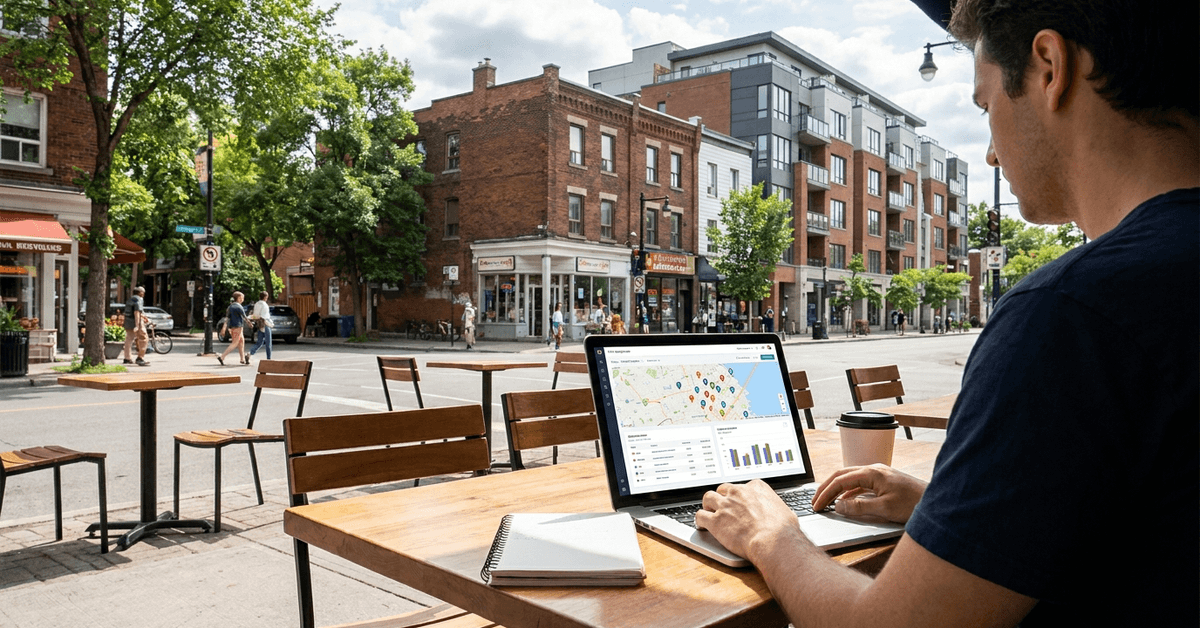
Moving to a new city opens up exciting opportunities, but choosing the right neighborhood can make or break your experience.
The best fit depends on your priorities, habits, and even your mood after a long day. It’s not always easy to know where to start.
This guide shares actionable steps, real-life tips, and proven resources to help you find a neighborhood you’ll love—whether you’re moving across the country or starting fresh abroad.
Clarify Your Priorities and Lifestyle
Every city has various neighborhoods with unique personalities. Identifying what actually matters to you is an essential first step.
Key Factors to Consider
- Commute time (proximity to work or school often defines your daily mood)
- Housing cost (rent or buy, plus utilities and fees)
- Walkability and transit access
- Safety and crime rates
- Access to parks, shops, and nightlife
- Atmosphere or vibe (quiet, lively, trendy, family-friendly, historic, multicultural)
- Community diversity
- Quality of local schools (if this matters for you or your family)
Some of these, like safety or cost, are easy to research. Others, like local community spirit, are subtler and may need a bit more digging.
Research Neighborhood Options in Your Target City
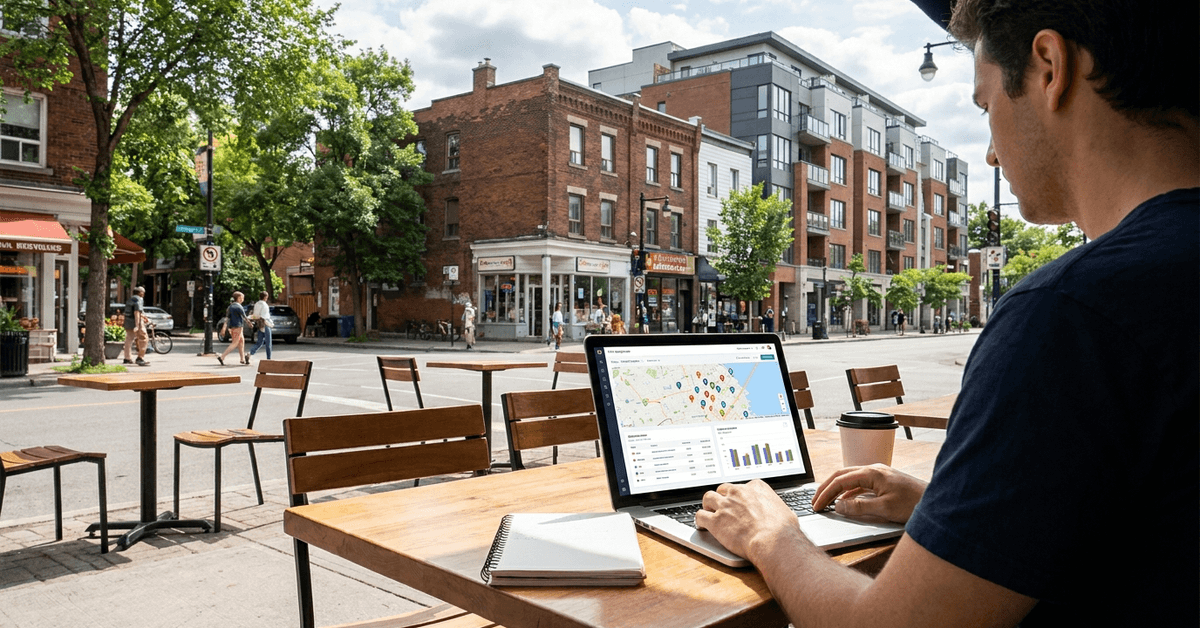
Once you know your preferences, map them onto your target city. Comparing several areas gives you a clearer sense of what fits.
Where to Find Neighborhood Guides
- Official city or tourism websites often provide neighborhood overviews.
- Platforms such as Niche, StreetAdvisor, and AreaVibes offer data-driven guides for US and some international cities.
- Local forums or subreddits can highlight issues or hidden gems no official guide covers.
- Real estate sites like Zillow, Rightmove (UK), and ImmobilienScout24 (Germany) offer interactive maps with rent, demographics, and trends.
Neighborhoods in cities like Paris, Berlin, or Toronto differ wildly in price, lifestyle, and energy. Comparing more than just the usual tourist suggestions can open up better possibilities.
Dig Into Safety and Crime Data
No one wants to feel uneasy at home. Yet safety perceptions can be misleading or outdated.
- Most city police departments publish crime maps or reports on their websites.
- Online resources like NeighborhoodScout (US) or Numbeo offer crowd-sourced crime ratings.
- Local Facebook groups sometimes share real-time incidents or concerns.
Some areas get an unfair reputation based on old data. Recent trends, not legends, matter most during your search.
Explore Transportation and Local Amenities
Transportation and amenities define daily convenience. Walkability, transit access, and grocery options are easy to overlook until you move in.
Transportation Checkpoints
- Google Maps transit feature helps preview commute times from any address.
- Try Citymapper or Transit App to see real-time options, including buses, trains, or cycling routes.
Daily Needs and Comforts
- Apps like Walk Score rate how friendly a neighborhood is for pedestrians.
- Review Google Maps to pinpoint grocery stores, gyms, parks, or cafes nearby.
- Some cities, such as Amsterdam or Montréal, use public bike programs viewable via app before you arrive.
Some people even run a few mock commutes via Google Street View or live-tracking apps to get a real feel for everyday movement.
Compare Rental and Property Prices
Neighborhood budgets can vary tremendously within the same city. Price is often the deciding factor for many newcomers.
- Check rental listings directly on sites such as Zillow or Apartments.com for US cities, Rightmove or Zoopla for the UK, and Idealista for Spain and Portugal.
- For international or short-term stays, try Airbnb map view, but note that long-term rental prices are usually lower.
Be sure to compare listings by neighborhood, not just general city averages. Price maps can reveal hidden deals or overpriced hype zones.
Consider Noise, Vibe, and Community Fit
Statistics only tell part of the story. Lifestyle factors shape your day-to-day satisfaction.
- Research whether neighborhoods are residential or have active nightlife.
- Read Google reviews or social posts to catch issues like construction, late-night bars, or local festivals.
- Walk around during different times of day (or use YouTube walkthroughs) to get a sense of noise and foot traffic.
Sometimes, a street one block away has a totally different feel or level of activity. Small details really count here.
Leverage Social Media and Community Groups
Locals love to talk about their neighborhoods. Digital communities can offer a candid view that maps and stats miss.
- Facebook Groups for the neighborhood or city are great for questions about daily life.
- Reddit city subreddits are full of “Ask a Local” threads.
- Meetup.com lists community events you can browse by area before your move.
- Instagram, TikTok, or YouTube vlogs often share recent tours and real resident impressions.
Sometimes, the collective memory or inside jokes of a neighborhood say more than numbers can, especially in close-knit communities.
Take a (Virtual or Real) Test Run
If possible, try staying for a few nights in your top-picked areas. Short-term rentals give you a real taste of daily life.
- Airbnb and Booking.com let you stay in specific neighborhoods.
- Some realtors offer guided tours for remote buyers or renters via video call.
- Look for open house events if you’re considering buying.
This can reveal subtle pros and cons that no listing or online review can capture. A street can feel totally different after dark or on a busy Monday morning.
Practical Steps to Compare and Decide
- List your top 3–5 priorities (e.g., safety, affordability, walkability).
- Select 3 promising neighborhoods based on research and reviews.
- Compare them across your criteria using a simple spreadsheet or note app.
- Factor in current housing availability and average rent prices.
- Test commutes or explore virtually, if you can.
- Check social media groups for recent feedback.
- Narrow your choice to a favorite, with one backup in mind.
Allow yourself to adjust—sometimes, initial impressions change after living somewhere a while. Staying flexible is key, since cities and neighborhoods are always growing and shifting.
Useful Digital Tools for Neighborhood Research
- Google Maps: Street View, amenities, and commute times
- Walk Score: Walkability metric
- Citymapper or Transit App: Transportation options
- NeighborhoodScout: Crime data (US)
- AreaVibes or Niche: Neighborhood guides
- Zillow/Rightmove/Idealista: Property searches
- Meetup: Local group activities and events
Using two or three tools in combination usually provides a more complete neighborhood portrait than sticking to just one.
Conclusion: Making Your Neighborhood Choice Confidently
Choosing your new neighborhood is more than data points on a page. It’s about your goals, routines, and even your gut instinct.
Combining digital research with real-world experience helps turn that first impression into a smart, satisfying life decision.
Cities change fast, and so might your needs. Allow yourself to adjust if your instincts shift after a few months.
Above all, picking the right neighborhood is an investment in daily happiness. Involve your priorities, use the latest tools, and don’t hesitate to ask locals along the way.