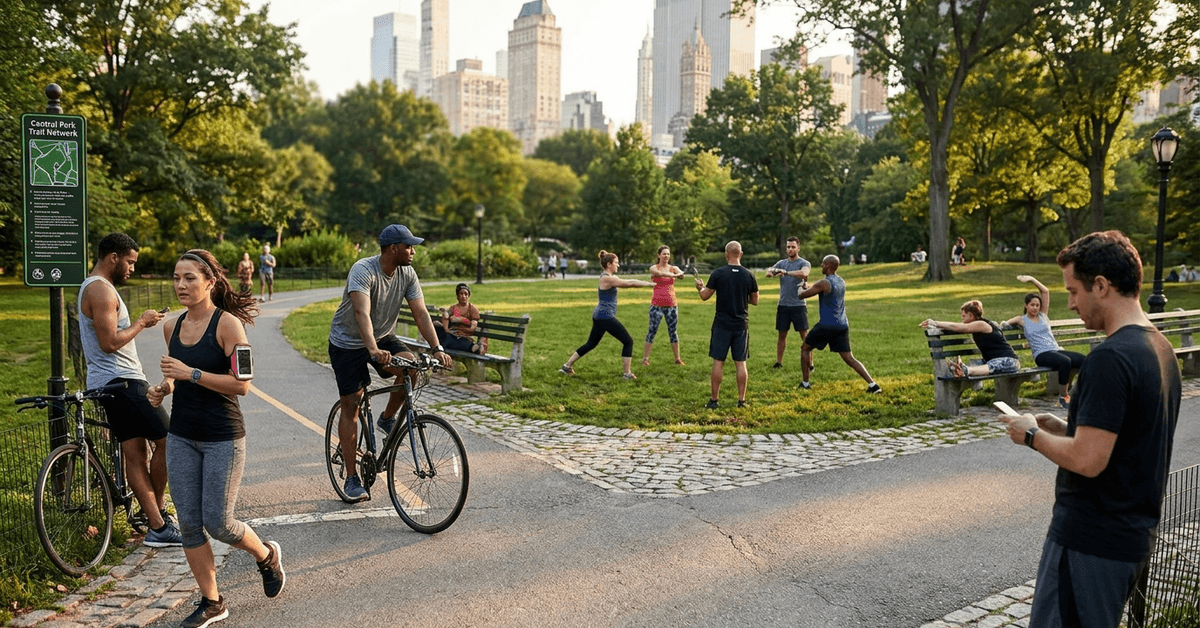
Urban residents increasingly look to parks and trails for exercise. These spaces offer a break from city noise and a boost to mental health. For newcomers, urban parks hold unique exercise potential.
Benefits of Outdoor Exercise in the City
Natural sunlight improves mood and supports sleep cycles. Adding green spaces to a routine can reduce stress levels. Urban parks also foster a sense of local community.
Physical Health Improvements
Outdoor workouts may lead to increased endurance. Surfaces like grass or gravel often reduce joint impact. Simple activities like brisk walking are always an option.
Mental Wellness Advantages
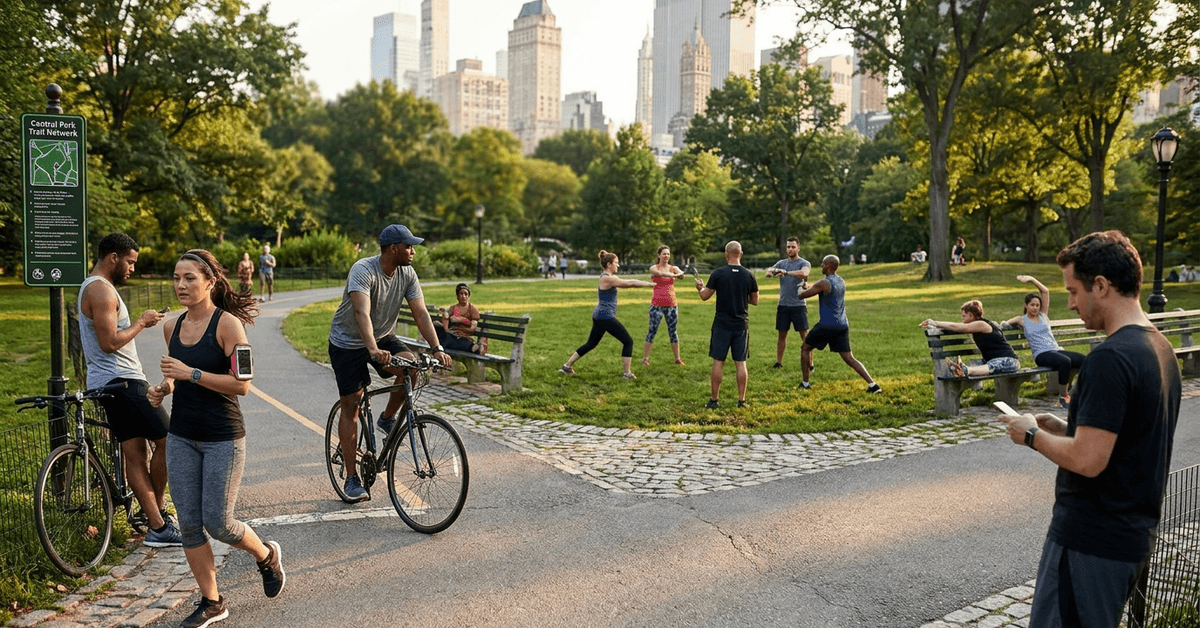
Changing scenery can help with motivation. Focusing on trees or water during exercise distracts from everyday worries. For some, group classes in city parks offer a social lift.
Best Types of Outdoor Exercise for Urban Spaces
- Walking or jogging on dedicated trails.
- Bodyweight exercises using benches or steps.
- Cycling on marked paths in city parks.
- Yoga or stretching in quiet lawn sections.
- Outdoor group workouts through meetups or clubs.
How to Choose the Right Park or Trail
The best spot often depends on goals and safety. Accessibility for transit or cycling matters, especially in large metro areas. Many cities now publish official park or trail maps.
Examples from Major Cities
New York’s Central Park features wide paths for runners. London offers the Regent’s Park track for interval sprints. San Francisco’s Golden Gate Park remains popular for weekend group classes.
Daily Timing for Urban Parks
Mornings tend to be quieter, allowing more focus. Some prefer late afternoons when parks feel livelier. Checking opening hours is crucial before making plans.
Planning a Safe and Effective Outdoor Workout
- Scout the area before exercising for the first time.
- Check local regulations about activities in certain zones.
- Pack essentials: water, snacks, and basic first aid.
- Use sun protection even on cloudy days.
- Let a friend know your route when exploring new trails.
Weather Adaptation
Apps like AccuWeather provide real-time forecasts. Cold or rain shouldn’t end an exercise habit. Layering and waterproof clothing address changing conditions.
Useful Tech for Outdoor Urban Fitness
Modern tech enhances outdoor routines. Many urbanites rely on free or affordable fitness apps for structure.
- MapMyRun tracks distance and calories.
- Strava connects athletes and logs cycling or walking progress.
- QR Fit enables park-goers to access video workouts via smartphone.
- Citi Bikes or similar bike-share apps help with city cycling routes.
- AllTrails helps locate lesser-known urban paths.
Tips for Minimizing Urban Discomforts
City spaces sometimes present unique challenges. Noise, air quality, and crowds can distract or cause frustration.
Dealing with Noise and Distractions
Noise-cancelling headphones are a popular choice. Some prefer ambient sound apps with birdsong or soft music. Choosing off-peak times helps reduce both noise and crowds.
Managing Air Quality and Allergens
Checking the AirVisual app before heading out is a reliable step. On poor air quality days, limiting intensity or picking isolated parks may help. Some city dwellers report fewer symptoms in areas with dense tree cover.
Social and Community Options
Exercising outdoors can connect you with local groups. Cities often offer free classes or fitness meetups in parks.
- Check community boards or city recreation websites for schedules.
- Look up local park conservancies for volunteer-led events.
- Apps like Meetup are commonly used for group exercise.
- Some cities have dedicated Facebook groups for local walkers or runners.
Safety Considerations in Groups
Many find groups more motivating and secure. Always introduce yourself and clarify personal limits or injuries. Joining with a friend for the first time often eases nerves.
Legal, Safety, and Etiquette Basics
Following park rules and basic safety practices helps protect both visitors and shared outdoor spaces. Most urban parks post important guidelines near entrances, exercise areas, and trail access points.
Use Designated Paths
Stay on marked walking, jogging, and cycling routes whenever possible. Cutting across lawns, flower beds, or protected areas can damage plants and create unsafe shortcuts.
Respect Other Visitors
Yield to slower walkers, older adults, children, and family groups. Keep dogs leashed unless you are inside a clearly marked off-leash area. Avoid loud behavior near quiet zones, picnic areas, or playgrounds.
Keep the Park Clean
Carry out all rubbish, food packaging, and personal items. When using shared fitness equipment, wipe surfaces after use and return movable items to their proper place.
Trail Etiquette and Shared Spaces
Pass Politely
When jogging on a busy trail, pass on the left and give a brief verbal warning when needed. Avoid sudden movements near cyclists or other runners.
Share Space Thoughtfully
Making eye contact or offering a quick greeting can signal respect. In crowded parks, avoid running through playgrounds or blocking narrow paths. Choosing open areas helps everyone feel safer and more comfortable.
Staying Motivated Year-Round
Seasonal changes, busy schedules, and changing energy levels can make it difficult to maintain an active routine. Building simple habits and setting realistic expectations can help you stay consistent throughout the year.
Set Small, Achievable Goals
Start with manageable targets, such as taking a 20-minute walk three times each week. Short goals feel less overwhelming and are easier to continue during cold, rainy, or especially busy periods.
Keep Your Routine Interesting
Create a varied playlist, listen to podcasts, or change your usual walking route. Small changes can prevent boredom and make each outing feel more enjoyable.
Track Your Progress
Use a fitness app, calendar, or handwritten log to record walks, distances, and completed goals. Seeing your progress can provide encouragement when motivation is low.
Reward Your Consistency
Celebrate steady effort with occasional visits to a new park, trail, or neighborhood. Rewards do not need to be expensive to feel meaningful.
Recognize Every Achievement
Mark small accomplishments, including completing a short walk or returning after a break. Consistency develops gradually, and every positive step helps strengthen a sustainable year-round routine.
Conclusion
City parks and trails offer a wealth of opportunities for safe, rewarding exercise. With some upfront planning, even busy urbanites can carve out space for wellness.
From tech to community features, public green spaces adapt to suit nearly any routine or fitness level.
Choosing the right times, tools, and company transforms a quick walk into a steady habit. The results may surprise you: more energy, less stress, and a new appreciation for the city environment.