Category: Urban Survival & Apartment Living

  • How to Avoid Common Tourist Traps in Major World Capitals

    How to Avoid Common Tourist Traps in Major World Capitals

    Visiting major world capitals can be an unforgettable adventure. However, it is easy to fall into classic tourist traps if you are not careful.

    This guide offers concrete tips for travelers seeking genuine experiences in global cities. The information suits solo travelers, families, and even business visitors looking to make the most of their trip.

    Understanding Tourist Traps in Capital Cities

    A tourist trap is any place or activity targeting newcomers and overcharging for average or low-value experiences. These are especially common in capitals like Paris, London, Rome, and Tokyo.
    How to Avoid Common Tourist Traps in Major World Capitals

    Often, traps use aggressive vendors, misleading advertising, and inflated prices. They tend to cluster around major attractions or transportation hubs.

    The good news is that with research and awareness, most can be avoided.

    Why Major Capitals Are Prone to Tourist Traps

    World capitals attract millions annually. This makes it easy for businesses to hide high prices behind famous names or beautiful facades.

    Travelers, sometimes in a rush or unfamiliar with local habits, may miss warning signs. The language barrier and excitement can also affect judgment.

    Classic Examples of Tourist Traps by City

    Paris

    The Eiffel Tower area is notorious for overpriced souvenirs and food stalls. Many restaurants near the tower charge double the normal rate for basic meals.

    Montmartre’s main square often features aggressively priced caricature artists and souvenir stands.

    London

    Near Leicester Square and Piccadilly Circus, street performances may end in high-pressure tipping.

    Shops around Oxford Circus frequently sell generic memorabilia at inflated prices compared to markets nearby.

    Rome

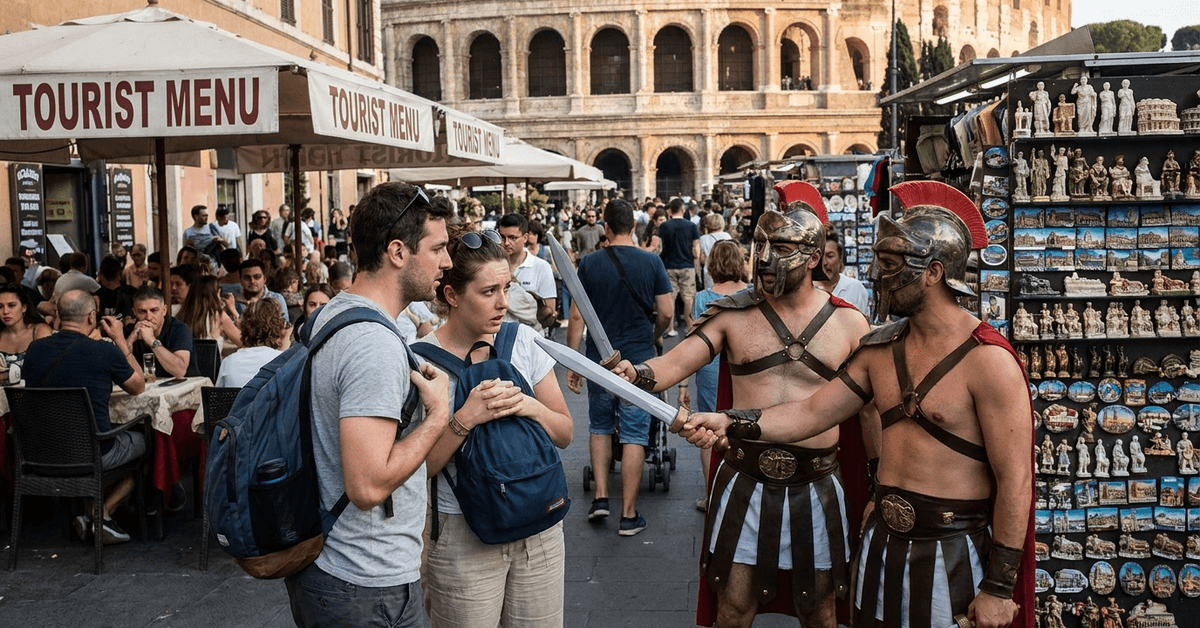
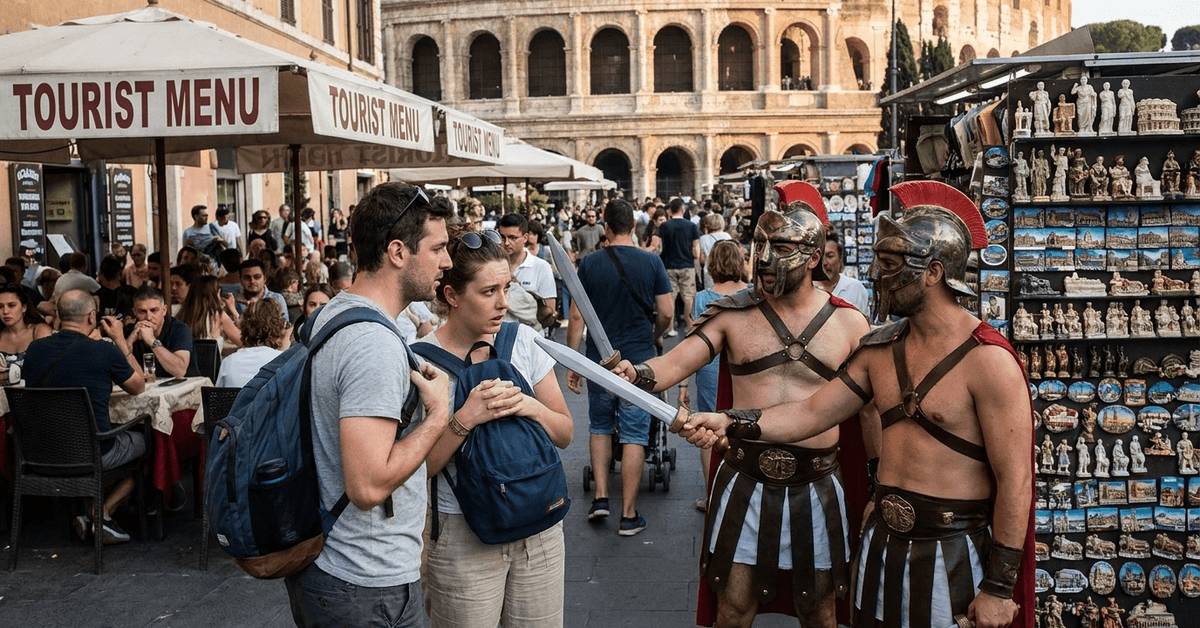
    Close to the Colosseum, costumed gladiators ask for steep fees for quick photos.

    Restaurants at Piazza Navona sometimes add hidden charges or present substandard food at tourist-only prices.

    New York City

    In Times Square, ticket vendors promote shows or tours with little real value. Costumed characters can insist on large tips after unsolicited selfies.

    Street food near well-known sites may be double the average price for the same snack further away.

    • Other cities like Tokyo, Prague, and Istanbul also have hotspots where tourist prices are routine.

    How to Research and Prepare Before You Go

    Research is always a traveler’s best ally. A few careful steps before departure save money and provide a richer experience.

    • Read recent travel blogs and city forums for updates on scam locations or poor-value attractions.
    • Apps such as Google Maps and Rome2Rio show location popularity, honest reviews, and real price information.
    • Social media platforms like Reddit, TripAdvisor, and local Facebook groups often discuss emerging traps in real time.

    Taking screenshots of price ranges and reading neutral reviews help create a realistic budget.

    Actionable Steps to Avoid Tourist Traps

    Stay Away from Immediate Vicinity of Iconic Sites

    Prices and pressure tend to increase the closer you get to famous landmarks. A great option is to walk 10 minutes beyond the crowds before shopping or dining.

    Use Local Transit Instead of Tourist Buses

    Standard metro or bus lines in cities like Berlin and Tokyo are efficient, predictable, and cost less than double-decker tour services.

    Download and Use Reliable Apps

    • Food apps such as TheFork (Europe) or Yelp show real user ratings for restaurants and include authentic photos.
    • Transit apps like Citymapper (NYC, Paris, London) reveal honest routes and prices.
    • XE Currency app ensures real-time currency conversion for understanding fair costs.

    Ask for Locals’ Recommendations

    Hotel receptionists and wait staff, if not pushing an obvious commission, often know city secrets. Seeking their tips provides insight that guidebooks miss.

    Detecting Traps in Real Time: Signs and Red Flags

    • Menus or signs without prices near entrances usually mean costs may surprise you later.
    • Any pressure to “act quickly” or warning that “the deal ends soon” is worth a pause.
    • Unsolicited gifts, from flowers to bracelets (especially around Rome’s Spanish Steps or Paris’s Sacré-Cœur), often come with a demand for payment.

    Suspicion is natural in unfamiliar environments. A little hesitation can prevent a rushed, costly mistake.

    Alternative Ways to Experience World Capitals Authentically

    Explore Neighborhood Markets and Cafés

    Neighborhoods like Paris’s Marais or London’s Shoreditch offer vibrant scenes without tourist inflation. Locals frequent these venues for good reason.

    Join Free or Donation-Based Walking Tours

    Look for highly reviewed options on websites like FreeTour.com. These tours often share hidden histories and lead away from traps. Tips are voluntary, making the quality higher in some cases.

    Attend Local Events

    City government websites or apps showcase festivals, farmers’ markets, and exhibitions that offer a more genuine snapshot of local culture.

    Common Tourist Scams and How to Avoid Them

    • ATM or currency exchange scams: Use official bank ATMs and always decline conversion “guarantees” in favor of your bank’s rate.
    • Fake petitions or fundraising near metro stations: A polite “no thank you” or simply ignoring the approach usually ends the interaction.
    • Taxi overcharging: Opt for licensed platforms, such as Uber, Bolt, or local regulated taxi apps for transparent fares.

    Money-Saving Tips for Eating and Shopping Abroad

    Eat Where Locals Eat

    Online reviews often highlight “hidden gems.” Places where locals are the main patrons almost always offer better value than main tourist strips.

    Shop in Supermarkets or Local Chains

    Grocery stores and convenience chains in cities like Tokyo, London, and Rome provide affordable snacks and quick meals. This helps cut food costs markedly.

    Use Digital Payment Apps Wisely

    Using contactless payment tools such as Apple Pay or Google Pay limits your need for cash. These methods also often provide a record of your real costs, making budgeting easier.

    Staying Safe and Secure in Busy City Centers

    Beware of Pickpockets in Crowds

    Places like Barcelona’s Las Ramblas or London’s Oxford Street are well-known for pickpocket activity. Using a money belt or cross-body bag facing forward minimizes risk.

    Avoid Unofficial Tour Offers

    Bogus guides may approach you at museums or stations. Official tours have visible identification, clear pricing, and are often listed on city tourism websites.

    Conclusion

    Avoiding common tourist traps in world capitals requires awareness, planning, and a willingness to explore a little deeper.

    By using trusted apps, seeking local insights, and approaching city icons with a healthy skepticism, travelers can focus on making real memories and smart decisions. 

    Capital cities are always evolving, so staying informed and open-minded promises more authentic and rewarding travel experiences each time.
  • Smart Ways to Store a Bicycle Inside a Small Living Space

    Smart Ways to Store a Bicycle Inside a Small Living Space

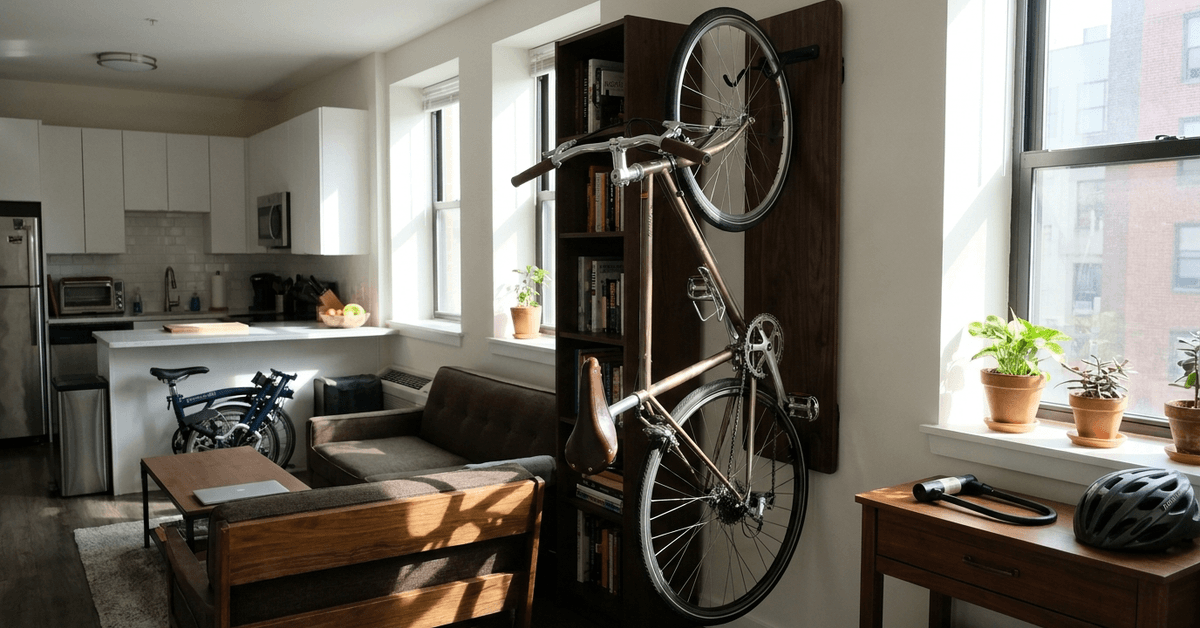
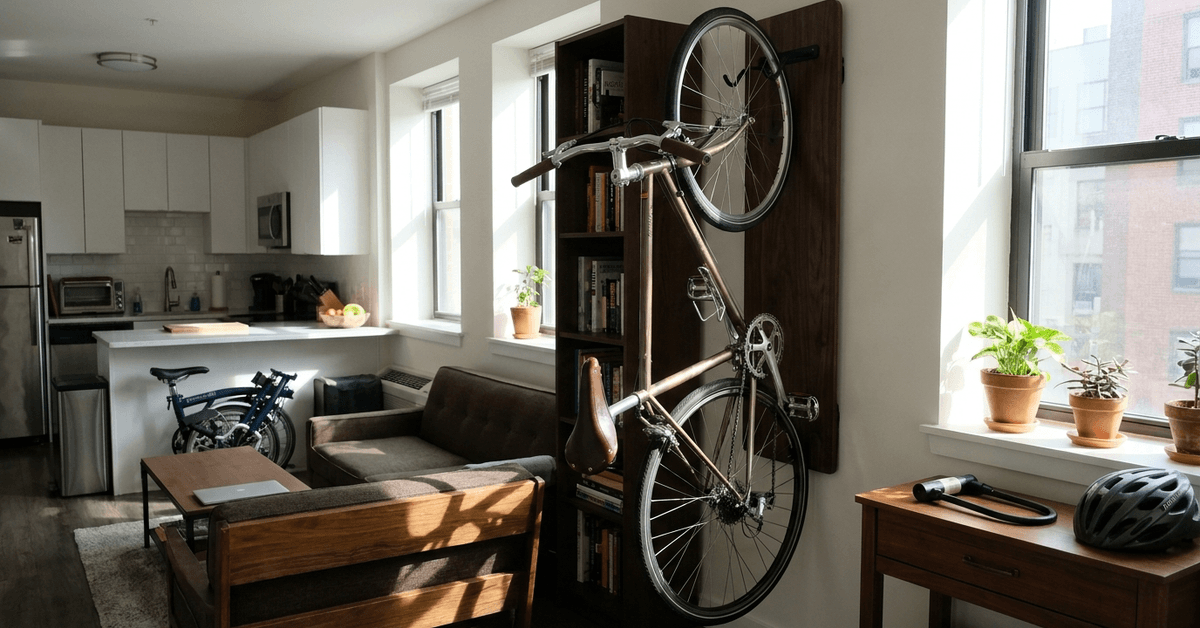
    Bike ownership in the city is empowering, but storing your ride can feel impossible in confined urban homes. Many urban dwellers in places like Paris, Toronto, or Tokyo face this challenge every day.

    This guide is perfect for anyone seeking ways to keep a bicycle safe and accessible indoors, even with limited room. Discover actionable solutions, space-saving tools, and firsthand tricks for Instacitizen.com readers invested in city living.

    Why Indoor Bicycle Storage Matters in Urban Living

    Urban apartments tend to be compact, with little free floor space. Quickly, clutter takes over. Plus, leaving your bike outside is risky due to theft and weather.

    Smart Ways to Store a Bicycle Inside a Small Living Space

    For renters or homeowners, damage from improper storage—scuffs on walls or tripping hazards—can become an issue. Safe indoor storage simply makes daily cycling more practical and sustainable.

    Assessing Your Space: First Steps

    Storing a bike indoors starts with evaluating your layout. City apartments often lack storage rooms or spare closets.

    A practical method is to observe:

    • Ceiling height and wall strength
    • Entryway and hallway dimensions
    • Proximity to power sockets (for e-bikes)

    Wall-Mounted Bike Racks: Efficient and Popular

    Wall racks maximize vertical space. Delta Cycle Leonardo Da Vinci Single Bike Storage Rack is a widely used option.

    It can be installed quickly using basic tools. Always anchor into a stud to avoid damaging drywall. For renters, smaller racks with adhesive pads can be considered, but check landlord permissions first.

    Best Use Cases for Wall Racks

    • Studio apartments with tall, bare walls
    • Rooms where bikes function as decor
    • Shared housing with defined personal zones

    Popular Cities and Typical Installation Spots

    Residents in Berlin often use entryway walls. In New York, it’s typical to see a rack above shoe cabinets near the entrance.

    Ceiling Hoists and Pulley Systems: For Maximum Floor Space

    Ceiling options create more usable room. The RAD Cycle Products Bicycle Hoist is known for sturdy hardware and smooth pulley action.

    Most systems use strong nylon rope and locking mechanisms. Installation usually involves drilling into ceiling beams, something to consider for renters or those in older buildings.

    Step-by-Step: How a Pulley System Works

    1. Secure mounting brackets into ceiling joists
    2. Thread ropes and attach bicycle hooks
    3. Hoist bike upwards gently using the pulley’s handle
    4. Lock in place and check for stability

    Freestanding Racks: No-Drill Solutions

    Some spaces make drilling difficult. Steadyrack Classic Rack is a freestanding solution popular with renters.

    It stands entirely on the floor and balances one or more bikes against vertical arms or pillars. No wall marks, no tools.

    Ideal Locations and Apartment Types

    • Living rooms that double as workout zones
    • Balconies with sheltered walls
    • Compact studios without spare corners

    Foldable and Collapsible Storage: Hide When Not in Use

    Clever urban cyclists use folding racks or retractable bike hangers. Saris Foldable Hanger helps keep pathways clear on busy days.

    Some racks fold flat against the wall in a matter of seconds. This provides flexibility when guests visit or you need extra walking space.

    Using Apps to Track Folded/Stored Bikes

    Apps like MyStuff2 Pro allow apartment sharers to track whose bikes are in storage and when to rearrange.

    Under-Bed and Furniture Integration Solutions

    Bikes with slim frames, like the Brompton Foldable Bicycle, can be slid under beds or standing cabinets.

    Try lifting the mattress or swapping bed risers for a little extra height. Some beds are designed with bike cubbies underneath—especially in markets like Tokyo or Hong Kong.

    Choosing the Right Folding Bike

    • Check wheel size for compatibility with storage spots
    • Consider weight for easy lifting
    • Read urban cyclist reviews before buying

    Creating Vertical Storage Towers

    Vertical bike towers let you store two bikes on top of each other. Topeak Dual-Touch Bike Stand is one versatile pick.

    This approach works for families or roommates. Towers hold frames gently along the top tube, not scratching the paintwork.

    Entryway Solutions for Daily Cyclists

    If riding is a daily routine, the hallway or entryway could be practical. Bike Nook Bicycle Stand uses angled cradles to turn bikes upright by the doorway.

    A shoe cabinet next to the stand helps contain dirt or debris. Some riders keep a foldable mat underneath to collect puddles on rainy days.

    Climate and Moisture Protection Indoors

    Even inside, moisture and grit from daily rides can become a nuisance, especially in damp cities like London or Seattle.

    Designated wipe-down stations may help. Many riders use Muc-Off Bike Cleaning Kit to quickly clean tires and frames before rolling inside.

    Security Considerations: Shared Spaces vs. Private Rooms

    Living with roommates or in multi-unit buildings introduces risks. Not every room is equally secure.

    A portable ABUS Bordo Folding Lock can be used even indoors to secure the bike to a bedframe or rack, providing peace of mind in shared flats.

    City-Specific Bike Storage Services and Tool Apps

    Urban cyclists often need secure storage when apartments, offices, or public bike racks do not provide enough space. Local storage platforms, building facilities, and cycling apps can help riders find practical options while reducing the risk of theft or weather damage.

    Explore Micro-Storage Listings

    Platforms such as SpareFoot may list small storage units or lockers in major cities, including places like San Francisco or Toronto. These spaces can be useful for commuters, seasonal riders, or anyone living in a compact apartment. 

    Compare the location, monthly cost, access hours, security features, and whether bicycles are officially permitted before booking.

    Ask About Shared Building Storage

    Many apartment buildings in larger European cities provide shared basement rooms, indoor racks, or secured bicycle areas for residents. 

    Contact your landlord, concierge, or building manager to learn about availability, fees, registration rules, and access procedures.

    Use Local Cycling Tools

    City cycling apps and community forums may also identify secure parking hubs, repair stations, and storage facilities. 

    Check recent reviews and local regulations before leaving a bike overnight. A strong lock is still essential, even when using a monitored or shared space.

    Conclusion: Making Bike Storage Work for Your Space

    Storing a bike indoors in city apartments is possible with the right approach. Assessing your needs and space honestly helps identify the perfect blend of storage tools and habits.

    Combining solutions—such as a foldable rack in the entryway and vertical tower in the bedroom—can simplify storage without sacrificing floor space. For many, a bit of trial and error is necessary.

    Ultimately, organizing your home to safely accommodate your bike supports a sustainable, healthy, and convenient urban lifestyle. As cities become denser, these smart solutions make cycling in—and living in—the city that much easier.

  • 7 Essential Pantry Staples for Quick Meals After a Long Commute

    7 Essential Pantry Staples for Quick Meals After a Long Commute

    Urban professionals and city dwellers often face long commutes after busy days. Preparing a meal from scratch can feel like a daunting task, especially in places like New York, London or Singapore, where traffic and public transport eat into any spare minute.

    This guide is for anyone returning home tired, hungry, and in need of a meal that is quick, nutritious, and doesn’t require a trip to the store. These pantry staples will streamline weeknight cooking far beyond what takeout offers.

    Why Smart Pantry Staples Matter in Urban Life

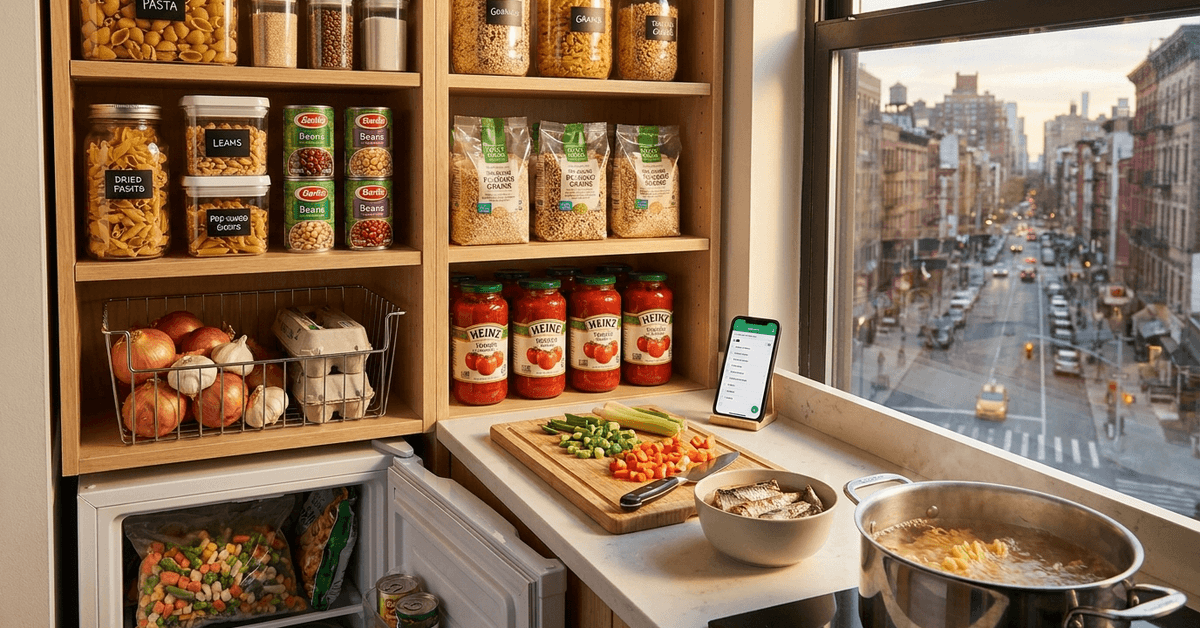
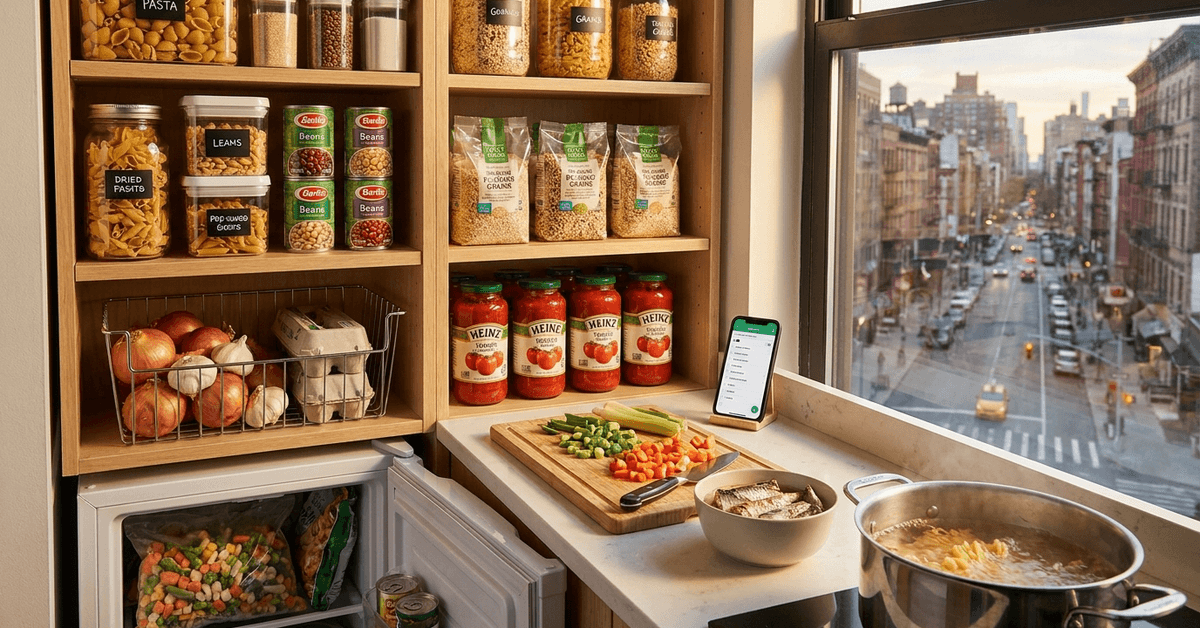
    Having the right ingredients on hand offers flexibility and peace of mind. City kitchens tend to be small, with limited storage. A curated pantry ensures you can build a meal without excess clutter.

    7 Essential Pantry Staples for Quick Meals After a Long Commute

    1. Pasta: The Versatile Weeknight Base

    Pasta is a true time saver. From penne to rice noodles, it cooks fast and pairs with almost anything. It’s a go-to for many city residents because it lasts nearly forever.

    Pasta can be dressed up with sauces, tossed with roasted veggies, or simply mixed with olive oil and garlic. In cities like Paris or Berlin, you’ll find residents stocking several types given its flexibility.

    2. Canned Beans: Protein Without the Wait

    Canned beans deliver filling protein with zero prep. Black beans, chickpeas, or cannellini are common favorites.

    Add them to salads, pasta, or rice bowls for instant heft. They’re not just for vegetarian meals, either—topping a baked potato or working as a taco filling in minutes is another plus.

    3. Pre-Cooked Grains: Heat and Eat Convenience

    Pre-cooked quinoa, microwave-ready brown rice, or barley packets are city pantry essentials. These are available in most supermarkets in Toronto, Sydney, and Tokyo.

    Just a few minutes in the microwave or pan and you have a base for stir-fries, curries, or even breakfast bowls. The minimal fuss is a real bonus after a draining commute.

    4. Jarred Tomato Sauce: Instant Flavor Boost

    Jarred or canned tomato sauce transforms any grain or pasta. It saves time compared to making sauce from scratch.

    Tomato sauce can act as a pizza base, soup starter, or topping for roasted vegetables. Look for low-sugar versions at major grocery stores in San Francisco, Madrid, or Singapore for a healthy twist.

    5. Frozen Mixed Vegetables: Nutrition in Minutes

    Frozen mixed vegetables skip washing and chopping entirely. A bag in your freezer can be the difference between a balanced meal and skipping veggies altogether.

    Urban supermarkets often have several mixes, from classic peas and carrots to stir-fry blends. Quick sautéing or microwaving delivers a fast side or main ingredient without waste.

    6. Eggs: The Urbane Pantry Workhorse

    Eggs are affordable, last well, and cook fast. Omelets, scrambles, or fried rice are all possible under ten minutes.

    Whether living in Tokyo’s micro-apartments or Chicago’s compact flats, eggs adapt to every kitchen size and skill level. From breakfast-for-dinner to quick noodle bowls, they add protein and variety instantly.

    7. Tinned Fish: Flavorful and Sustainable

    Canned tuna, sardines, or salmon add protein and omega-3s with barely any effort. Many urbanites rely on them for quick salads or open sandwiches.

    They can be eaten alone or tossed with pasta and vegetables for an instant boost. With growing interest in sustainable food, tinned fish is a smart and eco-friendly option commonly stocked in Stockholm and Barcelona flats.

    How to Organize and Rotate Pantry Staples

    Pantry organization is crucial for city apartments. Keep staples accessible on eye-level shelves. Store similar items together, such as grains in one basket and proteins in another.

    Rotate the older items to the front each week. Use apps like Out of Milk or AnyList to track expiration dates and build your next restock shopping list efficiently.

    Creating No-Fuss Meals: Sample 10-Minute Recipes

    Pasta and Beans Bowl

    • Boil pasta (8 minutes).
    • Add canned beans and jarred sauce for last 2 minutes.
    • Top with herbs or cheese if on hand.

    Egg & Veggie Fried Rice

    • Heat pre-cooked grains in a pan.
    • Add frozen vegetables and stir for 2-3 minutes.
    • Crack in 2 eggs, scramble, and stir well.

    Quick Tinned Fish Salad

    • Drain tinned fish and mix with jarred tomato sauce.
    • Add frozen vegetables, thawed or steamed briefly.
    • Serve over pre-cooked grains or enjoy with crusty bread.

    Digital Tools for Managing Urban Pantry Life

    Apps help simplify meal planning. Mealime or Yummly offer inspiration for quick meals and inventory tracking.

    For sharing groceries with roommates, consider Splitwise to track expenses and keep joint pantries organized. These tools can help navigate busy city routines more smoothly.

    Tips for Smarter Grocery Shopping

    A few thoughtful shopping habits can help reduce weekly food costs without sacrificing quality. Planning purchases, comparing prices, and paying attention to store promotions can make a noticeable difference over time.

    Buy in Bulk When It Makes Sense

    Many urban supermarkets offer lower unit prices on multi-packs or larger bags of non-perishable items. Rice, pasta, canned goods, toiletries, and cleaning products are often good bulk-buying options. 

    Before purchasing, check the price per unit and make sure you have enough storage space. Avoid buying large quantities of items that may expire before you can use them.

    Shop During Discount Periods

    Local shops and supermarkets often reduce prices near closing time, especially on bread, produce, dairy products, and prepared meals. End-of-day shopping can be useful for finding fresh food at lower prices, particularly in many European cities.

    Use Digital Deals and Flyers

    Supermarket apps and digital flyers can help you track upcoming promotions. Chains such as Tesco, Carrefour, and Walmart often post weekly offers, loyalty discounts, and digital coupons. 

    Review these deals before shopping and build your list around items you genuinely need.

    Conclusion

    Stocking a thoughtfully selected pantry can transform the end of your daily commute. With these seven essentials, preparing a satisfying meal becomes less about effort and more about ease—even in the busiest cities. 

    Beyond convenience, these staples save money, support better health choices, and make after-work time at home more restful. 

    A streamlined pantry brings balance to urban living, freeing you from daily meal planning stress while empowering more confident, creative cooking.