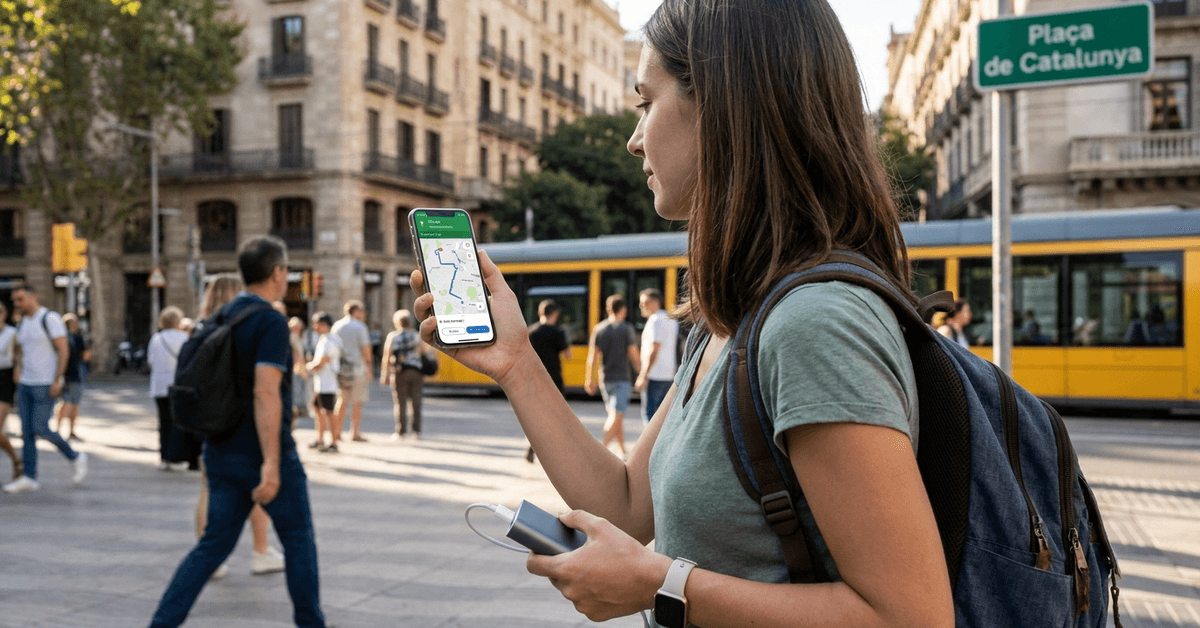
Exploring a new city can be thrilling, but it also comes with a unique set of challenges. Navigating unfamiliar streets, public transport systems, and cultural nuances requires the right tools.
This guide is for curious urban explorers, digital nomads, and anyone who wants to make the most of city experiences with minimal guesswork. The right apps can save time, reduce stress, and make city living—or visiting—far more enjoyable.
Why the Right Apps Matter in Any City
Each city has its own layout, pace, and character. What works in Paris may not be as useful in Tokyo.
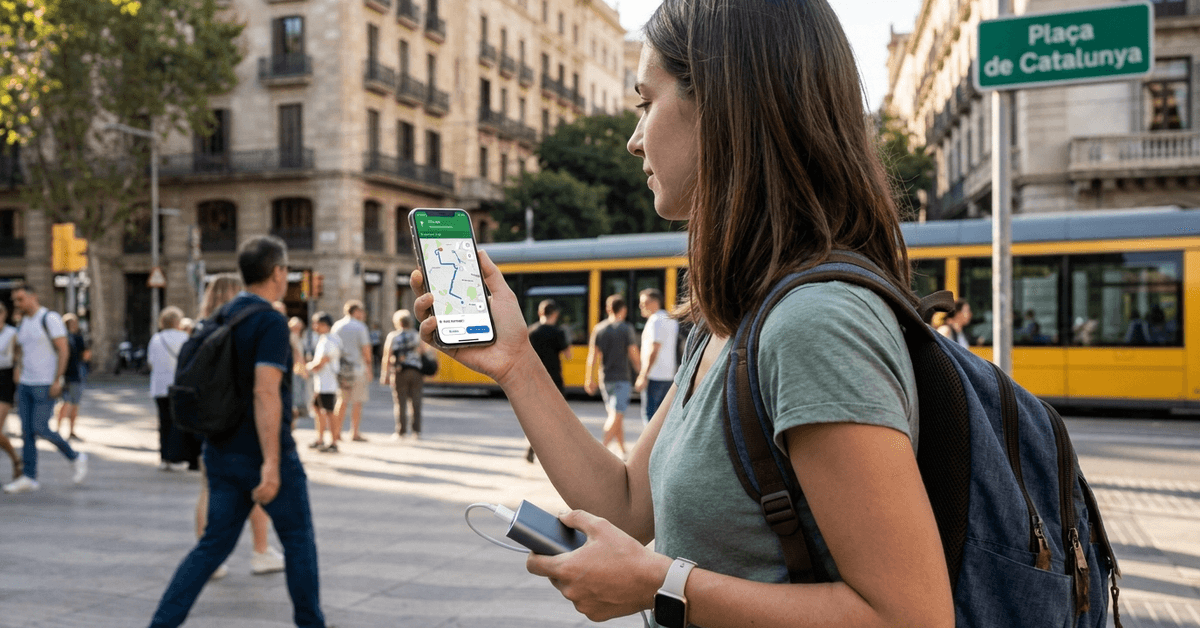
Depending on the infrastructure, language, and transit options, finding your way can quickly get complicated.
Modern app solutions offer local insights, live updates, and rich databases tailored for various cities across the globe.
Navigation Must-Have: Maps and Routing Tools
Google Maps: The Universal City Navigator
Google Maps remains the standard for global navigation. Its database covers nearly every city worldwide.
Available on iOS and Android, it provides real-time directions, walking routes, and public transport schedules.
- Offers detailed street maps with turn-by-turn directions.
- Shows real-time traffic updates, subway timetables, and even indoor maps for large venues.
- Works offline if you download maps in advance. This is valuable where you have spotty data coverage.
Citymapper: Smarter Transit in Major Metros
For cities with dense public transit, Citymapper is a favorite. It supports urban centers like London, New York, Paris, and Berlin.
It compares train, bus, bike, and walking routes side by side. Unexpectedly, sometimes it will even recommend cost-saving combinations such as walking part-way, then switching to public transport.
- Shows real-time bus and train arrivals.
- Includes local ride-share and bike-share info.
- Alerts you to major train strikes or service outages.
Public Transport and Ticketing
Moovit: Localized Transit Expertise
Moovit is best for travelers who want to use local buses, trams, and subways efficiently. It operates in over 3,000 cities.
This app covers some places overlooked by larger apps—think smaller European cities or less-documented routes in South America.
- Provides step-by-step transit guidance with live updates.
- Finds optimal transfers and real-time arrival estimates.
- Localized alerts about changes in service, helping you avoid surprises.
Transit App: Live Data Where You Need It
Transit is particularly useful in North American and select European cities.
Not only does it provide live ETAs, but it also shows bike, scooter, and rideshare availability when available.
- Suggests the best route based on real-time conditions.
- Provides push notifications about disruptions.
- Often includes integrated ticket purchasing in supported regions.
Mobile Payment and Local Currency
Revolut: Multi-Currency Friendliness
Revolut helps avoid currency exchange confusion and ATM runs. It’s popular among frequent travelers in Europe and beyond.
Travelers can hold multiple currencies, pay for rides and meals, and easily send or receive money from others.
- Enables real-time exchange calculations before you pay.
- Offers virtual debit cards for added security.
- Can freeze your card instantly if lost in a hectic market or crowded square.
Apple Pay and Google Pay
Contactless payments are now the norm in most major cities. Apple Pay and Google Pay integrate with local transport in cities like London, Hong Kong, and Sydney.
They’re fast, touch-free, and widely accepted—not just in shops, but often on buses and metro lines too.
- Saves time at checkout (and lowers the risk of losing cash).
- Often offers discounts or loyalty points on partner transit systems.
- Setup is straightforward, but availability may vary by country.
Language and Local Understanding
Google Translate: Real-Time Language Aid
Google Translate has made global city travel easier. Travelers can point their phone at menus, signs, or public notices for instant translation.
It’s not perfect, but during a sudden change in plans—or when trying to find the right platform at a busy station—every little bit helps.
- Supports offline language downloads for when Wi-Fi is spotty.
- Translates text, voice, and even camera images.
- Live conversation mode helps with basic interactions in shops and restaurants.
Duolingo or Babbel: Quick Learning for Short Stays
While these are not navigation-focused, they give visitors a head start with practical phrases.
A simple “excuse me” or knowing how to ask “where is the subway?” can smooth over small hurdles.
Local Discovery and Safety
Tripadvisor: City Highlights and Reviews
The best way to avoid tourist traps is often through the wisdom of recent visitors. Tripadvisor lets you check reviews and see real-time photos of trending spots.
This can be especially handy for neighborhood cafes and hidden sights you might walk right by otherwise.
- Searches can be filtered by rating, category, or distance.
- User-submitted tips help set expectations before arrival.
Uber or Local Ride-Share Apps
Sometimes public transit is closed or not available—say, late at night. Apps like Uber or local ride-shares fill the gaps safely.
In cities such as Prague or Buenos Aires, local solutions like Bolt or Cabify may offer better rates or quicker response times.
- Shows driver info before arrival for added safety.
- Contactless payment reduces the need for local cash.
- Allows location sharing with friends or family during a ride.
Essential Safety and Emergency Apps
What3words: Pinpoint Any Location
What3words divides the world into three-meter squares and gives each one a unique code of three words.
It can be used to share your precise whereabouts with emergency services or friends, even if the street address is unclear.
- Functions offline once installed.
- Helpful in cities where traditional addresses are confusing or missing.
Local Official Emergency Apps
Many major cities, like New York and Singapore, offer their own alert systems. Apps such as NYC Emergency Management or SGSecure send notifications for weather, transit issues, or public safety.
- Offers official real-time warnings and instructions.
- Can prove vital in rare but urgent situations.
Conclusion: Choosing the Right Apps for Stress-Free Urban Exploration
No two cities are identical, so the best mix of apps often depends on local context, infrastructure, and personal needs.
Some travelers rely on just one or two, while others combine several for maximum coverage. In crowded places—like Seoul, Istanbul, or São Paulo—the right navigation and payment apps can save hours and make the experience far less intimidating.
Using trusted transportation, language, and safety tools leads to a smoother, more confident city visit. Testing a few options before your next adventure means you’ll spend less time lost and more time enjoying what each city has to offer.