Category: Culture & Local Hidden Gems

  • A Guide to Museums With Free Entry on Specific Days

    A Guide to Museums With Free Entry on Specific Days

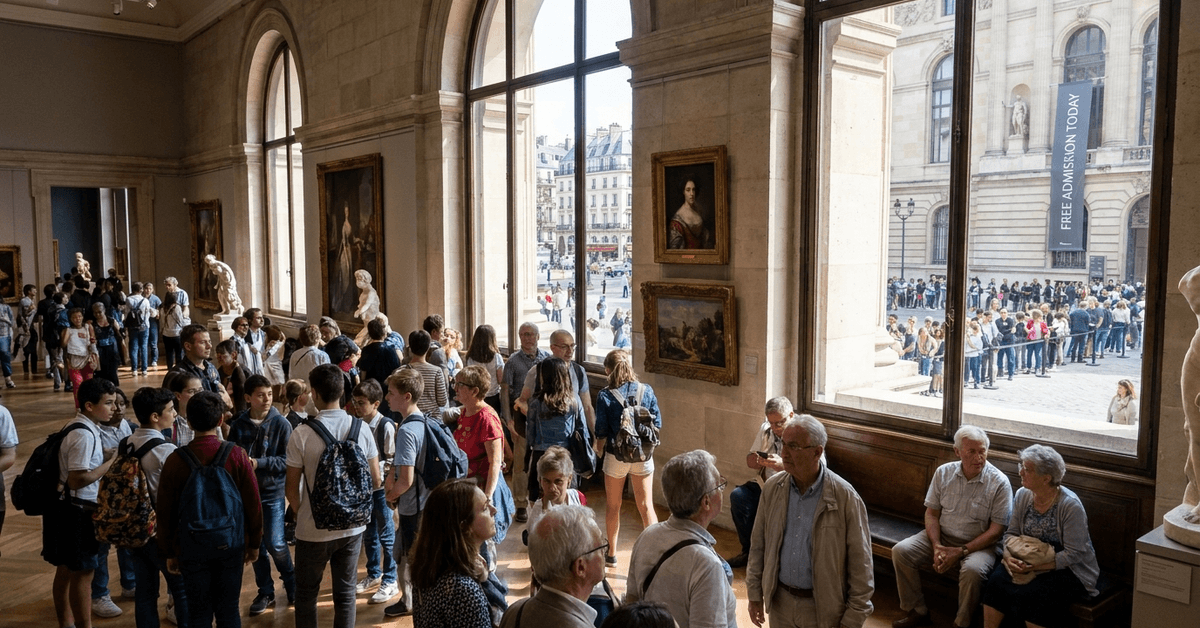
    Exploring museums can transform a city visit, letting residents and travelers connect with history, art, and ideas. However, entry fees can add up quickly, especially in popular urban destinations.

    This guide highlights how to visit top museums for free during designated days and times. It is designed for anyone interested in affordable, enriching cultural experiences in major metropolitan areas.

    Why Seek Out Free Museum Days?

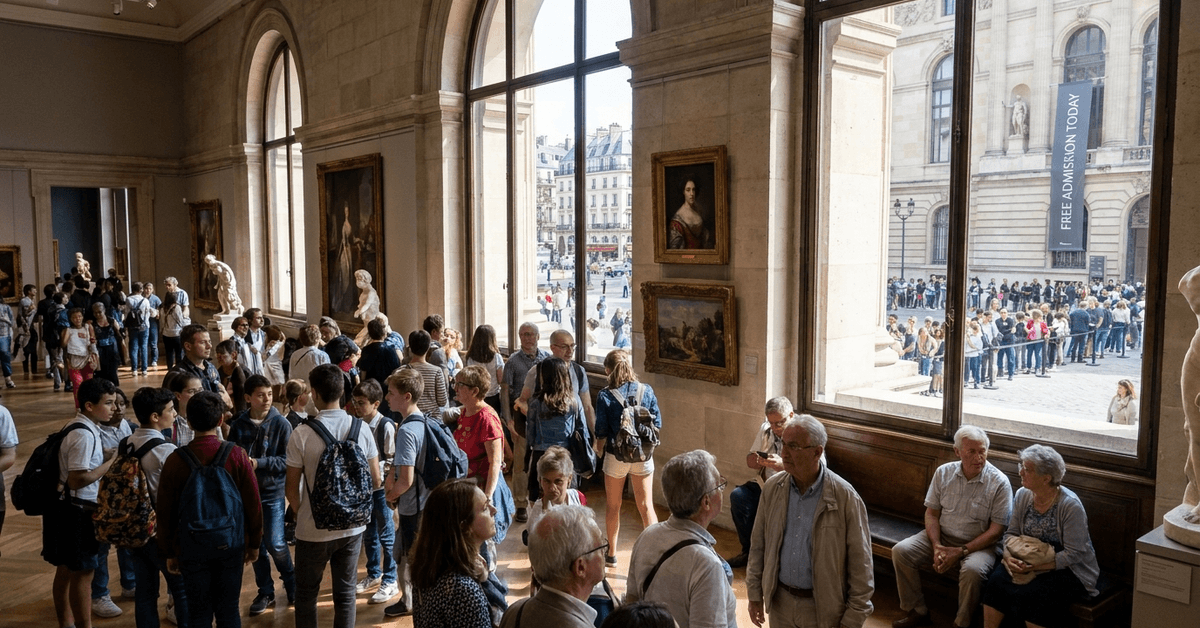
    Museums often schedule free entry periods to encourage greater public access. These days help make learning accessible to all, no matter their budget.
    A Guide to Museums With Free Entry on Specific Days

    Families, students, solo visitors, and locals looking to experience culture without financial strain benefit most from free museum days.

    Many cities actively promote these dates, making cultural appreciation part of daily urban life.

    How Free Entry Schedules Work

    Most museums offer free admission on fixed monthly or weekly days. This could be the first Sunday of each month, selective holidays, or even certain evenings.

    Common Patterns

    • First Sunday of the Month is standard in many European cities.
    • Select national holidays often bring free access.
    • Evening hours on one weekday per month are sometimes free.

    Pre-Booking and Capacity Limits

    Some museums require timed tickets even on free days, mainly to control visitor flow. It’s best to check the official museum site for details on availability and reservation requirements.

    Cities with Noteworthy Free Entry Programs

    Different cities have their unique approaches. A few stand out for both accessibility and diversity of their museum offerings.

    Paris

    • Louvre Museum: Free entry every first Friday evening (October–March) and first Sunday of the month from October to March.
    • Orsay Museum: Free on the first Sunday of every month.

    London

    • Most national museums, like the British Museum and National Gallery, offer free entry daily, with special exhibitions charging a fee.

    Rome

    • Vatican Museums: Free entry on the last Sunday of each month. Arriving early is wise—lines can be long.
    • Capitoline Museums: Often free on the first Sunday.

    New York City

    • MoMA: Free every Friday from 4–8pm.
    • Brooklyn Museum: Free on the first Saturday of each month (evening hours only).

    Madrid

    • Prado Museum: Free entry from 6–8pm Monday to Saturday and 5–7pm on Sundays.
    • Reina Sofia Museum: Free in the evenings (various days).

    Apps and Resources for Planning Visits

    Finding up-to-date information on free museum days is easier with a few reliable tools. These help avoid missed opportunities and disappointment at the door.

    • The Museum Finder app allows searching by city and date for special entry offers.
    • City tourism agencies often maintain comprehensive museum lists on their websites.
    • Some museums have official apps, sending notifications about free days and events.

    Step-by-Step: Getting the Most from Free Entry Days

    Free museum days are a practical way to enjoy art, history, science, and culture without increasing your travel budget. 

    However, these events can attract large crowds, so thoughtful planning is important. A clear schedule helps reduce waiting time, avoid missed reservations, and make the most of every visit.

    Choose Your Target Museums

    Begin by selecting your destination city and creating a list of museums you most want to visit. Focus on a few priorities instead of trying to see everything in one day. Consider your interests, available time, and the distance between each location.

    Confirm Free Entry Schedules

    Check every museum’s official website for current free admission dates, entry hours, and eligibility requirements. 

    Museum discovery apps may help you find options, but official sources should always confirm the final details. Schedules can change during holidays, special events, or renovations.

    Review Booking Requirements

    Some museums require timed reservations even when general admission is free. Book as early as possible when advance registration is available. If reservations are not required, plan to arrive near opening time to avoid the longest lines.

    Build an Efficient Itinerary

    Group museums by neighborhood, walking distance, or public transit route. Leave enough time for security checks, rest breaks, and unexpected delays. Avoid planning too many major attractions back-to-back.

    Pack Light Essentials

    Bring water and a few light snacks if museum policies permit them. On-site cafés may be crowded or expensive during free sessions. Carry only a small bag to make security screening quicker.

    Keep a Backup Plan

    Choose one nearby alternative in case a museum reaches capacity. Staying flexible can prevent disappointment and make the day more relaxed and enjoyable.

    Tips for a Smooth Free Museum Experience

    Free museum days can be an excellent way to explore art, history, and culture without stretching your budget. 

    However, popular venues may become crowded, and some areas may follow separate ticketing rules. Planning your visit carefully can make the experience more relaxed and enjoyable.

    Arrive When the Museum Opens

    Reaching the museum as the doors open often provides the smoothest entry. Early visitors may face shorter security lines, quieter galleries, and better access to popular displays. This is especially helpful at well-known museums or during public holidays.

    Consider Late Afternoon Hours

    Late afternoon can also be less crowded once school groups and morning visitors begin to leave. Crowd levels vary by museum, so check recent visitor information or official guidance before choosing your arrival time.

    Bring Valid Identification

    Student cards, senior IDs, or local resident cards may provide extra benefits. These can include priority access, reduced prices for special exhibits, or entry during additional free periods.

    Check What Free Admission Includes

    Free general admission does not always cover every part of the museum. Temporary exhibitions, special galleries, guided tours, or immersive experiences may still require separate paid tickets.

    Review Entry Requirements

    Some museums require advance reservations even on free days. Confirm opening hours, booking rules, bag restrictions, and security procedures before leaving to avoid delays or disappointment.

    Considerations Regarding COVID-19 and Museum Entry

    Health regulations in some cities may require masks, vaccination proof, or reduced capacity. This remains somewhat fluid across regions.

    Checking each museum’s current visitor policies before heading out is always safer.

    Conclusion

    Discovering museums with free entry on specific days is an empowering way to access world-class culture without straining your budget. With a bit of research and the right resources, art and history become part of everyday city life. 

    Whether planning a solo afternoon or a group outing, staying informed about free entry schedules adds depth and affordability to urban adventures. 

    Exploring museums on free days doesn’t just save money—it fosters a deeper connection with the city, its people, and its stories. 
  • How to Enjoy Concerts and Festivals Without Spending a Fortune

    How to Enjoy Concerts and Festivals Without Spending a Fortune

    Music lovers and festival enthusiasts often feel that big city events are out of budget. The truth is, with some planning and creativity, it’s possible to soak up the live vibe and enjoy the energy of urban life at a low cost.

    This guide is for anyone who loves concerts and festivals but wants to avoid blowing their savings. By using smart tools and making a few strategic choices, anyone can experience top events across the city without financial strain.

    Why Concerts and Festivals Seem Expensive

    Major events in cities like New York, Berlin, or Paris often come with premium pricing. There’s usually a combination of high ticket costs, pricey food, and added fees that can overwhelm first-timers.

    How to Enjoy Concerts and Festivals Without Spending a Fortune

    However, most people overlook community-driven options and methods for reducing or skipping these charges entirely.

    How to Find Affordable and Free Concerts

    City Parks and Public Venues

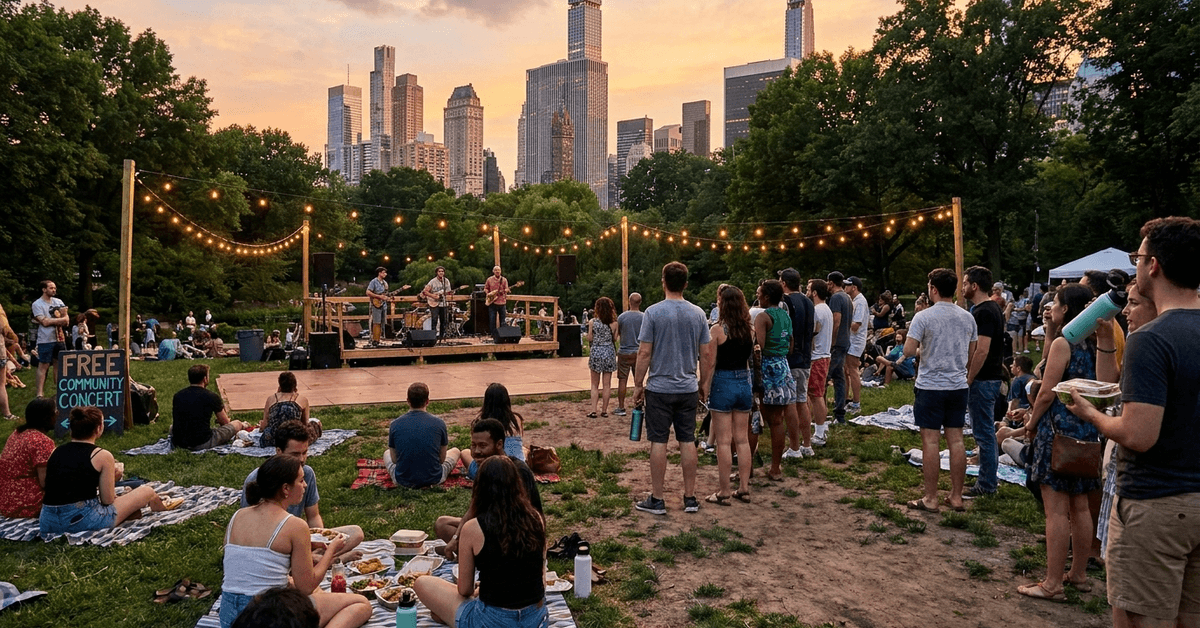
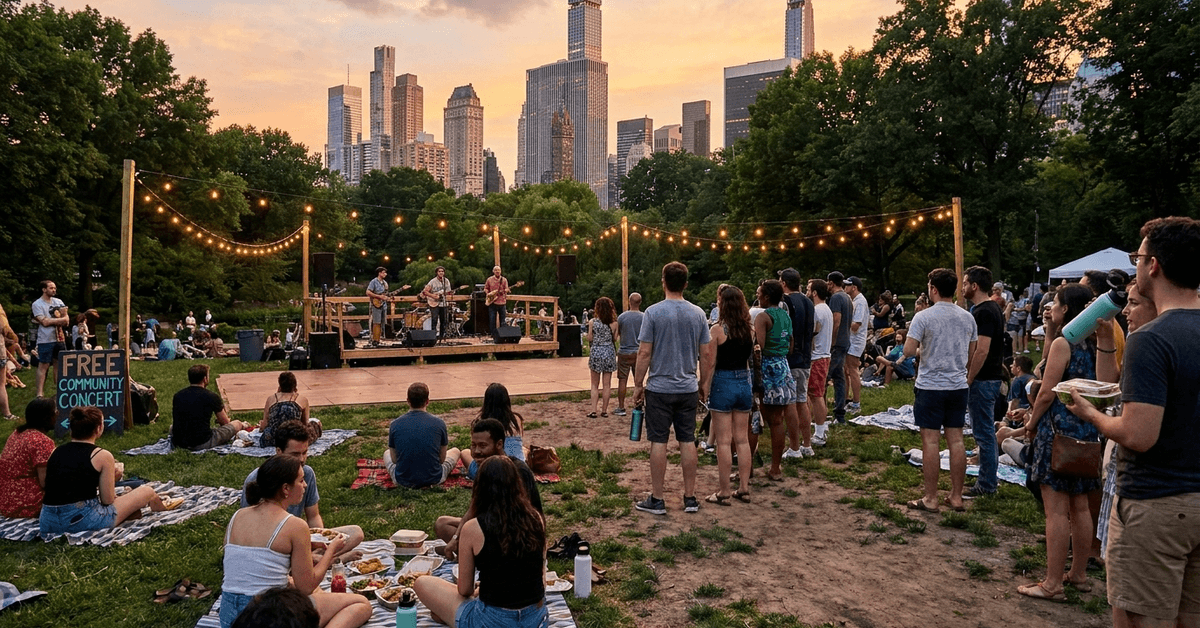
    Cities often organize music in the parks during summer months. In places like Central Park (NYC) or Regent’s Park (London), local governments host free performances.

    • Follow local park authority social media for announcements.
    • Sign up for city event newsletters or check city websites regularly.

    Small and Independent Venues

    Smaller bars, cafes, and rooftops in cities often have free admission nights. Early-entry or open-mic events are common, especially midweek.

    • Search “free gigs tonight” on community boards like Meetup or local Facebook groups.
    • Consider less-popular neighborhoods for pop-up concerts and spontaneous events.

    Festival Fringe Events

    Large festivals like Edinburgh Festival Fringe or Fête de la Musique in Paris always have side stages. Many of these are free or request just a small donation.

    • Scan festival websites for official “free events” listings.
    • Arrive early to claim spots, as these tend to fill up quickly.

    Buying Tickets Without Paying Full Price

    Wait for Last-Minute Deals

    Sometimes, official apps like DICE or Resident Advisor list unsold tickets at a discount hours before showtime.

    • Enable notifications for your preferred venues in these apps.
    • Flexibility with genres and artists makes it easier to find deals.

    Subscribe to Artist and Venue Newsletters

    Several artists and concert halls offer early bird pricing or pre-sale codes via their mailing lists. Subscribers usually get first pick and generous discounts.

    • Prioritize local venues with “priority access” programs.
    • Compare ticket prices across platforms before deciding.

    Use Official Resale Markets

    Platforms like Ticketmaster Verified Resale ensure tickets are authentic and sometimes under face value due to changed plans of sellers.

    • Avoid third-party sellers to reduce risk of scams.
    • Double-check event rules on transferability of resale tickets.

    Maximizing Your Experience on a Tight Budget

    Pack Your Own Refreshments

    Most outdoor or community events allow attendees to bring sealed water and snacks. This sidesteps high food truck or concession prices.

    • Check the event website for food and drink policies before packing.
    • Reusable bottles can save even more if on-site water refills are offered.

    Use Public Transport and Shared Options

    Driving and parking at busy festivals costs a premium. Instead, local transit apps such as Citymapper or Moovit make trip planning easy.

    • Search for night buses or metro service extensions when events end late.
    • Consider group ride shares to share the cost of taxis at night.

    Volunteer for Perks

    Many festivals recruit volunteers to help with logistics, ushering, or setup. Volunteers often trade work for free entry and meal vouchers.

    • Check festival volunteer pages for open positions at least a month ahead.
    • Volunteering can also give access to behind-the-scenes areas others miss.

    Unlock Exclusive Savings with Tech Tools

    Event Aggregator Apps

    Apps like Songkick and Bandsintown collect live events across all venues in your city, including free shows and secret gigs.

    • Set custom alerts for genres or favourite artists.
    • Track price drops and RSVP for free gigs in advance.

    Student and Local Discounts

    Cities like Amsterdam or Barcelona run discounts for students, young adults, or residents. Local arts councils often promote these deals on city event pages.

    • Carry student ID or proof of residence if these apply.
    • Ask at the box office, as some discounts require in-person requests.

    Best Cities for Budget-Friendly Music Events

    Berlin

    Known for vibrant music culture, Berlin offers regular urban festivals and riverside gigs at little cost. Look out for neighborhood street parades in Kreuzberg or Friedrichshain.

    London

    London’s “Summer by the River” is a classic example of a free waterfront festival. Tickets for emerging artists in Shoreditch or Camden are often cheaper than mainstage acts.

    Barcelona

    Neighborhood festivals, called “festes majors,” see city squares transform into open-air music spaces. Listings appear on municipal websites and local news apps.

    New York City

    Brooklyn Park SummerStage and Bryant Park Picnics deliver seasonal music with optional RSVP. Many small clubs announce “no cover” showcases via mailing lists.

    Simple Ways to Plan Ahead and Save

    1. Pick target events and set up calendar reminders when tickets release.
    2. Join event-specific online communities to catch presale codes or group discounts.
    3. Combine outings with friends to share costs on transit and snacks.
    4. Balance “must-see” paid shows with filler nights at free or cheaper events.
    5. Collect loyalty points on ticketing platforms, redeeming for rare discounts.

    Money-Saving Mistakes to Avoid

    Saving money on event tickets is not just about finding the lowest price. Avoiding common mistakes can help you protect your budget, reduce stress, and ensure you enjoy the event without unexpected problems.

    Don’t Wait Until the Last Minute

    Waiting until the day of the event and hoping to buy a ticket at the entrance can be risky. Many concerts, sporting events, and festivals require advance tickets and strictly enforce entry rules. 

    Popular events often sell out well before the event date, leaving few or no tickets available.

    Avoid Unofficial Ticket Sellers

    It may seem tempting to buy tickets from people selling them near the venue, especially if they promise low prices. 

    However, these tickets are often counterfeit, duplicated, or significantly overpriced. Purchasing from unofficial sellers can result in denied entry and lost money.

    Review Refund and Resale Policies

    Before completing your purchase, take a few minutes to read the event’s refund, cancellation, and transfer policies. If your plans change, use only the organizer’s official resale platform or approved ticket exchange service. 

    Following the official process helps protect both your payment and your ticket while reducing the risk of scams.

    Conclusion and Next Steps for Savvy Festival Fans

    Enjoying renowned concerts and bustling city festivals doesn’t have to mean draining your wallet. Using local event calendars, official ticket apps, and community resources lets anyone make the most of urban music scenes affordably.

    Simple steps—such as leveraging technology, joining early bird lists, and considering volunteering—unlock both savings and extraordinary experiences. 

    Remember, the most memorable nights in the city come from being flexible and open to lesser-known acts or spontaneous street gigs.

    The next time city life sounds overwhelming for your budget, revisit these tactics, and perhaps you’ll discover a new favorite event—without the financial regret.

  • How to Dress for City Life: Versatile Outfits for Unstable Weather

    How to Dress for City Life: Versatile Outfits for Unstable Weather

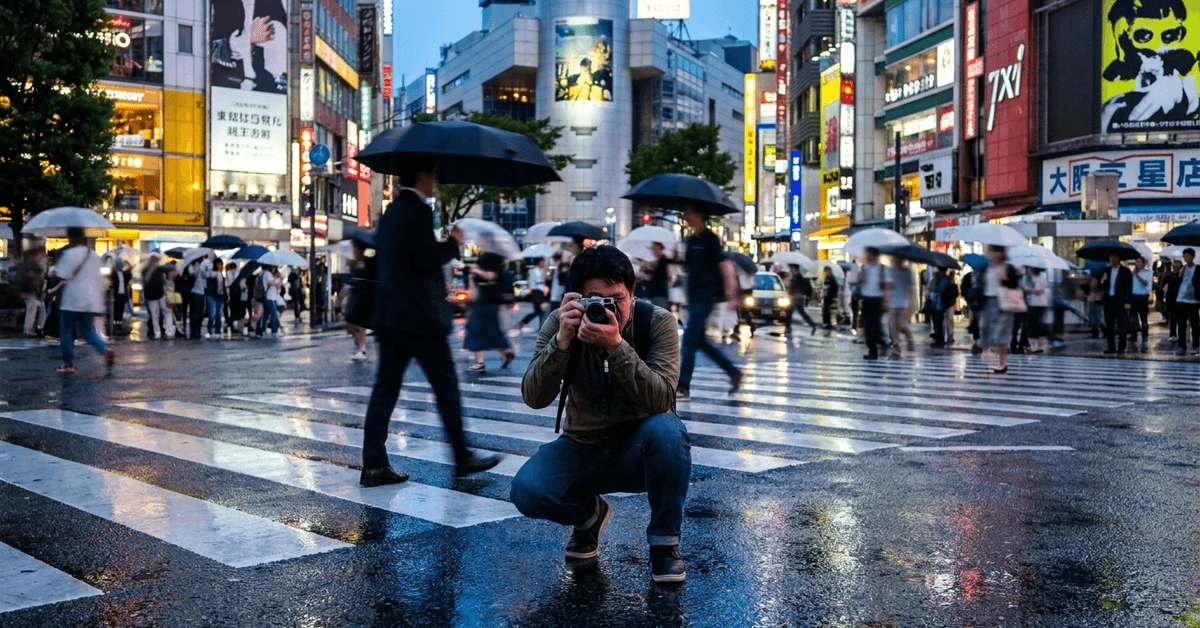
    Urban weather is famously unpredictable. One moment, the sun breaks through. The next, rain falls or wind picks up suddenly.

    Navigating this can be frustrating. However, versatile outfit choices help city dwellers stay both comfortable and stylish.

    Understanding Unstable City Weather

    Major cities like London, New York, and Paris often experience sudden climate changes.

    Image 1

    Temperature fluctuations and quick showers are common throughout the day.

    Why City Weather Shifts Quickly

    Tall buildings create wind tunnels, which accelerate changing weather patterns.

    Reflective surfaces increase heat, while packed concrete slows down temperature stabilization.

    Essential Weather Apps for City Residents

    • AccuWeather: Offers minute-by-minute rain alerts.
    • Weather Underground: Provides hyper-local reports from neighborhood sensors.
    • Dark Sky: Recognized for precise microclimate tracking (may be regionally restricted).

    Regularly checking these tools helps plan outfits for shifting conditions.

    Building a Versatile Urban Wardrobe

    Choosing adaptable layers is the foundation for handling unstable weather.

    Lightweight layering pieces and weather-resistant accessories are consistently useful.

    The Art of Layering

    • Base layer: Breathable t-shirt or thin long sleeve for airflow.
    • Mid-layer: Button-down shirt, cardigan, or sporty pullover for insulation.
    • Outer layer: Packable rain jacket or windbreaker with water resistance.

    This method allows easy adjustment on the go. Shedding or adding layers suits changing conditions.

    Fabric Choices That Adapt

    • Merino wool regulates temperature and resists odors well.
    • Cotton blends offer comfort but may stay wet if soaked.
    • Technical synthetics dry quickly and repel light moisture.

    Outfits built around these fabrics hold up better when weather turns.

    Practical Outfit Examples for Real Cities

    Climate varies by city. Looking at typical scenarios offers valuable guidance.

    Rainy Day in London

    • Base: Soft, fast-drying top.
    • Outer: Compact umbrella and longer trench coat for sudden rain.
    • Shoes: Waterproof Chelsea boots for sleek style and dry feet.

    Variable Spring in New York

    • Base: Short-sleeved shirt with moisture-wicking fabric.
    • Mid: Athletic zip-up hoodie for mild chill in the air.
    • Outer: Foldable shell jacket with a hood in backpack or tote.
    • Shoes: Sneakers designed with water-repellent uppers.

    Windy Afternoons in Chicago

    • Base: Slim-fit turtleneck or t-shirt.
    • Mid: Thin fleece vest for insulation without bulk.
    • Outer: Lightweight, lined bomber jacket to block wind.
    • Shoes: Closed-toe loafers, ideally weatherproofed.

    Accessories That Transform Outfits Instantly

    Right accessories help large temperature swings or unexpected drizzle pass almost unnoticed.

    Top Functional Accessories

    • Pocket-size umbrella: Fits neatly in city bags.
    • Convertible scarves: Serve as wraps for sun or chilly air.
    • Compact beanies or hats: Shields from sudden weather changes.
    • Gloves with touchscreen fingertips: Practical for cold commutes.
    • Roll-up tote bags: Carry spare layer or shoes when unpredictable weather strikes.

    App Solutions for On-the-Go Outfit Planning

    Digital tools help with daily planning when you want to avoid weather-related surprises.

    • Cladwell: Personalizes outfit options using your wardrobe photos and real-time forecasts.
    • Stylebook: Organizes clothing inventory for faster outfit decisions by tracking combinations and usage.
    • Vivino (for umbrellas) : Sends reminders when rain is likely, helping prevent forgotten gear.

    Adaptation Strategies for City Commuters

    Urban commutes often mean moving through microclimates (e.g., subway heat, street wind).

    Multi-functional gear bridges the gap between practical comfort and city style.

    Tips for Multi-Environment Adaptability

    • Keep a foldable raincoat or thin puffer in your everyday bag.
    • Choose shoes that look sharp but have non-slip soles and weather resistance features.
    • Consider UV-blocking sunglasses for both bright and overcast moments.

    Sometimes one accessory, like a versatile scarf, changes everything in a surprising downpour or chilly wind.

    Layering Mistakes to Avoid with City Outfits

    Layering is one of the best ways to stay comfortable during changing weather, but choosing the wrong clothing combinations can leave you feeling too hot, too cold, or uncomfortable throughout the day. 

    A few simple adjustments can improve both comfort and practicality.

    Avoid Common Layering Mistakes

    Relying only on cotton layers may not be ideal because cotton absorbs moisture and dries slowly, leaving clothing damp after rain or heavy activity. Bulky coats can also become inconvenient when using public transportation, visiting cafés, or shopping. 

    Instead, choose lightweight layers that are easy to remove and carry. Do not forget a water-resistant jacket or compact rain shell if afternoon showers are possible. 

    Footwear also matters, as shoes with poor grip can become slippery on wet sidewalks and paved streets.

    Plan Ahead Before Leaving

    Check the weather forecast before heading out and pack light extras that fit easily into your bag. 

    A foldable umbrella, compact jacket, or lightweight scarf can help you adapt quickly to changing conditions while keeping your outfit practical and comfortable throughout the day.

    Wardrobe Maintenance and Hygiene for Variable Weather

    Unpredictable weather can expose clothing to rain, humidity, sweat, and sudden temperature changes. Regular maintenance helps garments stay fresh, comfortable, and functional while also extending their useful life. 

    Creating a simple care routine is especially helpful for frequently worn outerwear, technical fabrics, and layered clothing.

    Clean Technical Fabrics Carefully

    Wash waterproof jackets, activewear, and other technical materials with a gentle, fragrance-free detergent. 

    Strong products, bleach, and fabric softeners may leave residue or affect moisture-wicking and water-resistant finishes. Follow each garment’s care label and use a delicate cycle when recommended.

    Dry Rainwear Completely

    Never store damp coats, umbrellas, or rain trousers immediately after use. Hang them in a well-ventilated area until fully dry to prevent musty odors, mildew, and fabric damage. Check pockets, cuffs, and inner linings, as moisture can remain hidden in these areas.

    Refresh Clothing Between Washes

    Mid-layers such as cardigans, sweaters, and light jackets may not require washing after every wear. Air them out and use a light fabric refresher spray when suitable. This can reduce unnecessary washing and help garments last longer.

    Rotate and Air Out Footwear

    Avoid wearing the same shoes every day during wet weather. Rotating footwear gives each pair enough time to dry, air out, and recover its shape. Remove damp insoles when possible and store shoes in an open, ventilated space.

    Table: Essential Versatile Items for City Weather

    Item  Main Feature 
    Packable rain jacket  Water-resistant and ultra-light 
    Merino wool t-shirt  Temperature control and odor resistance 
    Convertible scarf  Sun, wind, and warmth solution 
    Water-repellent shoes  All-day comfort and dry feet 
    Pocket umbrella  Instant rain protection 

    Conclusion

    Adapting to unstable urban weather is often about smart preparation as much as style. Versatile outfits simplify transitions from unpredictable rain to glaring sun or wind on the same day. 

    With the right layering choices, fabric blends, apps, and accessories, city residents find themselves ready for almost anything. 

    While personal tastes matter, practical outfits that adapt to ever-changing weather become the backbone of comfortable city living. For those keen on thriving in city life, investing in a flexible, functional wardrobe truly pays off.

  • Urban Photography: How to Capture the Essence of City Life

    Urban Photography: How to Capture the Essence of City Life

    Urban photography stands at the intersection of artistry and observation. For many city dwellers and travelers, there’s something magnetic about capturing the busy rhythm of urban landscapes. 

    Whether in New York, Tokyo, or Amsterdam, documenting city life creates a unique perspective on everyday moments.

    This guide is designed for aspiring and seasoned city photographers seeking practical ways to elevate their craft. It covers the essential steps, from composition to editing, using readily available tools and techniques for compelling, authentic images.

    What Makes Urban Photography Unique?

    Cities are dynamic environments where light, movement, and architecture combine in powerful ways. Photographing urban life means working with ever-changing subjects, unpredictable crowds, and varied light conditions throughout the day.

    Image 1

    The fleeting expressions of commuters, architectural contrasts, or shifting weather patterns all play a role in shaping every frame. Those moments rarely repeat themselves exactly as before.

    Core Skills for Capturing City Life

    Observation and Timing

    Vigilance is perhaps the central skill for any urban photographer. Watching for interactions, fleeting gestures, or dramatic light can turn the ordinary into something noteworthy.

    A useful approach involves waiting at busy intersections or plazas where people and traffic converge. Observing patiently often rewards you with genuine urban moments.

    Choosing the Best Locations

    Every city offers its own hotspots. Classic sites like Paris’s Rue de Rivoli or London’s Brick Lane often teem with narrative scenes. Yet, quieter alleys and local neighborhoods may reveal equally engaging material, especially early in the morning.

    • Transit stations (especially during rush hour)
    • Marketplaces (open-air or indoor)
    • City parks and urban waterfronts
    • Historic districts with distinct architecture

    Experimentation across locations helps refine your eye for scenes that feel unmistakably urban.

    Compositional Techniques

    Strong urban photos typically have a clear focal point and use lines or framing elements to guide the viewer. Alleyways, windows, or overpasses often provide natural frames.

    • Leading lines created by streets or building edges
    • Reflections in shop windows or puddles
    • Contrasts between old and new structures
    • Inclusion of people to show scale or interaction

    Testing different vantage points and angles can dramatically shift a photo’s impact.

    Essential Gear and Tools for Urban Photography

    Camera Selection

    While high-end DSLRs perform well, many urban photographers prefer compact cameras or smartphones for discretion and agility. Popular options include the Fujifilm X100V and recent iPhone models.

    Carrying lightweight gear often enables longer shoots and more spontaneous image capture, which is especially valuable in crowded areas.

    Lenses for City Scenes

    Wide-angle lenses (24mm to 35mm) excel at capturing architecture and street panoramas. A 50mm prime lens, though classic, works well for portraits or tighter scenes.

    • Sony 24mm f/1.4 GM
    • Canon RF 35mm f/1.8 Macro IS STM

    Using just one or two primes often encourages more thoughtful composition.

    Essential Smartphone Apps

    Post-processing apps help enhance urban photos quickly, even while on location. Snapseed is consistently favored for its editing precision on mobile devices.

    • Lightroom Mobile (for color grading and RAW edits)
    • VSCO (creative filters and film effects)
    • TouchRetouch (removing distractions)

    How Light Shapes Urban Images

    Golden Hour and Blue Hour

    Natural light affects every city photograph. Early morning and late afternoon (golden hour) provide soft, flattering illumination and dramatic shadows.

    The blue hour, just before sunrise or after sunset, bathes city streets in cooler tones and highlights illuminated windows or streetlights.

    Nighttime City Photography

    Shooting at night introduces new creative options. Neon signs, headlight streaks, and reflective surfaces enhance visual interest after dark.

    However, a tripod or smartphone with Night Mode is often essential for avoiding motion blur in low-light conditions.

    Ethics and Legal Considerations

    Respecting Privacy

    Photographing people in public is legal in most cities, provided images are not used for commercial purposes without consent. Sensitivity and respect are important, especially in residential neighborhoods.

    When in doubt, asking for permission or offering a copy to the subject fosters goodwill.

    Permits and Restrictions

    Certain areas, such as museums or major transport hubs, may restrict photography altogether. Local regulations sometimes require permits for professional work or tripod use.

    Checking city-specific rules before heading out helps avoid misunderstandings.

    Editing and Storytelling

    Establishing a Visual Story

    A compelling series of photos often shares a unifying theme or color palette. The narrative could focus on a single district, a particular mode of city transport, or daily life in different weather conditions.

    Organizing images chronologically, or by mood, tends to strengthen the overall message. Creating a digital album or short photo essay makes it easier to share your work with websites like Instacitizen.com.

    Popular Editing Techniques

    Subtle color corrections, contrast tweaks, or selective cropping help emphasize the energy or personality of a city scene. Using Lightroom’s graduated filter tool can highlight dramatic skies or isolate specific colors against a busy background.

    • Adjusting exposure to reveal details in shadows
    • Boosting saturation for neon signs or murals
    • Converting images to black and white for timeless appeal

    Tips for New Urban Photographers

    • Arrive early or stay late for the best natural light
    • Keep gear minimal and accessible for spontaneous shots
    • Research neighborhoods on Google Maps before visiting
    • Look for candid expressions or interactions that define city life
    • Practice shooting from the hip to capture genuine moments unobtrusively

    Reflection on intent is helpful: Are you hoping to convey energy, solitude, or cultural diversity? Revisiting favorite locations on different days may yield completely new perspectives.

    City Examples That Inspire

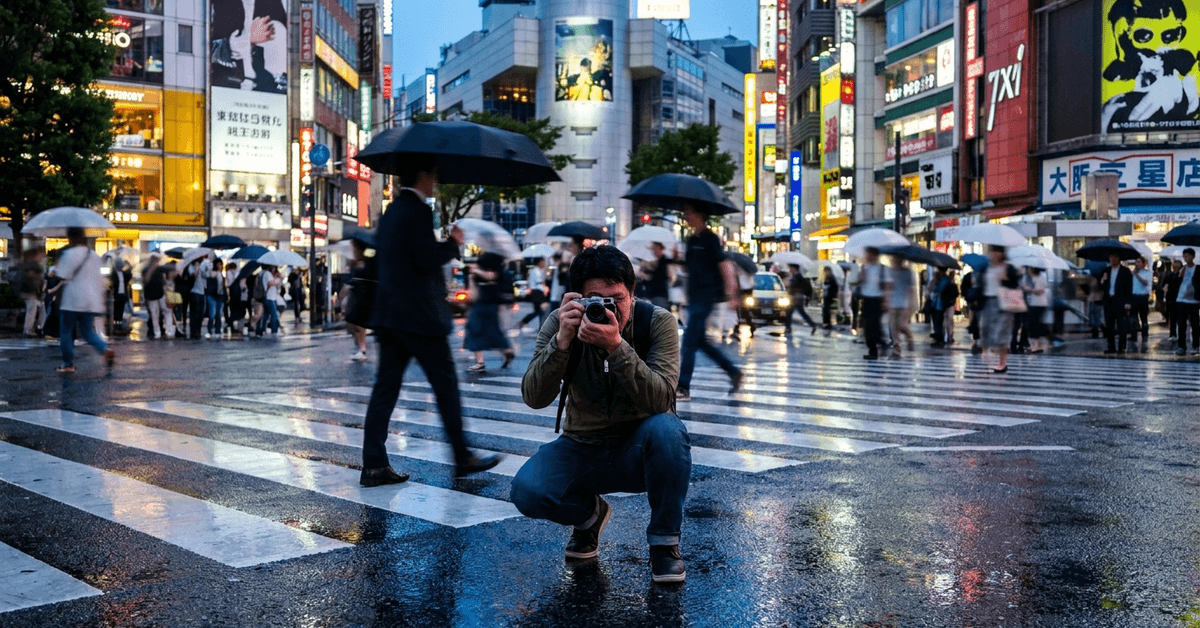
    Each city offers its own atmosphere and traditions. For example, Tokyo’s Shibuya Crossing is world-famous for crowd shots, while Amsterdam’s canal districts create atmospheric reflections at dusk.

    • New York City: SoHo architecture and subway portraits
    • Lisbon: Alfama district’s staircases and tiled walls
    • Singapore: Contrasts between old shophouses and modern towers

    Studying images taken by others in the same city can spark ideas, but seeking out personal viewpoints leads to more distinctive images.

    Quick Summary Table: Urban Photography Essentials

    Aspect  Recommended Approach  Primary Tool 
    Composing Shots  Use leading lines and natural frames  Camera grid overlay 
    Editing  Color correction, exposure balance  Lightroom, Snapseed 
    Travel Planning  Check light conditions and access  Google Maps/Sun Surveyor 
    Sharing Photos  Curate series or themes  Instagram/Website Gallery 

    Conclusion: Bringing the City’s Spirit to Life

    Urban photography is a creative journey shaped by exploration and personal reaction to the places we visit. Each photo captures a version of city life that might otherwise go unnoticed.

    Success depends on patience, respect for the environment, and the willingness to adapt to changing light or movement. Tools and techniques are important, but an open mindset is what truly unlocks the visual stories hidden in every street and plaza.

    Experimenting regularly, studying the work of others, and reflecting on your own unique perspective will reveal new layers of urban environments. The most memorable photos are often those shaped by curiosity, instinct, and everyday presence.

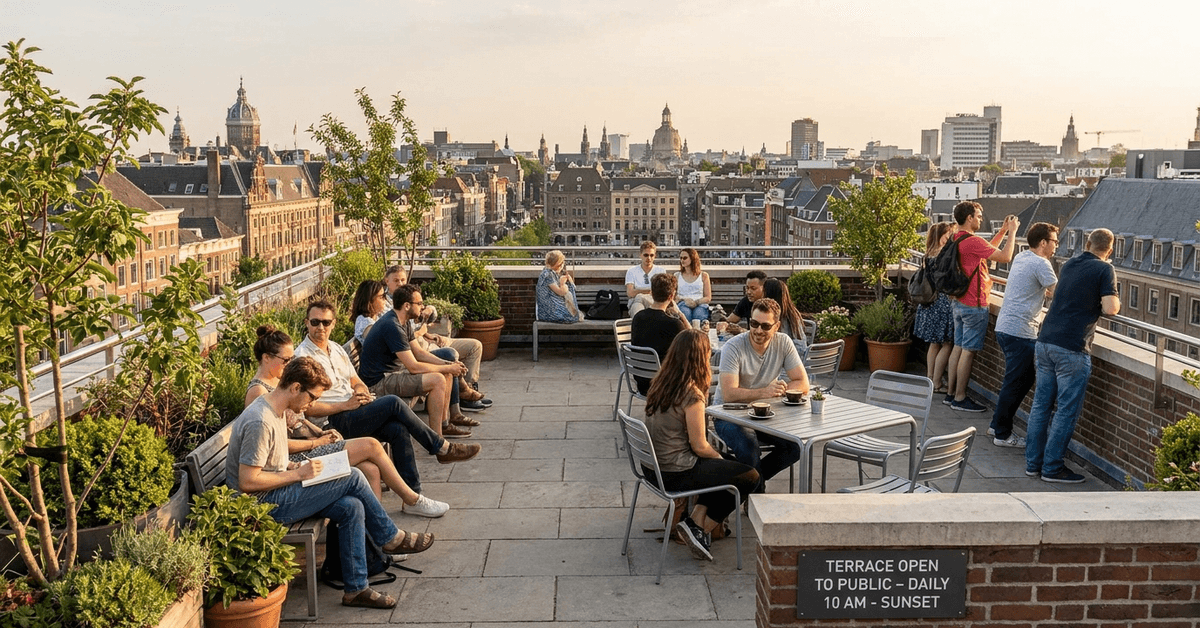
  • The Best Rooftop Views Open to the Public for Free

    The Best Rooftop Views Open to the Public for Free

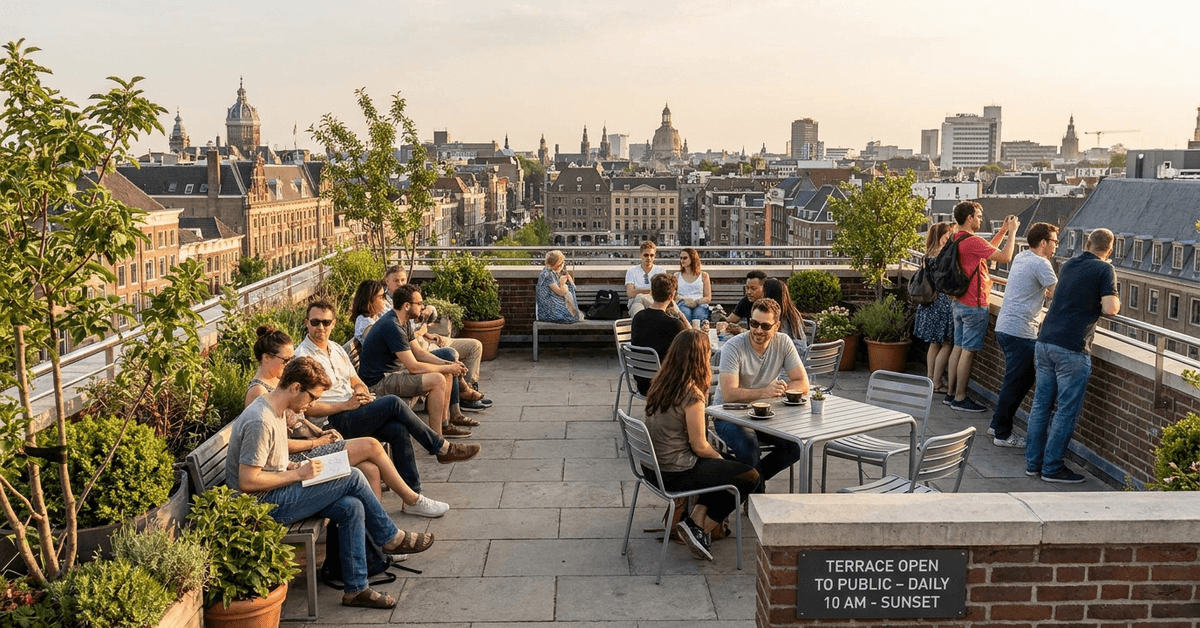
    Nothing compares to the thrill of reaching a rooftop and seeing a city unfold beneath you. For many, these panoramic sights feel exclusive, yet free public rooftops are more common than most realize.

    Urban explorers, travel lovers, or even local residents enjoy these vantage points for relaxation, inspiration, or photography. The key benefit: skyline magic, with zero entry fees.

    Why Free Rooftop Views Matter for City Lovers

    Many people want to experience cityscapes up close but not everyone wishes to spend on pricey observation decks. Free rooftops serve as a fantastic equalizer.

    The Best Rooftop Views Open to the Public for Free

    Access to public rooftops encourages a sense of belonging, allowing anyone to enjoy beautiful city lights or sunsets regardless of budget.

    Types of Rooftop Spaces Open to the Public

    Civic Buildings and Libraries

    Some municipal buildings, central libraries, or town halls offer rooftop access. These spaces are designed for community use and tend to be safe and secure.

    • Example: Arup Headquarters in London often opens its sustainable garden rooftop during public events.
    • Main libraries in cities like Seattle and San Francisco allow visitors on upper outdoor terraces, free for cardholders.

    Museums and Cultural Centers

    Several museums feature rooftop gardens and viewing decks, often accessible without a paid ticket, especially during certain hours or exhibitions.

    • Madrid’s Círculo de Bellas Artes allows limited free rooftop hours.
    • Tokyo’s National Art Center galleries sometimes open their green roofs to the public.

    Shopping Centers and Department Stores

    Major shopping malls frequently feature rooftop terraces as part of their design, offering open seating and city views.

    • Paris’s Galeries Lafayette rooftop is famous for its skyline panorama, open to shoppers year-round.
    • Malls in Singapore, such as VivoCity, offer spacious upper terraces open for all visitors.

    Best Cities for Free Public Rooftop Views

    London

    London boasts numerous accessible rooftops. The Sky Garden is perhaps the best-known, with advance booking often free and open to public visitors for scenic photos or quiet moments.

    The Tate Modern’s Switch House terrace offers an expansive perspective over the Thames, open during gallery hours.

    New York City

    NYC offers creative rooftop hunts. Public parks on top of buildings, such as the High Line’s 10th Avenue Square or the rooftop at the Rockefeller Center’s Channel Gardens, reveal stunning skyscraper views for no cost.

    Berlin

    Berlin’s new central library at Humboldt Forum provides a large terrace. It welcomes students and travelers without entry fees, arguably the best cityscape view in the German capital.

    Sydney

    In Sydney, the Overseas Passenger Terminal rooftop (during public events or cruise arrivals) is sometimes accessible for free. Visitors glimpse the Opera House and Harbour Bridge at eye level.

    Apps and Tools for Finding Free Rooftop Access

    Locating free public rooftops can be time-consuming. Fortunately, straightforward digital solutions exist to make this easier.

    • Google Maps: Search for ‘rooftop terrace’ or ‘viewpoint’ filters to find real-time user reviews and photos.
    • Instagram’s location tags are helpful for scouting recent photos taken at rooftops, especially in urban centers.
    • Urban explorer forums such as Scouter or city-specific Reddit threads compile public access tips, ranked by popularity and updated regularly.

    Practical Steps for Discovering Free Rooftops in Any City

    Finding the right rooftop involves a mix of planning and on-the-ground exploration. Specific steps can increase your success rate and prevent wasted time.

    1. Start with city tourism offices or visitor centers, which are likely to know about accessible rooftops.
    2. Review online city guides and blog recommendations. Sites like Instacitizen.com often showcase unique, up-to-date options.
    3. Search event listings for open days or temporary exhibitions using Eventbrite or Meetup; some rooftops open exclusively for community workshops or markets.

    Safety and Etiquette on Public Rooftops

    Respecting rules and fellow visitors keeps these coveted spaces open for everyone. Observing structured guidelines is the simplest way to support community access.

    • Follow all posted signs and building regulations.
    • Remain in designated areas and avoid restricted zones, as venturing beyond allowed areas may result in closure.
    • Keep noise to a minimum. Many rooftops are connected to offices or residential quarters.

    Best Times to Visit for Fewer Crowds and Top Lighting

    Rooftop spaces often become busiest around sunset, weekends, and public holidays. Choosing the right visiting time can help you enjoy a calmer atmosphere while improving your chances of taking clear, well-lit photographs.

    Visit During Weekday Mornings

    Morning visits are usually quieter, especially from Monday to Friday. The light is often soft and even, which works well for architecture, skyline views, and portraits. Cooler temperatures can also make walking around the rooftop more comfortable.

    Try the After-Lunch Window

    The period between 2:00 and 4:00 p.m. may be less crowded than lunchtime or sunset. The surroundings remain bright, making it easier to see details and take sharp photos. 

    However, midday light can create stronger shadows, so changing your angle may improve the results.

    Prepare for Golden Hour

    Golden hour, shortly before sunset, creates warm light and dramatic city views. It is one of the most popular times to visit, so arrive early and remain patient when choosing a viewing or photography spot.

    How Rooftops Shape Urban Culture and Wellbeing

    Public rooftops offer more than impressive views. They provide valuable spaces where residents can relax, socialize, and escape the noise of crowded streets.

    Encourage Connection and Creativity

    Some rooftops host yoga classes, art walks, small performances, gardens, or community gatherings. These activities bring people together and make cultural experiences accessible to different age groups.

    Support Urban Wellbeing

    Accessible rooftop spaces can encourage reflection, reduce stress, and strengthen local pride. By combining fresh air, open views, and public programming, they become cherished resources that support community life and personal wellbeing.

    Conclusion

    Free public rooftops transform urban adventures, offering both respite and new perspectives for all, not just tourists seeking classic Instagram moments.

    By knowing where to search and respecting these venues, city dwellers and visitors discover spaces to pause, breathe, and connect with the city in a refreshingly genuine way.

    Whether planning an outing or looking for a quiet break, the world of free rooftop views ensures memorable sights and urban inspiration—without any financial barrier.

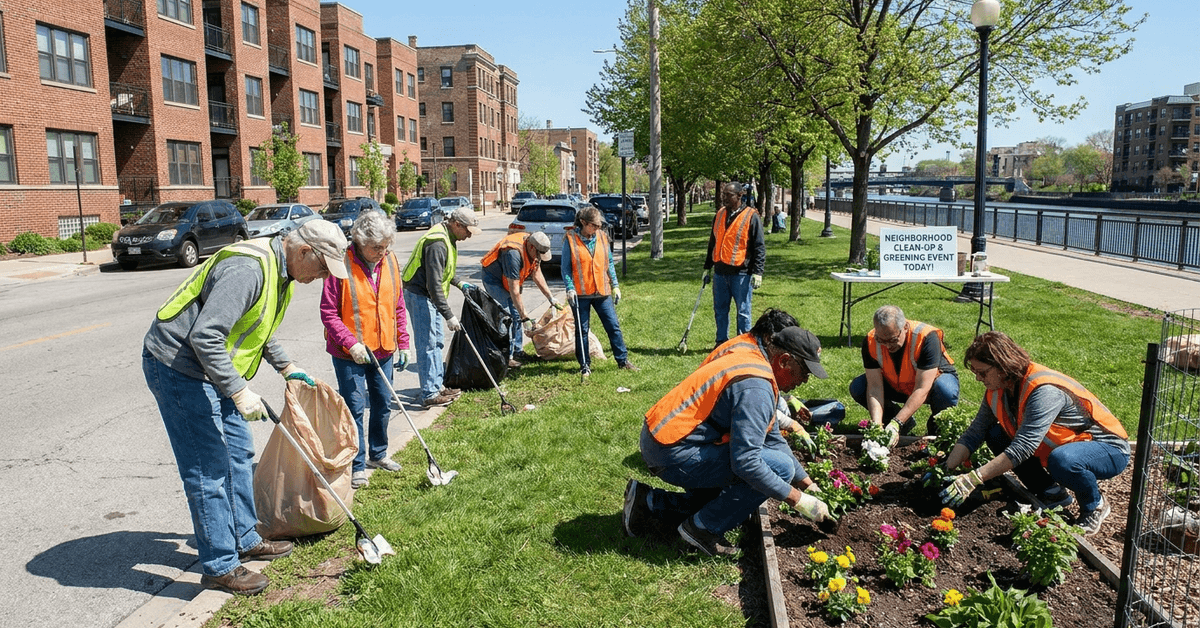
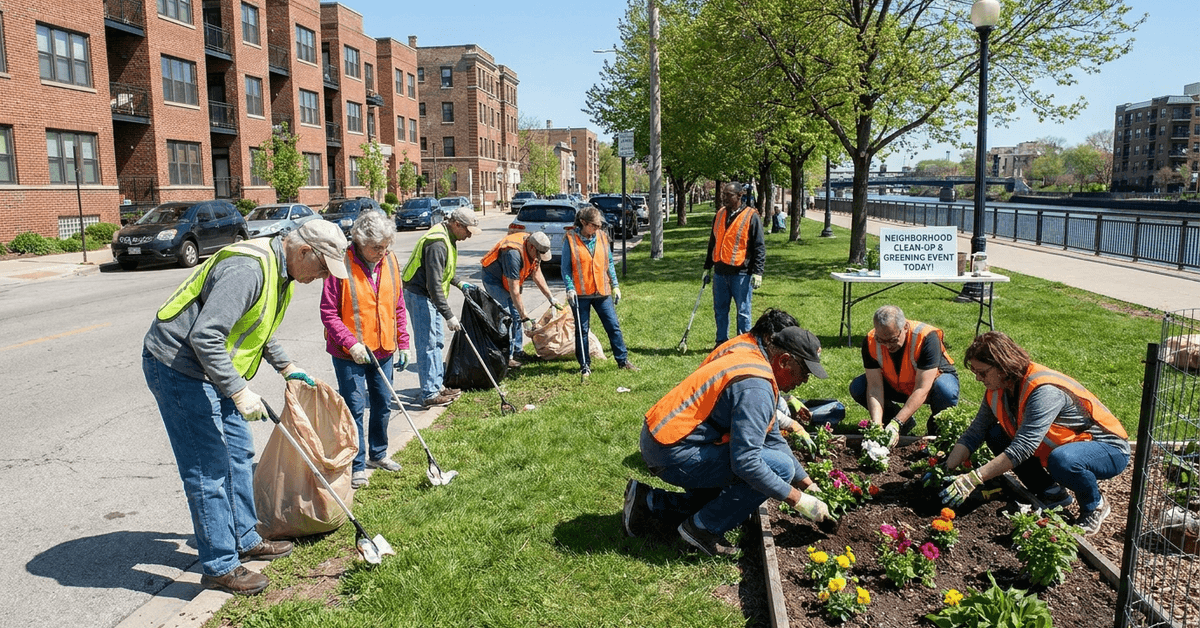
  • How to Participate in Local Community Clean-Ups and Urban Volunteer Work

    How to Participate in Local Community Clean-Ups and Urban Volunteer Work

    Urban life moves quickly, but local communities thrive when residents come together for positive change. 

    Community clean-ups and urban volunteer work are practical routes to get involved. These initiatives suit anyone living in or near a city who wants to make a visible difference and foster safer, healthier neighborhoods.

    Why Join City Clean-Ups and Volunteer Projects?

    Urban volunteer work offers several direct benefits. Residents notice cleaner, safer streets. Local green spaces become enjoyable retreats. Neighbors develop a stronger sense of shared identity. 

    Some cities, like New York and Berlin, report reduced litter rates after active clean-up seasons. These activities also help build valuable networks, sometimes leading to unexpected job opportunities or personal connections.

    Types of Volunteer Opportunities in the City

    Street Clean-Ups

    Collecting litter or helping remove graffiti makes an immediate visual impact. Many areas organize recurring efforts, particularly in business districts or public parks. The most noticeable change is usually in city centers.

    How to Participate in Local Community Clean-Ups and Urban Volunteer Work

    River and Waterfront Clean-Ups

    Many urban areas, including London, Chicago, and Paris, feature riverbank or lakeside events. These often require waterproof gloves and boots. Even small actions, like pulling plastic from river edges, make a difference.

    Urban Gardening and Green Projects

    Some organizations transform unused city spaces into gardens. Volunteers help plant flowers, vegetables, or trees. 

    Not every city welcomes urban gardening equally, so research local regulations first. Projects in cities like Toronto or Copenhagen often partner with residents for maintenance.

    Charity Fundraising Runs or Food Distribution

    Many urban volunteer groups focus on helping vulnerable community members. Soup kitchens, clothing drives, and meal deliveries rely on reliable urban volunteers. Apps such as Olio match surplus food with volunteers who deliver it to people in need.

    Where to Find Clean-Up Events and Volunteer Programs

    Digital tools simplify finding events. National sites, city governments, and non-profits frequently list open opportunities. Here are some widely used resources:

    • Meetup: Search for groups hosting clean-ups, gardening, or urban service projects in your city.
    • VolunteerMatch: Allows filtering for location and project type across North America.
    • Cleanup groups on Facebook: Many cities have grassroots pages dedicated to litter-picking or improvement tasks.
    • City government websites: Major cities like Amsterdam or Sydney list official clean-up and volunteer calendars.

    Checking notice boards at local libraries or community centers often reveals smaller, hyper-local events.

    How to Sign Up and Prepare

    1. Select a project or event that matches your skills and comfort level. Review requirements carefully. Some clean-ups focus on specific age groups, or may need pre-registration.
    2. Register online when possible. Some groups accept walk-ins, but signing up in advance helps organizers plan supplies and logistics.
    3. Read any event instructions. You may need to bring gloves, trash bags, or reusable water bottles. Closed-toe shoes are advised, and sometimes high-visibility vests are provided on site.
    4. If you have questions, contact the event organizer. Most are happy to help—and this is also a good way to build rapport if you’re new.

    Essential Tools and Apps for Urban Volunteers

    A few mobile tools streamline involvement. Some increase safety or organizational impact:

    • Litterati app: Logs litter pickup with photos. Communities can track progress through leaderboards and data maps.
    • WhatsApp or Telegram: Many grassroots teams organize via group chats for last-minute updates.
    • Olio: Great for food share volunteers in various major cities.
    • MapMyRun: Useful if you join active volunteer events (like jogging clean-ups) to track your route and share with friends.

    Best Practices for Your First Community Clean-Up

    Joining a community clean-up is a simple way to improve your neighborhood while meeting people who care about the same area. A little preparation can make your first event safer, easier, and more enjoyable.

    Choose a Nearby Event

    Start with a clean-up close to home. A convenient location reduces travel time and makes it easier to participate again in the future.

    Arrive Early

    Plan to arrive 10 to 15 minutes before the official start. Organizers usually explain safety rules, assign areas, and distribute gloves, bags, litter pickers, or other supplies.

    Dress for the Conditions

    Wear comfortable clothing, sturdy closed-toe shoes, and weather-appropriate layers. Apply sunscreen if you expect to be outdoors for more than 30 minutes, and bring water for longer sessions.

    Work With Others

    Stay with a partner or small group whenever possible. This improves safety and creates natural opportunities to talk with other volunteers.

    Record the Results

    Take before-and-after photos without including identifiable people unless they agree. These images can show the clean-up’s impact and motivate others when shared by the organizing group.

    How to Stay Involved and Grow Your Impact

    Become a Regular

    Repeating your involvement builds confidence and trust with organizers. Returning volunteers often receive more responsibility or help coordinate future events.

    Share Your Progress

    Uploading photos to neighborhood forums or Instagram can inspire others. Seeing neighbors out there, especially familiar faces, motivates more participation than just posting flyers.

    Organize Micro Clean-Ups

    If no formal event exists, consider gathering two or three friends for a small block or street clean-up. Some apps help report issues or dump sites directly to city services. In San Francisco, for example, the 311 app lets users request abandoned waste pickups.

    Legal and Safety Considerations

    Community cleanups can improve public spaces, but participants should follow local rules and protect their personal safety. A few precautions can prevent injuries, legal problems, and unnecessary risks.

    Confirm You Have Permission

    Clean only on public land or in areas where the property owner has given clear permission. Entering private lots, construction zones, or restricted spaces without approval may be considered trespassing.

    Avoid Hazardous Materials

    Do not touch discarded needles, broken glass, chemicals, batteries, or unidentified containers. 

    These items may cause injury or exposure to harmful substances. Mark the location if possible and report the hazard to local sanitation services, park staff, or emergency authorities.

    Work During Safe Hours

    Daylight provides better visibility and makes it easier to notice traffic, uneven ground, or dangerous waste. Night cleanups should only take place with an organized group that provides supervision, lighting, and proper safety equipment.

    Review Local Requirements

    Some cities, especially in Europe, may require registration, emergency contact information, or volunteer insurance. Check the organizer’s instructions before participating and bring identification when requested.

    Conclusion

    Participating in local clean-ups and urban volunteer work is an accessible way to boost your neighborhood’s livability. 

    Even small contributions matter in the broader urban ecosystem. Regular involvement means cleaner streets, healthier parks, and stronger communities. 

    While the process can feel daunting at first, taking that first step—by signing up, showing up, and connecting with others—often leads to lasting positive change and a deeper sense of urban belonging.

  • Exploring Historic Cemeteries: Why They Are the City’s Quietest Parks

    Exploring Historic Cemeteries: Why They Are the City’s Quietest Parks

    Historic cemeteries quietly coexist with bustling city life. In the middle of urban intensity, these peaceful spaces offer a unique kind of park—one shaped by memory and heritage. 

    They invite both reflection and exploration in an environment rarely matched by other public spaces.

    Why Historic Cemeteries Feel Like Urban Parks

    Historic cemeteries differ from standard parks. Their design features winding pathways, ancient trees, and open grassy areas. These spaces invite gentle strolls and silent moments.

    Many of these sites double as green urban lungs. The mature landscaping attracts birds and butterflies. Mount Auburn Cemetery in Cambridge, Massachusetts, is often cited as an early model for this blend.

    Exploring Historic Cemeteries: Why They Are the City’s Quietest Parks

    Some even include benches and small gardens, just like traditional public parks. The difference is the atmosphere—quiet, contemplative, and often uncrowded.

    The Surprising Benefits of Visiting Historic Cemeteries

    Natural Calm and Solitude

    Urban noise fades inside cemetery gates. Visitors notice birdsong over traffic. It’s not unusual to find yourself alone, appreciating rare silence within the city.

    History at Your Fingertips

    Rows of monuments reveal the city’s stories. Exploring places like Highgate Cemetery in London brings you closer to pioneers, artists, and influential leaders.

    Unique Urban Ecology

    Some cemeteries nurture rare plants or wildlife. These green spaces often serve as informal nature preserves, fostering urban biodiversity that can be missing elsewhere.

    Unexpected Art and Architecture

    Many sites feature elaborate headstones, family mausoleums, and grand sculptures. The combination of stone and nature creates a living outdoor gallery.

    Cities With the Most Remarkable Historic Cemeteries

    • New Orleans: St. Louis Cemetery No. 1 
    • Paris: Père Lachaise Cemetery
    • Buenos Aires: La Recoleta Cemetery
    • Philadelphia: Laurel Hill Cemetery
    • Boston: Granary Burying Ground
    • London: Highgate Cemetery

    Each stands out for its own reason. Some are known for notable residents. Others draw attention for design or cultural events.

    How to Plan a Respectful Cemetery Visit

    Find Public Access Info

    Many historic cemeteries have open hours. Checking the official city or cemetery website is the best way to confirm hours and entry points.

    Apps like Find a Grave can offer maps, grave locations, and visitor guidelines.

    Follow Site Etiquette

    • Walk on established paths or roads.
    • Speak quietly and avoid loud music or phone calls.
    • Only photograph what is allowed per posted guidelines.
    • Leave headstones and decorations undisturbed.
    • Note: Picnicking, sunbathing, or playing sports is rarely allowed.

    Navigating the Space

    Older cemeteries may not have clear signage. Printed maps from visitors’ centers or digital wayfinding tools like Cemetery Map App (where available) help prevent confusion.

    Apps and Tools for Cemetery Exploration

    Several digital options make urban cemetery outings easier and more engaging. Some suggestions:

    • Find a Grave: Details, stories, and user photos for graves worldwide.
    • Google Maps: Useful for walking directions and identifying entrances.
    • Cemetery Map App: In select cities, this tool offers interactive navigation and plot details.
    • Audio Tours: Some cemeteries partner with apps like izi.TRAVEL to offer self-guided walking tours.

    Step-by-Step: Planning a Day Exploring a Cemetery Park

    1. Choose your destination based on proximity or historical interest.
    2. Check the official website for hours, tour options, and rules.
    3. Download a map or relevant app in advance (Wi-Fi may not always be strong onsite).
    4. Bring water and sunscreen for comfort, but leave food at home unless specifically permitted.
    5. Wear comfortable shoes suitable for uneven ground.
    6. Plan to spend at least an hour walking, reading markers, and pausing for reflection.

    Tips for Navigating with Respect and Safety

    Exploring a historic cemetery or memorial park can be meaningful, but visitors should remain aware of both personal safety and the importance of the site. Thoughtful planning helps create a calm experience without disturbing the grounds or other visitors.

    Visit During Daylight Hours

    Daylight makes pathways, signs, and monuments easier to see. It also reduces the risk of getting lost or entering an area that may close earlier than expected. Check official opening times before arriving.

    Consider Visiting With Someone

    Solo visits can feel peaceful, but bringing a friend may increase comfort, especially in large or unfamiliar cemeteries. Share your location and expected return time if you choose to explore alone.

    Watch for Uneven Ground

    Older sites may contain cracked paths, exposed roots, loose stones, or steep steps. Wear shoes with good grip and move carefully around monuments and landscaped areas.

    Leave the Site Undisturbed

    Take photographs only where permitted, and never remove flowers, stones, objects, or natural materials as keepsakes. Respect barriers, graves, and memorials so the site remains protected for families and future visitors.

    Legal and Ethical Guidelines for Urban Cemetery Visits

    Historic cemeteries are protected cultural spaces, not ordinary recreation areas. Visitors should treat them with care, follow local regulations, and remember that families may still use the grounds for mourning and remembrance.

    Respect the Purpose of the Site

    Walking, quiet reflection, historical learning, and respectful sightseeing are usually acceptable. 

    Activities such as loud celebrations, sports, picnics, or climbing on monuments may be prohibited or considered inappropriate. Always stay on marked paths and avoid touching fragile headstones or memorials.

    Follow Opening Hours

    Most urban cemeteries close before or shortly after sunset. Entering after hours without permission may be illegal, even when gates appear open. Some local authorities organize approved evening history tours, but independent nighttime visits are rarely allowed.

    Check Photography Rules

    Personal photography is often permitted, but policies vary by site. Commercial shoots, tripods, drones, and professional equipment may require written approval. 

    Avoid photographing funerals, mourners, or identifiable visitors without consent. When rules are unclear, check posted signs, visit the official website, or ask cemetery staff before taking photos.

    Enhancing Urban Life Through Quiet Spaces

    Cemeteries that function as public parks can offer a peaceful escape from crowded streets, traffic, and the constant movement of city life. 

    Their combination of mature trees, historic monuments, landscaped paths, and open space creates a setting unlike ordinary urban parks.

    Finding Calm and Perspective

    A quiet walk through these spaces can encourage reflection and provide a meaningful pause during a busy day. Visitors may also learn about local history while enjoying nature and architecture.

    Building a Deeper City Connection

    Spending even a short time in a calm, heritage-rich setting can change how people experience their surroundings. These peaceful visits may reduce stress and help residents feel more grounded, comfortable, and connected to the city they call home.

    Conclusion

    Historic cemeteries are more than burial sites. They represent quiet, contemplative parks right in the urban core. Visitors gain insight into the city’s past, enjoy moments of real calm, and discover architecture and wildlife.

    Choosing a historic cemetery for your next urban outing supports well-being, learning, and respect for heritage. Whether new or familiar, these spaces are waiting for thoughtful discovery, offering unique value to city residents and explorers alike.

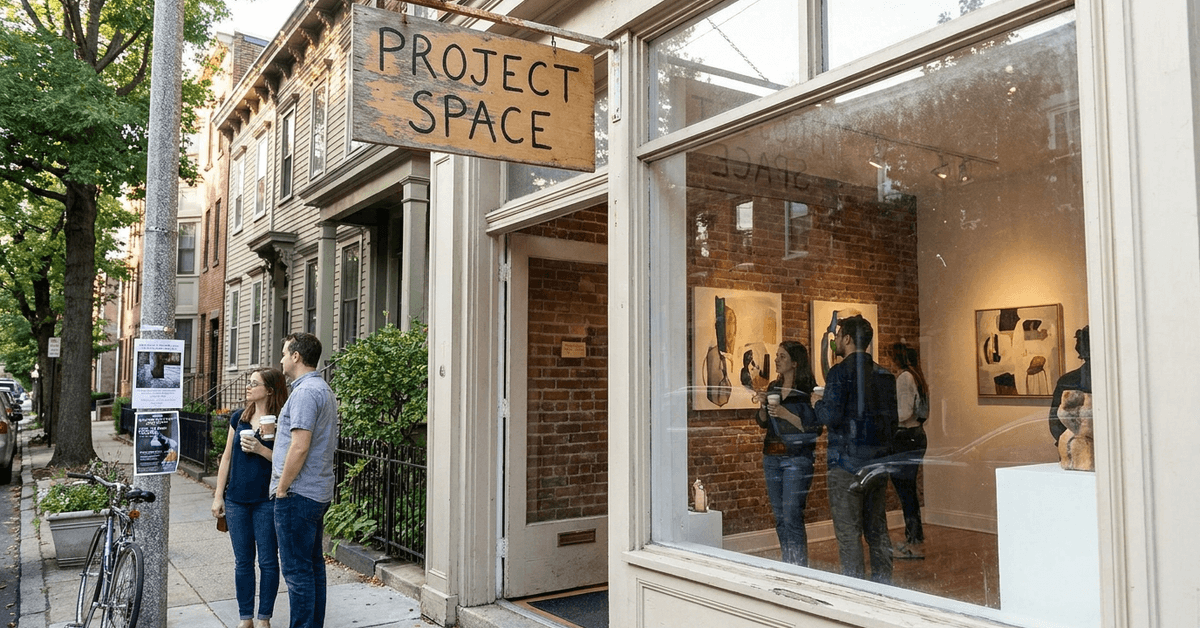
  • How to Discover Under-The-Radar Art Galleries in Your City

    How to Discover Under-The-Radar Art Galleries in Your City

    Sometimes the best art spaces are the ones that receive little attention from guidebooks or travel influencers. 

    Under-the-radar galleries often showcase emerging artists, experimental exhibitions, and neighborhood creativity that reflects the character of the local community.

    Exploring these galleries may seem intimidating at first, especially if you are unfamiliar with the city’s art scene. However, a little curiosity and the right research can reveal creative spaces that many visitors never discover.

    Why Explore Under-the-Radar Art Galleries?

    Large museums and internationally known galleries certainly deserve attention, but smaller venues often provide a very different experience. 

    Instead of navigating large crowds, visitors can enjoy artwork at a slower pace while learning directly from gallery owners or artists.

    How to Discover Under-The-Radar Art Galleries in Your City

    The intimate atmosphere is another advantage. Conversations with artists, curators, and other visitors happen naturally, making each visit feel more personal than a traditional museum experience.

    Defining an Under-the-Radar Gallery

    Not every small gallery qualifies as hidden. Some have become well known among collectors while remaining unfamiliar to tourists.

    Common characteristics include:

    • Little or no traditional advertising
    • Limited visibility on major travel websites
    • Locations outside busy tourist districts
    • Rotating exhibitions or pop-up programs
    • Artist-run or nonprofit management
    • Flexible opening hours

    Many hidden galleries occupy converted warehouses, upstairs studios, former retail spaces, or shared creative buildings. Their modest appearance can easily cause passersby to overlook them.

    Rather than focusing on commercial success, these venues often prioritize artistic experimentation and community engagement. That makes every exhibition feel unique.

    Understanding Your Local Art Scene

    Berlin is famous for artist collectives operating inside former industrial buildings. Los Angeles features warehouse galleries throughout its Arts District, while Melbourne is known for independent studios hidden among its laneways.

    Paris offers another excellent example. Neighborhoods such as Belleville contain clusters of independent galleries that regularly feature young contemporary artists alongside international exhibitions.

    Tokyo presents a different experience. Visitors often discover small galleries occupying upper floors above cafés, bookstores, or neighborhood shops. Many are accessible only through modest staircases with minimal signage.

    How to Find Hidden Art Galleries

    Discovering independent galleries usually requires combining several different approaches. Relying on a single search engine rarely uncovers everything happening in a city’s creative community.

    Leverage Specialized Apps and Maps

    General travel apps tend to prioritize famous museums. Dedicated art platforms often provide much better recommendations.

    ArtRabbit is widely used for discovering gallery openings, artist talks, and temporary exhibitions. Because it specializes in arts events, many listings feature independent spaces that larger travel platforms overlook.

    Culture Trip also recommends neighborhood galleries, artist studios, and cultural districts. Searching by city helps narrow recommendations to local venues.

    Follow Local Artists and Curators

    Instagram remains one of the best places to discover exhibitions before they officially open. Searching hashtags such as #LAGalleryScene, #BerlinArt, or your city’s creative tags often uncovers artists announcing new shows.

    Following curators can be equally valuable. They frequently share invitations to opening nights, studio visits, collaborative exhibitions, and community art events.

    Artist collectives also post temporary exhibitions that last only a few days. Missing these announcements often means missing the event entirely.

    Subscribe to Neighborhood Newsletters

    Many creative districts publish newsletters featuring upcoming exhibitions, artist interviews, gallery openings, and cultural festivals. These newsletters often highlight events long before they receive broader publicity.

    Universities, nonprofit arts organizations, neighborhood associations, and local museums frequently maintain mailing lists that introduce readers to independent galleries nearby.

    Checking these updates regularly helps visitors stay informed without constantly searching online.

    Explore Beyond Tourist Districts

    Creative communities often develop where rent is lower and artists have access to larger studio spaces. Former warehouse districts, historic neighborhoods, and mixed-use commercial areas commonly become artistic hubs.

    Walking through these neighborhoods encourages spontaneous discoveries. A gallery sign above a café or an open studio tucked inside a courtyard may lead to an unexpected exhibition.

    Allowing time for unplanned exploration often produces the most memorable experiences.

    Attend Gallery Openings

    Opening nights provide excellent opportunities to experience independent galleries.

    Artists are frequently present, making conversations about their work much easier than during busy museum exhibitions.

    Gallery openings may also include:

    • Artist talks
    • Live music
    • Small refreshments
    • Community discussions
    • Networking opportunities

    Visitors interested in learning about additional galleries often receive recommendations directly from artists or gallery staff.

    Explore Beyond Tourist Districts

    Some of the city’s most interesting galleries sit just outside well-known sightseeing areas. These neighborhoods often provide a more authentic view of the local creative scene.

    Look for Emerging Creative Areas

    Creative communities frequently develop where rent is lower and artists can access larger studio spaces. Former warehouse districts, historic neighborhoods, and mixed-use commercial areas often become artistic hubs.

    Leave Room for Spontaneous Discoveries

    Walking through these neighborhoods can reveal galleries that are easy to miss online. A sign above a café, an open courtyard, or a small studio entrance may lead to an unexpected exhibition.

    Allowing time for unplanned exploration often creates the most memorable experiences.

    Attend Gallery Openings

    Opening nights provide excellent opportunities to experience independent galleries in a more social setting.

    Meet Artists and Curators

    Artists are often present during opening events, making it easier to ask questions and learn about their work. Curators and gallery staff may also recommend similar spaces nearby.

    Enjoy Special Event Features

    Gallery openings may include:

    • Artist talks
    • Live music
    • Small refreshments
    • Community discussions
    • Networking opportunities

    These events can help visitors better understand the local art community.

    Connect With Local Creative Communities

    Creative communities often enjoy introducing newcomers to exhibitions, artists, and neighborhood events.

    Ask Local Creatives for Recommendations

    Independent bookstore staff, photographers, café owners, university art students, and museum volunteers may know about upcoming events before they appear online.

    Join Art Walks and Gallery Nights

    Neighborhood art walks provide an efficient way to visit several galleries in one evening. Many cities organize monthly events where venues stay open late and offer free admission.

    These gatherings help visitors meet people who regularly participate in the local arts scene.

    Follow Gallery Etiquette

    Independent galleries often feel quieter and more personal than large museums. Respectful behavior helps protect the artwork and creates a better experience for everyone.

    Observe Basic Visitor Guidelines

    Helpful practices include:

    • Speaking quietly
    • Asking before photographing artwork
    • Avoiding contact with installations unless interaction is encouraged
    • Respecting restricted areas
    • Following staff instructions

    Support Independent Spaces

    Purchasing a postcard, catalog, or small print can help support galleries operating with limited budgets.

    Stay Safe While Exploring

    Most independent galleries welcome visitors, but property boundaries and opening rules should always be respected.

    Confirm Public Access

    Only enter spaces that are clearly open to visitors. Some artist studios require appointments or operate during limited hours.

    Plan Evening Visits Carefully

    When visiting unfamiliar neighborhoods after dark, planning transportation in advance can make the trip more comfortable. Checking official websites or social media pages also helps confirm opening hours, event details, and temporary closures.

    Conclusion

    Under-the-radar galleries offer a rewarding alternative to crowded museums and famous cultural attractions. 

    They showcase emerging artists, encourage meaningful conversations, and provide insight into a city’s creative community that many visitors never experience.

    Specialized apps, artist networks, newsletters, and community events all contribute to discovering exhibitions that rarely appear in mainstream travel guides.

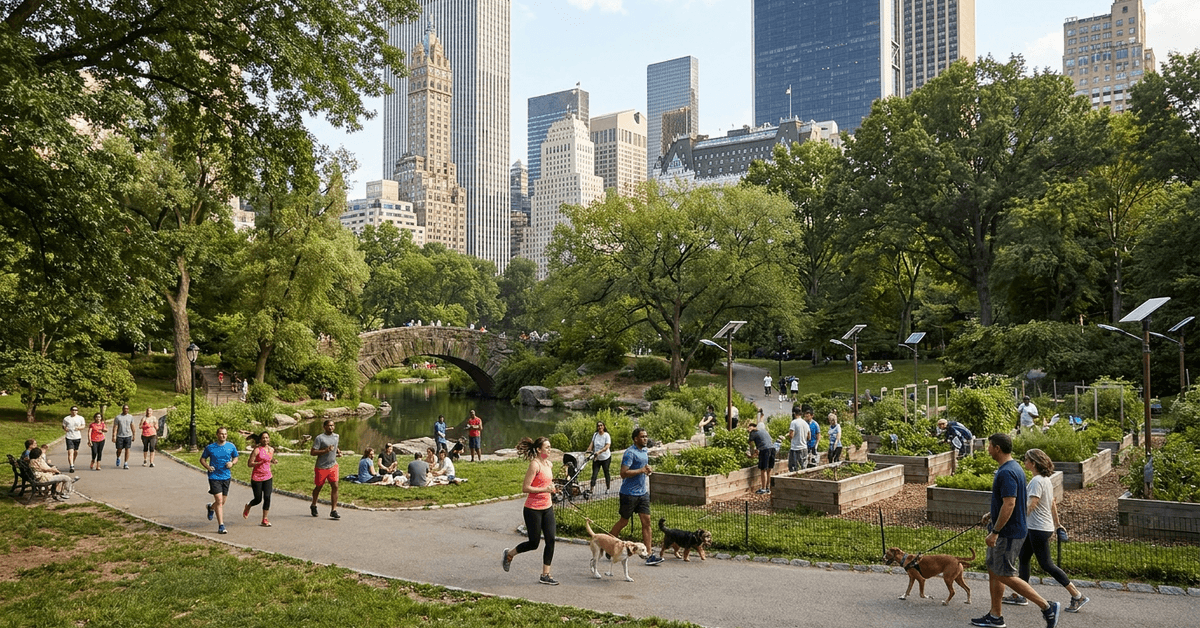
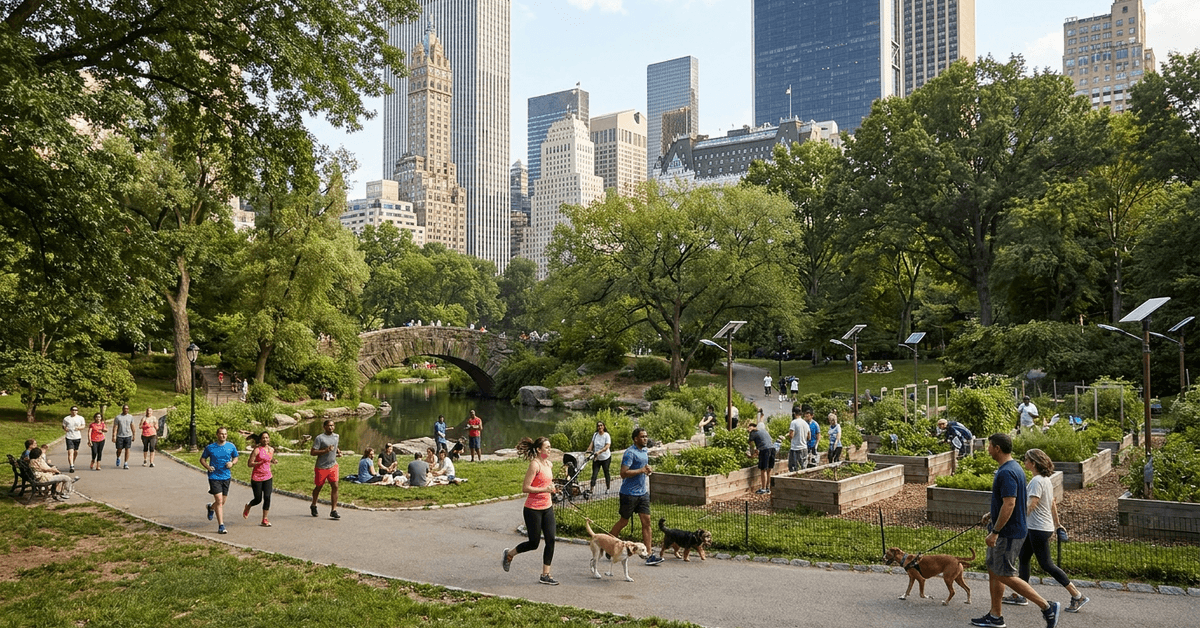
  • The History of City Parks: How Urban Green Spaces Came to Be

    The History of City Parks: How Urban Green Spaces Came to Be

    City parks are essential lifelines in crowded modern environments. For anyone interested in living well in the city, their story offers surprising insight into planning, daily life, and even public health.

    Parks weren’t always part of urban design. So, how did they become central to so many cities worldwide?

    The Origins of Urban Green Spaces

    City parks did not exist in most early urban areas. Ancient cities prioritized fortifications or markets, not green places.

    The History of City Parks: How Urban Green Spaces Came to Be

    Gardens in Greece and Rome were usually private, reserved for elites or temples. Most city dwellers had little public outdoor space.

    How Modern City Parks Began

    The concept of publicly accessible green areas was influenced by changing ideas in the 18th and 19th centuries. Industrialization brought pollution and overcrowding.

    Reformers noticed the impact on health and social life. Many advocated for non-commercial, open places where people could gather safely.

    The Birth of Central Park

    New York City’s Central Park became a model in 1858. Frederick Law Olmsted and Calvert Vaux led the project, transforming 843 acres into a refuge.

    They were inspired by landscapes in Europe but wanted a place for all residents. This idea spread rapidly as other cities saw the benefits.

    Paris and London Influences

    Paris’s Bois de Boulogne and London’s Hyde Park showed that public gardens could be prestigious and functional. They included walking paths, water features, and space for large crowds.

    Urban planners from around the world studied these parks. Many cities began converting royal or aristocratic land into open parks for everyone.

    Why City Parks Became Essential

    City parks became vital as urban populations grew and neighborhoods became more crowded. They offered fresh air, shade, open space, and places to rest, helping improve daily life for people from different social and economic backgrounds.

    Improved Urban Health

    During periods of rapid urban expansion, outbreaks of diseases such as cholera highlighted the dangers of overcrowding, poor sanitation, and limited access to sunlight. 

    Doctors, planners, and social reformers began promoting green spaces as a way to support public health. 

    Parks gave residents room to walk, breathe cleaner air, and escape polluted streets. These ideas influenced park designs that emphasized trees, broad paths, ventilation, and access to nature.

    Community and Recreation

    Parks also became important gathering places for concerts, public celebrations, sports, and family outings. They created shared environments where people from different communities could meet safely. 

    Walking paths, playgrounds, picnic areas, and open fields made parks useful for all ages. Today, they remain essential because they support wellness, recreation, and stronger community connections.

    Evolution Through the 20th Century

    Following early models, new park types emerged. Botanical gardens, wildlife reserves, and specialized playgrounds appeared in major cities.

    City growth created challenges for space. Designers adapted by making parklets and rooftop gardens.

    Parks in the Digital Age

    Urban planners now use data from city apps like ParkMobile to monitor capacity and maintenance. Residents can check amenities or event schedules in real time.

    Some cities launched open mapping projects. For example, the GreenMap System catalogs local green assets, helping residents discover new spots to visit.

    Global Examples of Iconic Urban Parks

    • Central Park (New York City): World-famous oasis offering everything from boating to concerts.
    • Hyde Park (London): A royal park with a long tradition of free speech and riverfront walks.
    • Stanley Park (Vancouver): Known for cycle routes, indigenous totem poles, and ocean views.
    • Ueno Park (Tokyo): Combines cultural attractions with seasonal cherry blossoms.
    • Tiergarten (Berlin): Bridges modern city life with forested trails and historic monuments.

    Technology and Sustainability in Parks Today

    Modern parks increasingly combine environmental design with digital tools to create cleaner, safer, and more engaging public spaces. Sustainable systems help reduce resource use, while technology improves maintenance and visitor experiences.

    Smarter Environmental Features

    Many new park projects use native plants, efficient irrigation, permeable surfaces, and solar-powered lighting. 

    These features can lower water and energy use while supporting local wildlife. Native landscaping may also require less maintenance than imported plant species.

    Technology for Park Management

    City agencies often use remote sensors to monitor waste bins, lighting, soil moisture, and water use. 

    These systems can help maintenance teams respond more quickly and avoid unnecessary service visits. Some parks also offer app-guided tours, digital maps, QR-code exhibits, or augmented reality games.

    Community Engagement Apps

    Nextdoor can help neighbors organize park cleanups, walking groups, or outdoor fitness sessions. Citymapper provides real-time transit directions to nearby parks. 

    Meetup can connect users with volunteer events, hobby groups, and community activities held in public green spaces. Together, these tools make parks easier to reach, maintain, and enjoy.

    Step-by-Step: How New Parks Are Created

    1. Identify Stakeholders: Involve city officials, local residents, and businesses in planning.
    2. Secure land and funding. This stage may depend on local taxes, grants, or private donations.
    3. Design for multi-use features: walking paths, play areas, and community gardens.
    4. Use technology for surveys and feedback. Platforms like SurveyMonkey gather preferences directly from residents.
    5. Plan for regular maintenance with dedicated crews and public participation days.

    Challenges and Trends for Future Urban Green Spaces

    Space is often limited, especially in older cities. Designers have become inventive, turning overlooked spaces into valuable green retreats.

    Examples include vertical gardens, pop-up parks, and reclaiming disused railways. The High Line in New York is a key case study.

    Equity and Accessibility

    Making parks accessible to everyone remains a concern. Some neighborhoods still lack green space within walking distance.

    Modern approaches emphasize universal design: ramps, wide paths, and clear wayfinding.

    Climate Resilience

    New parks often incorporate rain gardens and flood barriers. This improves stormwater management and urban cooling in hot weather.

    As climate challenges increase, city parks will likely be part of larger adaptation strategies.

    Conclusion: Why Urban Parks Remain Vital

    The growth of city parks reflects both changing social values and practical needs. They started as bold experiments in public design but evolved to serve central roles in health, community, and climate resilience.

    No matter the era, parks remain places where urban life can slow down and people can reconnect with nature. Their ongoing evolution suggests they’ll keep shaping cities for centuries to come.

  • 5 Waterfront Piers Turned Into Amazing Public Cultural Spaces

    5 Waterfront Piers Turned Into Amazing Public Cultural Spaces

    Waterfront piers are often seen as remnants of old industries. Yet, in recent years, many cities have transformed these spaces into cultural destinations. Travelers and locals find renewed value in these scenic spots.

    This article highlights five waterfront piers now reinvented as thriving public cultural spaces. Each serves as an example of how cities can bring new life to their shorelines. Urban explorers, families, and day trippers will find inspiration and practical details here.

    Why Cities Transform Waterfront Piers

    Piers often sit on prime land with great views. Historically, they supported trade, shipping, and local industry. As waterfronts evolved, many piers lost their economic roles.

    5 Waterfront Piers Turned Into Amazing Public Cultural Spaces

    Now, cities reclaim these sites as shared public assets. Such transformations encourage tourism, boost local business, and add recreational value. They also connect citizens with water—the heart of urban heritage.

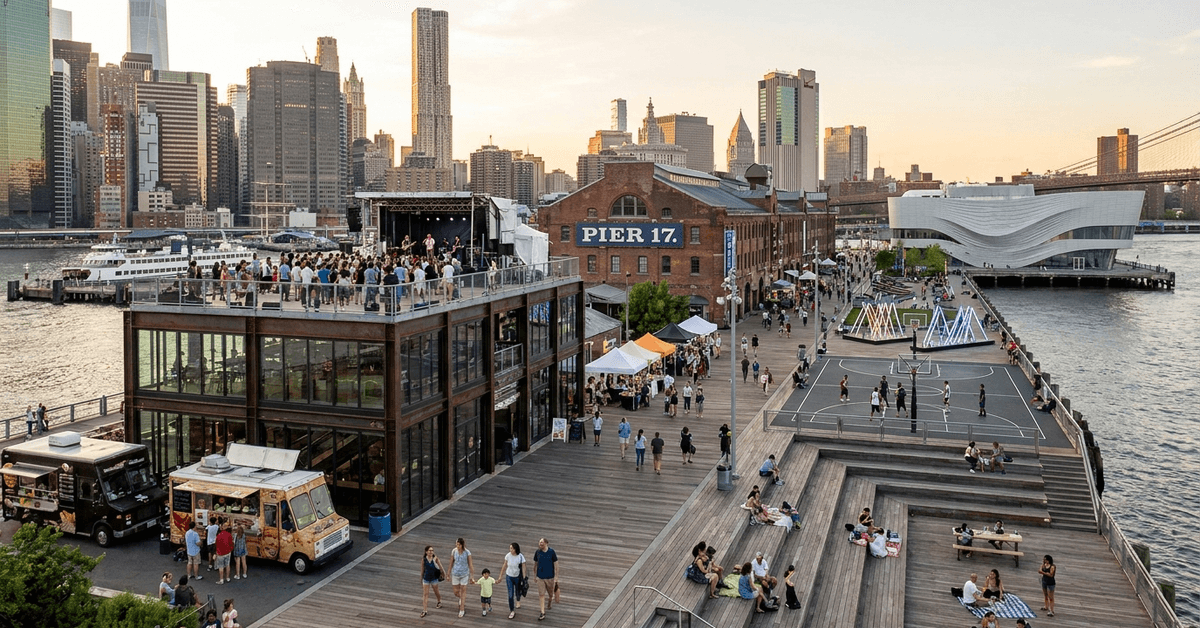
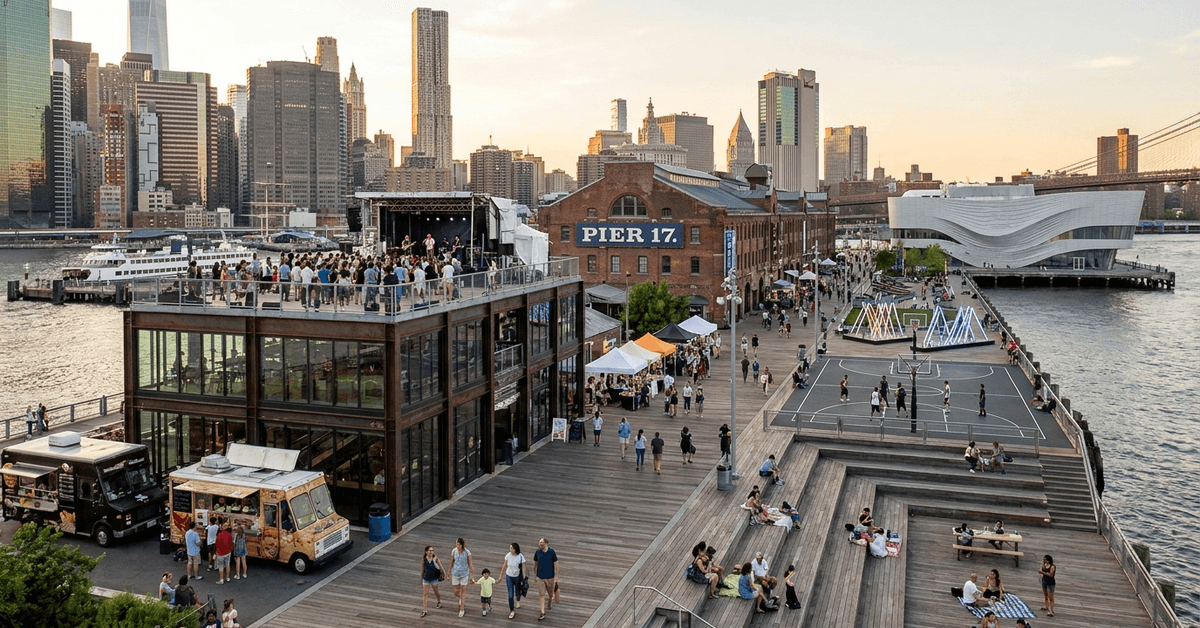
    Pier 17, New York City: From Shipping Hub to Event Landmark

    Once a vital part of South Street Seaport, Pier 17 was famous for goods arriving in Manhattan. Today, it serves as a destination for music, dining, and city festivals.

    Key Features

    • Rooftop concert venue with skyline views
    • Indoor market spaces and curated restaurants
    • Outdoor art installations and seasonal events

    How to Visit

    • The East River Esplanade connects to Pier 17. Walking and cycling paths are available.
    • NYC Ferry stops nearby for easy access from Brooklyn and Queens.
    • Free apps like Citymapper guide visitors using public transit routes.

    Pier 2, Toronto: A Sports and Leisure Playground

    Pier 2 in Toronto is part of the city’s wider waterfront revitalization. Instead of shipping containers, this spot offers active recreation right next to Lake Ontario.

    Key Features

    • Multi-use sports courts (basketball, roller skating, and more)
    • Outdoor fitness spaces and picnic lawns
    • Frequent live performance events during summer

    Real-World Tips

    • Parking is limited, so a strong option is to use Toronto Bike Share for easy movement.
    • Events are listed on the Waterfront Toronto website for accurate schedules.
    • Nearby food stalls accept contactless payment, making visits simpler.

    The Bund’s Public Wharf, Shanghai: Blending Heritage and Modern Culture

    Shanghai’s iconic Bund waterfront features multiple public piers. The best-known, The Bund Public Wharf, provides civic green space and cultural platforms amidst skyscrapers and history.

    Key Features

    • Scenic riverwalks with stunning night lighting
    • Open-air art shows and interactive sculpture gardens
    • Occasional water taxi departures for river tours

    Visitor Advice

    • Early mornings offer peaceful strolls and fewer crowds.
    • Translation apps like Pleco are helpful for non-Mandarin speakers.
    • Small cafés and kiosks provide both local snacks and international coffee chains.

    Pier 15, San Francisco: Science, Play, and Environmental Education

    Pier 15 was once overshadowed by its industrial neighbors. Now, it stands out as the home of the Exploratorium, one of the world’s most innovative science centers.

    What Makes It Unique

    • Hands-on science exhibits for all ages inside the Exploratorium
    • Public bayside decks with interactive outdoor installations
    • Stunning sunset views and regular public talks

    Insider Tips

    • Booking tickets online can prevent long wait times, especially weekends.
    • Use transit apps like MuniMobile for public bus and trolley schedules.
    • Day pass holders can leave and re-enter the science center for lunch or walks by the water.

    Pier Mauá, Rio de Janeiro: From Port to Festival Center

    In Rio de Janeiro, Pier Mauá has transitioned from a shipping dock to a dynamic venue for art and community events. Its transformation supports both locals and travelers seeking culture by the bay.

    Core Attractions

    • The Museum of Tomorrow, a renowned architectural and science site
    • Vast promenade for fairs, concerts, and street art
    • Food trucks and pop-up museums year-round

    Practical Visiting Tips

    • Weekday mornings are generally quieter for museum visits.
    • Apps like Moovit help plan city transport to this busy area.
    • Seasonal festivals bring large crowds, so checking event calendars is smart.

    Benefits for Urban Life and Day Trips

    Modern piers provide valuable public spaces for both residents and visitors. They combine recreation, culture, and waterfront access in one convenient destination, making them ideal for quick city outings or relaxed day trips. 

    Many also host free or low-cost activities throughout the year.

    Cultural and Community Experiences

    Public programming may include outdoor concerts, food festivals, seasonal markets, and international art exhibitions. 

    These events bring different communities together and allow visitors to experience local culture in an accessible setting. Historic piers can also help people reconnect with a city’s maritime heritage.

    Accessible Outdoor Spaces

    Many renovated piers include parks, seating areas, gardens, and viewing platforms designed for people of different ages and abilities. Families, older visitors, and travelers with limited mobility can often enjoy these spaces comfortably.

    Healthier Urban Lifestyles

    Waterfront paths encourage walking, jogging, and cycling while providing a break from busy streets. Spending time near the water can make exercise feel more enjoyable and less routine. 

    By combining movement, fresh air, and cultural attractions, modern piers support healthier habits while offering an affordable and rewarding way to explore the city.

    Choosing the Right Pier for Your Interests

    Not every pier offers the same experience. Some focus on entertainment, while others highlight science, history, public art, or family activities. Choosing a destination that matches your interests can make your visit more enjoyable and memorable.

    Match the Pier to Your Interests

    Music fans may enjoy venues such as Pier 17 in New York, where concerts and waterfront events are regularly held. 

    Families with children often prefer educational destinations like San Francisco’s Pier 15, which is known for its science-focused attractions. 

    Visitors interested in art and architecture may appreciate the Bund Wharf or Rio’s colorful mural walks and creative public spaces.

    Plan Your Visit

    Travel planning apps such as Rome2Rio and Google Maps can help you compare transportation options, travel times, and nearby attractions. 

    Reading recent visitor reviews on platforms like TripAdvisor may also reveal hidden viewpoints, local food recommendations, seasonal events, and practical tips that are not always mentioned in official guides. 

    Spending a few minutes planning ahead can help you create a more rewarding waterfront experience.

    Conclusion

    The rise of cultural public piers reflects a new urban focus on shared experience, creativity, and inclusivity. These spaces mix play, learning, and relaxation in settings that honor city heritage.

    Whether a local seeking weekend options or a curious traveler, cultural piers provide memorable urban day trips with scenic views, creative opportunities, and a true sense of place. 

    Exploring these reimagined spaces often leads to surprising encounters and a deeper connection with the city’s waterfront identity.