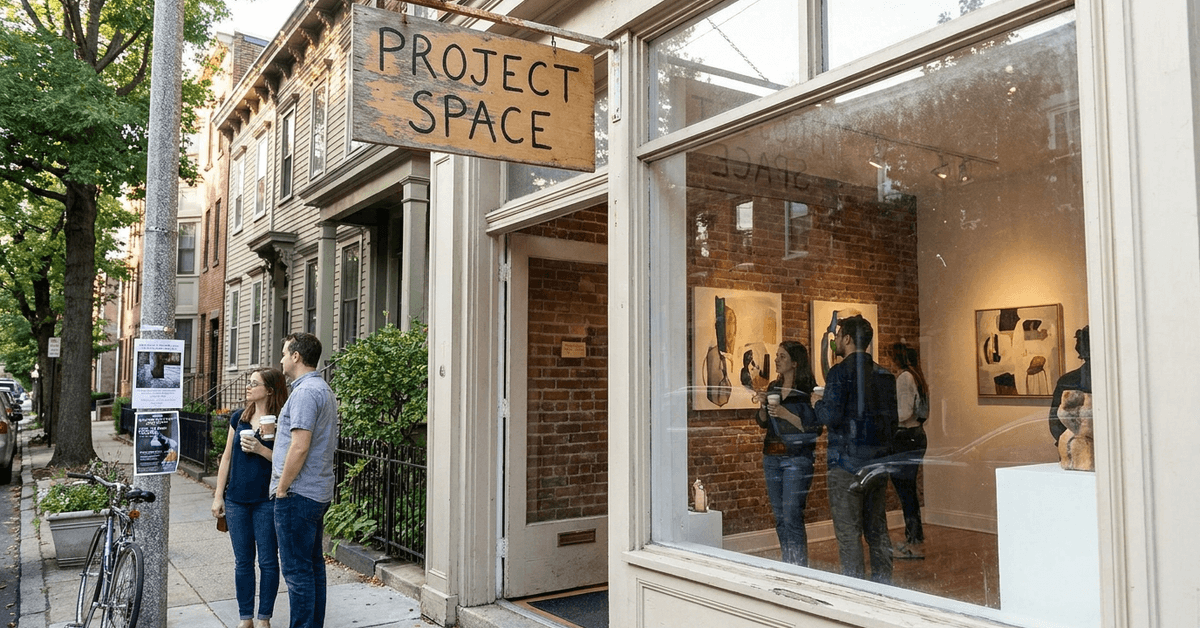
Sometimes the best art spaces are the ones that receive little attention from guidebooks or travel influencers.
Under-the-radar galleries often showcase emerging artists, experimental exhibitions, and neighborhood creativity that reflects the character of the local community.
Exploring these galleries may seem intimidating at first, especially if you are unfamiliar with the city’s art scene. However, a little curiosity and the right research can reveal creative spaces that many visitors never discover.
Why Explore Under-the-Radar Art Galleries?
Large museums and internationally known galleries certainly deserve attention, but smaller venues often provide a very different experience.
Instead of navigating large crowds, visitors can enjoy artwork at a slower pace while learning directly from gallery owners or artists.
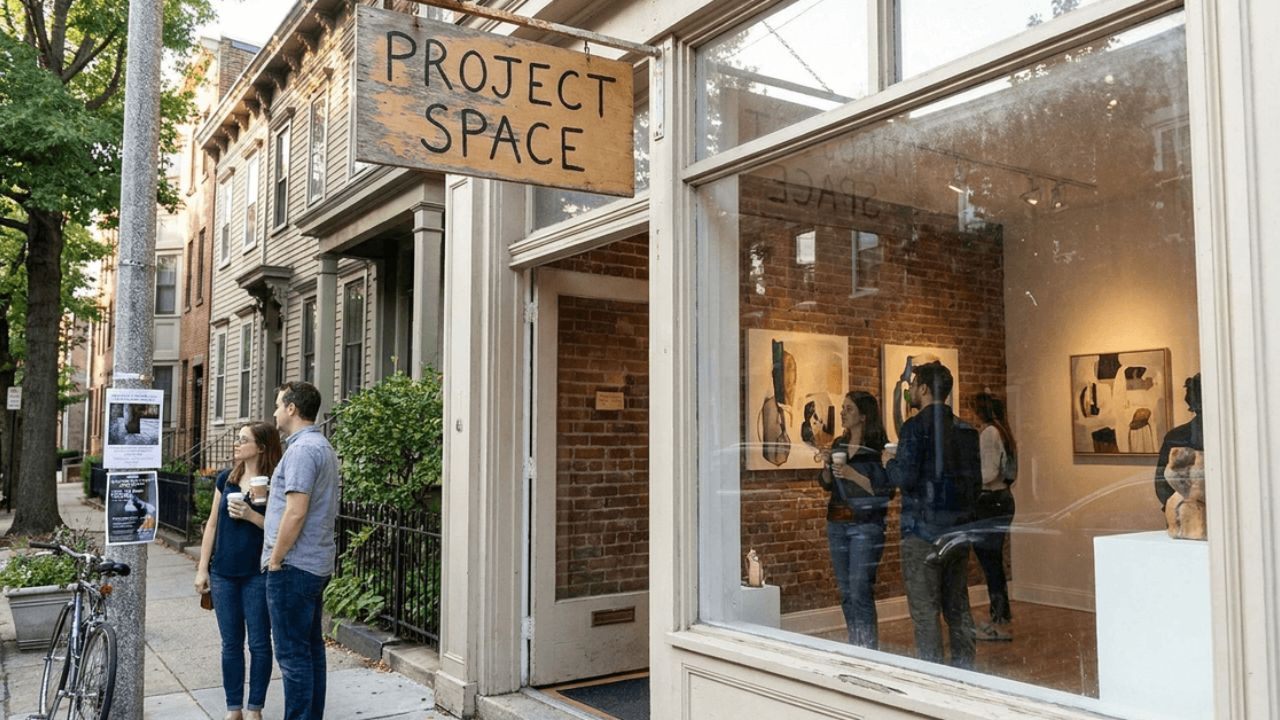
The intimate atmosphere is another advantage. Conversations with artists, curators, and other visitors happen naturally, making each visit feel more personal than a traditional museum experience.
Defining an Under-the-Radar Gallery
Not every small gallery qualifies as hidden. Some have become well known among collectors while remaining unfamiliar to tourists.
Common characteristics include:
- Little or no traditional advertising
- Limited visibility on major travel websites
- Locations outside busy tourist districts
- Rotating exhibitions or pop-up programs
- Artist-run or nonprofit management
- Flexible opening hours
Many hidden galleries occupy converted warehouses, upstairs studios, former retail spaces, or shared creative buildings. Their modest appearance can easily cause passersby to overlook them.
Rather than focusing on commercial success, these venues often prioritize artistic experimentation and community engagement. That makes every exhibition feel unique.
Understanding Your Local Art Scene
Berlin is famous for artist collectives operating inside former industrial buildings. Los Angeles features warehouse galleries throughout its Arts District, while Melbourne is known for independent studios hidden among its laneways.
Paris offers another excellent example. Neighborhoods such as Belleville contain clusters of independent galleries that regularly feature young contemporary artists alongside international exhibitions.
Tokyo presents a different experience. Visitors often discover small galleries occupying upper floors above cafés, bookstores, or neighborhood shops. Many are accessible only through modest staircases with minimal signage.
How to Find Hidden Art Galleries
Discovering independent galleries usually requires combining several different approaches. Relying on a single search engine rarely uncovers everything happening in a city’s creative community.
Leverage Specialized Apps and Maps
General travel apps tend to prioritize famous museums. Dedicated art platforms often provide much better recommendations.
ArtRabbit is widely used for discovering gallery openings, artist talks, and temporary exhibitions. Because it specializes in arts events, many listings feature independent spaces that larger travel platforms overlook.
Culture Trip also recommends neighborhood galleries, artist studios, and cultural districts. Searching by city helps narrow recommendations to local venues.
Follow Local Artists and Curators
Instagram remains one of the best places to discover exhibitions before they officially open. Searching hashtags such as #LAGalleryScene, #BerlinArt, or your city’s creative tags often uncovers artists announcing new shows.
Following curators can be equally valuable. They frequently share invitations to opening nights, studio visits, collaborative exhibitions, and community art events.
Artist collectives also post temporary exhibitions that last only a few days. Missing these announcements often means missing the event entirely.
Subscribe to Neighborhood Newsletters
Many creative districts publish newsletters featuring upcoming exhibitions, artist interviews, gallery openings, and cultural festivals. These newsletters often highlight events long before they receive broader publicity.
Universities, nonprofit arts organizations, neighborhood associations, and local museums frequently maintain mailing lists that introduce readers to independent galleries nearby.
Checking these updates regularly helps visitors stay informed without constantly searching online.
Explore Beyond Tourist Districts
Creative communities often develop where rent is lower and artists have access to larger studio spaces. Former warehouse districts, historic neighborhoods, and mixed-use commercial areas commonly become artistic hubs.
Walking through these neighborhoods encourages spontaneous discoveries. A gallery sign above a café or an open studio tucked inside a courtyard may lead to an unexpected exhibition.
Allowing time for unplanned exploration often produces the most memorable experiences.
Attend Gallery Openings
Opening nights provide excellent opportunities to experience independent galleries.
Artists are frequently present, making conversations about their work much easier than during busy museum exhibitions.
Gallery openings may also include:
- Artist talks
- Live music
- Small refreshments
- Community discussions
- Networking opportunities
Visitors interested in learning about additional galleries often receive recommendations directly from artists or gallery staff.
Explore Beyond Tourist Districts
Some of the city’s most interesting galleries sit just outside well-known sightseeing areas. These neighborhoods often provide a more authentic view of the local creative scene.
Look for Emerging Creative Areas
Creative communities frequently develop where rent is lower and artists can access larger studio spaces. Former warehouse districts, historic neighborhoods, and mixed-use commercial areas often become artistic hubs.
Leave Room for Spontaneous Discoveries
Walking through these neighborhoods can reveal galleries that are easy to miss online. A sign above a café, an open courtyard, or a small studio entrance may lead to an unexpected exhibition.
Allowing time for unplanned exploration often creates the most memorable experiences.
Attend Gallery Openings
Opening nights provide excellent opportunities to experience independent galleries in a more social setting.
Meet Artists and Curators
Artists are often present during opening events, making it easier to ask questions and learn about their work. Curators and gallery staff may also recommend similar spaces nearby.
Enjoy Special Event Features
Gallery openings may include:
- Artist talks
- Live music
- Small refreshments
- Community discussions
- Networking opportunities
These events can help visitors better understand the local art community.
Connect With Local Creative Communities
Creative communities often enjoy introducing newcomers to exhibitions, artists, and neighborhood events.
Ask Local Creatives for Recommendations
Independent bookstore staff, photographers, café owners, university art students, and museum volunteers may know about upcoming events before they appear online.
Join Art Walks and Gallery Nights
Neighborhood art walks provide an efficient way to visit several galleries in one evening. Many cities organize monthly events where venues stay open late and offer free admission.
These gatherings help visitors meet people who regularly participate in the local arts scene.
Follow Gallery Etiquette
Independent galleries often feel quieter and more personal than large museums. Respectful behavior helps protect the artwork and creates a better experience for everyone.
Observe Basic Visitor Guidelines
Helpful practices include:
- Speaking quietly
- Asking before photographing artwork
- Avoiding contact with installations unless interaction is encouraged
- Respecting restricted areas
- Following staff instructions
Support Independent Spaces
Purchasing a postcard, catalog, or small print can help support galleries operating with limited budgets.
Stay Safe While Exploring
Most independent galleries welcome visitors, but property boundaries and opening rules should always be respected.
Confirm Public Access
Only enter spaces that are clearly open to visitors. Some artist studios require appointments or operate during limited hours.
Plan Evening Visits Carefully
When visiting unfamiliar neighborhoods after dark, planning transportation in advance can make the trip more comfortable. Checking official websites or social media pages also helps confirm opening hours, event details, and temporary closures.
Conclusion
Under-the-radar galleries offer a rewarding alternative to crowded museums and famous cultural attractions.
They showcase emerging artists, encourage meaningful conversations, and provide insight into a city’s creative community that many visitors never experience.
Specialized apps, artist networks, newsletters, and community events all contribute to discovering exhibitions that rarely appear in mainstream travel guides.