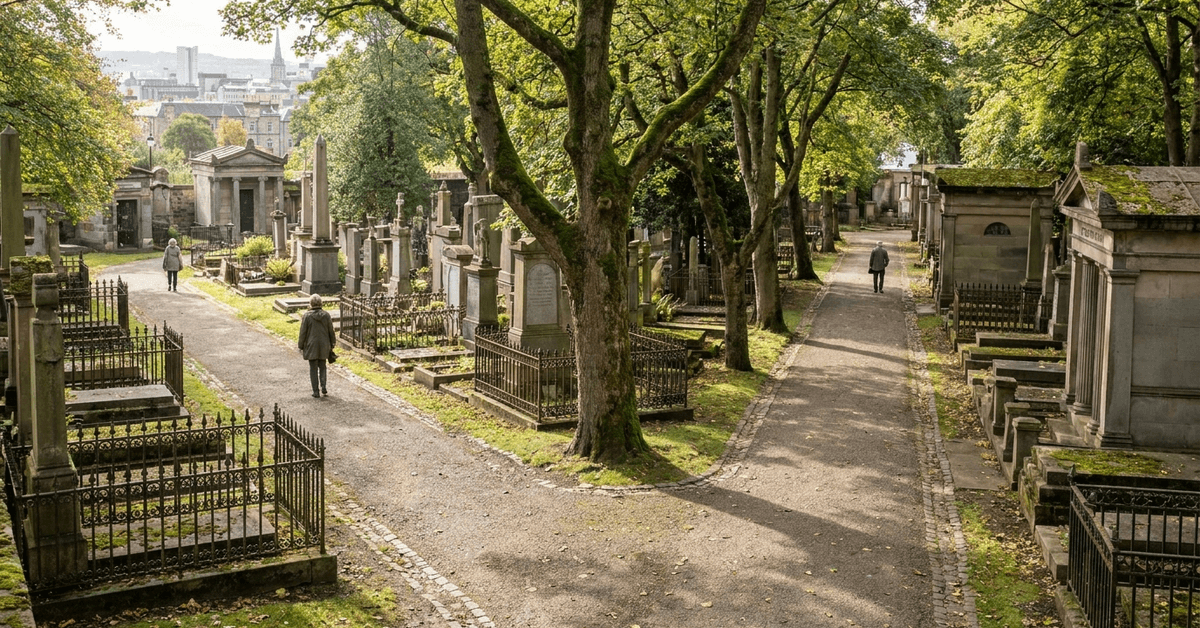
Historic cemeteries quietly coexist with bustling city life. In the middle of urban intensity, these peaceful spaces offer a unique kind of park—one shaped by memory and heritage.
They invite both reflection and exploration in an environment rarely matched by other public spaces.
Why Historic Cemeteries Feel Like Urban Parks
Historic cemeteries differ from standard parks. Their design features winding pathways, ancient trees, and open grassy areas. These spaces invite gentle strolls and silent moments.
Many of these sites double as green urban lungs. The mature landscaping attracts birds and butterflies. Mount Auburn Cemetery in Cambridge, Massachusetts, is often cited as an early model for this blend.
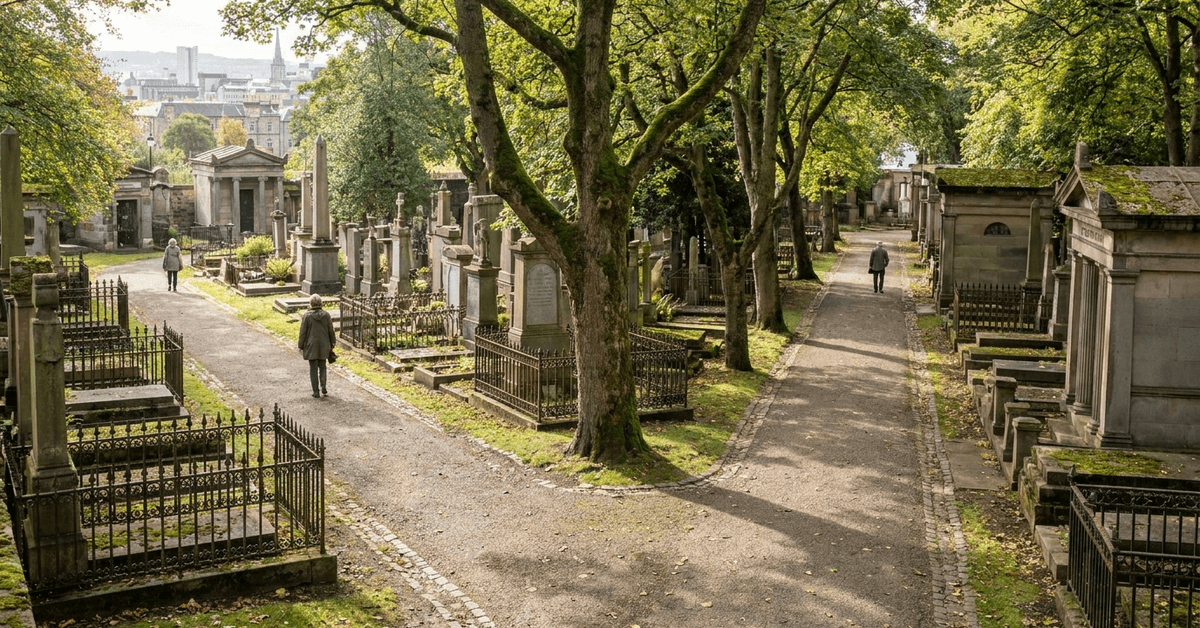
Some even include benches and small gardens, just like traditional public parks. The difference is the atmosphere—quiet, contemplative, and often uncrowded.
The Surprising Benefits of Visiting Historic Cemeteries
Natural Calm and Solitude
Urban noise fades inside cemetery gates. Visitors notice birdsong over traffic. It’s not unusual to find yourself alone, appreciating rare silence within the city.
History at Your Fingertips
Rows of monuments reveal the city’s stories. Exploring places like Highgate Cemetery in London brings you closer to pioneers, artists, and influential leaders.
Unique Urban Ecology
Some cemeteries nurture rare plants or wildlife. These green spaces often serve as informal nature preserves, fostering urban biodiversity that can be missing elsewhere.
Unexpected Art and Architecture
Many sites feature elaborate headstones, family mausoleums, and grand sculptures. The combination of stone and nature creates a living outdoor gallery.
Cities With the Most Remarkable Historic Cemeteries
- New Orleans: St. Louis Cemetery No. 1
- Paris: Père Lachaise Cemetery
- Buenos Aires: La Recoleta Cemetery
- Philadelphia: Laurel Hill Cemetery
- Boston: Granary Burying Ground
- London: Highgate Cemetery
Each stands out for its own reason. Some are known for notable residents. Others draw attention for design or cultural events.
How to Plan a Respectful Cemetery Visit
Find Public Access Info
Many historic cemeteries have open hours. Checking the official city or cemetery website is the best way to confirm hours and entry points.
Apps like Find a Grave can offer maps, grave locations, and visitor guidelines.
Follow Site Etiquette
- Walk on established paths or roads.
- Speak quietly and avoid loud music or phone calls.
- Only photograph what is allowed per posted guidelines.
- Leave headstones and decorations undisturbed.
- Note: Picnicking, sunbathing, or playing sports is rarely allowed.
Navigating the Space
Older cemeteries may not have clear signage. Printed maps from visitors’ centers or digital wayfinding tools like Cemetery Map App (where available) help prevent confusion.
Apps and Tools for Cemetery Exploration
Several digital options make urban cemetery outings easier and more engaging. Some suggestions:
- Find a Grave: Details, stories, and user photos for graves worldwide.
- Google Maps: Useful for walking directions and identifying entrances.
- Cemetery Map App: In select cities, this tool offers interactive navigation and plot details.
- Audio Tours: Some cemeteries partner with apps like izi.TRAVEL to offer self-guided walking tours.
Step-by-Step: Planning a Day Exploring a Cemetery Park
- Choose your destination based on proximity or historical interest.
- Check the official website for hours, tour options, and rules.
- Download a map or relevant app in advance (Wi-Fi may not always be strong onsite).
- Bring water and sunscreen for comfort, but leave food at home unless specifically permitted.
- Wear comfortable shoes suitable for uneven ground.
- Plan to spend at least an hour walking, reading markers, and pausing for reflection.
Tips for Navigating with Respect and Safety
Exploring a historic cemetery or memorial park can be meaningful, but visitors should remain aware of both personal safety and the importance of the site. Thoughtful planning helps create a calm experience without disturbing the grounds or other visitors.
Visit During Daylight Hours
Daylight makes pathways, signs, and monuments easier to see. It also reduces the risk of getting lost or entering an area that may close earlier than expected. Check official opening times before arriving.
Consider Visiting With Someone
Solo visits can feel peaceful, but bringing a friend may increase comfort, especially in large or unfamiliar cemeteries. Share your location and expected return time if you choose to explore alone.
Watch for Uneven Ground
Older sites may contain cracked paths, exposed roots, loose stones, or steep steps. Wear shoes with good grip and move carefully around monuments and landscaped areas.
Leave the Site Undisturbed
Take photographs only where permitted, and never remove flowers, stones, objects, or natural materials as keepsakes. Respect barriers, graves, and memorials so the site remains protected for families and future visitors.
Legal and Ethical Guidelines for Urban Cemetery Visits
Historic cemeteries are protected cultural spaces, not ordinary recreation areas. Visitors should treat them with care, follow local regulations, and remember that families may still use the grounds for mourning and remembrance.
Respect the Purpose of the Site
Walking, quiet reflection, historical learning, and respectful sightseeing are usually acceptable.
Activities such as loud celebrations, sports, picnics, or climbing on monuments may be prohibited or considered inappropriate. Always stay on marked paths and avoid touching fragile headstones or memorials.
Follow Opening Hours
Most urban cemeteries close before or shortly after sunset. Entering after hours without permission may be illegal, even when gates appear open. Some local authorities organize approved evening history tours, but independent nighttime visits are rarely allowed.
Check Photography Rules
Personal photography is often permitted, but policies vary by site. Commercial shoots, tripods, drones, and professional equipment may require written approval.
Avoid photographing funerals, mourners, or identifiable visitors without consent. When rules are unclear, check posted signs, visit the official website, or ask cemetery staff before taking photos.
Enhancing Urban Life Through Quiet Spaces
Cemeteries that function as public parks can offer a peaceful escape from crowded streets, traffic, and the constant movement of city life.
Their combination of mature trees, historic monuments, landscaped paths, and open space creates a setting unlike ordinary urban parks.
Finding Calm and Perspective
A quiet walk through these spaces can encourage reflection and provide a meaningful pause during a busy day. Visitors may also learn about local history while enjoying nature and architecture.
Building a Deeper City Connection
Spending even a short time in a calm, heritage-rich setting can change how people experience their surroundings. These peaceful visits may reduce stress and help residents feel more grounded, comfortable, and connected to the city they call home.
Conclusion
Historic cemeteries are more than burial sites. They represent quiet, contemplative parks right in the urban core. Visitors gain insight into the city’s past, enjoy moments of real calm, and discover architecture and wildlife.
Choosing a historic cemetery for your next urban outing supports well-being, learning, and respect for heritage. Whether new or familiar, these spaces are waiting for thoughtful discovery, offering unique value to city residents and explorers alike.