Category: Culture & Local Hidden Gems

  • How to Find Open-Mic Nights for Local Writers and Musicians

    How to Find Open-Mic Nights for Local Writers and Musicians

    Open-mic nights create opportunities for writers and musicians to share their work, test new ideas, and forge connections in real city spaces. Whether in a bustling city like New York, Toronto, or Berlin, the right approach makes all the difference. 

    Anyone hoping to develop their craft, meet like-minded creators, or simply join a supportive audience can benefit from understanding how to find and access these events. 

    The strategies below focus on practical, actionable steps for the modern urban resident.

    Why Open-Mic Nights Matter for Local Talent

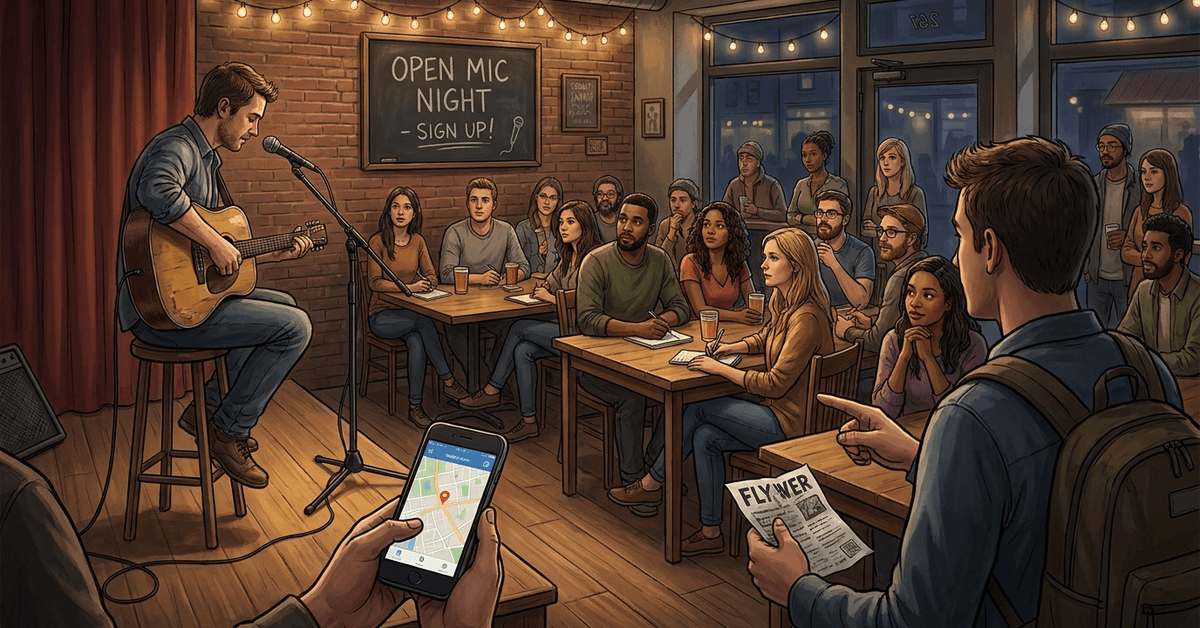
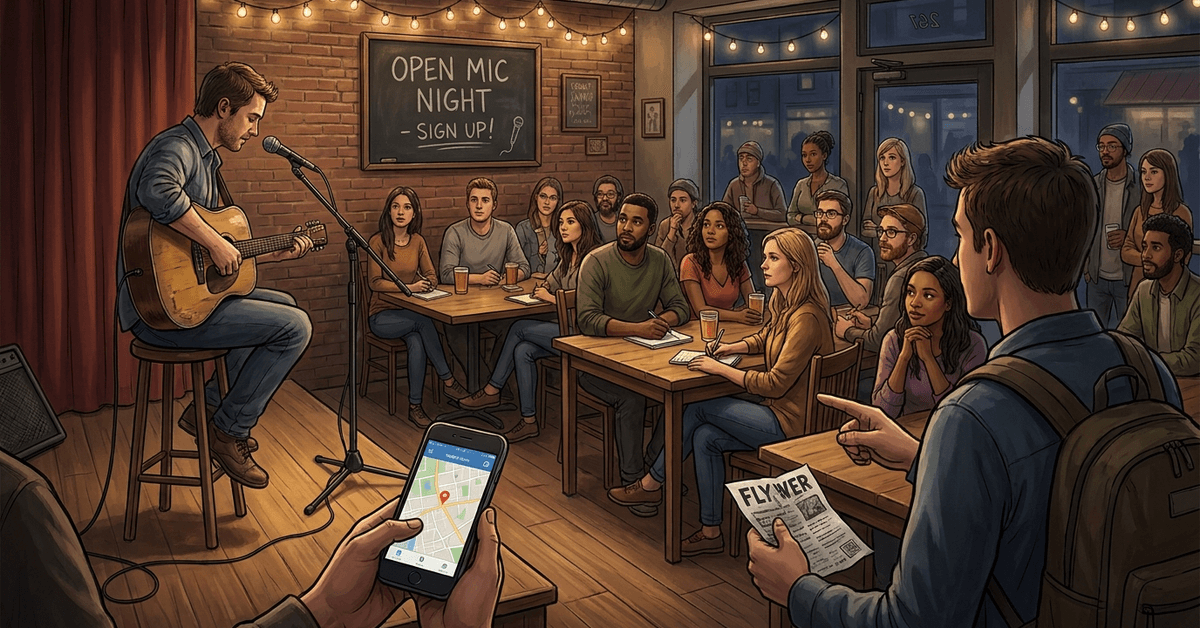
    Open-mic events offer a public stage for anyone, from beginners to seasoned artists. For many, they represent a welcoming entry point.
    How to Find Open-Mic Nights for Local Writers and Musicians

    Performers often receive instant audience feedback, allowing room to grow. There’s also usually no heavy audition—just sign up and show up.

    Some venues are small indie cafes. Others are lively pubs or community spaces. The atmosphere usually varies, so regulars might get to know the different vibes.

    Where to Start Your Search: Digital Discovery

    Smartphone apps and social platforms are surprisingly powerful for event hunting. They bring regional options directly to your screen.

    Event Discovery Platforms

    • Eventbrite: This platform frequently lists open-mic nights in major cities worldwide. Searches can be filtered by location, price, or category.
    • Meetup: Many small creative groups use this app to arrange gatherings and open-mic sessions. Local event organizers post details and updates weekly.
    • Facebook Events: Most music and poetry nights now appear as public events here. It’s possible to follow local venues or collectives directly for timely updates.

    While some events are one-off, many venues host recurring sessions. Using event platforms streamlines the process of identifying reliable, ongoing options.

    Search Tactics That Work

    • Use long-tail keywords paired with the city or neighborhood. For example: “open-mic poetry night Toronto” or “live songwriter sessions Berlin.”
    • Try synonyms: open-stage, writers’ jam, or music showcase may lead to more diverse options.
    • Check for event ratings and recent photos before planning a visit.

    Finding Venues in Your City

    Even in cities with robust digital scenes, sometimes local spots prefer word-of-mouth. Knowing a few reliable physical strategies helps fill the gaps.

    Top Venue Types for Open-Mics

    • Cafes (especially independent or arts-themed)
    • Bookstores and literary collectives
    • Bars and pubs with music nights
    • Community art centers
    • University or college campus cafes

    Urban hubs like San Francisco, London, and Melbourne have dozens of venues. Visiting a few in person can make a real difference. Flyers and posters are often placed near entranceways, bulletin boards, or on restroom doors.

    Neighborhood Reconnaissance

    • Walk or bike through known arts districts looking for posters, chalkboards, or banners.
    • Ask baristas or regulars—they often know the schedule or can suggest other spots.
    • Check community boards in libraries, record shops, or student centers.

    Building A Consistent Routine

    Open-mic nights rarely follow a strict calendar. Some are weekly, while others happen monthly or only during festival seasons.

    Once a promising event appears, establishing a reliable routine matters for personal growth and networking.

    Steps to Regular Participation

    1. Follow favorite venues or collectives online (socials or mailing lists help track schedules and changes).
    2. Arrive early for sign-ups because slots might fill quickly.
    3. Prepare more material than needed, as set lengths can shift last minute.
    4. Join in as an audience member before performing to get a sense of the environment.

    Regular attendance helps new performers avoid stage fright over time. Stronger connections form the more often one attends, making it easier to find collaborators and communities.

    Recommended Apps and Tools for Creatives

    Music and Poetry Apps

    • Open Mic Finder: Designed specifically for music and spoken word performers. Geolocation features suggest events nearby, updated weekly.
    • Bandsintown: Besides gigs, this app occasionally lists open mic and jam sessions for unsigned acts.
    • Instagram: Following city-based open-mic accounts quickly fills a phone feed with ideas and announcements.

    Productivity Aids

    • Google Calendar: Use for tracking event dates, deadlines for new material, and reminders.
    • Evernote or OneNote: Good for jotting new lyrics or poems whenever inspiration strikes.

    Some apps let users set alerts for similar events, which is helpful. Missing a post by a few hours can sometimes mean waiting another week or month for a new slot.

    City Examples: Finding Open-Mics in Urban Hubs

    New York City

    The Bowery Poetry Club and Sidewalk Café have legendary weekly events. Social feeds and their official websites offer updated lineups.

    Toronto

    The Free Times Café and Poetry Jazz Café are popular spots near the downtown core. Meetup and Facebook give reliable date announcements.

    Berlin

    Cassiopeia and Madame Claude attract a mix of international artists. Open Mic Berlin’s website curates a current calendar for music and spoken word.

    London

    A great option is to look out for events at The Betsey Trotwood or Poetry Unplugged at The Poetry Café. Local collectives often cross-promote each other’s nights.

    Researching one city’s scene often leads to unique traditions or slightly different event formats. Some places require pre-registration. Others are drop-in only.

    Extra Tips for First-Time Performers

    • Bring your own pens, books, or instrument cables. Venues often don’t supply extras.
    • Check if there’s a cover charge or minimum spend in advance.
    • Audio or video recording is typically allowed, but always ask for permission before filming or sharing.
    • It helps to credit the event when posting performances on social channels. Organizers appreciate the visibility.

    Legal and Safety Considerations

    Event Policies and Audience Safety

    Reputable venues enforce safe, inclusive spaces. If unsure, reading reviews or looking at the venue’s official policies can provide reassurance.

    Performers should keep public transport or rideshares in mind when planning late-night returns. Some areas may not be well-lit or have cabs readily available.

    Copyright and Creative Rights

    Original work is always welcome at open-mics. Still, sharing copyrighted material usually requires permission, especially for songs or published poems. Adjust setlists accordingly.

    Conclusion

    Finding open-mic nights for local writers and musicians relies on a blend of digital search, on-the-ground curiosity, and community engagement.

    Most cities—large and small—offer hidden opportunities that reward regular exploration. Apps, social feeds, and simple conversation remain the best tools for discovery.

    Taking small steps, even if a bit unsure at first, often brings unexpected creative rewards. Joining the open-mic scene is rarely about perfection, but more about trying, sharing, and growing alongside others in the city.
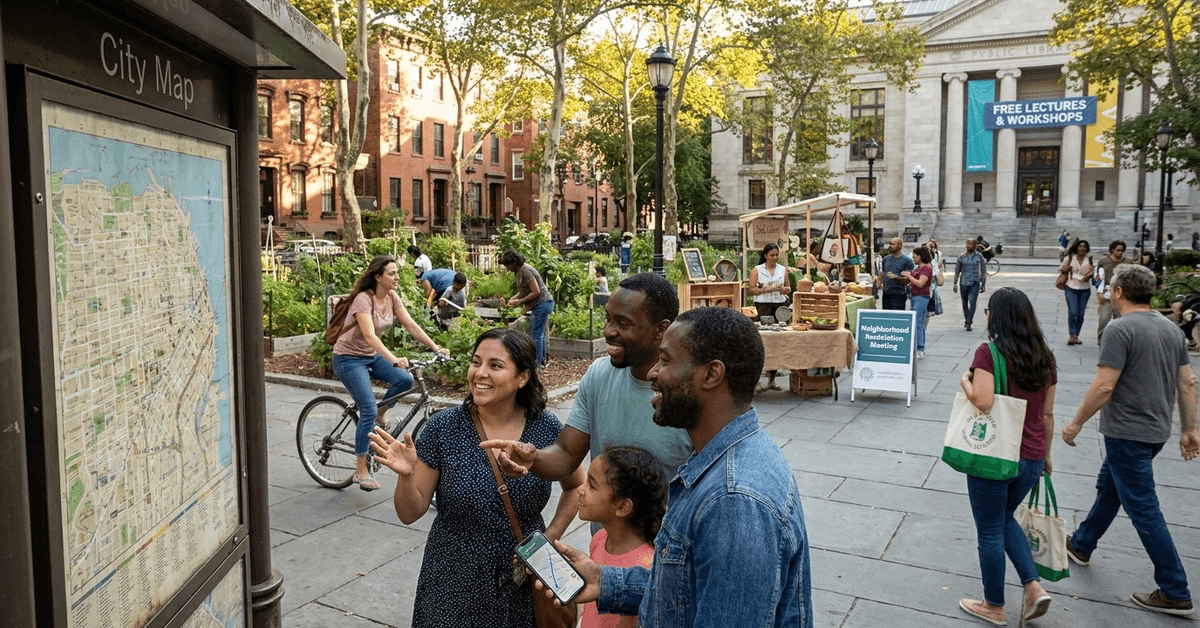
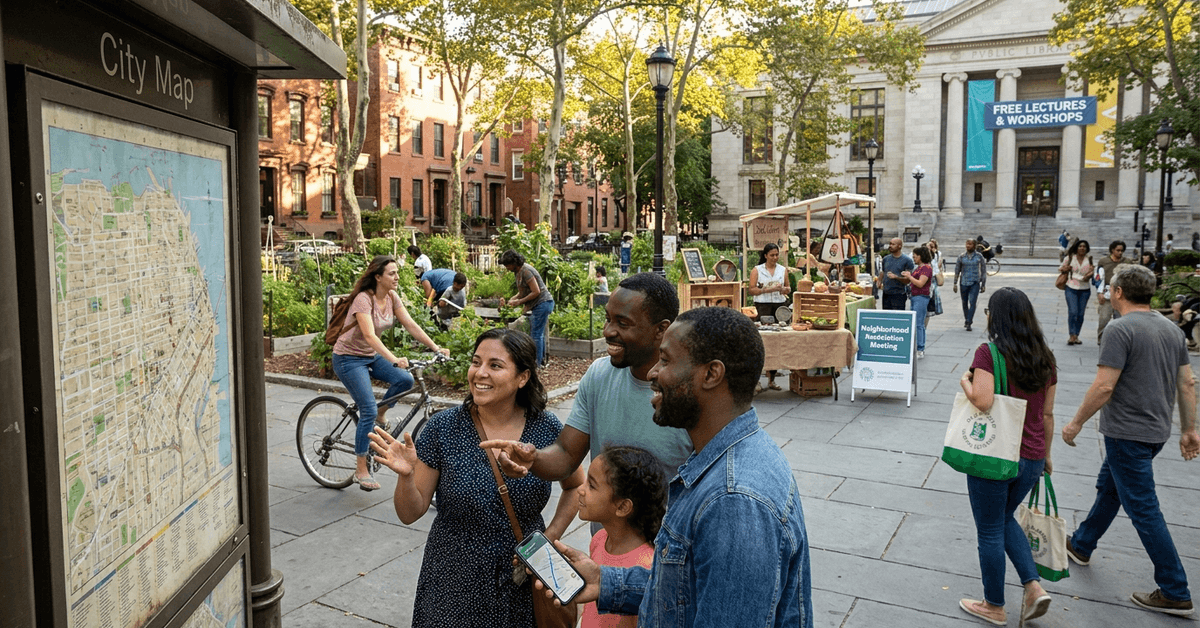
  • The Ultimate Checklist for Becoming an Active, Cultured City Citizen

    The Ultimate Checklist for Becoming an Active, Cultured City Citizen

    Living in a city offers an incredible variety of cultural, social, and recreational opportunities. Yet, truly thriving as an urban citizen takes intention and a few smart strategies.

    This checklist is for anyone seeking to move beyond routine and become engaged, connected, and culturally aware in their city. It offers steps, real examples, and local tools to help you get started now.

    Embrace Regular City Exploration

    Explore Diverse Neighborhoods

    Most cities like Paris, London, and Chicago have unique areas that reflect different cultures and histories. Exploring regularly brings new perspectives and experiences.

    The Ultimate Checklist for Becoming an Active, Cultured City Citizen
    • Pick a new neighborhood each month to visit.
    • Try different cuisines at local eateries.
    • Look for street art, local shops, or markets.

    Join Walking or Cycling Tours

    Guided tours, such as those from Free Tours by Foot, let locals rediscover hidden landmarks or learn fresh stories.

    • Check city calendars for guided group walks.
    • Download the GPSmyCity app for self-guided tours.

    Pursue Lifelong Learning

    Attend Free Public Lectures and Events

    Libraries and museums in cities like New York and Toronto often host free or affordable events. These include guest talks, film screenings, and workshops.

    • Follow library websites and Eventbrite for updates.
    • Subscribe to emails from your city’s major cultural centers.

    Engage with Community Classes

    Community colleges and local organizations offer adult classes. Many cover urban gardening, languages, or digital skills. It’s a realistic way to meet neighbors, too.

    • Check listings on Meetup.
    • Look for city-run adult learning programs.

    Use Smart City Apps and Tools

    Essential Navigation Apps

    Getting around easily is crucial. Apps like Citymapper or Google Maps help you compare travel modes, plan routes, and avoid delays in major cities.

    • Save bus and metro station locations for offline use.
    • Try apps specific to your city’s transit system.

    Discover Events and Pop-Ups

    Platforms such as Eventbrite or Fever curate up-to-date lists of gallery shows, food festivals, and meetups tailored to your city.

    • Set alerts for interests like jazz nights, open mics, or tech talks.
    • Browse community boards for smaller happenings.

    Support Local Arts and Culture

    Explore Theaters, Museums, and Galleries

    Major cities like Berlin or Melbourne often have monthly free admission days at major museums. Keeping an eye out lets you enjoy high culture affordably.

    • Visit museum websites for reduced-rate days.
    • Follow local galleries on social media for event invites.

    Participate in Urban Festivals

    Seasonal festivals, music events, or art fairs are common. Not every city has the same scale as New Orleans Mardi Gras, but most offer unique local gatherings.

    • Monitor city event listings and local media outlets.
    • Attend events outside your usual interests.

    Build Your Urban Network

    Creating a strong local network can make city life feel more welcoming and connected. Joining community groups or volunteering nearby introduces you to people who care about the same neighborhood, causes, or activities.

    Join Neighborhood Associations

    Neighborhood associations often organize civic events, block parties, safety updates, and local improvement projects. Cities such as Toronto and Houston have many resident-led groups that help people stay informed and involved.

    Attend an open meeting before making a larger commitment. This gives you a chance to understand the group’s priorities and meet current members. When in-person meetings are difficult, look for neighborhood forums, messaging groups, or social media pages.

    Volunteer Locally

    Volunteer opportunities may include food banks, community gardens, park cleanups, shelters, or youth programs. Platforms such as VolunteerMatch can help you search by location, schedule, and cause.

    Begin with a short-term activity to see what suits you. Choosing work connected to your interests makes participation more rewarding and increases the chance that you will continue.

    Cultivate Urban Wellness

    Maintaining physical and mental well-being in a busy city does not always require a gym membership or major lifestyle change. Simple habits, such as walking more often and spending time in green spaces, can make daily urban life healthier and more enjoyable.

    Practice Active Transport

    Walking or cycling supports physical health while allowing you to experience neighborhoods at a slower, more personal pace. Bike-friendly cities such as Amsterdam make this easier through protected paths and rental systems like OV-fiets. 

    In other locations, bike-share services can provide a convenient option for occasional rides without the cost of owning a bicycle.

    Try combining short walks with errands, commuting, or leisure activities. Choosing active transport for even part of a journey can add movement to your routine.

    Find Urban Green Spaces

    Parks, rooftop gardens, waterfront paths, and riverside walks provide a welcome break from crowded streets. Cities such as Singapore and Vancouver offer many accessible green areas.

    Use a city map app to locate nearby outdoor spaces. Keep a list of peaceful places on your phone and suggest relaxed meetups there with friends.

    Practice Responsible Citizenship

    Being a responsible city resident means staying aware of local concerns and making choices that support the wider community. Small, consistent actions can improve neighborhood life, strengthen public participation, and help create a cleaner urban environment.

    Stay Informed on Local Issues

    Follow trustworthy local journalism for updates on transportation, housing, public safety, community programs, and environmental concerns. 

    Sources such as NPR in the United States or The Guardian in the United Kingdom may provide useful coverage, but city newspapers and official government websites can offer more specific local information.

    Subscribe to neighborhood newsletters, city podcasts, or community alerts to receive regular updates. 

    When possible, attend open city hall meetings, public consultations, or local forums. These events allow residents to understand upcoming decisions and share their concerns directly.

    Embrace Sustainable Habits

    Simple habits such as carrying reusable shopping bags, composting food waste, and following local recycling rules can reduce your environmental impact. Most major cities publish waste and recycling guidance through official channels.

    Join neighborhood groups that discuss cleanup projects, gardening, or sustainability efforts. Choosing public transportation, cycling, walking, or shared rides can also reduce traffic and emissions while supporting a healthier city.

    Conclusion: Becoming Part of the City’s Pulse

    Thriving as an active, cultured city citizen is less about perfection and more about consistent engagement. Sometimes, it means stepping beyond familiar routines or trying something just a bit outside your comfort zone.

    These steps—exploring neighborhoods, pursuing learning, using smart tools, engaging with the arts, building real networks, and embracing responsible choices—create a deeper, meaningful connection with your city. 

    Every city has its own rhythm, but active participation is the pulse that brings it to life. The more you immerse, the richer your city experience becomes.

  • How to Document Your City Life Through a Daily Sketch or Photo Journal

    How to Document Your City Life Through a Daily Sketch or Photo Journal

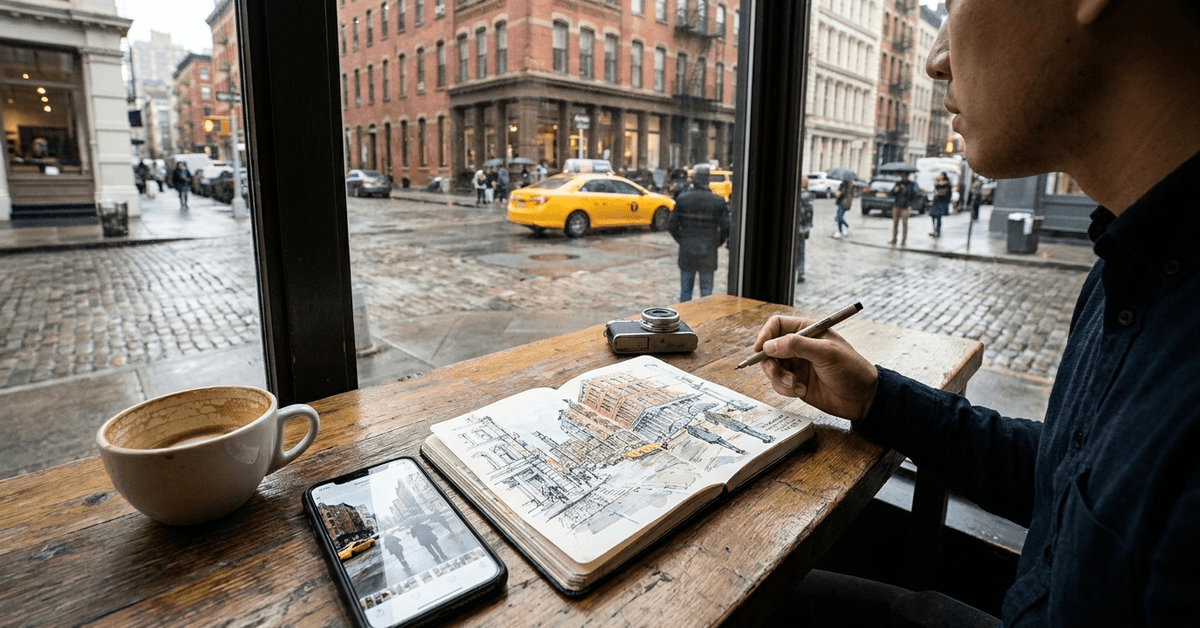
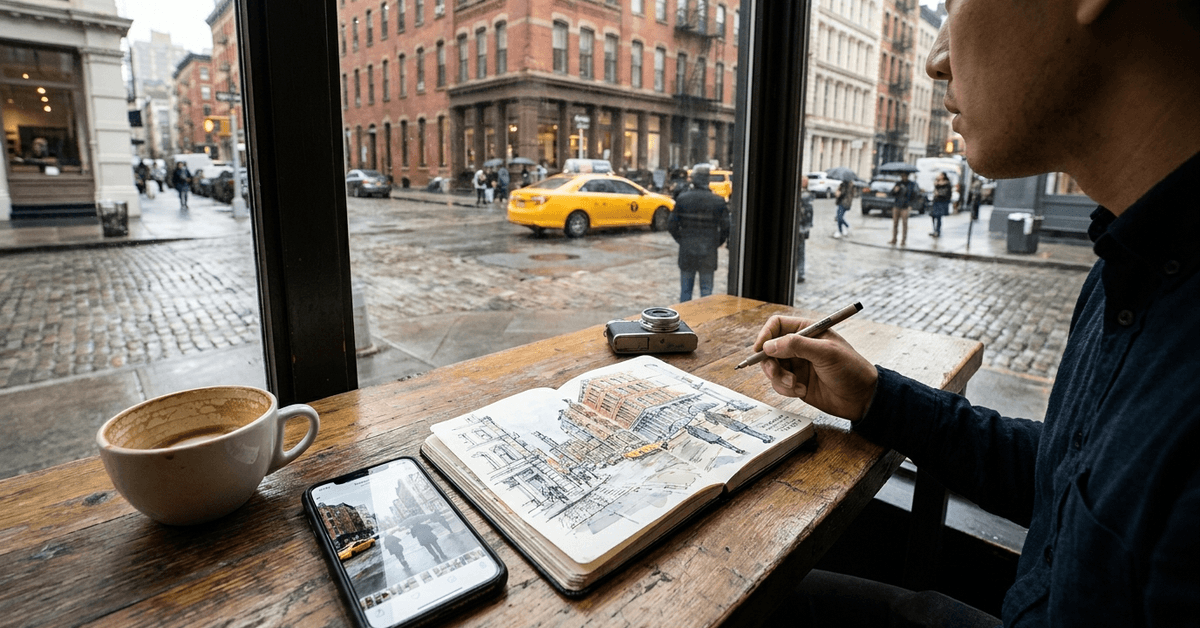
    Documenting city life can uncover surprising details and capture unforgettable moments. A daily sketch or photo journal works well for creating a unique personal archive. Urban residents, tourists, and creatives can all benefit.

    This article explains how anyone can start a daily city journal, what tools truly matter, and how the right approach keeps you motivated. Whether you live in a bustling metropolis or a quiet neighborhood, these methods can transform your perspective.

    Why Documenting City Life Is Worthwhile

    A daily sketch or photo journal builds a visual memory bank. Street scenes are always changing—sketches or snapshots freeze those moments.

    How to Document Your City Life Through a Daily Sketch or Photo Journal

    Reflecting on your journal can spark ideas, sharpen your observation skills, and even support mindfulness. Sometimes, the act of slowing down enough to sketch or photograph is the real reward.

    Choosing Between Sketching and Photography

    Traditional sketching and digital photography each offer unique advantages. Deciding between them depends on your interests, time, and confidence in drawing or tech.

    Benefits of Sketch Journaling

    Sketches are personal representations of scenes. They interpret mood, movement, and atmosphere.

    • Slows your experience, helping you notice subtle details.
    • Improves hand-eye coordination and focus over time.
    • Low-equipment: Usually just a notebook and a pen are needed.

    Benefits of Photo Journaling

    Photos quickly capture authentic urban life. Quality is not dependent on art skills—just observation and timing.

    • Allows rapid documentation of fleeting moments.
    • Easy to organize and share digitally.
    • Smartphones are often sufficient—no fancy camera needed.

    Essential Tools and Resources

    Best Supplies for Sketching

    A portable sketchbook is perhaps the most critical tool for daily urban journaling. Durable covers protect your work inside a backpack.

    • Pocket-sized hardcover sketchbook (like Moleskine or Leuchtturm1917)
    • Fine liner pen or mechanical pencil
    • Small watercolor set (optional for color washes)

    Best Apps for Photo Journaling

    Photo journals thrive with user-friendly apps. Instant uploads and geotagging bring out the best in urban photo logs.

    • Day One: Organize images by date, location, and tags
    • Evernote: Handy for adding notes to photos and syncing across devices
    • Google Photos: For easy storage and automatic backups

    Setting Up Your Journal Routine

    Finding Your Time and Place

    Success with journaling depends on realistic routines. Most people fit short sketch or photo sessions into lunch breaks, commutes, or city walks.

    • Pick a consistent time of day that matches your energy
    • Have supplies ready in your everyday bag or phone
    • Choose routes you normally walk to keep things convenient

    What to Capture: Urban Inspiration

    Cities like Paris, Seoul, and Chicago offer endless sketch or photo options. However, even quieter places have character—bus stops, street vendors, corner cafés.

    1. People: Unique street fashion, daily routines, city dwellers at work or play
    2. Architecture: Unusual doors, graffiti, hidden courtyards, skylines
    3. Nature: City parks, rooftop gardens, animals adapting to urban life

    Tips for Making Urban Journaling a Habit

    Urban journaling becomes easier when the routine feels flexible rather than demanding. The goal is to notice more about your surroundings, not to produce a perfect page every day.

    Keep Expectations Manageable

    Daily entries do not need to be polished. Some days may lead to a detailed sketch, while others result in a quick note, a blurry photo, or a single sentence.

    Focus on the habit of observing rather than the quality of the finished entry. Giving yourself permission to create imperfect pages makes it easier to continue.

    Use Small, Repeatable Prompts

    Simple prompts can remove the pressure of deciding what to document. Try recording one color, one sound, one sign, or one unexpected detail each day.

    Even a short entry can preserve a strong memory when it captures something specific.

    Add Stories, Not Just Images

    Photos and sketches become more meaningful when paired with context. Write down the weather, the mood of the street, a passing conversation, or a smell from a nearby café.

    Captions do not need to sound literary. A few honest words can bring the moment back more clearly later.

    Try Theme Weeks

    Themes keep the routine fresh and encourage you to explore familiar places differently. Possible ideas include “City Buses,” “Reflections,” “Doorways,” or “Neon Nights.”

    Join Creative Challenges

    Look for sketch walks, photo challenges, or local journaling groups. Online prompts and shared projects can provide motivation when your routine starts to feel repetitive.

    Exchanging ideas with other journalers may also introduce new techniques, neighborhoods, and subjects worth documenting.

    Sharing and Preserving Your Urban Journal

    An urban journal can become a lasting record of the places, people, and everyday details that shape city life. Choosing the right format helps you organize your work, share it with others, and preserve it for future reference.

    Use Instagram for Quick Updates

    Instagram works well for daily photo series, short captions, and location-based storytelling. Relevant hashtags can connect your posts with local artists, photographers, and neighborhood communities.

    Build Longer Projects on Behance

    Behance is better suited to polished visual projects, including sketch collections, architectural studies, and themed photography series. It allows creators to present work in a more professional and organized format.

    Create a Personal Blog

    A blog provides more space for detailed reflections, personal stories, maps, and longer descriptions. It also gives you greater control over how your journal is arranged and archived.

    Document the City Responsibly

    Ask Before Photographing People

    Request permission before taking close or identifiable photographs, especially when children are involved.

    Follow Local Photography Rules

    Street photography, private property, and commercial-use regulations vary between cities such as New York, Berlin, and Tokyo. Review local guidelines before publishing images.

    Protect Sensitive Information

    Keep entries private when they include personal addresses, routines, conversations, or information that could compromise someone’s safety or privacy.

    Conclusion: Make Urban Journaling a Lifelong Adventure

    Starting a daily sketch or photo journal reveals hidden aspects of your city life and fuels creativity year-round. Equipment is easy to carry, routines adaptable, and inspiration appears in the smallest corners—whether in vibrant cities or quiet towns.

    Looking back through months or years of entries can shape a deeper connection with your surroundings. 

    Maybe not every day will result in a masterpiece, but every effort matters. Journaling urban life offers something lasting for anyone willing to pause and look closer.