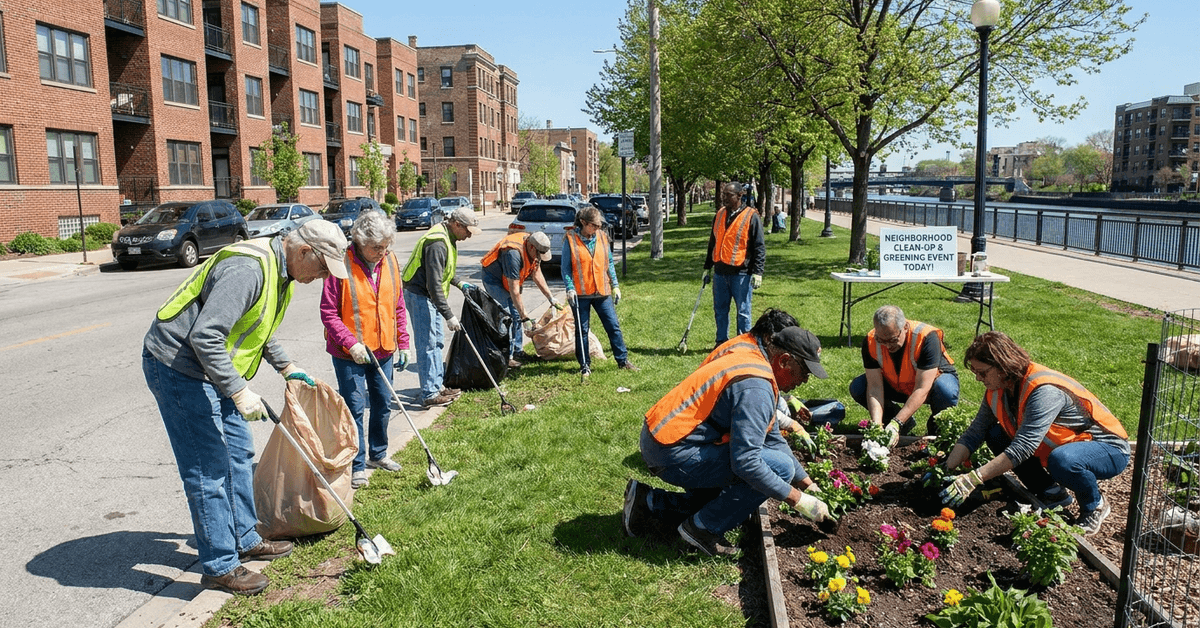
Urban life moves quickly, but local communities thrive when residents come together for positive change.
Community clean-ups and urban volunteer work are practical routes to get involved. These initiatives suit anyone living in or near a city who wants to make a visible difference and foster safer, healthier neighborhoods.
Why Join City Clean-Ups and Volunteer Projects?
Urban volunteer work offers several direct benefits. Residents notice cleaner, safer streets. Local green spaces become enjoyable retreats. Neighbors develop a stronger sense of shared identity.
Some cities, like New York and Berlin, report reduced litter rates after active clean-up seasons. These activities also help build valuable networks, sometimes leading to unexpected job opportunities or personal connections.
Types of Volunteer Opportunities in the City
Street Clean-Ups
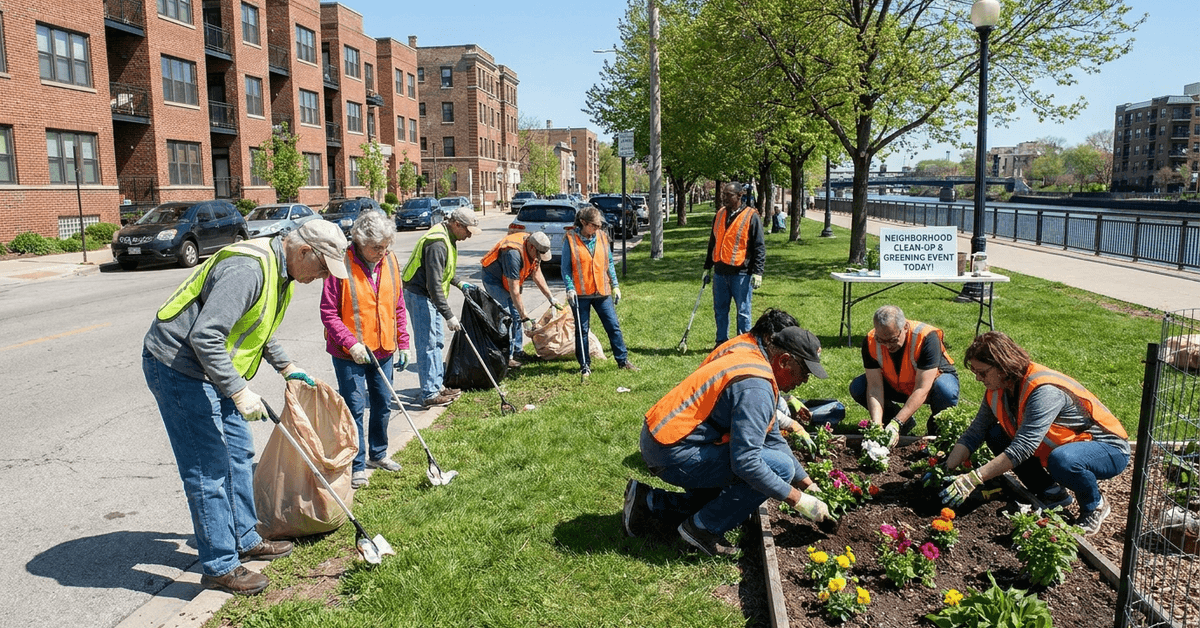
Collecting litter or helping remove graffiti makes an immediate visual impact. Many areas organize recurring efforts, particularly in business districts or public parks. The most noticeable change is usually in city centers.
River and Waterfront Clean-Ups
Many urban areas, including London, Chicago, and Paris, feature riverbank or lakeside events. These often require waterproof gloves and boots. Even small actions, like pulling plastic from river edges, make a difference.
Urban Gardening and Green Projects
Some organizations transform unused city spaces into gardens. Volunteers help plant flowers, vegetables, or trees.
Not every city welcomes urban gardening equally, so research local regulations first. Projects in cities like Toronto or Copenhagen often partner with residents for maintenance.
Charity Fundraising Runs or Food Distribution
Many urban volunteer groups focus on helping vulnerable community members. Soup kitchens, clothing drives, and meal deliveries rely on reliable urban volunteers. Apps such as Olio match surplus food with volunteers who deliver it to people in need.
Where to Find Clean-Up Events and Volunteer Programs
Digital tools simplify finding events. National sites, city governments, and non-profits frequently list open opportunities. Here are some widely used resources:
- Meetup: Search for groups hosting clean-ups, gardening, or urban service projects in your city.
- VolunteerMatch: Allows filtering for location and project type across North America.
- Cleanup groups on Facebook: Many cities have grassroots pages dedicated to litter-picking or improvement tasks.
- City government websites: Major cities like Amsterdam or Sydney list official clean-up and volunteer calendars.
Checking notice boards at local libraries or community centers often reveals smaller, hyper-local events.
How to Sign Up and Prepare
- Select a project or event that matches your skills and comfort level. Review requirements carefully. Some clean-ups focus on specific age groups, or may need pre-registration.
- Register online when possible. Some groups accept walk-ins, but signing up in advance helps organizers plan supplies and logistics.
- Read any event instructions. You may need to bring gloves, trash bags, or reusable water bottles. Closed-toe shoes are advised, and sometimes high-visibility vests are provided on site.
- If you have questions, contact the event organizer. Most are happy to help—and this is also a good way to build rapport if you’re new.
Essential Tools and Apps for Urban Volunteers
A few mobile tools streamline involvement. Some increase safety or organizational impact:
- Litterati app: Logs litter pickup with photos. Communities can track progress through leaderboards and data maps.
- WhatsApp or Telegram: Many grassroots teams organize via group chats for last-minute updates.
- Olio: Great for food share volunteers in various major cities.
- MapMyRun: Useful if you join active volunteer events (like jogging clean-ups) to track your route and share with friends.
Best Practices for Your First Community Clean-Up
Joining a community clean-up is a simple way to improve your neighborhood while meeting people who care about the same area. A little preparation can make your first event safer, easier, and more enjoyable.
Choose a Nearby Event
Start with a clean-up close to home. A convenient location reduces travel time and makes it easier to participate again in the future.
Arrive Early
Plan to arrive 10 to 15 minutes before the official start. Organizers usually explain safety rules, assign areas, and distribute gloves, bags, litter pickers, or other supplies.
Dress for the Conditions
Wear comfortable clothing, sturdy closed-toe shoes, and weather-appropriate layers. Apply sunscreen if you expect to be outdoors for more than 30 minutes, and bring water for longer sessions.
Work With Others
Stay with a partner or small group whenever possible. This improves safety and creates natural opportunities to talk with other volunteers.
Record the Results
Take before-and-after photos without including identifiable people unless they agree. These images can show the clean-up’s impact and motivate others when shared by the organizing group.
How to Stay Involved and Grow Your Impact
Become a Regular
Repeating your involvement builds confidence and trust with organizers. Returning volunteers often receive more responsibility or help coordinate future events.
Share Your Progress
Uploading photos to neighborhood forums or Instagram can inspire others. Seeing neighbors out there, especially familiar faces, motivates more participation than just posting flyers.
Organize Micro Clean-Ups
If no formal event exists, consider gathering two or three friends for a small block or street clean-up. Some apps help report issues or dump sites directly to city services. In San Francisco, for example, the 311 app lets users request abandoned waste pickups.
Legal and Safety Considerations
Community cleanups can improve public spaces, but participants should follow local rules and protect their personal safety. A few precautions can prevent injuries, legal problems, and unnecessary risks.
Confirm You Have Permission
Clean only on public land or in areas where the property owner has given clear permission. Entering private lots, construction zones, or restricted spaces without approval may be considered trespassing.
Avoid Hazardous Materials
Do not touch discarded needles, broken glass, chemicals, batteries, or unidentified containers.
These items may cause injury or exposure to harmful substances. Mark the location if possible and report the hazard to local sanitation services, park staff, or emergency authorities.
Work During Safe Hours
Daylight provides better visibility and makes it easier to notice traffic, uneven ground, or dangerous waste. Night cleanups should only take place with an organized group that provides supervision, lighting, and proper safety equipment.
Review Local Requirements
Some cities, especially in Europe, may require registration, emergency contact information, or volunteer insurance. Check the organizer’s instructions before participating and bring identification when requested.
Conclusion
Participating in local clean-ups and urban volunteer work is an accessible way to boost your neighborhood’s livability.
Even small contributions matter in the broader urban ecosystem. Regular involvement means cleaner streets, healthier parks, and stronger communities.
While the process can feel daunting at first, taking that first step—by signing up, showing up, and connecting with others—often leads to lasting positive change and a deeper sense of urban belonging.