Waterfront piers are often seen as remnants of old industries. Yet, in recent years, many cities have transformed these spaces into cultural destinations. Travelers and locals find renewed value in these scenic spots.
This article highlights five waterfront piers now reinvented as thriving public cultural spaces. Each serves as an example of how cities can bring new life to their shorelines. Urban explorers, families, and day trippers will find inspiration and practical details here.
Why Cities Transform Waterfront Piers
Piers often sit on prime land with great views. Historically, they supported trade, shipping, and local industry. As waterfronts evolved, many piers lost their economic roles.
Now, cities reclaim these sites as shared public assets. Such transformations encourage tourism, boost local business, and add recreational value. They also connect citizens with water—the heart of urban heritage.
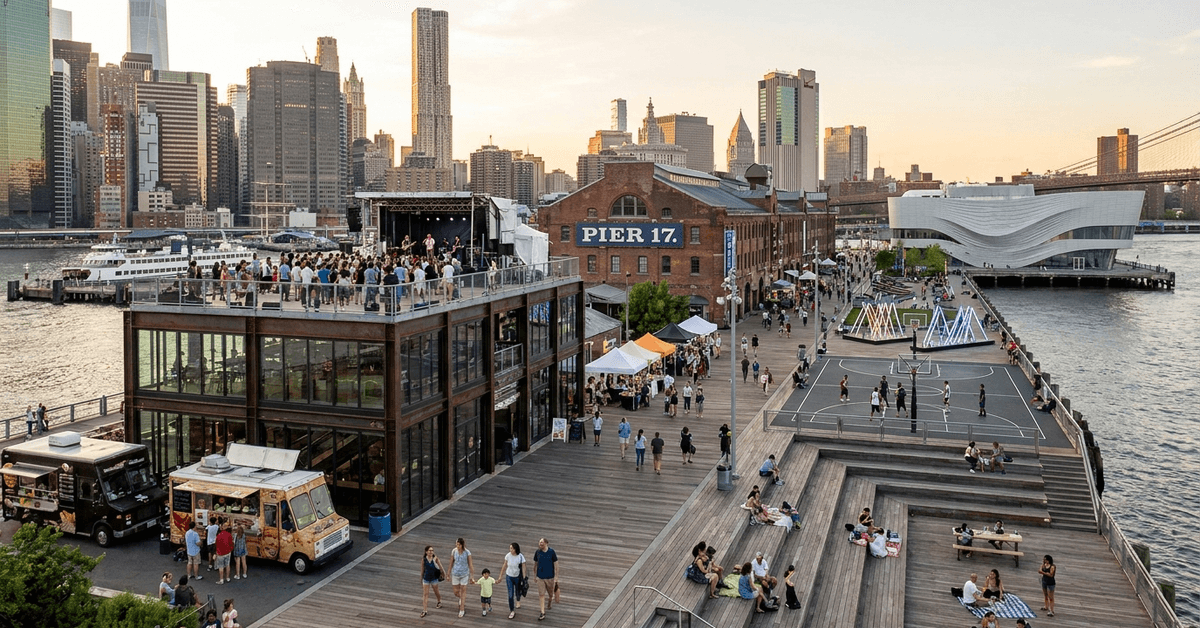
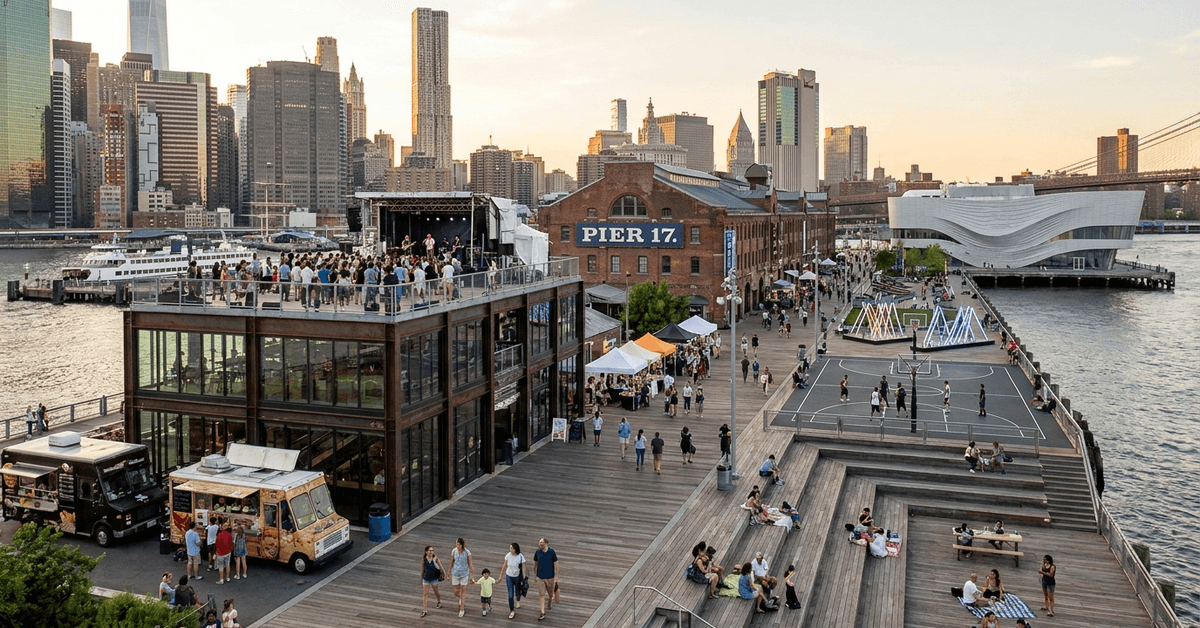
Pier 17, New York City: From Shipping Hub to Event Landmark
Once a vital part of South Street Seaport, Pier 17 was famous for goods arriving in Manhattan. Today, it serves as a destination for music, dining, and city festivals.
Key Features
- Rooftop concert venue with skyline views
- Indoor market spaces and curated restaurants
- Outdoor art installations and seasonal events
How to Visit
- The East River Esplanade connects to Pier 17. Walking and cycling paths are available.
- NYC Ferry stops nearby for easy access from Brooklyn and Queens.
- Free apps like Citymapper guide visitors using public transit routes.
Pier 2, Toronto: A Sports and Leisure Playground
Pier 2 in Toronto is part of the city’s wider waterfront revitalization. Instead of shipping containers, this spot offers active recreation right next to Lake Ontario.
Key Features
- Multi-use sports courts (basketball, roller skating, and more)
- Outdoor fitness spaces and picnic lawns
- Frequent live performance events during summer
Real-World Tips
- Parking is limited, so a strong option is to use Toronto Bike Share for easy movement.
- Events are listed on the Waterfront Toronto website for accurate schedules.
- Nearby food stalls accept contactless payment, making visits simpler.
The Bund’s Public Wharf, Shanghai: Blending Heritage and Modern Culture
Shanghai’s iconic Bund waterfront features multiple public piers. The best-known, The Bund Public Wharf, provides civic green space and cultural platforms amidst skyscrapers and history.
Key Features
- Scenic riverwalks with stunning night lighting
- Open-air art shows and interactive sculpture gardens
- Occasional water taxi departures for river tours
Visitor Advice
- Early mornings offer peaceful strolls and fewer crowds.
- Translation apps like Pleco are helpful for non-Mandarin speakers.
- Small cafés and kiosks provide both local snacks and international coffee chains.
Pier 15, San Francisco: Science, Play, and Environmental Education
Pier 15 was once overshadowed by its industrial neighbors. Now, it stands out as the home of the Exploratorium, one of the world’s most innovative science centers.
What Makes It Unique
- Hands-on science exhibits for all ages inside the Exploratorium
- Public bayside decks with interactive outdoor installations
- Stunning sunset views and regular public talks
Insider Tips
- Booking tickets online can prevent long wait times, especially weekends.
- Use transit apps like MuniMobile for public bus and trolley schedules.
- Day pass holders can leave and re-enter the science center for lunch or walks by the water.
Pier Mauá, Rio de Janeiro: From Port to Festival Center
In Rio de Janeiro, Pier Mauá has transitioned from a shipping dock to a dynamic venue for art and community events. Its transformation supports both locals and travelers seeking culture by the bay.
Core Attractions
- The Museum of Tomorrow, a renowned architectural and science site
- Vast promenade for fairs, concerts, and street art
- Food trucks and pop-up museums year-round
Practical Visiting Tips
- Weekday mornings are generally quieter for museum visits.
- Apps like Moovit help plan city transport to this busy area.
- Seasonal festivals bring large crowds, so checking event calendars is smart.
Benefits for Urban Life and Day Trips
Modern piers provide valuable public spaces for both residents and visitors. They combine recreation, culture, and waterfront access in one convenient destination, making them ideal for quick city outings or relaxed day trips.
Many also host free or low-cost activities throughout the year.
Cultural and Community Experiences
Public programming may include outdoor concerts, food festivals, seasonal markets, and international art exhibitions.
These events bring different communities together and allow visitors to experience local culture in an accessible setting. Historic piers can also help people reconnect with a city’s maritime heritage.
Accessible Outdoor Spaces
Many renovated piers include parks, seating areas, gardens, and viewing platforms designed for people of different ages and abilities. Families, older visitors, and travelers with limited mobility can often enjoy these spaces comfortably.
Healthier Urban Lifestyles
Waterfront paths encourage walking, jogging, and cycling while providing a break from busy streets. Spending time near the water can make exercise feel more enjoyable and less routine.
By combining movement, fresh air, and cultural attractions, modern piers support healthier habits while offering an affordable and rewarding way to explore the city.
Choosing the Right Pier for Your Interests
Not every pier offers the same experience. Some focus on entertainment, while others highlight science, history, public art, or family activities. Choosing a destination that matches your interests can make your visit more enjoyable and memorable.
Match the Pier to Your Interests
Music fans may enjoy venues such as Pier 17 in New York, where concerts and waterfront events are regularly held.
Families with children often prefer educational destinations like San Francisco’s Pier 15, which is known for its science-focused attractions.
Visitors interested in art and architecture may appreciate the Bund Wharf or Rio’s colorful mural walks and creative public spaces.
Plan Your Visit
Travel planning apps such as Rome2Rio and Google Maps can help you compare transportation options, travel times, and nearby attractions.
Reading recent visitor reviews on platforms like TripAdvisor may also reveal hidden viewpoints, local food recommendations, seasonal events, and practical tips that are not always mentioned in official guides.
Spending a few minutes planning ahead can help you create a more rewarding waterfront experience.
Conclusion
The rise of cultural public piers reflects a new urban focus on shared experience, creativity, and inclusivity. These spaces mix play, learning, and relaxation in settings that honor city heritage.
Whether a local seeking weekend options or a curious traveler, cultural piers provide memorable urban day trips with scenic views, creative opportunities, and a true sense of place.
Exploring these reimagined spaces often leads to surprising encounters and a deeper connection with the city’s waterfront identity.