Category: Culture & Local Hidden Gems

  • Urban Photography: How to Capture the Essence of City Life

    Urban Photography: How to Capture the Essence of City Life

    Urban photography stands at the intersection of artistry and observation. For many city dwellers and travelers, there’s something magnetic about capturing the busy rhythm of urban landscapes. 

    Whether in New York, Tokyo, or Amsterdam, documenting city life creates a unique perspective on everyday moments.

    This guide is designed for aspiring and seasoned city photographers seeking practical ways to elevate their craft. It covers the essential steps, from composition to editing, using readily available tools and techniques for compelling, authentic images.

    What Makes Urban Photography Unique?

    Cities are dynamic environments where light, movement, and architecture combine in powerful ways. Photographing urban life means working with ever-changing subjects, unpredictable crowds, and varied light conditions throughout the day.
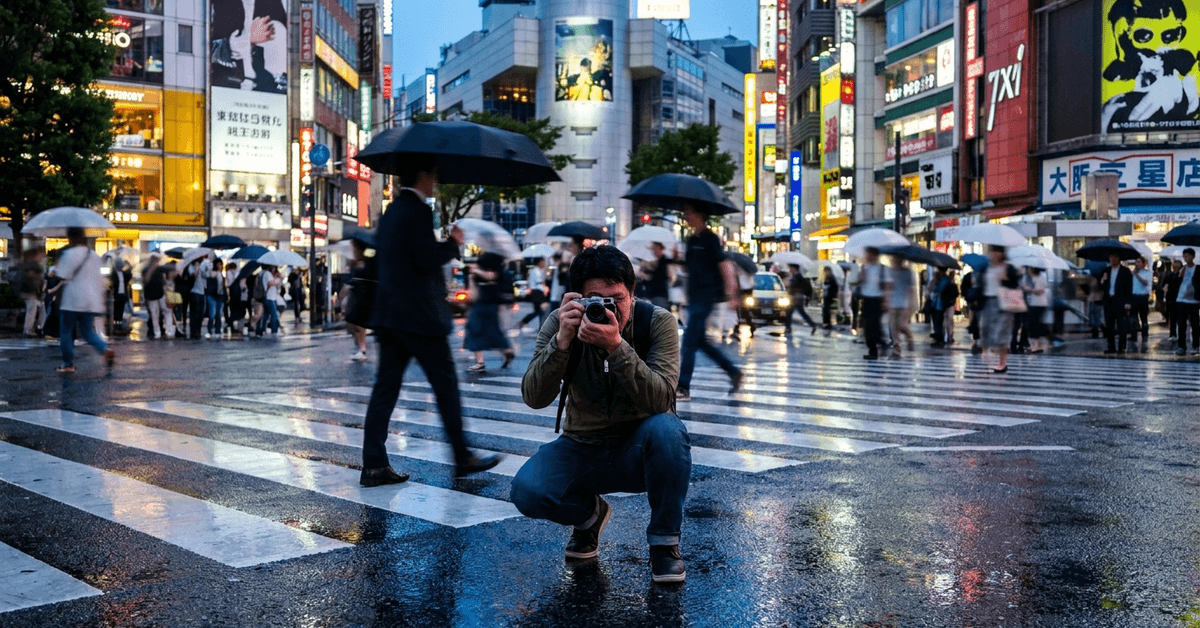
    Image 1

    The fleeting expressions of commuters, architectural contrasts, or shifting weather patterns all play a role in shaping every frame. Those moments rarely repeat themselves exactly as before.

    Core Skills for Capturing City Life

    Observation and Timing

    Vigilance is perhaps the central skill for any urban photographer. Watching for interactions, fleeting gestures, or dramatic light can turn the ordinary into something noteworthy.

    A useful approach involves waiting at busy intersections or plazas where people and traffic converge. Observing patiently often rewards you with genuine urban moments.

    Choosing the Best Locations

    Every city offers its own hotspots. Classic sites like Paris’s Rue de Rivoli or London’s Brick Lane often teem with narrative scenes. Yet, quieter alleys and local neighborhoods may reveal equally engaging material, especially early in the morning.

    • Transit stations (especially during rush hour)
    • Marketplaces (open-air or indoor)
    • City parks and urban waterfronts
    • Historic districts with distinct architecture

    Experimentation across locations helps refine your eye for scenes that feel unmistakably urban.

    Compositional Techniques

    Strong urban photos typically have a clear focal point and use lines or framing elements to guide the viewer. Alleyways, windows, or overpasses often provide natural frames.

    • Leading lines created by streets or building edges
    • Reflections in shop windows or puddles
    • Contrasts between old and new structures
    • Inclusion of people to show scale or interaction

    Testing different vantage points and angles can dramatically shift a photo’s impact.

    Essential Gear and Tools for Urban Photography

    Camera Selection

    While high-end DSLRs perform well, many urban photographers prefer compact cameras or smartphones for discretion and agility. Popular options include the Fujifilm X100V and recent iPhone models.

    Carrying lightweight gear often enables longer shoots and more spontaneous image capture, which is especially valuable in crowded areas.

    Lenses for City Scenes

    Wide-angle lenses (24mm to 35mm) excel at capturing architecture and street panoramas. A 50mm prime lens, though classic, works well for portraits or tighter scenes.

    • Sony 24mm f/1.4 GM
    • Canon RF 35mm f/1.8 Macro IS STM

    Using just one or two primes often encourages more thoughtful composition.

    Essential Smartphone Apps

    Post-processing apps help enhance urban photos quickly, even while on location. Snapseed is consistently favored for its editing precision on mobile devices.

    • Lightroom Mobile (for color grading and RAW edits)
    • VSCO (creative filters and film effects)
    • TouchRetouch (removing distractions)

    How Light Shapes Urban Images

    Golden Hour and Blue Hour

    Natural light affects every city photograph. Early morning and late afternoon (golden hour) provide soft, flattering illumination and dramatic shadows.

    The blue hour, just before sunrise or after sunset, bathes city streets in cooler tones and highlights illuminated windows or streetlights.

    Nighttime City Photography

    Shooting at night introduces new creative options. Neon signs, headlight streaks, and reflective surfaces enhance visual interest after dark.

    However, a tripod or smartphone with Night Mode is often essential for avoiding motion blur in low-light conditions.

    Ethics and Legal Considerations

    Respecting Privacy

    Photographing people in public is legal in most cities, provided images are not used for commercial purposes without consent. Sensitivity and respect are important, especially in residential neighborhoods.

    When in doubt, asking for permission or offering a copy to the subject fosters goodwill.

    Permits and Restrictions

    Certain areas, such as museums or major transport hubs, may restrict photography altogether. Local regulations sometimes require permits for professional work or tripod use.

    Checking city-specific rules before heading out helps avoid misunderstandings.

    Editing and Storytelling

    Establishing a Visual Story

    A compelling series of photos often shares a unifying theme or color palette. The narrative could focus on a single district, a particular mode of city transport, or daily life in different weather conditions.

    Organizing images chronologically, or by mood, tends to strengthen the overall message. Creating a digital album or short photo essay makes it easier to share your work with websites like Instacitizen.com.

    Popular Editing Techniques

    Subtle color corrections, contrast tweaks, or selective cropping help emphasize the energy or personality of a city scene. Using Lightroom’s graduated filter tool can highlight dramatic skies or isolate specific colors against a busy background.

    • Adjusting exposure to reveal details in shadows
    • Boosting saturation for neon signs or murals
    • Converting images to black and white for timeless appeal

    Tips for New Urban Photographers

    • Arrive early or stay late for the best natural light
    • Keep gear minimal and accessible for spontaneous shots
    • Research neighborhoods on Google Maps before visiting
    • Look for candid expressions or interactions that define city life
    • Practice shooting from the hip to capture genuine moments unobtrusively

    Reflection on intent is helpful: Are you hoping to convey energy, solitude, or cultural diversity? Revisiting favorite locations on different days may yield completely new perspectives.

    City Examples That Inspire

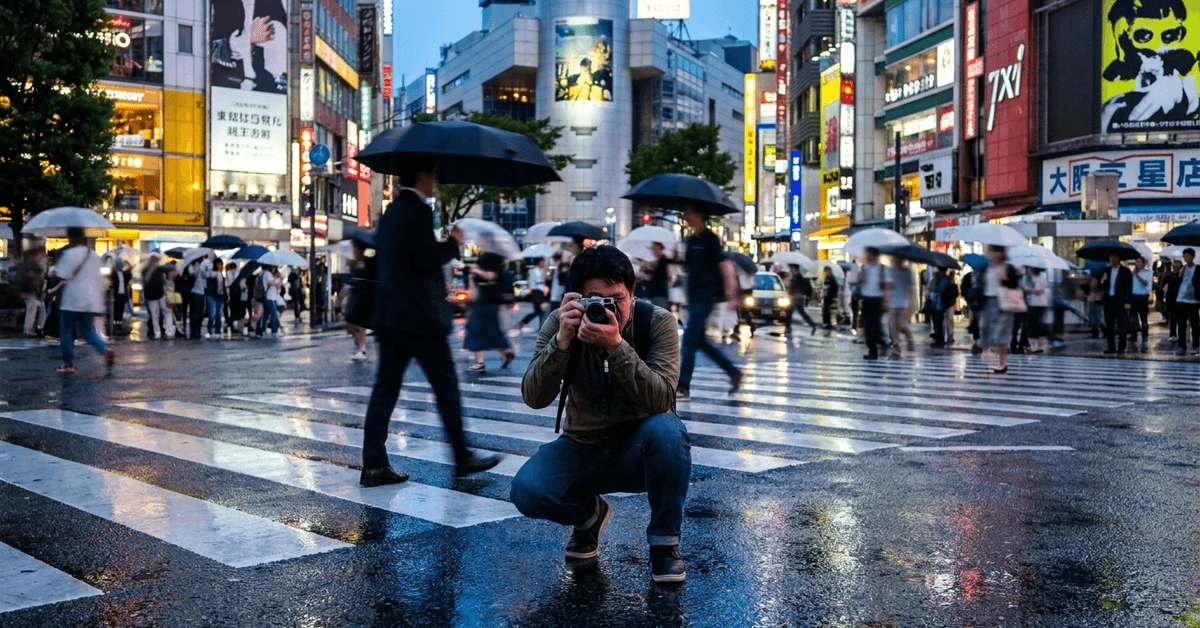
    Each city offers its own atmosphere and traditions. For example, Tokyo’s Shibuya Crossing is world-famous for crowd shots, while Amsterdam’s canal districts create atmospheric reflections at dusk.

    • New York City: SoHo architecture and subway portraits
    • Lisbon: Alfama district’s staircases and tiled walls
    • Singapore: Contrasts between old shophouses and modern towers

    Studying images taken by others in the same city can spark ideas, but seeking out personal viewpoints leads to more distinctive images.

    Quick Summary Table: Urban Photography Essentials

    Aspect  Recommended Approach  Primary Tool 
    Composing Shots  Use leading lines and natural frames  Camera grid overlay 
    Editing  Color correction, exposure balance  Lightroom, Snapseed 
    Travel Planning  Check light conditions and access  Google Maps/Sun Surveyor 
    Sharing Photos  Curate series or themes  Instagram/Website Gallery 

    Conclusion: Bringing the City’s Spirit to Life

    Urban photography is a creative journey shaped by exploration and personal reaction to the places we visit. Each photo captures a version of city life that might otherwise go unnoticed.

    Success depends on patience, respect for the environment, and the willingness to adapt to changing light or movement. Tools and techniques are important, but an open mindset is what truly unlocks the visual stories hidden in every street and plaza.

    Experimenting regularly, studying the work of others, and reflecting on your own unique perspective will reveal new layers of urban environments. The most memorable photos are often those shaped by curiosity, instinct, and everyday presence.
  • How to Dress for City Life: Versatile Outfits for Unstable Weather

    How to Dress for City Life: Versatile Outfits for Unstable Weather

    Urban weather is famously unpredictable. One moment, the sun breaks through. The next, rain falls or wind picks up suddenly.

    Navigating this can be frustrating. However, versatile outfit choices help city dwellers stay both comfortable and stylish.

    Understanding Unstable City Weather

    Major cities like London, New York, and Paris often experience sudden climate changes.

    Image 1

    Temperature fluctuations and quick showers are common throughout the day.

    Why City Weather Shifts Quickly

    Tall buildings create wind tunnels, which accelerate changing weather patterns.

    Reflective surfaces increase heat, while packed concrete slows down temperature stabilization.

    Essential Weather Apps for City Residents

    • AccuWeather: Offers minute-by-minute rain alerts.
    • Weather Underground: Provides hyper-local reports from neighborhood sensors.
    • Dark Sky: Recognized for precise microclimate tracking (may be regionally restricted).

    Regularly checking these tools helps plan outfits for shifting conditions.

    Building a Versatile Urban Wardrobe

    Choosing adaptable layers is the foundation for handling unstable weather.

    Lightweight layering pieces and weather-resistant accessories are consistently useful.

    The Art of Layering

    • Base layer: Breathable t-shirt or thin long sleeve for airflow.
    • Mid-layer: Button-down shirt, cardigan, or sporty pullover for insulation.
    • Outer layer: Packable rain jacket or windbreaker with water resistance.

    This method allows easy adjustment on the go. Shedding or adding layers suits changing conditions.

    Fabric Choices That Adapt

    • Merino wool regulates temperature and resists odors well.
    • Cotton blends offer comfort but may stay wet if soaked.
    • Technical synthetics dry quickly and repel light moisture.

    Outfits built around these fabrics hold up better when weather turns.

    Practical Outfit Examples for Real Cities

    Climate varies by city. Looking at typical scenarios offers valuable guidance.

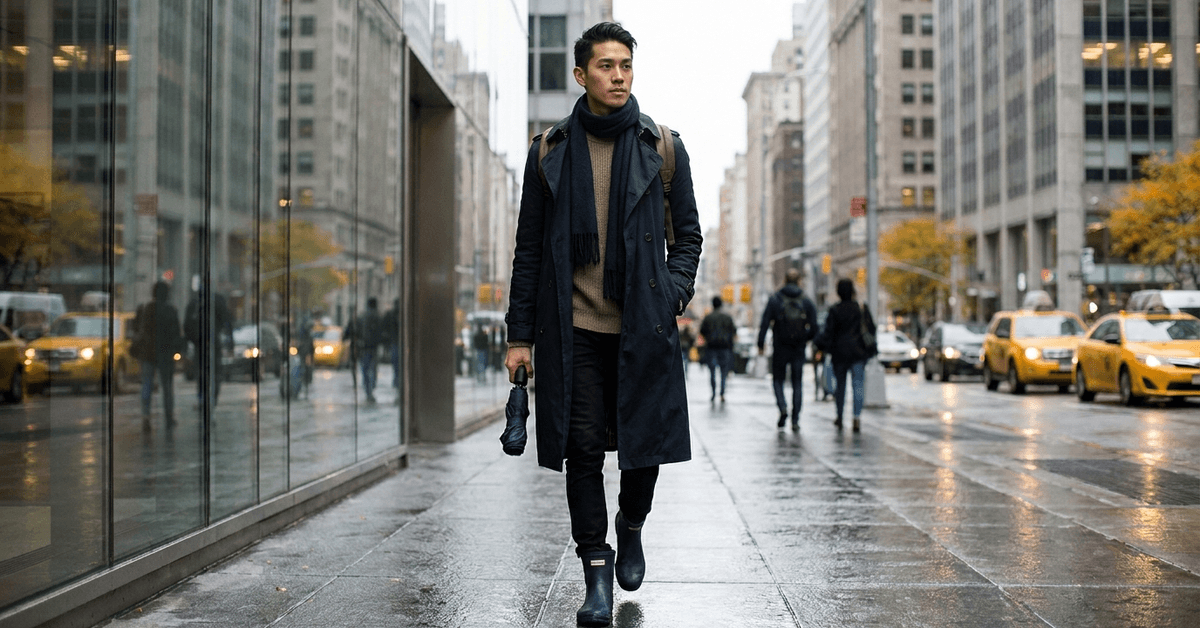
    Rainy Day in London

    • Base: Soft, fast-drying top.
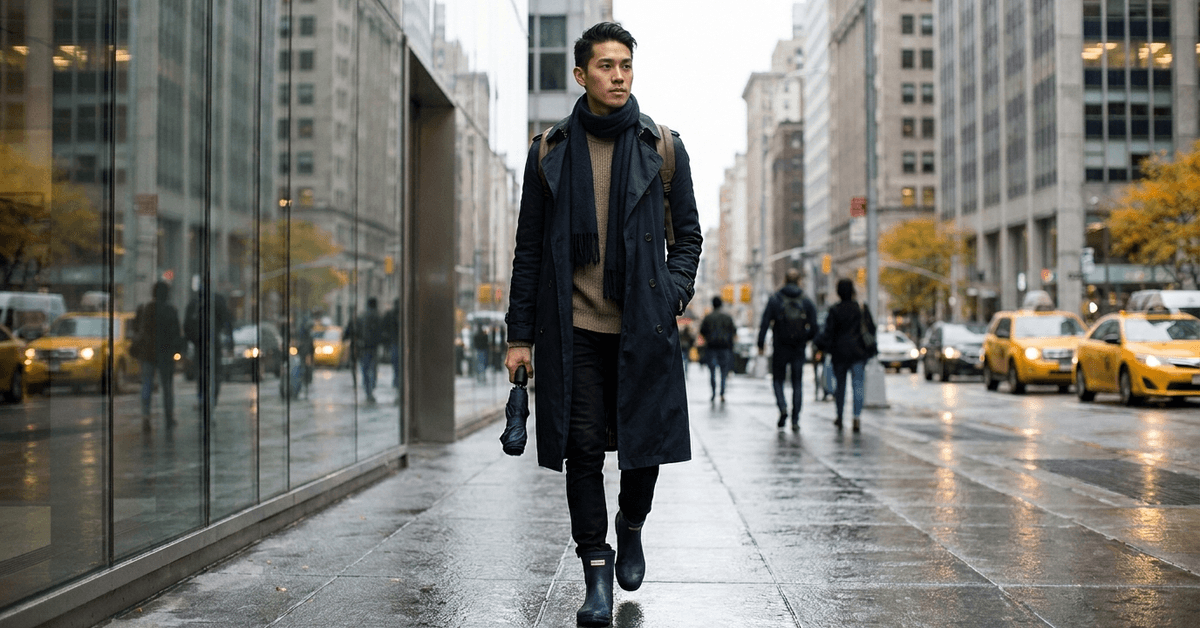
    • Outer: Compact umbrella and longer trench coat for sudden rain.
    • Shoes: Waterproof Chelsea boots for sleek style and dry feet.

    Variable Spring in New York

    • Base: Short-sleeved shirt with moisture-wicking fabric.
    • Mid: Athletic zip-up hoodie for mild chill in the air.
    • Outer: Foldable shell jacket with a hood in backpack or tote.
    • Shoes: Sneakers designed with water-repellent uppers.

    Windy Afternoons in Chicago

    • Base: Slim-fit turtleneck or t-shirt.
    • Mid: Thin fleece vest for insulation without bulk.
    • Outer: Lightweight, lined bomber jacket to block wind.
    • Shoes: Closed-toe loafers, ideally weatherproofed.

    Accessories That Transform Outfits Instantly

    Right accessories help large temperature swings or unexpected drizzle pass almost unnoticed.

    Top Functional Accessories

    • Pocket-size umbrella: Fits neatly in city bags.
    • Convertible scarves: Serve as wraps for sun or chilly air.
    • Compact beanies or hats: Shields from sudden weather changes.
    • Gloves with touchscreen fingertips: Practical for cold commutes.
    • Roll-up tote bags: Carry spare layer or shoes when unpredictable weather strikes.

    App Solutions for On-the-Go Outfit Planning

    Digital tools help with daily planning when you want to avoid weather-related surprises.

    • Cladwell: Personalizes outfit options using your wardrobe photos and real-time forecasts.
    • Stylebook: Organizes clothing inventory for faster outfit decisions by tracking combinations and usage.
    • Vivino (for umbrellas) : Sends reminders when rain is likely, helping prevent forgotten gear.

    Adaptation Strategies for City Commuters

    Urban commutes often mean moving through microclimates (e.g., subway heat, street wind).

    Multi-functional gear bridges the gap between practical comfort and city style.

    Tips for Multi-Environment Adaptability

    • Keep a foldable raincoat or thin puffer in your everyday bag.
    • Choose shoes that look sharp but have non-slip soles and weather resistance features.
    • Consider UV-blocking sunglasses for both bright and overcast moments.

    Sometimes one accessory, like a versatile scarf, changes everything in a surprising downpour or chilly wind.

    Layering Mistakes to Avoid with City Outfits

    Layering is one of the best ways to stay comfortable during changing weather, but choosing the wrong clothing combinations can leave you feeling too hot, too cold, or uncomfortable throughout the day. 

    A few simple adjustments can improve both comfort and practicality.

    Avoid Common Layering Mistakes

    Relying only on cotton layers may not be ideal because cotton absorbs moisture and dries slowly, leaving clothing damp after rain or heavy activity. Bulky coats can also become inconvenient when using public transportation, visiting cafés, or shopping. 

    Instead, choose lightweight layers that are easy to remove and carry. Do not forget a water-resistant jacket or compact rain shell if afternoon showers are possible. 

    Footwear also matters, as shoes with poor grip can become slippery on wet sidewalks and paved streets.

    Plan Ahead Before Leaving

    Check the weather forecast before heading out and pack light extras that fit easily into your bag. 

    A foldable umbrella, compact jacket, or lightweight scarf can help you adapt quickly to changing conditions while keeping your outfit practical and comfortable throughout the day.

    Wardrobe Maintenance and Hygiene for Variable Weather

    Unpredictable weather can expose clothing to rain, humidity, sweat, and sudden temperature changes. Regular maintenance helps garments stay fresh, comfortable, and functional while also extending their useful life. 

    Creating a simple care routine is especially helpful for frequently worn outerwear, technical fabrics, and layered clothing.

    Clean Technical Fabrics Carefully

    Wash waterproof jackets, activewear, and other technical materials with a gentle, fragrance-free detergent. 

    Strong products, bleach, and fabric softeners may leave residue or affect moisture-wicking and water-resistant finishes. Follow each garment’s care label and use a delicate cycle when recommended.

    Dry Rainwear Completely

    Never store damp coats, umbrellas, or rain trousers immediately after use. Hang them in a well-ventilated area until fully dry to prevent musty odors, mildew, and fabric damage. Check pockets, cuffs, and inner linings, as moisture can remain hidden in these areas.

    Refresh Clothing Between Washes

    Mid-layers such as cardigans, sweaters, and light jackets may not require washing after every wear. Air them out and use a light fabric refresher spray when suitable. This can reduce unnecessary washing and help garments last longer.

    Rotate and Air Out Footwear

    Avoid wearing the same shoes every day during wet weather. Rotating footwear gives each pair enough time to dry, air out, and recover its shape. Remove damp insoles when possible and store shoes in an open, ventilated space.

    Table: Essential Versatile Items for City Weather

    Item  Main Feature 
    Packable rain jacket  Water-resistant and ultra-light 
    Merino wool t-shirt  Temperature control and odor resistance 
    Convertible scarf  Sun, wind, and warmth solution 
    Water-repellent shoes  All-day comfort and dry feet 
    Pocket umbrella  Instant rain protection 

    Conclusion

    Adapting to unstable urban weather is often about smart preparation as much as style. Versatile outfits simplify transitions from unpredictable rain to glaring sun or wind on the same day. 

    With the right layering choices, fabric blends, apps, and accessories, city residents find themselves ready for almost anything. 

    While personal tastes matter, practical outfits that adapt to ever-changing weather become the backbone of comfortable city living. For those keen on thriving in city life, investing in a flexible, functional wardrobe truly pays off.