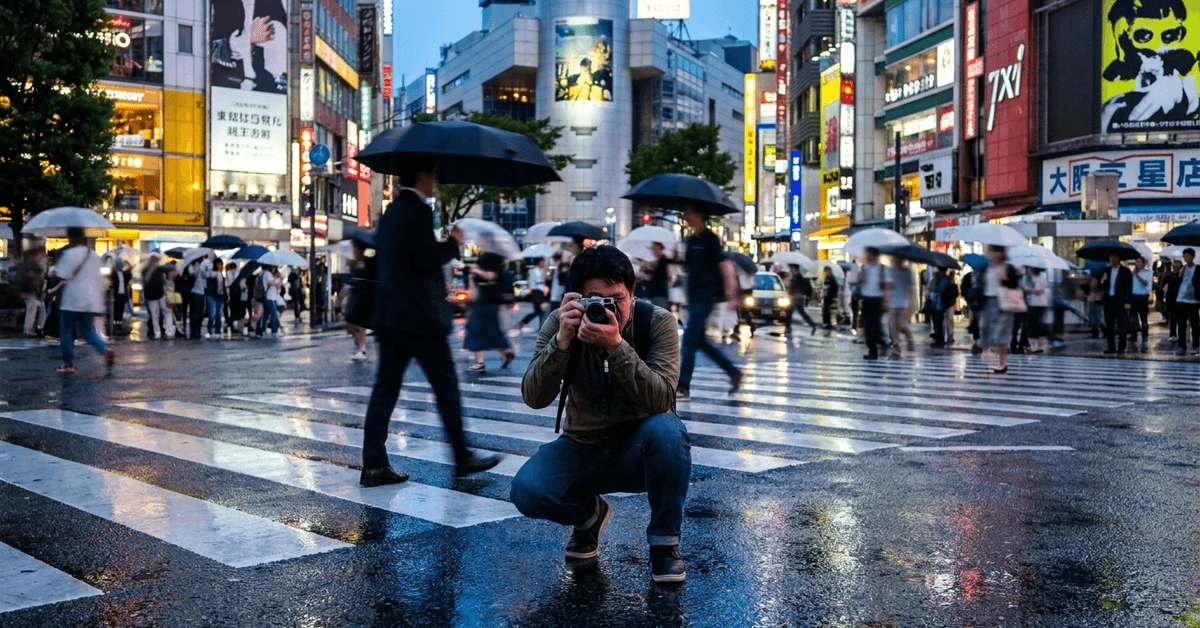
Urban photography stands at the intersection of artistry and observation. For many city dwellers and travelers, there’s something magnetic about capturing the busy rhythm of urban landscapes.
Whether in New York, Tokyo, or Amsterdam, documenting city life creates a unique perspective on everyday moments.
This guide is designed for aspiring and seasoned city photographers seeking practical ways to elevate their craft. It covers the essential steps, from composition to editing, using readily available tools and techniques for compelling, authentic images.
What Makes Urban Photography Unique?
Cities are dynamic environments where light, movement, and architecture combine in powerful ways. Photographing urban life means working with ever-changing subjects, unpredictable crowds, and varied light conditions throughout the day.
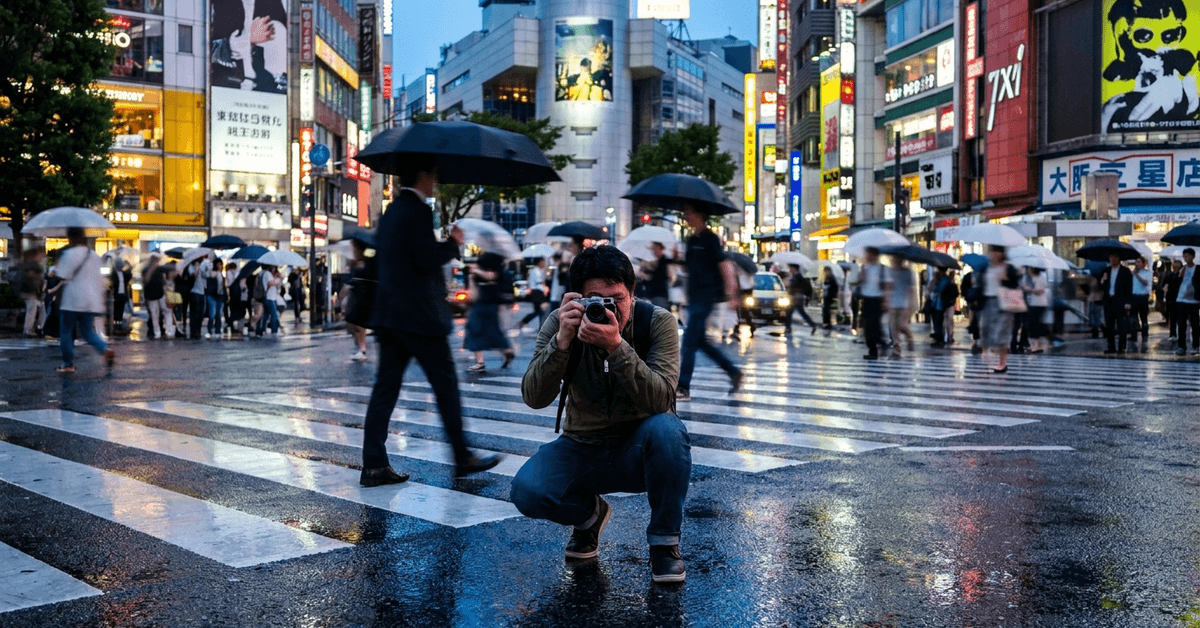
The fleeting expressions of commuters, architectural contrasts, or shifting weather patterns all play a role in shaping every frame. Those moments rarely repeat themselves exactly as before.
Core Skills for Capturing City Life
Observation and Timing
Vigilance is perhaps the central skill for any urban photographer. Watching for interactions, fleeting gestures, or dramatic light can turn the ordinary into something noteworthy.
A useful approach involves waiting at busy intersections or plazas where people and traffic converge. Observing patiently often rewards you with genuine urban moments.
Choosing the Best Locations
Every city offers its own hotspots. Classic sites like Paris’s Rue de Rivoli or London’s Brick Lane often teem with narrative scenes. Yet, quieter alleys and local neighborhoods may reveal equally engaging material, especially early in the morning.
- Transit stations (especially during rush hour)
- Marketplaces (open-air or indoor)
- City parks and urban waterfronts
- Historic districts with distinct architecture
Experimentation across locations helps refine your eye for scenes that feel unmistakably urban.
Compositional Techniques
Strong urban photos typically have a clear focal point and use lines or framing elements to guide the viewer. Alleyways, windows, or overpasses often provide natural frames.
- Leading lines created by streets or building edges
- Reflections in shop windows or puddles
- Contrasts between old and new structures
- Inclusion of people to show scale or interaction
Testing different vantage points and angles can dramatically shift a photo’s impact.
Essential Gear and Tools for Urban Photography
Camera Selection
While high-end DSLRs perform well, many urban photographers prefer compact cameras or smartphones for discretion and agility. Popular options include the Fujifilm X100V and recent iPhone models.
Carrying lightweight gear often enables longer shoots and more spontaneous image capture, which is especially valuable in crowded areas.
Lenses for City Scenes
Wide-angle lenses (24mm to 35mm) excel at capturing architecture and street panoramas. A 50mm prime lens, though classic, works well for portraits or tighter scenes.
- Sony 24mm f/1.4 GM
- Canon RF 35mm f/1.8 Macro IS STM
Using just one or two primes often encourages more thoughtful composition.
Essential Smartphone Apps
Post-processing apps help enhance urban photos quickly, even while on location. Snapseed is consistently favored for its editing precision on mobile devices.
- Lightroom Mobile (for color grading and RAW edits)
- VSCO (creative filters and film effects)
- TouchRetouch (removing distractions)
How Light Shapes Urban Images
Golden Hour and Blue Hour
Natural light affects every city photograph. Early morning and late afternoon (golden hour) provide soft, flattering illumination and dramatic shadows.
The blue hour, just before sunrise or after sunset, bathes city streets in cooler tones and highlights illuminated windows or streetlights.
Nighttime City Photography
Shooting at night introduces new creative options. Neon signs, headlight streaks, and reflective surfaces enhance visual interest after dark.
However, a tripod or smartphone with Night Mode is often essential for avoiding motion blur in low-light conditions.
Ethics and Legal Considerations
Respecting Privacy
Photographing people in public is legal in most cities, provided images are not used for commercial purposes without consent. Sensitivity and respect are important, especially in residential neighborhoods.
When in doubt, asking for permission or offering a copy to the subject fosters goodwill.
Permits and Restrictions
Certain areas, such as museums or major transport hubs, may restrict photography altogether. Local regulations sometimes require permits for professional work or tripod use.
Checking city-specific rules before heading out helps avoid misunderstandings.
Editing and Storytelling
Establishing a Visual Story
A compelling series of photos often shares a unifying theme or color palette. The narrative could focus on a single district, a particular mode of city transport, or daily life in different weather conditions.
Organizing images chronologically, or by mood, tends to strengthen the overall message. Creating a digital album or short photo essay makes it easier to share your work with websites like Instacitizen.com.
Popular Editing Techniques
Subtle color corrections, contrast tweaks, or selective cropping help emphasize the energy or personality of a city scene. Using Lightroom’s graduated filter tool can highlight dramatic skies or isolate specific colors against a busy background.
- Adjusting exposure to reveal details in shadows
- Boosting saturation for neon signs or murals
- Converting images to black and white for timeless appeal
Tips for New Urban Photographers
- Arrive early or stay late for the best natural light
- Keep gear minimal and accessible for spontaneous shots
- Research neighborhoods on Google Maps before visiting
- Look for candid expressions or interactions that define city life
- Practice shooting from the hip to capture genuine moments unobtrusively
Reflection on intent is helpful: Are you hoping to convey energy, solitude, or cultural diversity? Revisiting favorite locations on different days may yield completely new perspectives.
City Examples That Inspire
Each city offers its own atmosphere and traditions. For example, Tokyo’s Shibuya Crossing is world-famous for crowd shots, while Amsterdam’s canal districts create atmospheric reflections at dusk.
- New York City: SoHo architecture and subway portraits
- Lisbon: Alfama district’s staircases and tiled walls
- Singapore: Contrasts between old shophouses and modern towers
Studying images taken by others in the same city can spark ideas, but seeking out personal viewpoints leads to more distinctive images.
Quick Summary Table: Urban Photography Essentials
| Aspect | Recommended Approach | Primary Tool |
|---|---|---|
| Composing Shots | Use leading lines and natural frames | Camera grid overlay |
| Editing | Color correction, exposure balance | Lightroom, Snapseed |
| Travel Planning | Check light conditions and access | Google Maps/Sun Surveyor |
| Sharing Photos | Curate series or themes | Instagram/Website Gallery |
Conclusion: Bringing the City’s Spirit to Life
Urban photography is a creative journey shaped by exploration and personal reaction to the places we visit. Each photo captures a version of city life that might otherwise go unnoticed.
Success depends on patience, respect for the environment, and the willingness to adapt to changing light or movement. Tools and techniques are important, but an open mindset is what truly unlocks the visual stories hidden in every street and plaza.
Experimenting regularly, studying the work of others, and reflecting on your own unique perspective will reveal new layers of urban environments. The most memorable photos are often those shaped by curiosity, instinct, and everyday presence.