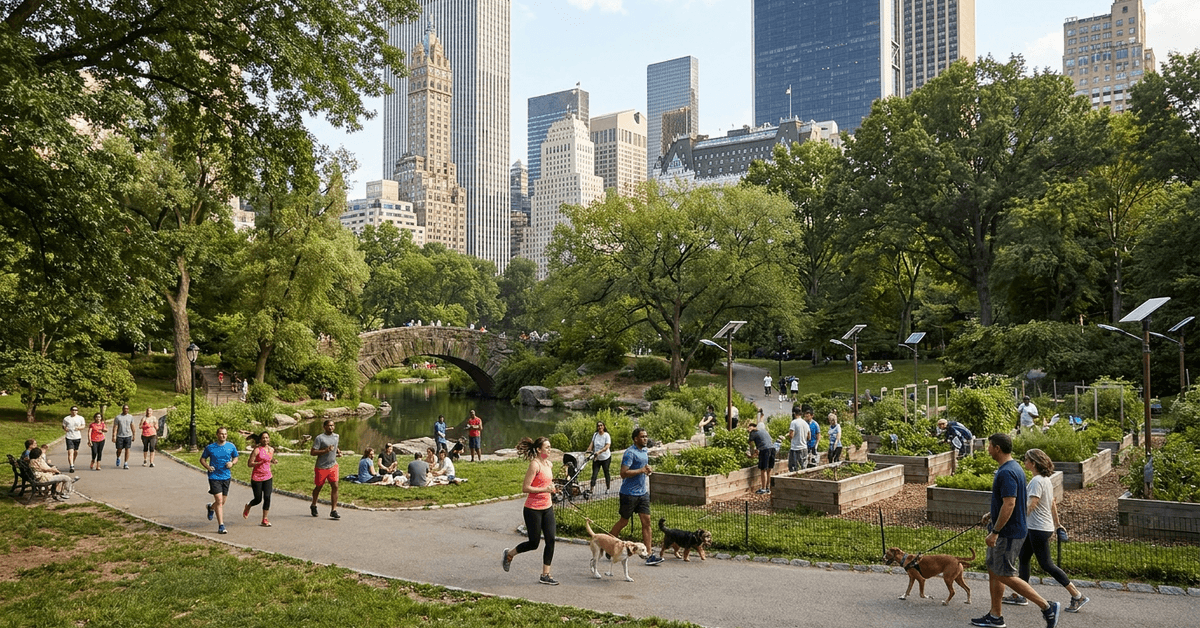
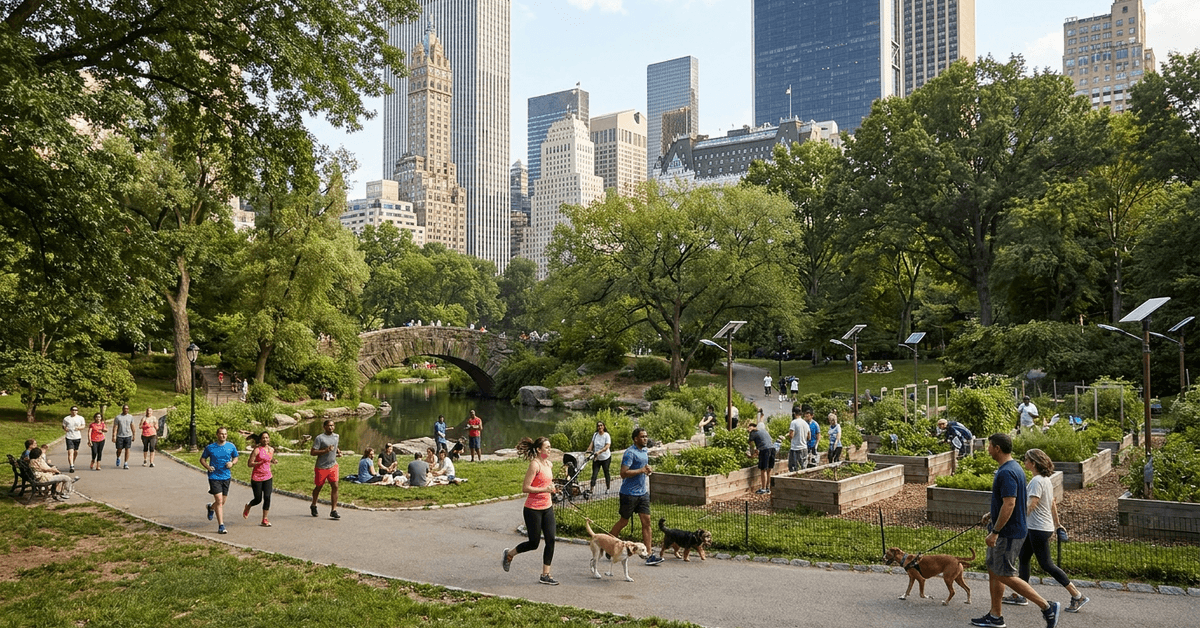
City parks are essential lifelines in crowded modern environments. For anyone interested in living well in the city, their story offers surprising insight into planning, daily life, and even public health.
Parks weren’t always part of urban design. So, how did they become central to so many cities worldwide?
The Origins of Urban Green Spaces
City parks did not exist in most early urban areas. Ancient cities prioritized fortifications or markets, not green places.
Gardens in Greece and Rome were usually private, reserved for elites or temples. Most city dwellers had little public outdoor space.
How Modern City Parks Began
The concept of publicly accessible green areas was influenced by changing ideas in the 18th and 19th centuries. Industrialization brought pollution and overcrowding.
Reformers noticed the impact on health and social life. Many advocated for non-commercial, open places where people could gather safely.
The Birth of Central Park
New York City’s Central Park became a model in 1858. Frederick Law Olmsted and Calvert Vaux led the project, transforming 843 acres into a refuge.
They were inspired by landscapes in Europe but wanted a place for all residents. This idea spread rapidly as other cities saw the benefits.
Paris and London Influences
Paris’s Bois de Boulogne and London’s Hyde Park showed that public gardens could be prestigious and functional. They included walking paths, water features, and space for large crowds.
Urban planners from around the world studied these parks. Many cities began converting royal or aristocratic land into open parks for everyone.
Why City Parks Became Essential
City parks became vital as urban populations grew and neighborhoods became more crowded. They offered fresh air, shade, open space, and places to rest, helping improve daily life for people from different social and economic backgrounds.
Improved Urban Health
During periods of rapid urban expansion, outbreaks of diseases such as cholera highlighted the dangers of overcrowding, poor sanitation, and limited access to sunlight.
Doctors, planners, and social reformers began promoting green spaces as a way to support public health.
Parks gave residents room to walk, breathe cleaner air, and escape polluted streets. These ideas influenced park designs that emphasized trees, broad paths, ventilation, and access to nature.
Community and Recreation
Parks also became important gathering places for concerts, public celebrations, sports, and family outings. They created shared environments where people from different communities could meet safely.
Walking paths, playgrounds, picnic areas, and open fields made parks useful for all ages. Today, they remain essential because they support wellness, recreation, and stronger community connections.
Evolution Through the 20th Century
Following early models, new park types emerged. Botanical gardens, wildlife reserves, and specialized playgrounds appeared in major cities.
City growth created challenges for space. Designers adapted by making parklets and rooftop gardens.
Parks in the Digital Age
Urban planners now use data from city apps like ParkMobile to monitor capacity and maintenance. Residents can check amenities or event schedules in real time.
Some cities launched open mapping projects. For example, the GreenMap System catalogs local green assets, helping residents discover new spots to visit.
Global Examples of Iconic Urban Parks
- Central Park (New York City): World-famous oasis offering everything from boating to concerts.
- Hyde Park (London): A royal park with a long tradition of free speech and riverfront walks.
- Stanley Park (Vancouver): Known for cycle routes, indigenous totem poles, and ocean views.
- Ueno Park (Tokyo): Combines cultural attractions with seasonal cherry blossoms.
- Tiergarten (Berlin): Bridges modern city life with forested trails and historic monuments.
Technology and Sustainability in Parks Today
Modern parks increasingly combine environmental design with digital tools to create cleaner, safer, and more engaging public spaces. Sustainable systems help reduce resource use, while technology improves maintenance and visitor experiences.
Smarter Environmental Features
Many new park projects use native plants, efficient irrigation, permeable surfaces, and solar-powered lighting.
These features can lower water and energy use while supporting local wildlife. Native landscaping may also require less maintenance than imported plant species.
Technology for Park Management
City agencies often use remote sensors to monitor waste bins, lighting, soil moisture, and water use.
These systems can help maintenance teams respond more quickly and avoid unnecessary service visits. Some parks also offer app-guided tours, digital maps, QR-code exhibits, or augmented reality games.
Community Engagement Apps
Nextdoor can help neighbors organize park cleanups, walking groups, or outdoor fitness sessions. Citymapper provides real-time transit directions to nearby parks.
Meetup can connect users with volunteer events, hobby groups, and community activities held in public green spaces. Together, these tools make parks easier to reach, maintain, and enjoy.
Step-by-Step: How New Parks Are Created
- Identify Stakeholders: Involve city officials, local residents, and businesses in planning.
- Secure land and funding. This stage may depend on local taxes, grants, or private donations.
- Design for multi-use features: walking paths, play areas, and community gardens.
- Use technology for surveys and feedback. Platforms like SurveyMonkey gather preferences directly from residents.
- Plan for regular maintenance with dedicated crews and public participation days.
Challenges and Trends for Future Urban Green Spaces
Space is often limited, especially in older cities. Designers have become inventive, turning overlooked spaces into valuable green retreats.
Examples include vertical gardens, pop-up parks, and reclaiming disused railways. The High Line in New York is a key case study.
Equity and Accessibility
Making parks accessible to everyone remains a concern. Some neighborhoods still lack green space within walking distance.
Modern approaches emphasize universal design: ramps, wide paths, and clear wayfinding.
Climate Resilience
New parks often incorporate rain gardens and flood barriers. This improves stormwater management and urban cooling in hot weather.
As climate challenges increase, city parks will likely be part of larger adaptation strategies.
Conclusion: Why Urban Parks Remain Vital
The growth of city parks reflects both changing social values and practical needs. They started as bold experiments in public design but evolved to serve central roles in health, community, and climate resilience.
No matter the era, parks remain places where urban life can slow down and people can reconnect with nature. Their ongoing evolution suggests they’ll keep shaping cities for centuries to come.