Creating a personalized digital travel itinerary is an essential skill for modern city explorers.
This approach saves time, maximizes enjoyment, and helps avoid stressful surprises.
The process is ideal for solo travelers, families, or anyone looking to get the most out of urban day trips and city living.
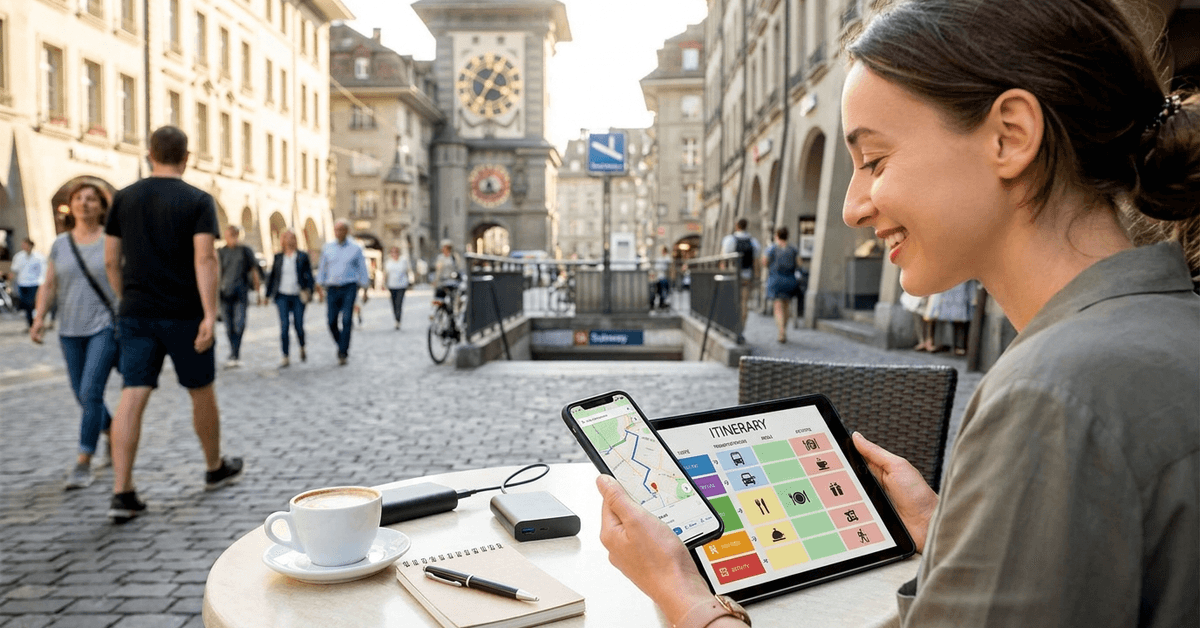
Why digital itineraries elevate your city adventures
Digital itineraries offer real-time updates and interactive planning , perfect for navigating busy cities like Paris, Tokyo, or New York.
Paper maps or generic guides may lead to missing out on hidden gems and timely events.
By using apps and online resources, travelers enjoy more flexibility and personalization.
Essential apps and tools for city travel planning
Several digital tools make itinerary creation smoother and much more effective for urban trips.
All-in-one itinerary planners
- TripIt : Automatically organizes confirmation emails from airlines, hotels, and tours into a live master itinerary.
- Google My Maps : Plots custom routes, attractions, and local favorites directly on a shareable map.
- Sygic Travel Maps : Provides curated city guides, offline maps, and personalized day plans for major metropolitan areas.
Local navigation and scheduling
- Citymapper : Offers transportation options and live transit updates for cities like London, Berlin, and Madrid.
- Rome2rio : Suggests multi-modal routes between urban locations, combining rail, metro, bus, and walking segments.
Event discovery and dining
- Eventbrite : Lists concerts, exhibitions, and pop-up events in destination cities.
- OpenTable : Helps with dining reservations—even for last-minute changes during a city visit.
Step-by-step: How to build your personalized digital itinerary
1. Define your travel goals and interests
- Identify your top priorities : art galleries, street food, architecture, or urban parks.
- A great starting point is listing a few must-see locations or experiences for the trip.
2. Choose your essential planning tools
- For first-time users, TripIt and Google My Maps provide user-friendly interfaces and broad city coverage.
- Advanced planners might prefer Sygic Travel Maps for offline functionality or Citymapper for complex public transit advice.
3. Gather must-see sights, events, and local favorites
- Research local blogs, official tourism sites, and community forums for up-to-date suggestions.
- Compile saved locations in your chosen itinerary tool for visualization and easy reference.
4. Organize activities by neighborhood or theme
- Grouping stops avoids losing time zigzagging across the city.
- For example, in Paris , combine the Louvre , Jardin des Tuileries , and Le Marais for an art-focused day.
5. Add buffer time and backup options
- Urban travel can be unpredictable. Always leave gaps for unexpected discoveries or transit delays.
- Pin a few backup spots—like cozy cafés or local parks—near each planned activity.
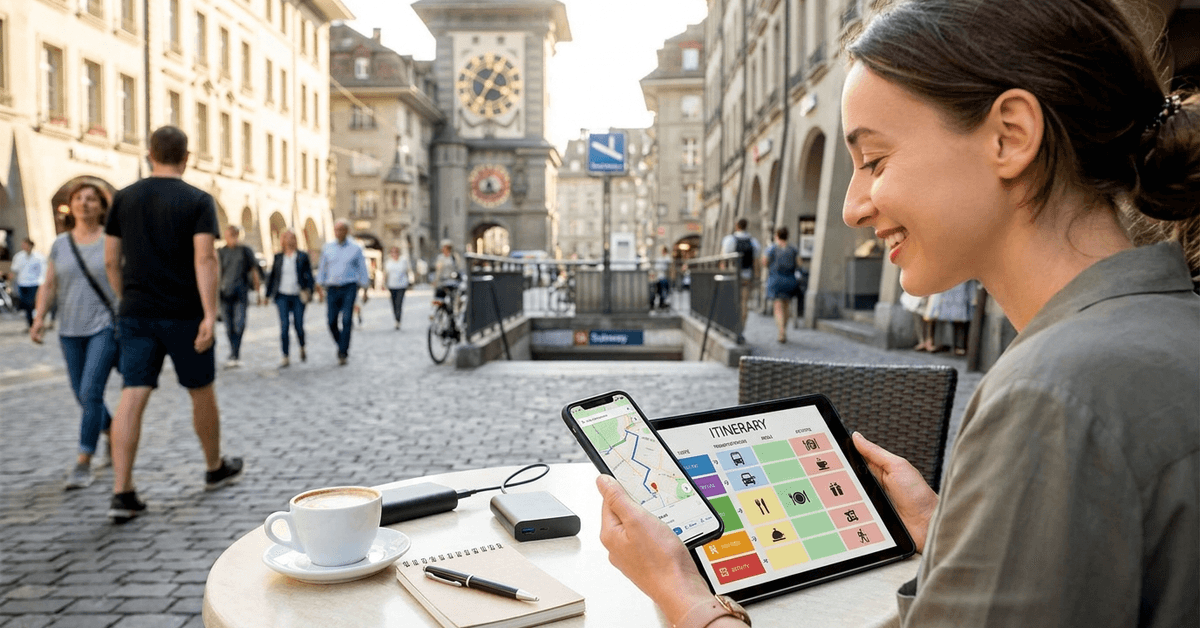
6. Visualize your day using maps and schedules
- Platforms like Google My Maps and Sygic Travel Maps visually display your route so you spot impractical connections.
- If times differ widely by day, consider color-coding or using custom icons in your app.
7. Sync and share your plan
- Many apps offer export features to share itineraries with travel companions or access them offline.
- TripIt, Google Drive, or PDF exports keep your travel details available even without connectivity .
Personalization tips: Making your itinerary unique
- Include special interests like street art tours, vintage shops, or hidden rooftop bars .
- Look for community-driven sites such as Atlas Obscura for inspiration beyond typical tourist trails.
- Mix structured activities with unscheduled exploration to avoid feeling rushed.
Maximizing flexibility and minimizing stress
Digital plans excel because they can be easily changed .
- Real-time notifications from your itinerary app alert you to transit disruptions or last-minute event changes.
- Failed reservation? Book a backup restaurant using OpenTable within minutes.
Sticking to a rigid schedule can be tempting, but allowing for spontaneous breaks leads to richer experiences—especially in unpredictable urban settings.
Integrating local guidance for deeper immersion
- Consult local guides, digital walking tours, or even public transport apps for live, location-aware suggestions.
- City-specific travel forums or Facebook groups can reveal up-to-the-minute recommendations that enhance your trip on the fly.
Safety, connectivity, and digital etiquette
- Store a backup of key reservations and maps offline in case of poor network coverage or phone battery issues.
- Use secure, public Wi-Fi with caution—trusted hotels, cafés, or libraries are generally safer choices.
- Download your itinerary and essential contact information to your device just in case.
Adapting your itinerary for different trip styles
Solo urban travelers
Pocket-friendly apps and flexible mapping are perfect for solo visitors who might wish to change plans at the last minute.
Family or group trips
Shared access via Google Drive or collaborative apps streamlines coordination so everyone stays on the same page.
Business city visits
Integrating meetings with networking events or work-friendly cafés helps balance productivity and discovery.
Comparison of top itinerary apps for city travel
| App Name | Best For | Offline Access | Unique Feature |
|---|---|---|---|
| TripIt | All-in-one travel | Partial | Email syncing |
| Google My Maps | Custom route planning | Partial | Collaborative mapping |
| Sygic Travel Maps | Offline city guides | Full | Pre-made day plans |
| Citymapper | Live urban transit | Partial | Multi-modal routes |
| Rome2rio | Route research | No | Regional transport options |
Conclusion
Leveraging digital itinerary planning transforms any city trip into a more stress-free and rewarding experience.
With a little preparation, the right apps, and thoughtful backup plans, exploring complex urban environments feels far less intimidating.
Urban living and travel blend best when plans are flexible, resources are accessible, and every day is tailored to unique preferences.
For those seeking richer adventures, digital tools are no longer optional—they are the smartest companion for navigating city life on your own terms.