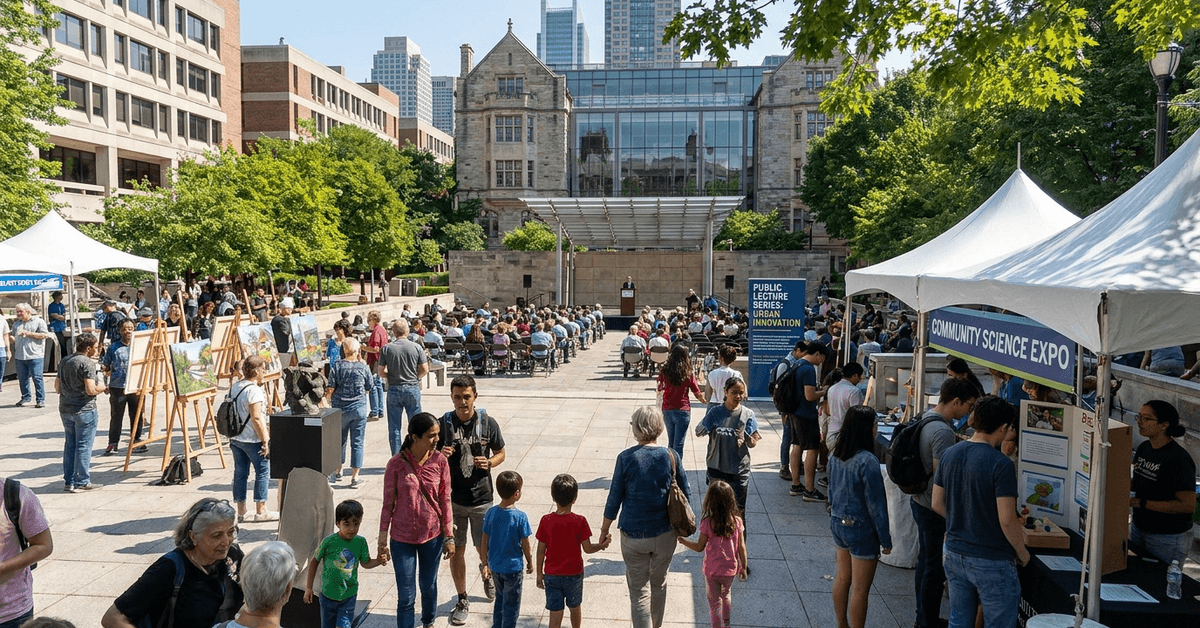
Many major cities are home to renowned universities. These institutions regularly host a range of events open to the public. For urban explorers and curious locals, these gatherings can offer learning, entertainment, and even networking.
Yet plenty of people overlook these university events, believing they are only for enrolled students or faculty.
That’s not actually the case in most places. Let’s break down how anyone can benefit from these opportunities, with a focus on practical steps for finding and attending them.
Why University Events Are Worth Your Time
Universities often act as cultural hubs. Public events span music, art, science, business, and social topics. They can expose you to ideas and people you’d rarely meet elsewhere.
New Learning Experiences
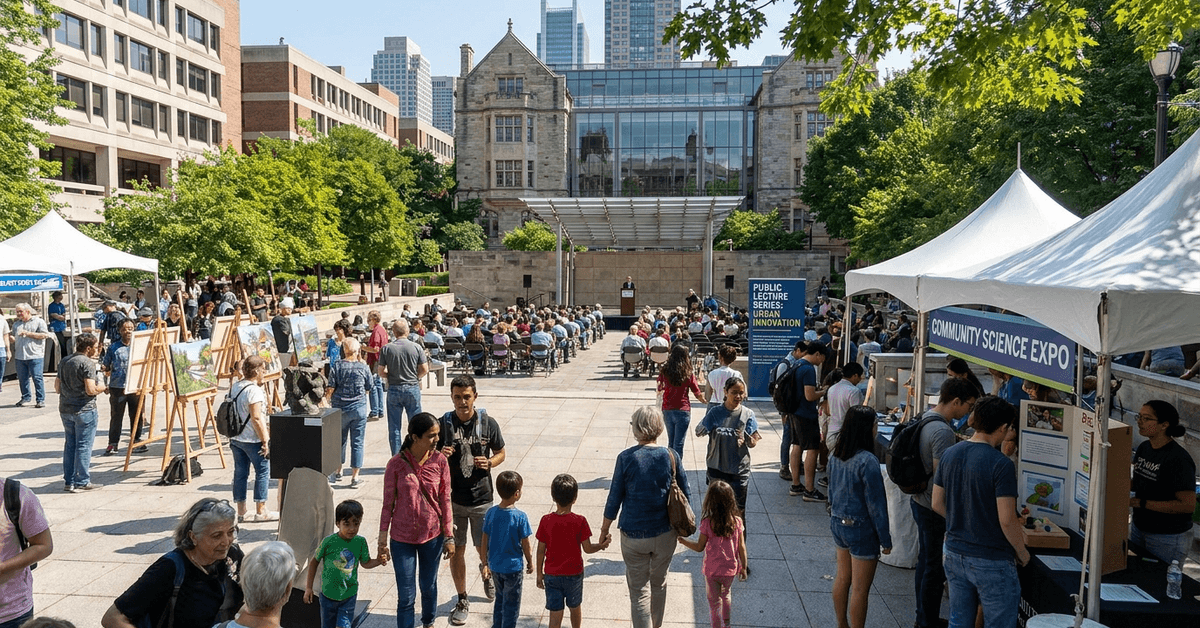
Workshops, guest lectures, and panels cover emerging trends and specialized topics. These sessions are usually presented by leading experts or visiting scholars.
Major cities like Berlin or Toronto regularly host open science fairs and technology expos on campuses, drawing large crowds from all backgrounds.
Affordable or Free Access
A significant portion of public university events are free. Some incur minimal entry fees to cover costs. Compared to typical city entertainment, these can be bargains.
Networking Beyond Your Circle
Attendees are often diverse: students, young professionals, retirees, and enthusiasts from the community. Mingling at these events can lead to surprising connections.
Cultural Discovery
Many campuses run film retrospectives, art shows, or international festivals. These events often invite the public as a matter of policy or tradition.
How to Find University Events Open to the Public
The first step is identifying where and how public events are announced. Not all university happenings make it to mainstream event sites. Knowing where to look is key.
Official University Calendars
Most universities have an official events calendar. Searching for “event calendar” on a college’s website is usually effective. For example, Harvard Events Calendar covers all public happenings on their campus.
Similarly, New York University maintains a detailed public schedule online. Larger urban universities nearly always have a similar resource.
City-Focused Event Apps
- Eventbrite lists public lectures, concerts, and campus events in most major urban areas.
- Meetup sometimes features academic club meetings or special talks that welcome non-students.
- The app Univents (if available locally) can aggregate events from multiple campuses into a single feed.
Social Media Pages
Departments and student organizations often maintain separate Facebook or Instagram profiles. Following these can give you real-time alerts for upcoming open events.
Some Twitter accounts, like @LondonUnis or @ParisEvents, curate listings specifically for their city’s university happenings. Watching event hashtags is a surprisingly reliable discovery technique.
Physical Campus Boards
If you happen to live near a campus, check out bulletin boards in public areas. Posters and flyers often advertise open events, and sometimes these are not listed online at all.
Types of Public University Events to Look For
The diversity of options can be surprising. Here are some of the most accessible and interesting event categories, based on real campus calendars from cities like Boston, Barcelona, and Sydney.
Public Lectures and Keynotes
- Presentations on trending research
- Talks by notable guest speakers
- Science and technology demonstrations
Performing Arts Shows
- Student theater productions
- Open jazz nights and classical concerts
- Dance recitals or literary readings
Open Exhibitions and Festivals
- Cultural fairs (food, crafts, international days)
- Art or photography gallery openings
- Annual science or sustainability fairs
Sports Matches
- Intermural games
- Exhibition matches
- Special tournaments or alumni events
Step-by-Step: Making the Most of Public University Events
Once you’ve found promising events, a strategic approach can help maximize your experience. Here’s a straightforward process:
- Scan university event calendars weekly to spot upcoming open events. Sorting by category or topic can help with crowded listings.
- If an event interests you, search for the organizing department’s social pages. These often share last-minute details or schedule changes.
- Register in advance when possible, especially for free events where capacity is limited.
- Arrive early if venue space appears small. Many events are first-come, first-served.
- Bring a notebook or download session materials if learning is your goal. Some universities publish handouts or slides online afterward.
- Stay open to conversation. Other attendees can be great sources for tips about upcoming university happenings that aren’t widely advertised.
Apps and Online Tools to Enhance Your Search
Besides official websites, specialized apps can offer a broader view. Some tools are available worldwide, while others focus on specific countries.
Eventbrite
This app’s powerful search filters let you quickly find university-related gatherings by date and location. Usually, you can reserve a spot or ticket with just a few taps.
Meetup
Some university groups post talks or walks open to all. Filtering by “Education” or “Culture” surfaces these listings in many urban hubs.
Univents
A more campus-focused event aggregator, Univents is popular in cities like Paris and Berlin. It combines several colleges’ public events into one feed, boosting discovery potential.
Tips for Respectful and Rewarding Attendance
Public events at universities are inclusive, but certain etiquette helps everyone enjoy the experience. Here are points to consider:
- Check if registration is required. Some events are walk-in, but others expect online sign-up.
- Avoid arriving late. Open events often rely on tight schedules and limited seating.
- Dress appropriately for the occasion. Academic lectures might be less casual than music festivals.
- Engage politely when asking questions. Some sessions allocate Q&A slots.
- Respect campus policies regarding photography or recording.
Staying courteous can also mean leaving feedback if prompted. Universities appreciate responses from the broader community, and this can sometimes lead to invitations for future gatherings or previews.
City Examples: Where to Start in Major Urban Centers
Every city offers unique university events. Here are just a few examples to inspire where you might begin your search.
- Boston: Harvard and MIT list public science lectures and art openings monthly. Check their official calendars for details.
- London: UCL and King’s College London host public discussions on current affairs, accessible via their event websites.
- Barcelona: Universitat de Barcelona organizes seasonal music recitals and language cafes, welcoming all residents.
- Sydney: University of Sydney’s “Sydney Ideas” series features open panels and exhibitions for city dwellers.
Conclusion
Attending university events open to the public is one of city life’s best-kept secrets. These occasions combine learning, entertainment, and connection, making them a rich resource for anyone eager to explore more of their urban environment.
With the right tools and approach, you can unlock a steady stream of fresh experiences at campuses near you.
Whether your goal is expanding your knowledge, enjoying performances, or meeting new people, public university events deliver consistent value. Taking just a little time to seek them out could enrich your city living in ways you might not expect.