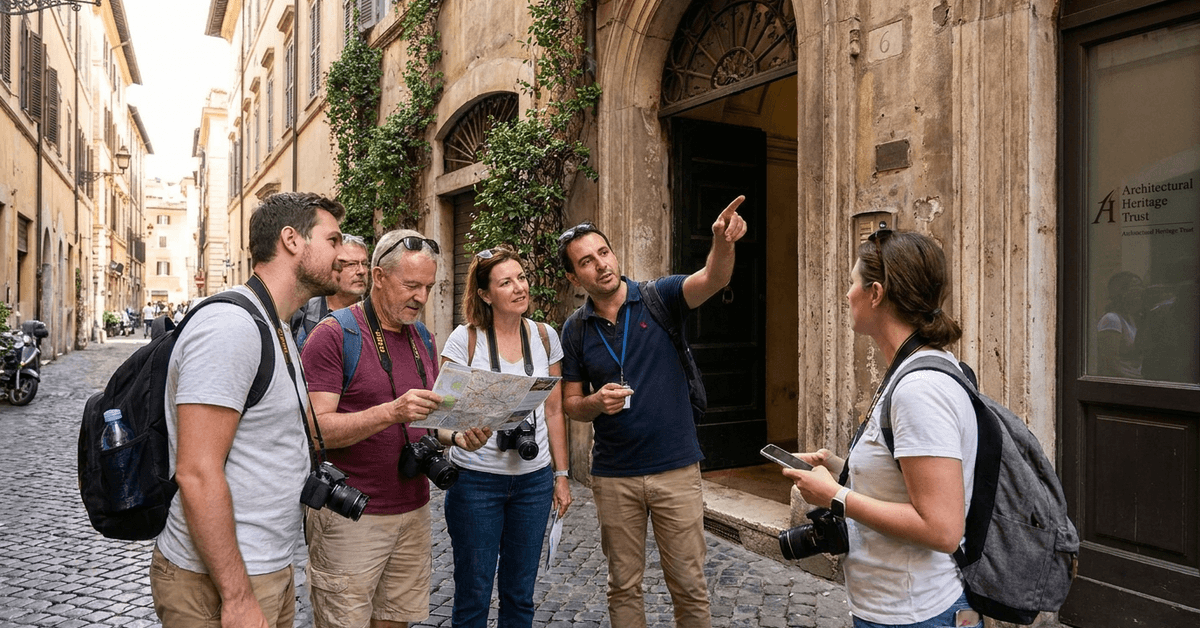
Historic cities have layers of stories hidden in plain sight. Many travelers only see the obvious tourist sites. Uncovering lesser-known architecture tours reveals a deeper side of urban heritage.
This guide shares specific strategies for discovering these hidden experiences. Travelers, new residents, and architecture fans alike can use these tips for richer city exploration.
Why seek out hidden architecture tours?
Historic cities brim with well-trodden landmarks. Yet, guided tours focused on unique architecture often take visitors beyond the postcard views. The real magic occurs on tucked-away alleys and in overlooked neighborhoods.
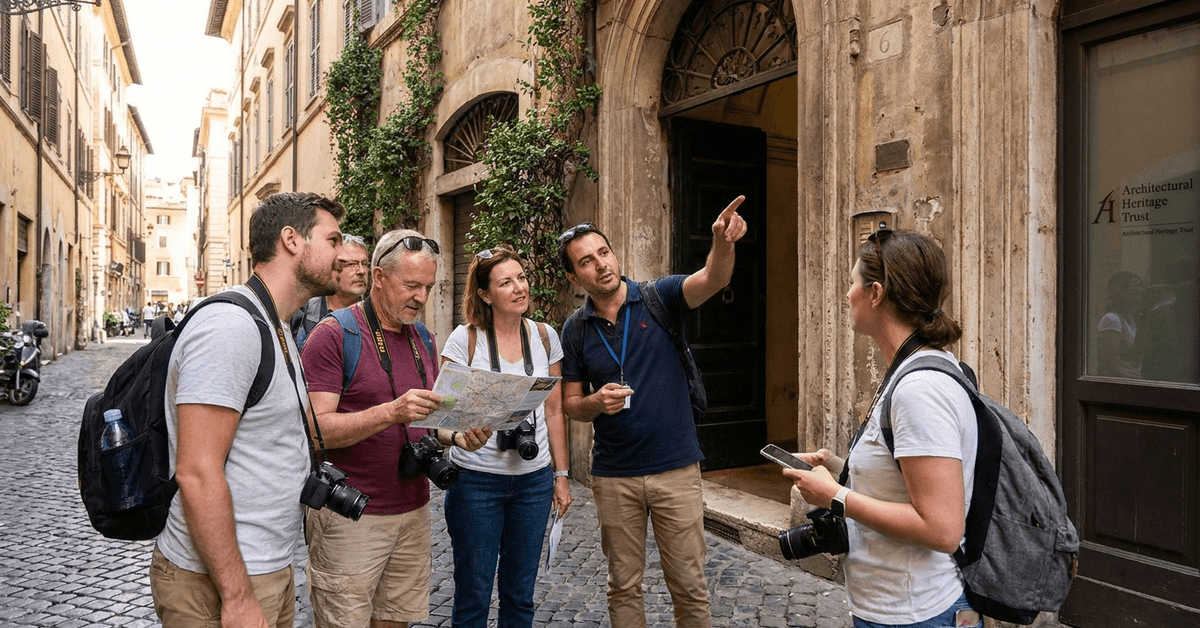
Finding these tours can lead to unexpected insights. Sometimes, you meet residents passionate about sharing their city’s secrets.
Research strategies for finding unique tours
Searching city-specific platforms
Many tours remain off the mainstream radar. A focused search on dedicated platforms is an effective starting point.
- Eventbrite often lists intimate local walks.
- Atlas Obscura shares unconventional city experiences in major destinations.
- Yelp reviews sometimes mention unofficial or pop-up tours.
Leveraging local blogs and forums
Some of the best tips surface on local blogs. Residents love to share stories about their favorite buildings or unknown passageways.
- City-focused communities on Reddit, like r/London or r/Paris, include threads on hidden tours.
- Instagram posts using hashtags such as #hiddenarchitecture or #localtours can highlight guided walks.
- Facebook groups for expats or architecture fans in a city offer recommendations from people with inside knowledge.
Connecting with architecture schools and institutions
Colleges often organize guided walks for students and the public. Check the events section of architecture school websites. Locations like the Paris Architectural Association and the Bauhaus School in Weimar frequently host expert-led tours.
City cultural centers sometimes post announcements on their bulletin boards. These institutions rarely advertise outside their networks, making a direct visit worth considering.
Using mobile apps and digital tools
Specialty apps for guided walks
Digital platforms can unlock architectural riches. The Detour app offers in-depth audio journeys tailored to architecture buffs. Curious travelers may also enjoy Actionbound for interactive city quests focused on building details and city history.
Tour aggregator platforms
Global apps collect multiple providers in one searchable place. For instance:
- GetYourGuide aggregates both mainstream and niche tours, searchable by theme or neighborhood.
- GuruWalk connects visitors with local hosts who know city architecture intimately.
- Viator sometimes lists hidden-gem walking tours not advertised elsewhere.
Step-by-step: How to uncover a hidden tour
- Start with the city’s tourist board website and look for “unusual” or “off the beaten path” tours. These sometimes feature one-off architectural explorations.
- Browse blog articles titled “hidden gems of…” or “architecture secrets in…” to spot names of specialized tour providers or local guides.
- Use Google Maps to pinpoint interesting neighborhoods, then search for local walking tours starting from those locations. Often, smaller outfits operate in less famous districts.
- Check the upcoming events calendars of museums and architecture societies in your target city.
- Walk into local bookstores or cultural centers. Staff may have brochures or personal advice on self-guided tour booklets.
Examples: Hidden architecture tours in iconic cities
Rome
The Open House Roma initiative unlocks normally closed buildings for public tours once a year. Small groups like Nero’s Walking Tours share stories of Baroque structures out of standard guidebooks.
Prague
Prague’s Cubism tours reveal a unique style not found in most European cities. The DOX Centre often collaborates with architects for custom walks in new creative districts.
New Orleans
Beyond the French Quarter, groups such as New Orleans Architecture Tours dive into lesser-seen Creole cottages. Locals sometimes advertise porch walks on community boards.
Lisbon
Look out for Lisbon Story Centre’s programs highlighting Moorish, Manueline, and Art Deco details. The Gulbenkian Foundation also hosts occasional behind-the-scenes architecture events, though availability varies.
Questions to ask before joining a hidden tour
- Who is guiding the tour, and what credentials do they have?
- Is the group size intimate, or will there be crowds?
- Does the tour require advance booking, or can participants join last-minute?
- Are private or custom tours available for deeper dives?
- How much walking, standing, or stair climbing is involved?
Practical safety and accessibility considerations
Exploring unfamiliar architecture sometimes involves uneven pavements or older structures. Not every tour is fully accessible. Inquire about terrain and mobility accommodations before booking.
Many hidden tours avoid main roads to focus on backstreets and courtyards. Comfortable shoes and light bags help. Some organizers provide audio headsets so participants can hear guides in busy city areas.
Legal tips: Respecting property boundaries
The best tours operate with permission in public or semi-public spaces. If a building is normally closed, make sure the tour has arranged legal access. Respect any guidelines the host shares regarding photography or behavior inside private homes.
It is safest to avoid self-directed exploration inside abandoned or off-limits buildings. Organized tours not only add safety but also provide valuable background from experts.
Maximizing Your Experience on the Tour
A little preparation can make a hidden architecture tour more engaging and memorable. Participating actively allows you to gain a deeper understanding of the buildings, neighborhoods, and stories shared by your guide.
Prepare Questions in Advance
Guides usually appreciate thoughtful questions from interested participants. Asking about architectural styles, restoration projects, or the history behind a particular building often leads to fascinating stories that are not included in the standard tour.
If you have researched the area beforehand, your questions may encourage even more detailed explanations.
Document Your Discoveries
Carry a small notebook or use a digital note-taking app to record interesting facts, addresses, or recommendations.
Voice memos can also be useful for remembering details after the tour. Many locations allow photography, but always confirm whether non-flash photos are permitted before taking pictures, especially inside historic buildings or private spaces.
Connect With Fellow Participants
Take time to chat with other guests during breaks or after the tour. They may recommend additional walking routes, museums, exhibitions, or local cafés worth visiting.
Conversations with fellow architecture enthusiasts can also introduce you to upcoming heritage events, guided walks, or community organizations that celebrate local history and design.
Conclusion
Hidden architecture tours grant fresh eyes on the world’s most historic cities. Whether found through digital platforms, local institutions, or personal connections, these experiences offer authentic stories and deeper understanding.
Some travelers may hesitate, unsure where to begin. With this guide and a little curiosity, unlocking unseen layers of city life becomes accessible for everyone. The architecture you overlook today might become your favorite memory tomorrow.