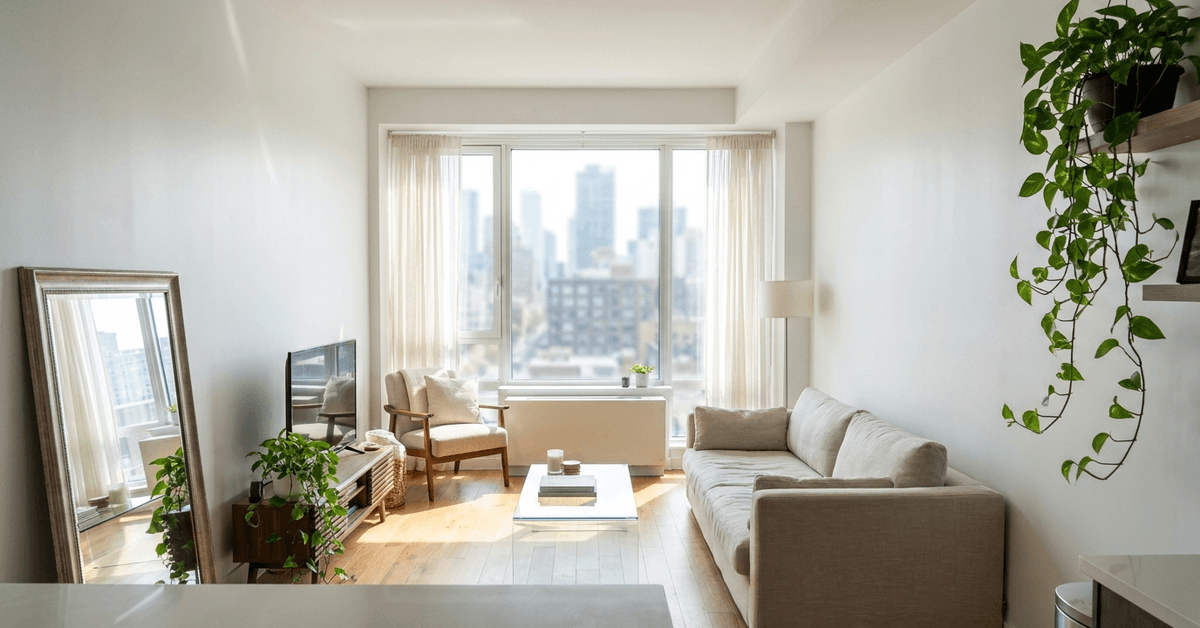
Living in an urban apartment often means limited sunlight, especially in older, narrow buildings found in cities like New York, London, or Tokyo. Still, there are many strategies to maximize the little daylight you receive.
This guide is for anyone dealing with low-light interiors, whether you’re a long-term renter, a student, or a city dweller hoping to boost your home’s livability. Achieving a brighter apartment can improve mood, productivity, and even property value.
Why Maximizing Natural Light Matters in City Apartments
Many apartments in dense cities have small windows, thick walls, or awkward layouts. These spaces can feel gloomy and tight. Sunlight does more than just light up a room.
Impact on mood and health
Even moderate daylight exposure helps boost energy and mental well-being. In cities like Stockholm, where winters are long, natural light is vital. Dark interiors contribute to fatigue or poor sleep.
Energy savings and sustainability
Greater daylight means less reliance on artificial lighting. This can lower electricity bills. Small changes often create a noticeable difference in monthly costs.
Apartment value and appeal
Bright interiors are usually more attractive to tenants or buyers. Home listings mentioning “lots of natural light” often receive more interest on platforms like Zillow or Rightmove.
Assessing Your Current Apartment Layout for Daylight
Understanding where and how sunlight enters helps inform your next steps. The direction your windows face matters. North-facing units in Chicago rarely get direct sun. South-facing options in Sydney can be sun-filled.
Map light sources
- Check which rooms get morning sun and which catch afternoon rays.
- Sketch your floor plan, noting window sizes and any large buildings across the street.
- Identify obstacles such as heavy drapes or overgrown trees outside.
Measure interior brightness
A phone app like Lux Light Meter Pro can measure current light levels in lux (a metric for brightness). Readings over 300 lux in living spaces signal decent daylight. If readings are well below, you may want to prioritize brighter areas for living or work.
Optimizing Window Treatments for Maximum Light
Window dressings often block more sunlight than you might expect. Some curtains absorb light while some blinds allow sun to filter in.
Choosing the right materials
- Sheer polyester or linen curtains allow sunlight with privacy.
- Venetian or vertical blinds in a light color diffuse sunlight evenly.
- Avoid blackout curtains except for bedrooms.
Maintenance tips
- Keep windows clean, as dust and dirt noticeably reduce light transmission.
- Moldings or plants on window sills can block sunlight. Keeping them minimal allows more light to enter.
Using Color and Surface Finishes to Brighten Your Apartment
A key trick in small or dark homes is to bounce available light around the room. Color choices hugely affect perceived brightness.
Paint and finishes
- Light-reflecting white or pastel paint multiplies sunlight. Matte finishes work, but satin or eggshell reflects better.
- Glossy surfaces on cabinets or furniture can bounce rays further.
Reflective or transparent furnishings
- Glass tables, acrylic chairs, and metallic décor reflect and transmit light.
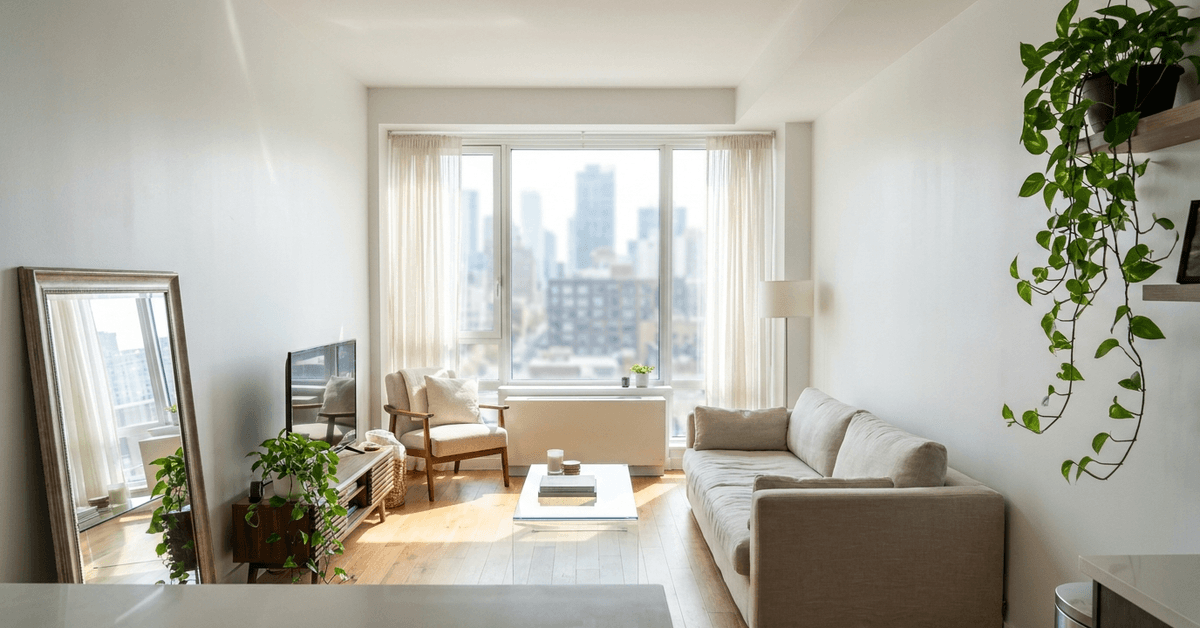
- A large mirror placed opposite a window can double the effect of incoming daylight.
Furniture Arrangement and Layout for Better Daylight Flow
Where you put your furniture dictates how sunlight travels. Many city apartments have narrow layouts, so choices matter.
Strategic furniture placement
- Low-profile sofas and beds let sunlight drift further into the room.
- Avoid blocking window pathways with tall shelves or wardrobes.
Maximizing open spaces
- Open shelving feels lighter than closed cupboards.
- Avoid clustering furnishings in window corners.
- Placing desks or workspaces near windows boosts productivity.
Leveraging Smart Tech and Urban Daylight Tools
Apps and tech make it easier to analyze and enhance natural light, especially useful in urban living where sunlight is unpredictable or limited.
Daylight simulation apps
- SunCalc: Shows the sun’s path for your address year-round. Useful for planning furniture moves or renovations.
- Velux MyDaylight: Lets you simulate daylight in any room based on geography. Available for Android and iOS.
Smart window gadgets
- Automated blinds adjust with the sun, found via brands like Lutron or IKEA.
- Daylight-redirecting window films can angle sunlight toward ceilings or further into rooms.
Decor Solutions for Tricky, Dark Corners
Some parts of a narrow apartment will remain dim, no matter the time of day. Targeted decor can help soften and brighten these areas.
Accent lighting and placement
- Floor lamps placed near walls bounce light efficiently.
- LED strip lighting under shelves gives subtle, indirect illumination.
Adding indoor greenery
- Low-light loving plants, such as ZZ Plant or Pothos, thrive in darker spaces. They also add a sense of freshness and visual interest.
Practical Examples From Global Cities
City residents often use creative design choices to make compact homes feel brighter, larger, and more comfortable. Looking at solutions from different cities can provide useful ideas for improving light, privacy, and space.
Paris: Mirrors for More Depth
In Paris apartments, designers often place mirrors on opposite or adjacent walls to reflect natural light. This technique can create the illusion of greater depth while brightening narrow rooms.
Hong Kong: Glass Partitions
Space-saving glass partitions are common in Hong Kong homes. They separate sleeping, working, or dining areas without blocking light or making the apartment feel closed in.
Berlin: Privacy Without Darkness
Berlin renters may use high-placed windows, frosted glass, or diffusing screens. These options protect privacy while still allowing sunlight to enter the room.
Toronto: Flexible Window Areas
In Toronto, window benches create comfortable spaces for reading or relaxing in limited sunlight. Low-profile bookshelves are often used nearby to provide storage without blocking sightlines or making rooms feel crowded.
Conclusion: Bringing More Light Into Your City Home
Maximizing natural light in a dark, narrow apartment is as much about thoughtful decisions as physical space. Simple changes such as rearranging furniture or updating window coverings can lead to immediate improvement.
Combining reflective surfaces, strategic color use, and leveraging modern apps or tools may collectively turn a once gloomy room into a bright urban retreat.
Ultimately, a well-lit apartment enhances daily living and brings the most out of city life, no matter the building’s age or layout.