Category: Travel & Day Trips

  • A Guide to Exploring Local State Parks Without a Car

    A Guide to Exploring Local State Parks Without a Car

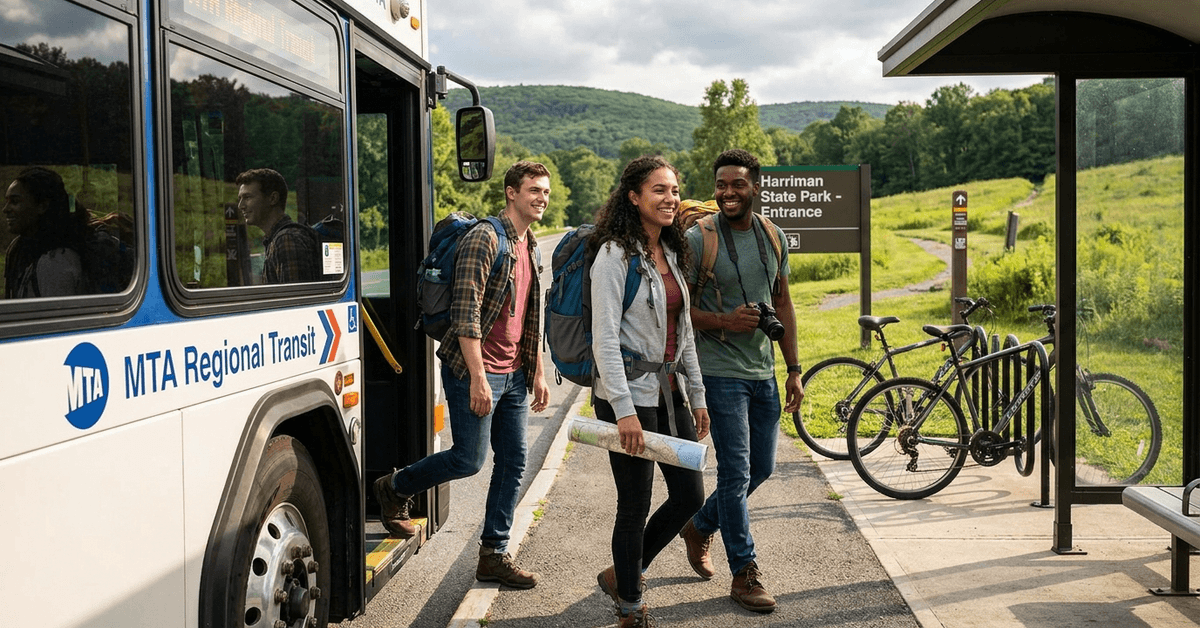
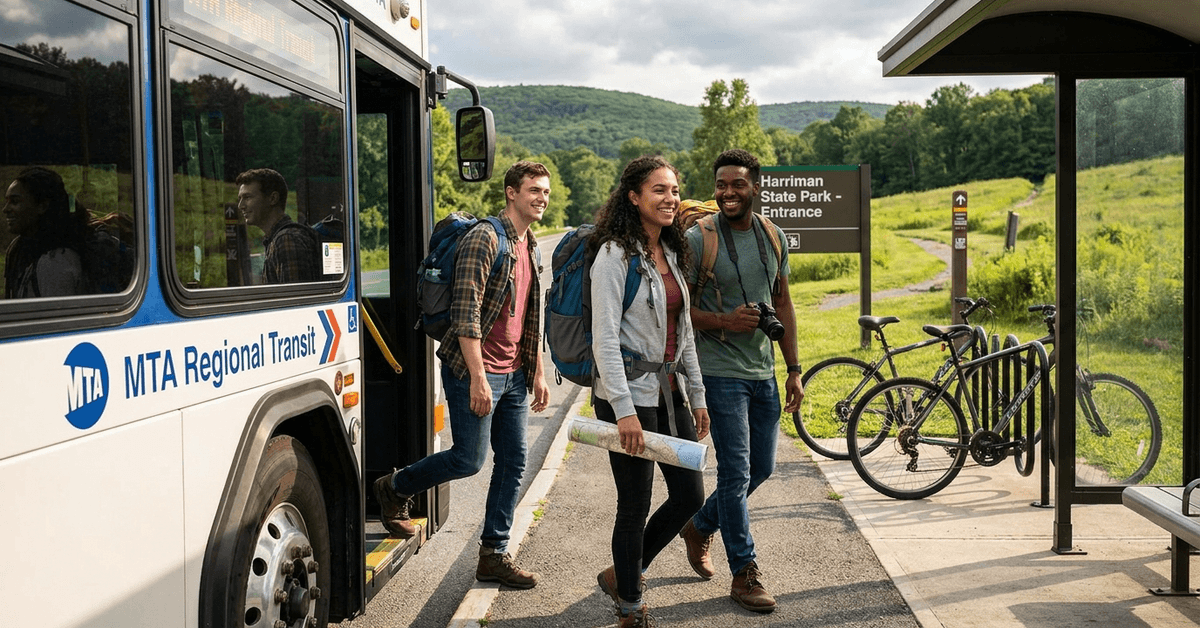
    Living in a city can feel busy, but local state parks are closer than many realize. For those without a car, exploring these parks is entirely possible with the right resources and planning.

    This guide is ideal for city dwellers, students, or anyone seeking a break in nature without access to a personal vehicle. The main benefit is clear: fresh air and green spaces are not exclusive to car owners.

    Why Explore State Parks Without a Car?

    Accessing nature supports mental health and well-being. Parks provide clean air, exercise opportunities, and moments to unplug from urban life.
    A Guide to Exploring Local State Parks Without a Car

    Going car-free saves money, supports sustainability, and challenges the idea that outdoor recreation is only for drivers.

    Understanding Your Local Options

    Not every state park is easily reached by public transit, but many are located near major metro areas. Identifying these options is key.

    Examples of Accessible State Parks by City

    • New York City: Pelham Bay Park, Harriman State Park (accessible via Metro-North)
    • San Francisco: Angel Island, Mount Tamalpais
    • Chicago: Indiana Dunes National Park
    • Seattle: Saint Edward State Park

    Checking your nearest city’s parks department site or the State Parks official website often helps find the best options.

    Step-by-Step: Planning Your Car-Free State Park Trip

    1. Find Parks on Transit Lines

    The AllTrails app and Google Maps are effective tools for finding parks that link with public transportation. Transit agency trip planners also highlight routes and possible connections.

    2. Research Transportation Details

    • Use transit agency websites (like MTA, BART, or WMATA) for current routes and schedules.
    • Check if weekend or holiday service differs.
    • See if a transfer to local buses or shuttles is needed to complete the trip.

    3. Consider Biking for the Last Mile

    Many parks are within biking distance from a train or bus stop. A folding bike, city bike-share, or simple rental is sometimes the fastest way to travel the last few miles.

    • Citi Bike, Divvy, and Bay Wheels are ride-share options in popular cities.
    • Check Google Maps cycling routes for paths that avoid high-traffic roads.

    4. Plan Entry and Park Fees

    Some state parks charge entry fees or parking permits, which may still apply even if arriving car-free. The state parks official website lists this information clearly for each park.

    Apps and Tools That Make It Easier

    Navigation Apps

    • Transit App: Real-time bus and train schedules for most US cities.
    • Moovit: Multimodal trip planning, including last-mile options.

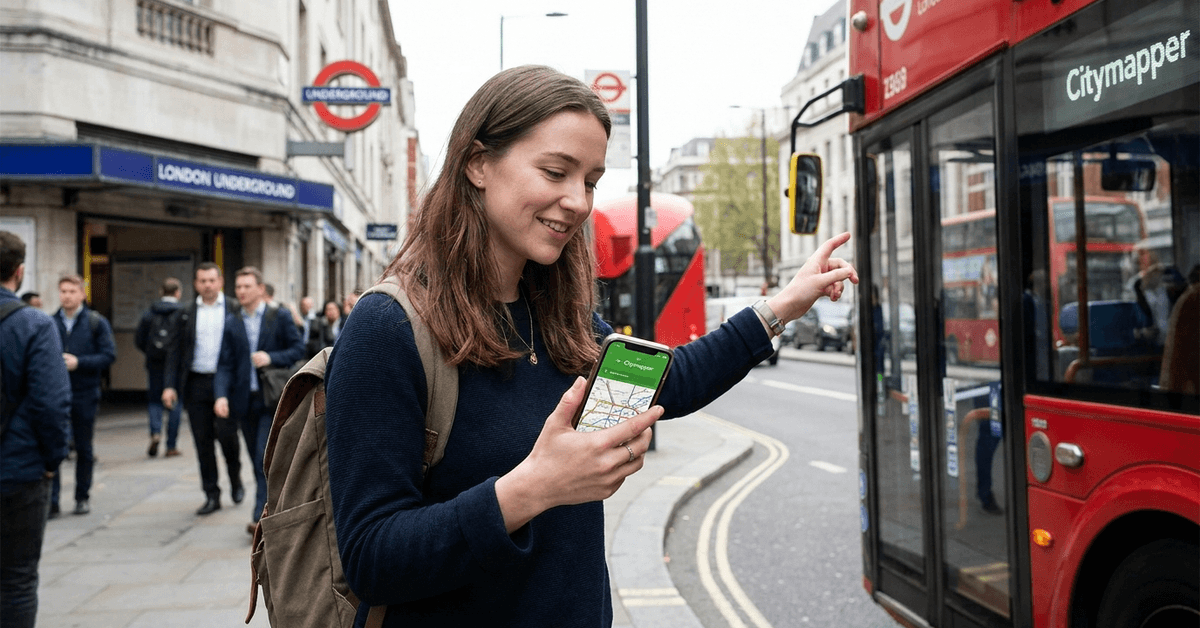
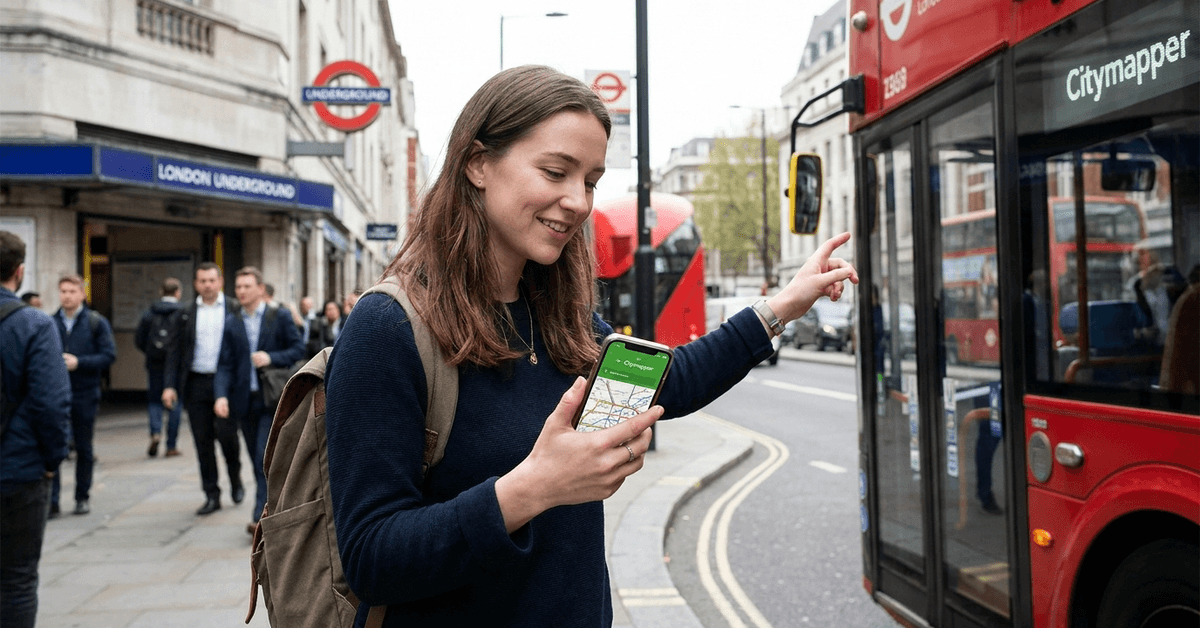
    Citymapper is another option, offering walking, cycling, and public transport combinations.

    Park Discovery Apps

    • AllTrails: Trail maps, reviews, and navigation inside state parks.
    • Recreation.gov: Booking and details for park entrances and shuttle schedules.

    Each of these can be downloaded on both iOS and Android for convenience.

    What to Pack for a Car-Free Park Visit

    Visiting a park without a car requires thoughtful packing because you may not have quick access to extra supplies. Bring only the essentials so your bag stays comfortable while walking, cycling, or riding public transportation.

    Carry Water and Energizing Snacks

    Use a lightweight backpack with enough water for the entire outing. Pack high-protein snacks such as nuts, granola bars, cheese, or sandwiches to maintain your energy between stops. 

    Reusable containers can reduce waste and prevent food from being crushed.

    Wear Comfortable Clothing and Shoes

    Choose comfortable walking shoes or sturdy sneakers that can handle paved paths, dirt trails, and uneven ground. 

    Dress for the expected weather by bringing light layers, sun protection, or compact rain gear. Avoid bulky clothing that may become difficult to carry later.

    Prepare Your Phone and Navigation Tools

    Bring a portable phone charger to keep navigation, transit apps, and emergency communication available. 

    Download park maps and transit directions before leaving, especially if cell service may be unreliable. A printed trail map provides a useful backup.

    Organize Transportation Essentials

    Load your transit card or prepare mobile fare payments before starting the trip. Keep identification, tickets, and a small amount of emergency cash in a secure pocket. 

    Having everything ready helps you avoid delays and makes transfers between buses, trains, and park entrances much easier.

    Frequently Asked Questions: Real-World Experience

    How reliable is public transit for park access?

    Schedules are usually reliable, especially near large cities, but occasional delays can happen. Bringing a book or podcast can make any waiting more enjoyable.

    Are there late or return trips to the city?

    Some lines run less frequently in the evenings. It’s smart to check the last return trip time and set a reminder so you don’t miss it.

    Can you safely store valuables?

    With no car to lock things inside, keep essentials in a small backpack. Leave unnecessary valuables at home for peace of mind during your adventure.

    Tips for a Smooth, Enjoyable Trip

    A successful park visit begins with a clear plan. Thinking about timing, trail difficulty, transportation, and safety before leaving can help you avoid unnecessary stress and enjoy the scenery at a comfortable pace.

    Start Early in the Day

    Leave home early to make the most of daylight and spend more time on the trails. Morning transit is often less crowded, and parks may feel quieter before afternoon visitors arrive.

    Starting early also gives you extra time to handle delays, rest breaks, or changes in weather.

    Explore With Friends

    Traveling with friends can make the journey safer and more enjoyable. Group members can help with navigation, share supplies, and provide support if someone becomes tired or injured. 

    Discuss transportation plans and walking speeds before beginning so everyone remains comfortable.

    Share Your Itinerary

    Tell a trusted person where you are going, which trail you plan to follow, and when you expect to return. This is especially important when visiting remote or less crowded parks. Keep your phone charged and update your contact if your plans change.

    Select a Manageable Trail

    Choose shorter routes or loop trails when visiting an unfamiliar park. These options are usually easier to navigate and reduce the chance of becoming stranded far from the entrance. 

    Review the trail distance, elevation, surface conditions, and estimated completion time before setting out.

    Conclusion: Car-Free Park Adventures Are Closer Than You Think

    Exploring local state parks without a car is not just a practical alternative—it often leads to a richer, more mindful travel experience. 

    Many city residents discover new corners of their region this way, experiencing neighborhoods, bike trails, and local coffee shops along their journey. While planning takes some adjustment, car-free day trips save money and lower your environmental impact. 

    Each successful trip builds confidence for the next one. In time, these green escapes will become a regular part of city living, available to everyone, with or without keys in hand.
  • Best Ways to Experience a City’s Culture in Under 24 Hours

    Best Ways to Experience a City’s Culture in Under 24 Hours

    Visiting a city for just one day presents a unique challenge. Time is tight, but the desire to connect with real culture is high.

    Whether traveling for business or during a stopover, these proven strategies will help create meaningful urban memories, fast.

    Understanding Cultural Depth in a Day

    A full cultural experience is more than just sightseeing. It’s tasting, listening, and watching everyday life unfold.

    Best Ways to Experience a City's Culture in Under 24 Hours

    Most cities reveal their character through small details. This can be seen in food, public art, and shared spaces.

    Why Just Seeing Landmarks Isn’t Enough

    Main attractions only tell one part of a city’s story. The real energy often exists beyond guidebook top-10 lists.

    Locals rarely linger at monuments. Insight grows quickest by adopting their pace and habits, even if briefly.

    Focusing Your Exploration for Maximum Impact

    Choosing one or two neighborhoods often yields richer results than trying to cover the entire city. Each district can reflect a different cultural layer.

    A good approach is to research local favorites—cafĂ©s, open-air markets, and green spaces where daily life is visible.

    Preparation: Setting Yourself Up for Success

    Planning can make or break a short visit. Advance research means less time lost. A little homework carries a big payoff.

    Key Apps and Tools for Efficient Exploration

    • Google Maps: For custom walking routes and quick transit.
    • Culture Trip: Insights into lesser-known spots and local hidden gems.
    • Eatwith: Book communal dining experiences with residents.
    • Spotted by Locals: Real-time neighborhood tips by handpicked city insiders.

    Using these digital tools can offer surprising efficiency. Maps and offline guides especially help avoid connectivity issues.

    Packing Light but Smart

    Comfortable shoes and a portable charger are essential. Sudden rain or long walks happen, so pack accordingly.

    Carrying essentials ensures flexibility, especially if spontaneous plans arise in the city.

    Immersing in Local Life: Step-by-Step Guide

    Maximizing cultural exposure begins with observation and curiosity. The following steps are common in most vibrant cities:

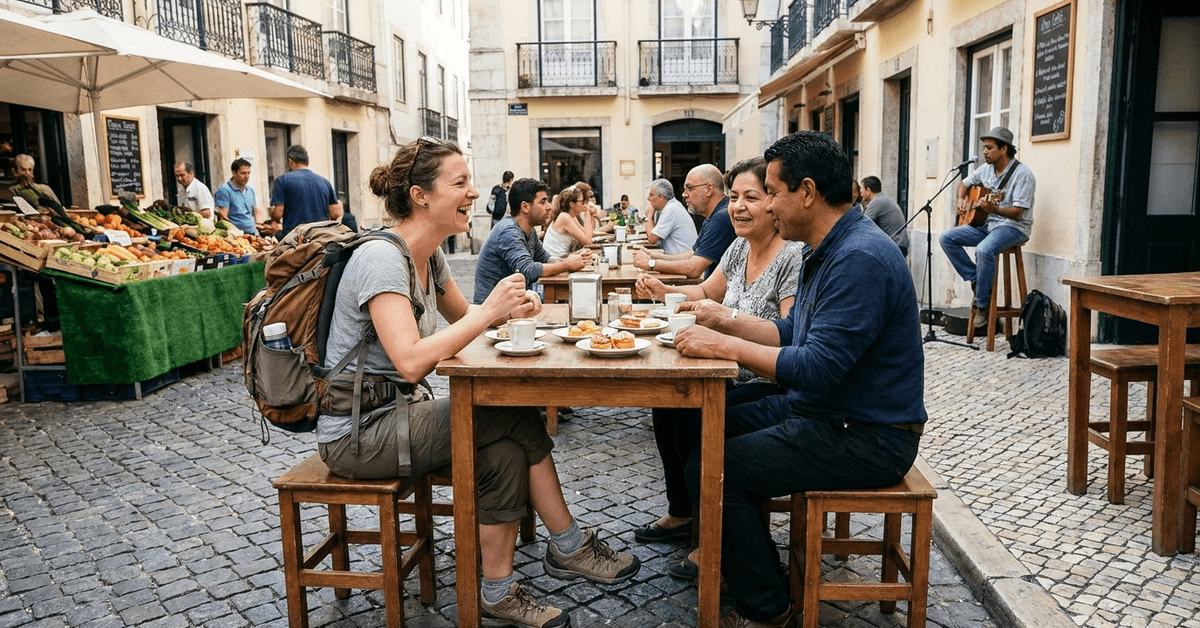
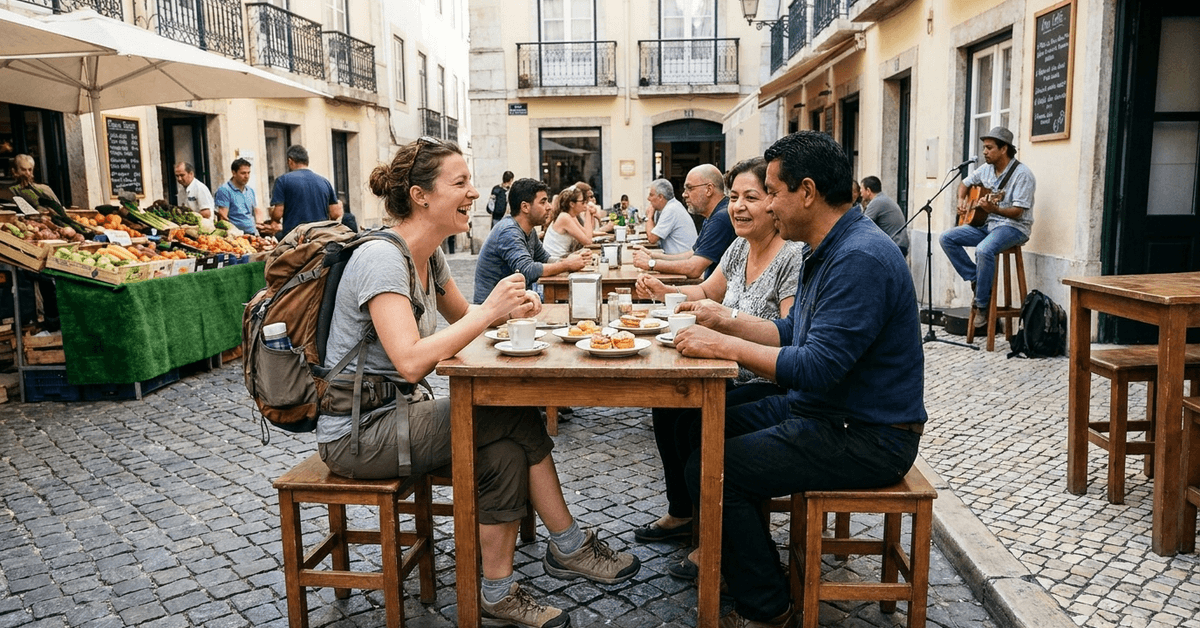
    1. Start at a Morning Market. Fresh food markets often open early and show the rhythm of city mornings.
    2. Have breakfast at a local café. Choose somewhere busy with locals, not tourists.
    3. Walk through a residential street or park. Observe morning routines and overhear native conversations if possible.
    4. Check for a seasonal event or street festival. Even a lunchtime concert can reveal a lot about the city.
    5. Opt for lunch at a market stall, food truck, or small eatery.
    6. Visit an art gallery or museum with a regional focus.
    7. Take public transit for at least one leg of your journey. Notice the details: announcements, advertising, local etiquette.
    8. In the afternoon, stop at a neighborhood bakery or snack shop for a quick refresh.
    9. End the day at a local gathering spot—be it a riverside, plaza, or casual bar. This is a chance to unwind and observe the evening energy.

    Optional Short Cultural Workshops

    Many cities offer quick drop-in classes, such as pottery, street photography, or cooking. Skill-sharing connects visitors with residents in a direct, memorable way.

    Examples of Cultural Hotspots Worldwide

    • Paris: Rue Mouffetard Market for morning shopping, then Jardin du Luxembourg for local scenes.
    • Barcelona: El Born neighborhood’s small cafĂ©s and open studios.
    • Tokyo: Ameya-Yokocho alleyways for food stalls and busy local exchanges.
    • New York: Bryant Park for people-watching, then The Met (pay what you wish) for regional art.

    Making the Most of Food Experiences

    Sampling local dishes is one of the fastest ways to encounter cultural nuance. Food, after all, is embedded in tradition and daily life.

    Choosing Where and What to Eat

    Checking street food ratings on Google Reviews or using TheFork can narrow options quickly. Prioritize popular spots with local patrons.

    • Look for handwritten menus, daily specials, or long lines of city workers.
    • If you’re unsure, ask fellow diners for recommendations. Many will enjoy sharing advice.

    Engaging in Communal Dining

    Platforms like Eatwith or VizEat facilitate home-hosted meals. Sharing a simple meal often opens doors into local customs and stories.

    Accessing Arts and Music

    Cultural expression shines through art and sound. Even on a time crunch, a brief encounter with local music or performance offers depth.

    Finding Events in Real-Time

    • Eventbrite: See concerts, talks, or gallery openings by theme and time.
    • Songkick: Pinpoints live shows in your vicinity.
    • A lot of cities share last-minute events via their official Instagram or Twitter feeds.

    Watching Street Performers or Buskers

    Many city centers are shaped by musicians and artists performing outdoors. These spontaneous shows offer insight into homegrown style and humor.

    Connecting with Locals Safely

    Short encounters with residents often bring a city to life. Even simple interactions—a market vendor’s tip, a cafĂ© server’s comment—can reveal a lot.

    Popular Ways to Strike Up Conversation

    • Attending open walking tours or workshops (like Freetour in Europe).
    • Joining public classes, such as painting or language meetups.
    • Asking for directions or recommendations, then following up with curiosity about why those places matter to locals.

    Caution and manners go far. It’s safest to approach people during transactions or public gatherings, rather than isolated settings.

    Capturing Memories Without Losing the Moment

    Documenting your experiences helps preserve special memories, but it is equally important to stay present during your travels. Finding a balance between recording and experiencing allows you to enjoy each destination more fully.

    Stay Present

    It can be tempting to photograph or film every moment, especially when visiting famous attractions. Instead, take a few meaningful photos and spend the rest of the time appreciating the surroundings. 

    Short notes about your impressions or favorite discoveries often become just as valuable as pictures.

    Create Meaningful Records

    A simple travel journal can capture details that photos cannot, such as conversations, local foods, or unexpected experiences. Recording these moments soon after they happen helps preserve memories while they are still fresh.

    Best Digital Tools for Memory-Keeping

    Evernote or Google Keep are useful for quickly saving notes about favorite places, meals, or recommendations. 

    Instagram can be a convenient way to share highlights with friends and family, but using it mindfully helps reduce screen time and keeps your attention focused on the experience itself.

    Conclusion

    Experiencing a city’s culture in under 24 hours is possible with focused intention and practical choices. Prioritize authentic spaces, real interactions, and sensory discoveries. 

    Using the right apps, a flexible route, and an open mind guarantees a deeper connection—even on a schedule. City culture is layered, and while you may not see it all, a well-planned day can leave lasting impressions worth returning for.

  • How to Utilize Bike-Sharing Programs for City Tourism

    How to Utilize Bike-Sharing Programs for City Tourism

    Exploring a city could be even more enjoyable with bike-sharing. For travelers seeking flexibility and authentic discovery, bike-share programs are transforming urban tourism. Many large and medium cities now offer convenient options for locals and visitors alike.

    This guide is designed for city explorers, tourists, and urban adventurers hoping to maximize their sightseeing with minimal hassle. Using a shared bike provides a balance of efficiency and immersion not easily matched by walking or public transit.

    Understanding Bike-Sharing Programs

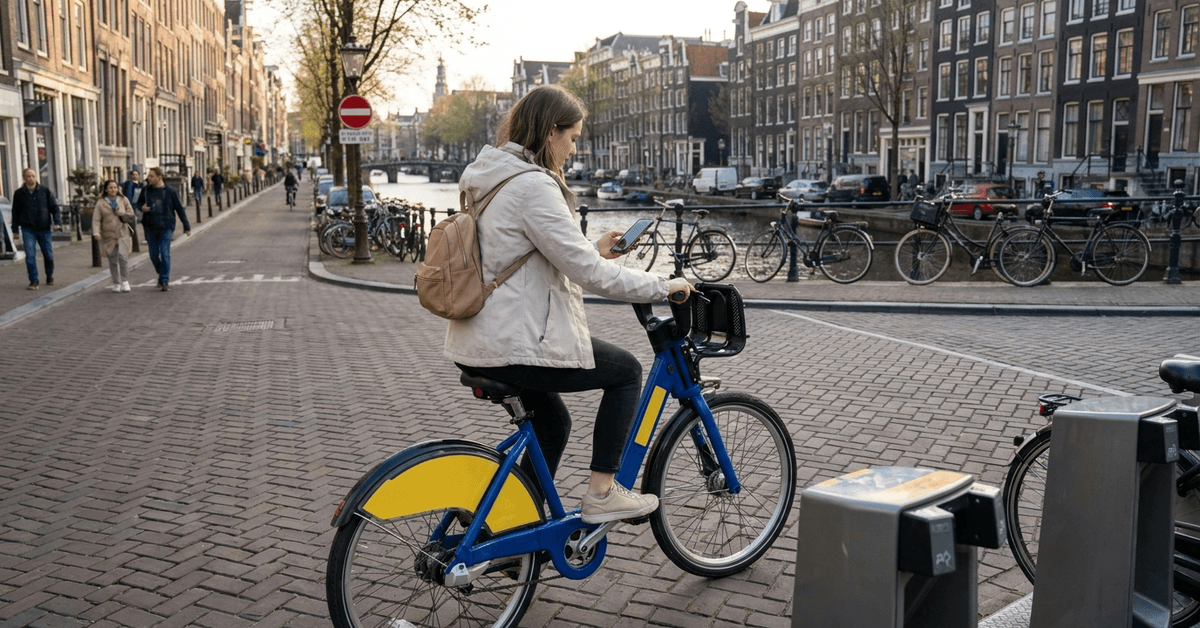
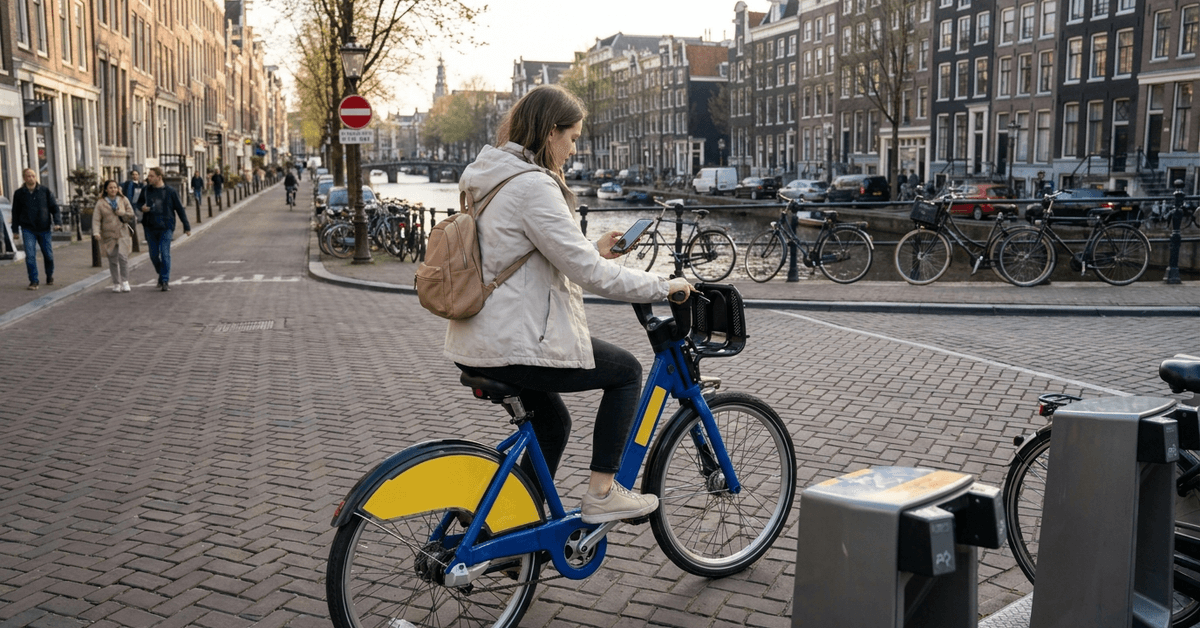
    Bike-sharing allows users to rent bicycles from dedicated stations or via dockless systems. Typically, rides are charged by time or subscription. Programs operate across hundreds of cities worldwide.

    Image 1

    Key Types of Bike-Share Systems

    • Station-based networks: Bicycles are picked up and returned to fixed docks.
    • Dockless options: Bikes can be found and left anywhere allowed within service zones.
    • E-bike hybrid: Many cities offer both pedal and electric assist models.

    Understanding which type is available in your destination can help you plan better. For instance, Paris uses VĂ©lib’, while New York offers Citi Bike, both station-based systems.

    How to Get Started with a Bike-Share

    Getting started is usually a streamlined digital process. Many services rely on smartphone apps for registration and payment.

    Quick Start Steps

    1. Download the official app for your chosen bike-share service.
    2. Create an account with a valid email and payment method.
    3. Locate available bikes shown on the map interface.
    4. Reserve or unlock a bike by scanning its QR code.
    5. Start your ride and follow city-specific cycling rules.

    Some apps to consider: Lime (global), Santander Cycles (London), and Bicing (Barcelona).

    Popular Cities with Robust Bike-Sharing Networks

    Some cities are especially suited for sightseeing by bike. Their infrastructure and scenic routes make two-wheeled exploration a top choice.

    • Amsterdam: Extensive dedicated lanes and OV-fiets system at train stations.
    • Berlin: Tier and Nextbike offer both dockless and docked bikes for tourists.
    • Montreal: BIXI provides thousands of bikes with flexible day passes.
    • Madrid: BiciMAD is a fully electric bike network ideal for hilly routes.

    Learning local etiquette is helpful. For example, cyclists in Copenhagen often signal by extending an arm for turns.

    Planning Your Sightseeing Route

    Creating a route helps maximize your time and enjoyment. Combining apps and a bit of research can reveal hidden gems.

    Useful Tools for Bike Route Planning

    • Google Maps Cycling Layer: Shows bike paths, lanes, and traffic estimates.
    • Komoot: Curated urban bike routes with points of interest.
    • Strava: Explore popular user-generated routes and heatmaps.

    Route planning apps offer offline options and directions tailored for bicycles. It’s worth checking local tourism sites for any recommended loops.

    Tips for Self-Guided Bike Tours

    • Break longer rides into short segments.
    • Add historic landmarks and scenic viewpoints along your circuit.
    • Find green spaces or riverfront paths for breaks.

    Some travelers, perhaps like myself, realize too late how different streets can feel at night or during busy hours. Adjust plans if a particular stretch feels less comfortable.

    Safety and Local Rules

    Each city sets its own bike safety rules. Getting familiar with them in advance is a smart practice.

    Common Safety Guidelines

    • Helmet use: Recommended in most places, required in a few.
    • Stay on dedicated bike lanes if available.
    • Yield to pedestrians at crossings and crowded plazas.
    • Obey all traffic signals and signage.

    In several places, riding on sidewalks is not allowed except where explicitly marked. Always check signage to avoid fines or misunderstandings.

    Security Tips for Bike-Share Users

    • Always lock the bike securely after use. Failure may trigger penalty fees.
    • Take note of docking station locations for trip planning.
    • Photograph the bike at drop-off, just in case there’s a dispute.

    Travel insurance may cover certain accidents, but policies vary. Reviewing your coverage before riding is prudent.

    Pricing Models and Saving Money

    Bike-share pricing can differ widely. Typical models include per-minute rates, one-day passes, or multi-day packages.

    Price Examples in Top Cities

    City  Program  Day Pass 
    Paris  VĂ©lib’  Approx. €5 
    London  Santander Cycles  Approx. ÂŁ2 (unlimited 30-min trips) 
    New York City  Citi Bike  Approx. $12 

    Opting for a 24-hour or multi-day pass can lower costs for long days of sightseeing. Checking peak pricing or special offers from your chosen provider might reveal extra value.

    Environmental Benefits of Bike-Sharing

    Bike-sharing programs support cleaner and more sustainable transportation in cities around the world. Choosing a shared bicycle instead of a private car for short trips helps reduce traffic congestion, fuel consumption, and greenhouse gas emissions. 

    Many cities have expanded cycling infrastructure to encourage environmentally friendly travel while improving air quality.

    A More Connected Way to Explore

    Many travelers say cycling creates a stronger connection with a destination than riding a bus or taxi. The slower pace makes it easier to notice local architecture, public art, neighborhood shops, and everyday street life. 

    Riders can stop whenever something interesting catches their attention, creating a more flexible and memorable sightseeing experience.

    Everyday Benefits

    Bike-sharing is also practical for short urban journeys. It often saves time during busy traffic periods and allows travelers to reach destinations that may be less convenient by car or public transportation. 

    For many people, cycling also provides light exercise while exploring a city.

    When Not to Use a Bike-Share

    Although bike-sharing is convenient, it is not the best choice in every situation. Weather conditions, safety concerns, and local events can affect the overall experience.

    Weather and Road Conditions

    Heavy rain, strong winds, snow, or icy roads can make cycling uncomfortable and increase the risk of accidents. Checking the forecast before renting a bike is always recommended.

    Crowds and Limited Availability

    Large festivals, sporting events, or public celebrations may leave docking stations full or empty. Planning ahead helps avoid unnecessary delays.

    Prioritize Safety

    Avoid cycling through remote or poorly lit areas after dark whenever possible. In some situations, combining bike-sharing with public transportation or walking offers the safest and most practical way to travel.

    Conclusion

    Utilizing bike-sharing programs during city tourism opens up a blend of convenience, sustainability, and exploration freedom. 

    By choosing the right network, using smart route planning tools, and observing local guidelines, you can create memorable adventures that suit a variety of interests and fitness levels.

    Whether you’re chasing architecture, local food, or riverside views, bike-sharing makes those spontaneous detours and off-beat stops part of the journey. Remember to ride carefully and enjoy every street as an urban explorer on two wheels.

  • The Beginner’s Guide to Packing a Zero-Waste Travel Kit

    The Beginner’s Guide to Packing a Zero-Waste Travel Kit

    Traveling light with minimal environmental impact is no longer a niche interest. More city dwellers seek simple ways to reduce waste as they explore new places. 

    Packing a zero-waste travel kit helps you cut down on single-use items and leaves a positive mark wherever you go. This guide is perfect for urban explorers, first-time zero-waste travelers, and anyone interested in practical yet sustainable habits on the move. 

    You’ll find city-specific examples, actionable tips, and easy starter steps to help you feel prepared, not overwhelmed.

    What is a Zero-Waste Travel Kit?

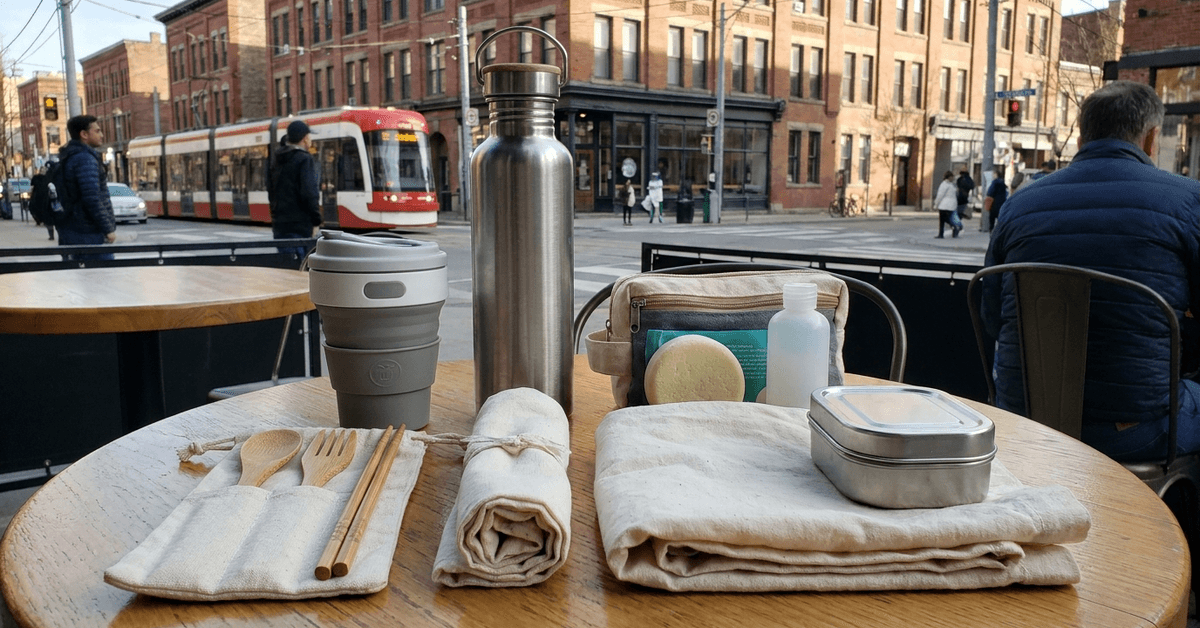
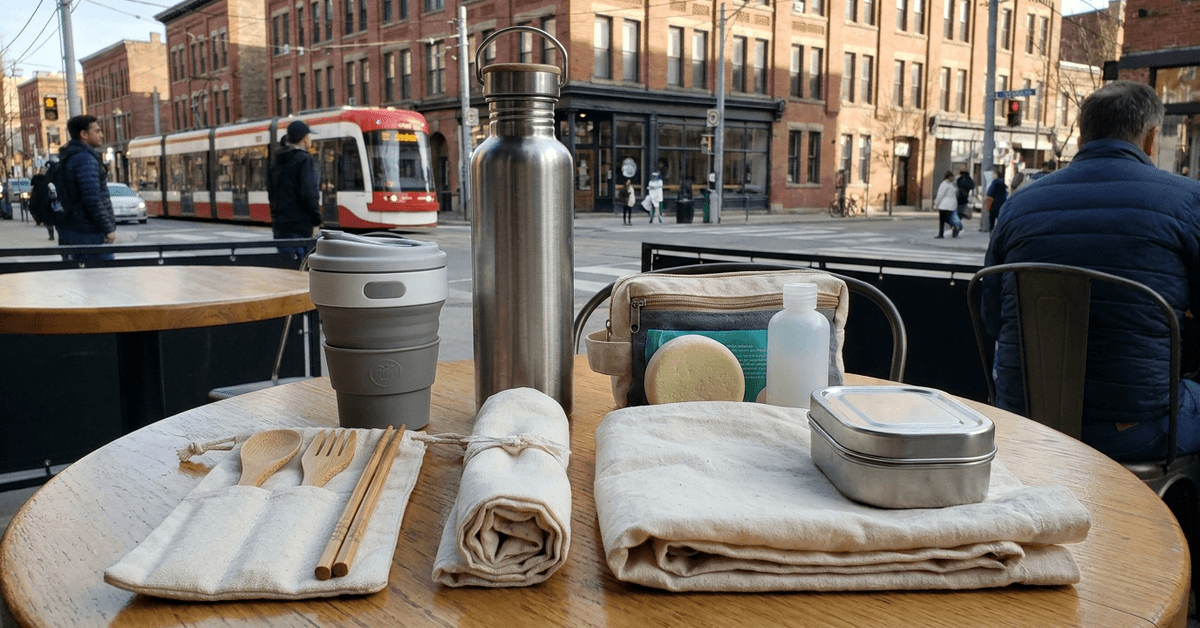
    A zero-waste travel kit is a compact set of reusable essentials aimed at minimizing single-use trash on trips. It’s designed for practicality in city life, day trips, and weekend escapes.

    The Beginner's Guide to Packing a Zero-Waste Travel Kit

    Key Principles

    • Reusable items replace disposables.
    • Convenience and packability matter. Bulky tools rarely get used.
    • City-friendly design: security-compliant, lightweight, and easy to clean on the go.

    Essential Items for a Zero-Waste Kit

    A beginner’s kit needs to be simple, affordable, and easy to carry. Each item plays a role in preventing common forms of urban and travel waste.

    Reusable Water Bottle

    Hydration is critical, but buying bottled water leads to plastic waste. Stainless steel bottles work well for durability. In cities like Berlin, Paris, and Toronto, tap water is safe to drink and public fountains are common.

    Coffee Cup or Travel Mug

    If picking up coffee on city strolls is a habit, a collapsible silicone mug may suit best. Most European and North American cafes, especially in cities like London and Amsterdam, happily fill your cup.

    Utensil Set

    A simple bamboo or stainless steel fork, spoon, and knife fit easily in your bag. Some travelers also include chopsticks. In New York, Tokyo, or Sydney, these come in handy for markets and takeaway dining.

    Cloth Napkin

    A reusable napkin packs small but cuts out single-use paper towels or tissues. Cotton works well since it’s easy to wash at hotels or hostels.

    Reusable Shopping Tote

    A foldable fabric bag saves space and is useful for spontaneous markets or groceries. Cities like San Francisco and Barcelona have plastic bag restrictions, so a tote is invaluable.

    Snack Container or Stasher Bag

    A reusable silicone food pouch or compact box lets you carry snacks or leftovers. This is especially helpful for city parks or picnics along rivers.

    Mini Toiletry Kit

    • Solid shampoo or soap bars (no single-use packets)
    • Refillable glass travel bottles for liquids
    • Stainless steel safety razor (always check airport rules)

    City-Specific Challenges and Solutions

    Every city has unique rules and cultures. The right zero-waste strategies depend on understanding local patterns.

    Water Access in Cities

    Rome, Zurich, and Copenhagen offer free public water fountains. Checking the RefillMyBottle app helps find refill spots in unfamiliar cities worldwide.

    Refusing Single-Use Items Politely

    When ordering street food or takeaway, a simple request to skip napkins or cutlery is often honored. Major chains in Paris and Madrid are increasingly accommodating.

    Bin Sorting Rules

    Different cities sort recyclables in distinct ways. Berlin uses color-coded bins, while Toronto encourages composting. Checking municipal guides ensures you sort correctly and avoid contamination.

    Security and Packing Tips

    Airports often scrutinize metal or liquid items. Packing utensils in checked bags or using wood alternatives avoids hassle. Small travel-friendly bottles stay within liquid limits.

    How to Build Your Own Zero-Waste Travel Kit: Step by Step

    1. List the activities you do most (coffee, markets, street food, etc.).
    2. Prioritize items you will actually use based on your city and travel plans.
    3. Purchase or repurpose items: start with basics instead of buying everything new.
    4. Test your kit on a single outing, making notes about what was handy versus what stayed in your bag unused.
    5. Tweak contents as needed, adding or removing items for your style and destination.

    Useful Apps and Tools for Zero-Waste Travelers

    • Too Good To Go: Lets you purchase surplus food from local restaurants at a discount, reducing food waste (widely available in European cities).
    • Plogging apps: Track litter cleanups during city runs or walks, motivating small positive impact.
    • Citymapper: Helps find routes near refill stations, eco-friendly stores, or markets.

    Maintaining a Zero-Waste Kit on the Go

    Quick cleaning is important for reuse. Some cafes and public toilets allow you to rinse bottles or mugs. Bringing a small brush for utensils or bottles is a helpful option.

    Keeping lightweight mesh pouches or zip bags for dirty reusables prevents making your bag messy. Toss used napkins or food pouches here until they can be washed.

    Real-World Scenarios: What Works and What Doesn’t

    Markets and Street Food

    Markets in cities like Vienna and Budapest are open to filling your own containers. Some stalls may refuse for hygienic reasons, so flexibility is helpful.

    Public Transport

    Carrying compact kits is best on buses or subways in cities where space is tight or bag searches are common. Reusable bottles must be empty before airport security checks.

    Hotels and Hostels

    Many hostels let you wash reusables in shared kitchens. Small hotels might not, so cleaning wipes or travel soap may be useful backups.

    How to Upgrade Your Kit for Longer or More Complex Trips

    • Consider a filter bottle for regions where water quality is variable.
    • Add second containers for larger meals or food shopping.
    • Mini sewing kit: handy for unexpected repairs.
    • Solar charger: reduces reliance on single-use batteries or extra cords.

    Common Mistakes and How to Avoid Them

    • Packing too much: bulky kits discourage daily use.
    • Not checking local water rules: some cities warn against tap water, so a filter or bottled water may be needed.
    • Forgetting to clean gear: this leads to odors or food residue, making the kit less appealing to use.

    Benefits of Zero-Waste Travel in Urban Environments

    Beyond reducing trash, zero-waste habits often spark conversations in cafes, parks, and hostels. Many travelers find it builds a sense of connection with other eco-conscious locals and tourists.

    Small changes add up quickly in cities where takeaway meals and bottled drinks are standard. Every time you skip a disposable cup or straw, you cut plastic at the source.

    Conclusion

    Packing a zero-waste travel kit is a small investment that pays off every day you spend exploring your city or visiting a new one. No solution fits every traveler perfectly, so it is okay if you adapt as you go. 

    Real impact often comes from repeated, consistent habits rather than perfection. Even a modest kit encourages less waste and keeps you prepared for anything urban life throws your way. In time, these choices can influence others, making city travel easier and cleaner for everyone.

  • How to Safely Store Your Luggage When Exploring a City for a Day

    How to Safely Store Your Luggage When Exploring a City for a Day

    Exploring a new city is exciting, but traveling with bags can quickly reduce that sense of freedom. Day-trippers, business travelers, and tourists alike often face the same problem: where to leave your luggage for a few hours or a whole day.

    This guide is designed for anyone needing secure, temporary luggage storage while navigating urban environments. It focuses on practical, trusted solutions—helping you travel light, feel safe, and see more of the city.

    Common Luggage Storage Challenges

    Carrying suitcases while exploring cities poses several issues. Bags make wandering on foot harder and limit access to busy restaurants or museums. It’s uncomfortable and inconvenient.

    How to Safely Store Your Luggage When Exploring a City for a Day

    Another concern is safety. Leaving baggage unattended, even for a moment, is risky. Oversized or multiple bags may also be refused at venues. These hurdles are common in cities like New York, Paris, and Tokyo.

    Safe Luggage Storage Options in Urban Areas

    Dedicated Luggage Storage Providers

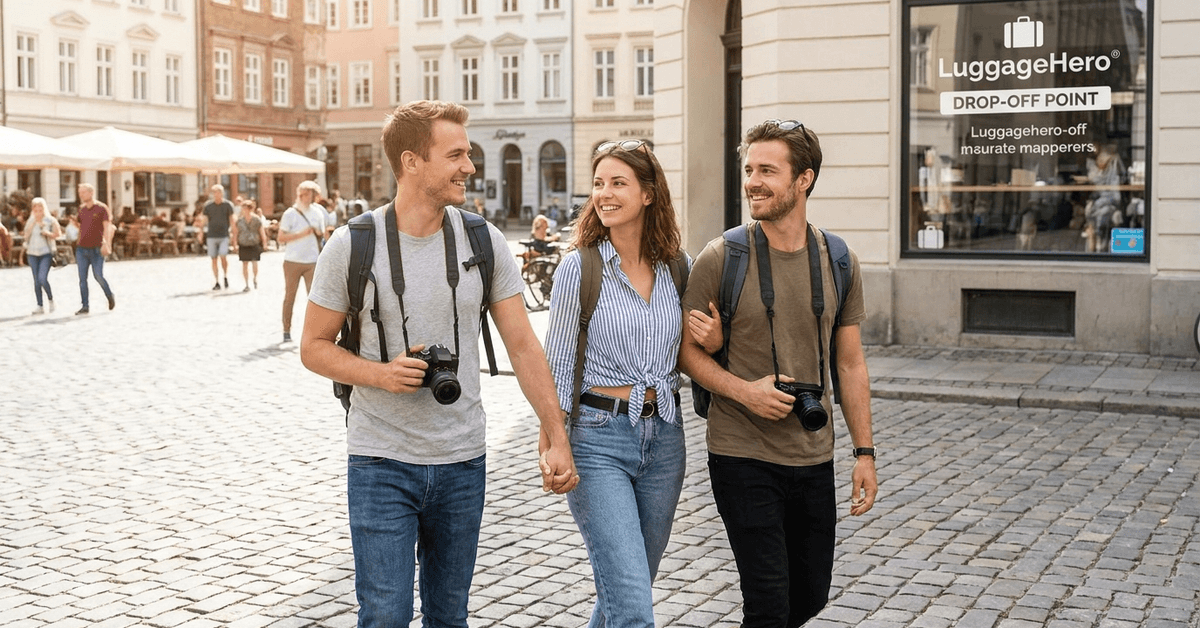
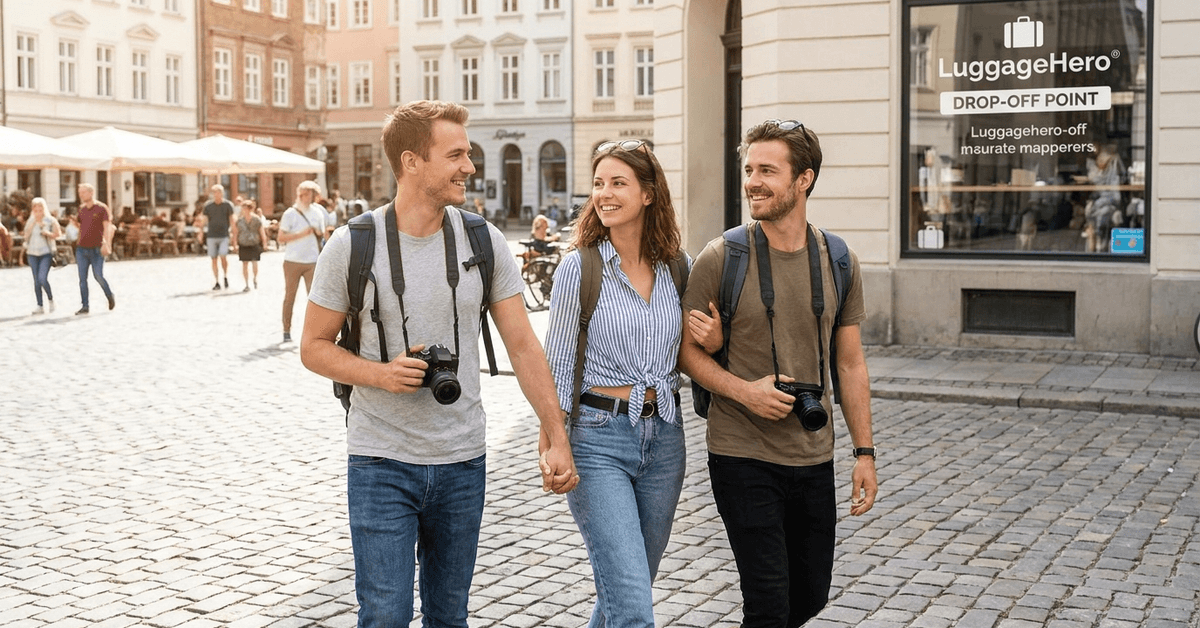
    The rise of short-term, secure bag storage shops addresses this urban need. Services such as LuggageHero operate in cities worldwide, offering convenient spots near train stations and major attractions.

    • Book online via app or website (minutes needed, pricing is transparent).
    • Drop off bags with ID verification.
    • Bags are often insured against loss or theft for extra confidence.

    Other popular providers include Bounce and Stasher. These services list real-time availability and allow in-app payment for ease of mind.

    Hotel Concierge Services

    Some hotels offer bag storage—even to non-guests. This is typical in hospitality-focused cities such as London or Barcelona. The main advantage is professional, secure handling of property.

    • Call nearby hotels in advance to check availability and fees.
    • Expect to show photo ID and pay a nominal charge per bag.

    This option is best for those near popular hotels or conference venues.

    Train and Bus Station Lockers

    Most major European and Asian cities have luggage lockers in main transport hubs. Facilities are monitored, accessible, and allow hourly or daily rental.

    • Locate lockers using apps like BAGBNB or the local station website.
    • Choose locker size according to baggage dimensions.
    • Be sure to have coins or a debit card for payment.

    Not all stations have lockers (especially in North America), so research this before arriving.

    Airport Left Luggage Services

    Major airports often feature secure, short-term storage counters. This is ideal if exploring between flights or after early hotel checkout. Fees are typically reasonable for daily rates.

    • Look for signs or ask information desks for left luggage facilities.
    • Keep passport and valuables separate from stored bags.

    These services usually open early and close late for convenience.

    How to Choose the Right Storage Solution

    Proximity to Your Activities

    Find the nearest storage point to your planned route. Using Google Maps, search “luggage storage near me” for instant suggestions based on your location.

    Security and Insurance

    Always check whether a service offers insurance or additional safety features. Providers like LuggageHero clearly state insurance coverage on their platform.

    Pricing, Access Hours, and Flexibility

    Prices can differ by city, location, and provider. Compare app listings (such as Bounce) for the best deals and user reviews regarding access hours and reliability.

    Using Technology: Luggage Storage Apps

    LuggageHero

    Runs a website and app showing detailed maps of storage spots, transparent pricing, and booking with instant confirmation. Highly rated in cities like Copenhagen, Madrid, and San Francisco.

    Bounce

    Lets travelers find and reserve bag drop-off points at cafes, hotels, and shops. Features live chat support and daily insurance for peace of mind.

    Stasher

    Connects users with a network of vetted storage points, including big hotel chains and tourist offices.

    Vertoe

    A popular option in the US and Canada, Vertoe allows booking by the hour or day and partners with local businesses to maximize accessibility.

    City-Locker Apps in Major Cities

    Some cities have location-specific apps. For example, Paris has City-Locker, while Tokyo’s Ecbo Cloak is widely used by travelers.

    Safety Tips When Leaving Your Bags

    • Choose storage services with strong online reviews and visible security measures.
    • Photograph your bag’s contents and external appearance for quick identification if needed.
    • Do not store passports, cash, or high-value electronics. Carry them with you at all times.
    • Clearly label your baggage with contact details, avoiding sensitive personal information.
    • Retain all receipts or confirmation emails from the storage provider.

    Popular Luggage Storage Locations by City

    New York City

    Storage points are dense near Penn Station, Times Square, and Grand Central. LuggageHero and Vertoe are commonly used.

    London

    Most mainline stations (London Victoria, King’s Cross) offer lockers and staffed storage counters. Stasher partners with multiple hotels.

    Paris

    Gare du Nord and Gare de Lyon stations have reliable left luggage facilities. City-Locker adds additional sites close to tourist hotspots.

    Tokyo

    Coin lockers are available across metro and train stations. Ecbo Cloak provides listings and reservations in English and Japanese.

    Barcelona

    Bounce and smaller providers serve Sants station and the Gothic Quarter. Some hotels near the Ramblas accept non-guests’ luggage for day storage.

    Things to Avoid with Urban Luggage Storage

    Using luggage storage can make city travel easier, but choosing the wrong option may put your belongings at risk. Always use a verified service with clear rules, secure handling, and reliable customer support.

    Avoid Unofficial Drop-Off Points

    Do not leave bags at unknown businesses displaying informal “cloakroom” or storage signs. Unsupervised street drop-offs may lack insurance, secure storage areas, or proper tracking systems.

    Never Leave Bags With Strangers

    Leaving luggage with strangers, rideshare drivers, or unverified individuals is a serious risk. Even when someone appears trustworthy, there may be no way to recover lost or stolen items.

    Check Restricted Items

    Some storage providers refuse bags containing perishable food, fragile gifts, liquids, or valuable items. Review the terms before booking to avoid rejected luggage or unexpected problems.

    Follow Local Station Rules

    Unauthorized baggage storage at train or bus stations may be illegal in some cities. Bags left in restricted areas can be removed, confiscated, or result in fines. Use only official lockers, staffed counters, or approved storage partners.

    Conclusion

    Finding safe, convenient luggage storage is the key to a stress-free city adventure. By relying on reputable services, leveraging technology, and keeping safety in mind, travelers can enjoy urban sights hands-free and worry-free. 

    With new storage options and helpful apps, exploring with nothing but a sense of curiosity is easier than ever. Prioritizing convenience does not mean sacrificing security. The right preparation means every city stop is lighter, safer, and more enjoyable.

  • Cheap Weekend Travel: How to Cut Your Food Budget in Half on the Road

    Cheap Weekend Travel: How to Cut Your Food Budget in Half on the Road

    Weekend travel does not have to mean expensive dining. Anyone looking to explore new cities on a budget can find ways to eat well without overspending. 

    A few clever tactics can help save money, keep meals healthy, and make each trip even more memorable. Whether you are adventuring in Paris, Berlin, or Barcelona, cutting your food budget is possible and surprisingly easy.

    Why Food Costs Rise During City Weekends

    Many travelers find that food expenses take up a large part of their trip budget. Eating out for every meal adds up fast—especially in popular urban areas.

    Restaurants often increase prices during weekends when demand spikes. Central locations, trendy cafes, and fast food chains seem convenient but rarely offer the most value.

    Cheap Weekend Travel: How to Cut Your Food Budget in Half on the Road

    Exploring city life means getting creative with where and how you get your meals. Those small changes can be the difference between overspending and smart saving.

    Key Strategies to Slash Your Food Spending

    Choose Accommodation With Kitchen Access

    One significant money-saving option is selecting a stay that includes a kitchenette or shared kitchen.

    • A studio Airbnb or hostel with a kitchen gives full control over meal costs.
    • Buy simple groceries and prepare breakfast, snacks, or dinner yourself.
    • Even having a small fridge means you can store leftovers or picnic supplies.

    Shop Like a Local at Markets and Supermarkets

    Visiting local supermarkets and street markets can be a travel experience itself. Prices at chains like Lidl (Europe), Carrefour (France), or Mercadona (Spain) are much lower than restaurants.

    • Pick up fresh fruit, bread, cheese, and deli meats for quick meals.
    • Bakery items often go on discount later in the day.
    • Explore ethnic supermarkets for unusual snacks or lunch ingredients.

    Use Meal-Deal and Discount Apps

    Food-saving apps have changed the game for budget city travelers. An app like Too Good To Go allows purchase of restaurant surpluses for far less.

    • Too Good To Go: Find bakery, cafĂ©, or hotel surplus meals at lower prices in cities like Amsterdam or Copenhagen.
    • Olio: Share or receive free food from locals and businesses avoiding food waste.
    • HappyCow: Not just for vegans—find affordable eateries with solid portions.

    Pack Portable Food Essentials

    Having basics in your bag means fewer impulse purchases. It pays off on long sightseeing days.

    • Pack instant oatmeal, tea bags, or protein bars for easy breakfasts.
    • Bring a reusable water bottle and refill anywhere. Some cities, like Rome, provide public fountains.
    • A foldable lunchbox lets you store leftovers or market finds.

    Best Cities for Budget Food Adventures

    Berlin

    The German capital is filled with street food, global groceries, and picnic-friendly parks. Kebab and currywurst stands keep meals cheap (and usually under 5 euros).

    Lisbon

    Portugal’s capital offers wallet-friendly pastelarias, where breakfast and pastries cost less than a coffee elsewhere. Supermarkets like Pingo Doce are affordable, and the Time Out Market offers shared tables for group savings.

    Budapest

    In Budapest, the Great Market Hall is a must for local produce, snacks, and ready-to-eat dishes at a fair price. Self-catering travelers find excellent value here.

    Prague

    Prague’s bakeries and supermarkets provide much cheaper meals than tourist restaurants. Try local open-faced sandwiches or grab a sausage at a street stall for a few crowns.

    How to Plan Meals Before You Travel

    • Research grocery store locations close to your hotel or hostel. Maps can be a lifesaver here.
    • Check Google Maps or apps like Eatigo for restaurant discounts and user reviews.
    • List foods you like that require minimal prep—yogurt, nuts, wraps, or pre-cut vegetables.

    A bit of meal planning before departure can prevent last-minute expensive choices.

    Eating Well Without Sacrificing Experience

    Find Quality Over Quantity

    Choosing affordable options does not mean missing out. Many cities have beloved street foods and markets that reflect real local culture.

    Try Local Lunch Specials

    In cities like Milan or Paris, the ‘menu du jour’ (meal of the day) is more affordable at lunch than dinner. Many restaurants offer prix fixe options without sacrificing quality.

    Share Dishes or Go Tapas-Style

    Sharing can halve your order cost. Tapas bars in Madrid or pintxos in San Sebastian allow taste-testing without overspending.

    Common Mistakes To Avoid

    • Relying too much on tourist or chain restaurants.
    • Ignoring local laws or etiquette in supermarkets or markets.
    • Forgetting to double-check opening hours, especially on Sundays and holidays.
    • Not having a backup snack or meal for late arrivals or long travel days.

    Top Meal Planning and Discount Apps

    • Too Good To Go (leftovers from restaurants)
    • Olio (food sharing and freebies)
    • Eatigo (real-time restaurant deals, primarily in Asia and Europe)
    • HappyCow (cheap and healthy eats)
    • Google Maps (user reviews, popular times, and menu previews)

    Unexpected Perks of Budget Eating

    Eating on a budget can offer more than lower meal costs. It can create greater flexibility, encourage local interaction, and lead to memorable travel experiences that may not happen in formal restaurants.

    More Money for Other Experiences

    Money saved on meals can be used for museum tickets, walking tours, public transportation, or a more comfortable place to stay. 

    Choosing simple breakfasts, market lunches, or grocery-store snacks can help stretch the travel budget without removing enjoyment from the trip.

    Greater Connection With Local Life

    Budget travelers often spend more time in markets, bakeries, hostels, and neighborhood food stalls. 

    These settings create natural opportunities to speak with residents, learn about regional ingredients, and discover recipes or customs that might be missed in tourist-focused restaurants.

    Simple Meals Can Create Better Memories

    Some of the most enjoyable travel moments come from uncomplicated meals in relaxed settings. A picnic on a city park bench, shared snacks in a hostel kitchen, or takeaway food in a hotel common room can become a favorite story. 

    Budget eating often makes travel feel more spontaneous, social, and connected to everyday city life.

    Conclusion

    Cutting your food budget on weekend travels is practical, rewarding, and entirely possible with a few changes in approach. 

    Choosing accommodations with kitchens, shopping at local markets, and making the most of apps like Too Good To Go help minimize costs.

    Cities across Europe and beyond offer countless ways to eat well without overspending. Each trip offers real opportunities for savings if you embrace local solutions, a bit of planning, and smart use of available tools.

    With these actionable steps, every urban weekend adventure can be affordable, delicious, and unique—no extravagant menu required.

  • 7 Essential Safety Items to Pack in Your Urban Daypack

    7 Essential Safety Items to Pack in Your Urban Daypack

    City days are full of excitement, but urban environments can present surprises. Packing smart creates peace of mind whether exploring Paris, New York, or Tokyo. Here are seven safety items that can help you feel prepared for almost anything.

    Why Urban Safety Matters

    Urban spaces are filled with people, movement, and unpredictability. Even experienced city-goers might misplace things or face unexpected situations.

    Packing key safety items helps you avoid stress, stay in control, and respond calmly in crowded or unfamiliar areas.

    7 Essential Safety Items to Pack in Your Urban Daypack

    1. Personal Identification

    Keep ID Handy and Secure

    Carrying valid ID is essential in any major city. Some places may require proof of identification for public transit or building entry.

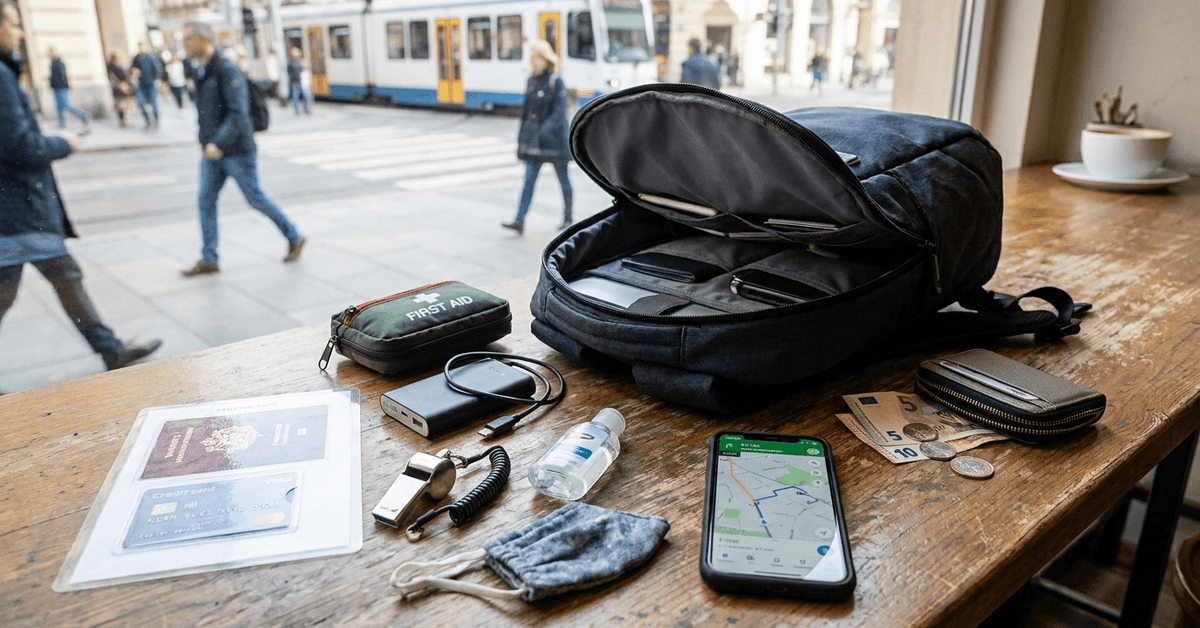
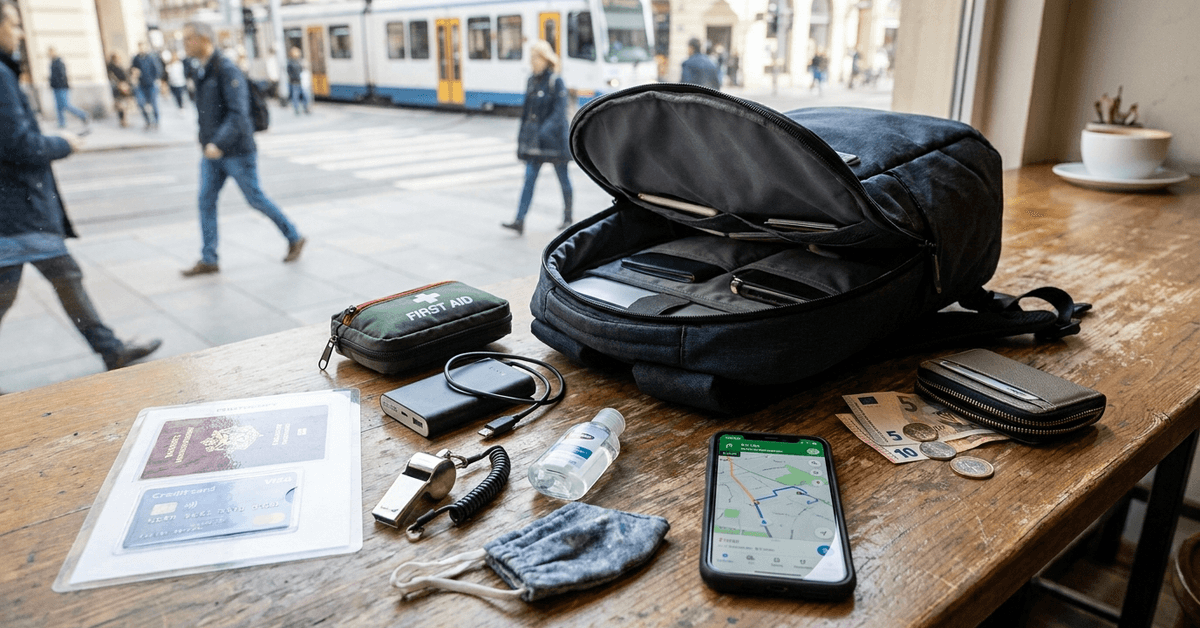
    Instead of carrying all original cards, a safe option is to pack a photocopy of your main ID or store a digital copy in a secure phone app like 1Password.

    • Attach a printed copy in a discreet pocket of your daypack.
    • Consider a slim RFID-blocking card holder for extra safety.

    2. Emergency Contact Card

    Fast Access Information

    Accidents happen unexpectedly. Having emergency details visible can save precious time for helpers.

    A recommended approach involves printing an emergency contact card with your name, phone, allergies, and a local contact.

    • Update details before every trip.
    • Place in an outer slot or attach inside your daypack’s lining.

    3. Compact First Aid Kit

    Be Ready for Minor Injuries

    City trips often involve extensive walking. Small scrapes, blisters, and cuts are common, especially in unfamiliar environments.

    Packing a mini first aid kit gives you quick solutions without searching for pharmacies.

    • Include adhesive bandages, a few antiseptic wipes, and pain relief tablets.
    • Add a couple of allergy pills if you have known sensitivities.

    4. Portable Phone Charger

    Stay Connected Anywhere

    City journeys can drain phone batteries through navigation and use of safety apps. A dead phone limits emergency communication and contactless payments.

    A slim power bank ensures your devices stay powered. Brands like Anker and RavPower rank high for reliability.

    • Pack a short, durable charging cable.
    • Check local plug types if you plan to charge in cafes.

    5. Whistle or Alarm Keychain

    Simple Deterrents for Emergencies

    Urban safety is about both prevention and response. Many daypacks have built-in whistle buckles, but free-standing solutions work well too.

    An emergency alarm keychain can emit a loud noise to attract attention. Several are available from trustworthy brands like Sabre.

    • Clip the whistle or alarm near your bag’s zipper.
    • Show close friends or family how it works before heading out.

    6. Travel-Sized Sanitizer and Mask

    Protect Yourself in Crowds

    Metro rides and busy squares mean frequent exposure to germs. Staying healthy is non-negotiable, especially in peak season or new countries.

    A small sanitizer bottle and a foldable mask, like those from Uniqlo or Blue Bear, can make urban trips safer and more comfortable.

    • Store sanitizer in a quick-access pocket.
    • Cotton or surgical masks fit compactly into an ID pouch.

    7. Location-Sharing and Safety Apps

    Stay Informed and Reachable

    Maps are helpful, but modern safety apps provide next-level security, especially when traveling solo or at night.

    Top-rated options like GeoZilla (for sharing your real-time location) and Citymapper (navigation with safety tips) give tailored information.

    • Set up location sharing with family or friends before heading out.
    • Check app permissions and emergency features.

    Bonus: Cash and Mobile Payment Backup

    When Tech Fails

    Card readers, apps, or wallets might not function everywhere. Some small shops, markets, or taxis might only accept cash in cities like Rome or Buenos Aires.

    Having a bit of local cash, plus backup payment apps like Apple Pay, can prevent hassles.

    • Keep cash in two separate pockets to limit loss.
    • Familiarize yourself with local payment trends before arriving.

    Smart Packing Strategies

    Packing light does not mean leaving important items behind. A well-organized bag keeps essentials secure, easy to reach, and less likely to become lost during busy urban trips.

    Use Inner Compartments

    Choose a bag with inner zip pockets or slim organizers for identification, money, cards, and electronics. Separating valuables from everyday items reduces clutter and helps prevent accidental exposure when opening your bag.

    Add Small Travel Pouches

    Use compact pouches or packing cubes to group similar supplies. A small medical pouch can hold first aid items, medicines, and hand sanitizer, while another can organize chargers and cables. Clear or labeled pouches make items easier to find quickly.

    Choose the Right Daypack

    Slim, anti-theft backpacks are practical for crowded streets and public transportation. Brands such as Pacsafe and Osprey offer models with hidden zippers, secure compartments, and cut-resistant materials.

    Improve Visibility and Security

    Light-colored interiors make small items easier to locate. A lighter exterior color may also help you notice stains, damage, or signs of tampering sooner. Keep frequently used items accessible while storing valuables deeper inside the bag.

    Quick Checklists for the City

    Carrying a few essential items can make city travel safer, smoother, and less stressful. A compact emergency kit is especially helpful when using public transportation, exploring unfamiliar neighborhoods, or spending a full day away from home.

    Identification and Emergency Details

    Keep a photocopy of your main identification document or store a secure digital copy in a protected app. Carry an emergency contact card listing important phone numbers, medical information, and your accommodation address.

    Basic Health and Safety Supplies

    Pack a small first aid kit with bandages, antiseptic wipes, and any personal medication. Pocket hand sanitizer and a spare mask are also useful in crowded spaces or when washing facilities are unavailable.

    Communication and Personal Security

    Bring a fully charged portable power bank to keep your phone available for maps, calls, and emergencies. A mini whistle or personal alarm can help attract attention if you feel threatened or become injured.

    Navigation and Payment Backups

    Install reliable city navigation, transit, and safety apps before leaving. Download offline maps when possible. Carry a small amount of cash along with a backup card or mobile payment option in case one method fails.

    Keep Everything Accessible

    Store essentials in a secure but easy-to-reach pocket or small organizer. Check your kit regularly and replace expired items.

    Conclusion

    Navigating urban spaces requires some planning, but the right kit builds confidence. No matter the city, carrying these essential safety items lets you focus on discovering without unnecessary worry. 

    Preparedness lets you truly enjoy every street, park, and moment. Staying alert and equipped means you experience the city as it is, ready for whatever your adventure brings. For more on practical urban travel, explore other resources at Instacitizen.com.

  • How to Plan a Budget-Friendly Road Trip on a Three-Day Weekend

    How to Plan a Budget-Friendly Road Trip on a Three-Day Weekend

    Planning a road trip on a budget can transform any three-day weekend into a memorable city escape. This guide reveals proven techniques for maximizing value, cutting costs, and discovering urban adventures close to home.

    Urbanites, young professionals, and anyone craving an affordable break will find practical, actionable steps below. The aim is to enjoy the freedom of the road—without draining your wallet.

    Why Road Trips Are Perfect for Budget City Getaways

    Short road trips make it easy to escape the city vibe and recharge nearby. Costs are more controllable than flights or long-distance trains.

    How to Plan a Budget-Friendly Road Trip on a Three-Day Weekend

    Weekend trips require less planning and reduce accommodation expenses. Local discoveries feel new, even if you remain within two to three hours of your city.

    Real-World Cost Savings

    Staying near urban hubs like Atlanta, Chicago, or Philadelphia tends to lower gas and toll expenses. Sample routes like New York City to the Catskills or Dallas to Austin keep costs and drive times manageable.

    Flexibility and Spontaneity

    Booking a last-minute Airbnb or motel can be cheaper during off-peak periods. If weather or traffic changes, re-routing is simple without the hassle of airline change fees.

    Setting a Realistic Budget for a Three-Day Road Trip

    Budgeting begins with a quick evaluation of possible costs. Planning prevents overspending but leaves room for minor splurges.

    Breakdown of Typical Expenses

    • Gas: Use GasBuddy to compare fuel prices on your route.
    • Accommodation: Motels, hostels, or short-term rentals.
    • Food: Grocery stops, picnics, or urban markets.
    • Attractions: Museums, parks, or city tours.
    • Parking: Consider free or low-cost city lots.
    • Emergency fund: Always set aside a small buffer.

    Most three-day road trips fall into the $200 to $400 range if costs are tracked in advance.

    How to Use Budget Tools

    TripCoin helps categorize and monitor spending. Many find old-fashioned spreadsheets reliable for itemizing daily expenses, especially when shared with travel partners.

    Choosing Destinations Close to Major Cities

    Opting for cities within a two to three-hour drive reduces travel fatigue. It also saves on fuel and cuts time sitting in traffic.

    Great Budget-Friendly City Routes

    • San Francisco to Sacramento and Napa
    • Boston to Providence or Portsmouth
    • Chicago to Milwaukee or Galena
    • Dallas to Waco or Oklahoma City
    • Toronto to Niagara Falls or Hamilton

    Scanning maps with a radius tool like MapQuest’s trip planner can reveal overlooked destinations just beyond the city bubble.

    Cost Comparison Table Idea

    A table comparing average gas spend and budget lodging per city pair might make this process clearer and more convincing for planners.

    Finding Affordable Accommodation

    Accommodation often eats up most of a road trip budget. Prices swing dramatically by location and season.

    Best Platforms for Deals

    • Booking.com: For last-minute motel and guesthouse rates.
    • Hostelworld: When traveling in groups or solo.
    • Airbnb: Sometimes cheaper for small urban getaways.

    Comparing across platforms is useful, especially in peak travel periods. Weekends in smaller cities can yield surprising deals, particularly just outside main attractions.

    Consider Unconventional Options

    Some travelers swear by camping near city parks or using university dormitories during academic breaks. Many inns offer midweek discounts; with a flexible date, this can translate into substantial savings.

    Smart Packing: Save Money Before You Even Leave

    Efficient packing can prevent unnecessary purchases on the road. Overpacking leads to clutter, while underpacking can mean buying items at tourist prices.

    Essential Budget Trip Packing List

    • Reusable water bottles and utensils
    • Refillable coffee mugs
    • Weather-appropriate layers and compact rain gear
    • Travel-sized toiletries
    • Phone chargers and extra power banks
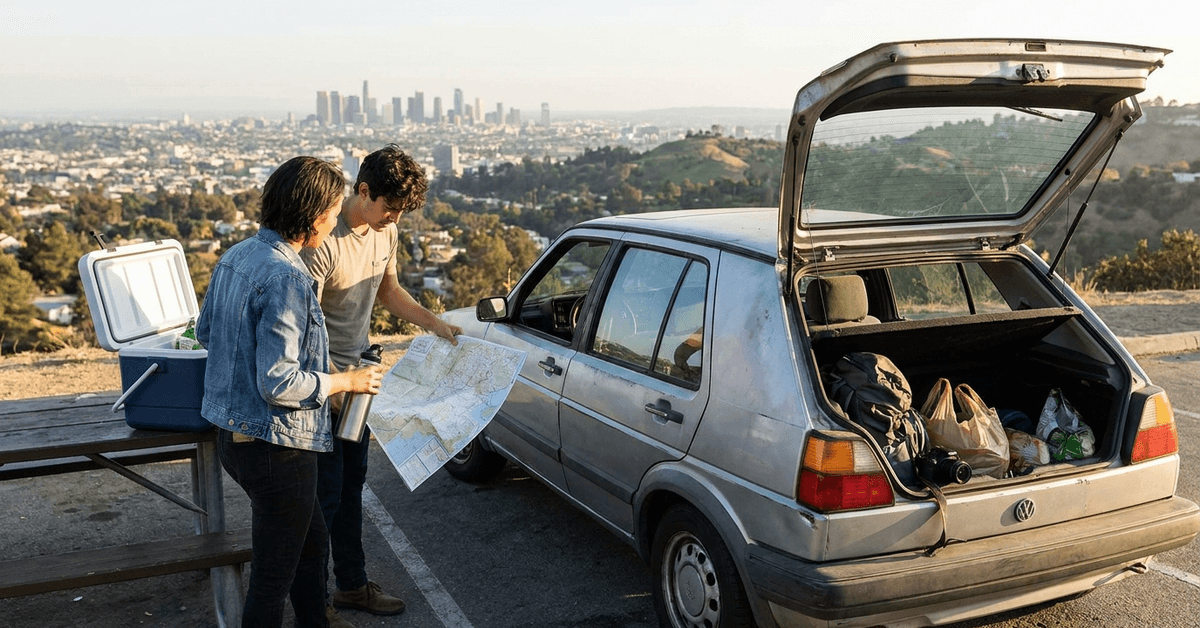
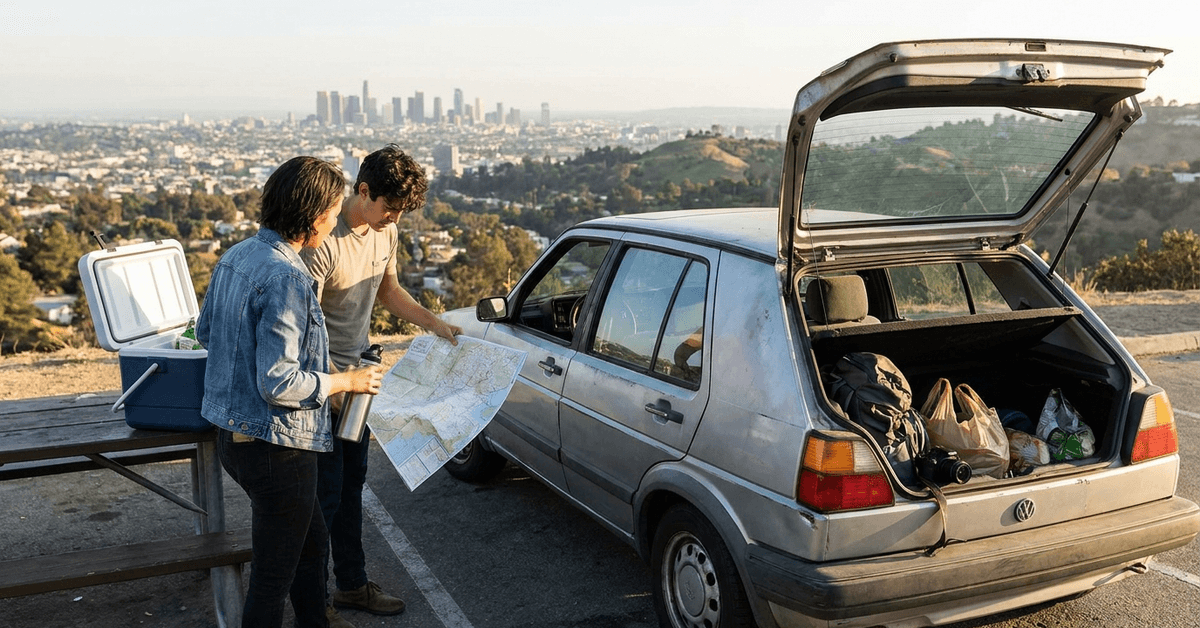
    • Printed maps as a backup

    Many suggest prepping a simple cooler or food bag in advance, which reduces snack and drink expenses during the drive.

    How to Plan and Optimize Your Route

    Planning the right route has a real impact on expenses and enjoyment. GPS apps are helpful, but manual checks can sometimes reveal shortcuts.

    Recommended Route Planning Tools

    • Google Maps: For live traffic and alternate routes.
    • Roadtrippers: Ideal for pinpointing scenic stops and attractions.
    • Waze: For up-to-date, crowd-sourced traffic info.

    Downloading route maps for offline use helps avoid data roaming or getting lost if coverage drops. Preselecting fuel stations and public rest stops can streamline travel further.

    Eating Well Without Overspending

    Food is an easy place for costs to spiral. However, good planning keeps meals varied and affordable.

    Practical Meal Strategies

    • Stop at local markets in target cities for fresh, affordable produce.
    • Share entrees at restaurants to try more flavors without racking up bills.
    • Use apps like Yelp or Google Reviews to find hidden gems with strong value ratings.

    A portable picnic backpack or soft cooler encourages healthy, thrifty eating at parks or scenic spots along your route.

    City-Specific Food Savings

    Many major cities offer free food festivals or inexpensive street food markets during long weekends. Chicago’s Maxwell Street Market or Austin’s food truck parks are famous for wallet-friendly options.

    Taking Advantage of Free and Low-Cost Attractions

    Many road trip destinations feature a surprising number of free cultural highlights. City parks, public art walks, and free days at museums are often available if researched ahead of time.

    Creative Itinerary Building

    • Browse official city tourism sites for updated event calendars.
    • Download local event apps like Eventbrite or AllEvents.
    • Group scenic walks or park visits with local farmers’ markets for a day of affordable exploration.

    Explore neighborhoods on foot for unexpected views and architecture. Most memorable city snapshots rarely require an entry fee.

    Money-Saving Tips for City Driving and Parking

    Urban driving can get expensive and stressful if not thought through. Parking fees stack up quickly in many city centers.

    Parking Strategies That Help

    • Use the SpotHero app to reserve discount spots in advance.
    • Look for public transit park-and-rides on city outskirts.
    • Travel early in the morning or late in the day to avoid premium parking times.

    A good idea is to allow for an hour where you just scout for street parking in less-trafficked neighborhoods. It sometimes works out, but not always—cities are unpredictable like that.

    Keeping Your Road Trip Safe and Stress-Free

    Budget trips should prioritize safety. Double-checking basic maintenance is key before setting off.

    Essential Safety Prep

    • Top off oils, fluids, and tire pressure at least a day in advance.
    • Check that all lights, including brake and signal, are working.
    • Keep a first aid kit and roadside emergency pack in the car.

    Many quick service stations in urban areas offer multi-point inspections that can be completed under 30 minutes. It’s sometimes worth the small fee for peace of mind.

    Conclusion: Making the Most of Your Three-Day Weekend on a Budget

    A budget-friendly road trip on a three-day weekend is more than possible. With the right mix of planning, flexibility, and city smarts, your escape can be rich in experience but light on your wallet. 

    Simple strategies like using the right apps, packing wisely, and seeking affordable destinations set you up for spontaneous fun without overspending.

    Whether you’re a seasoned urban explorer or a first-time city hopper, these practical steps let you savor a weekend getaway in your region—without the financial hangover.

  • The Best Transit Apps to Navigate Any Foreign City Layout

    The Best Transit Apps to Navigate Any Foreign City Layout

    Traveling in a strange city presents challenges, especially when using public transportation. Locals may move effortlessly, but visitors often feel lost. Getting stuck on the wrong train or missing a stop is stressful.

    This guide is designed for urban explorers, digital nomads, and city travelers. The key benefit is practical: finding the best transit apps lets you move with ease in any unfamiliar urban setting, saving time and reducing anxiety.

    Why Transit Apps Make City Travel Easier

    Transit apps aggregate schedules, real-time updates, and even local tips. They prevent confusion about routes, delays, or ticketing systems that differ by city.

    Image 1

    City layouts vary widely. While some cities are known for complex subways, others use trams, buses, or ferries as primary means of transportation. A reliable app acts as a digital guide.

    The Most Essential Transit Apps for Global Travel

    Citymapper: The Urban Powerhouse

    Citymapper covers major metropolitan areas worldwide, including London, Paris, New York, Berlin, and Tokyo. It offers step-by-step navigation, fare calculators, and disruption alerts.

    • Multi-modal directions (subway, bus, bike)
    • Live platform changes
    • Offline maps for use without roaming

    Citymapper adapts quickly to route changes and combines official data with crowd-sourced reports. This makes it suitable for unpredictable urban networks.

    Google Maps: Universal, but Sometimes Vague

    For many, Google Maps is the default. It handles transit in most cities, from Rome to Seoul. Users can switch between transit, walking, rideshare, and cycling.

    • City-wide coverage in dozens of languages
    • Estimated transfer and wait times
    • Alerts about service disruptions

    A limitation: In smaller or less connected cities, transit details may lack accuracy. Planners might not capture every unofficial route or exact schedule.

    Moovit: Strong in Regional Networks

    Moovit shines for bus-focused networks and less-served cities, such as Tel Aviv, Lisbon, or smaller German towns. It’s especially good for intercity travelers.

    • Integration of regional buses and trains
    • Real-time arrival countdowns
    • Live crowding information

    Moovit relies on updates from local authorities and users. This makes crowding and delay reports more current for less-known cities.

    Transit: Great for North America

    Transit specializes in North American and a few European cities. It offers streamlined schedules and a clean interface, with accurate ETAs in places like Toronto, San Francisco, or Montreal.

    • Visual trip planners
    • Route comparison for fastest journeys
    • Bike-share and scooter integrations

    Transit is ideal for travelers in Canada or the US who want one app for multiple transport types.

    Local Apps: Always Check City-Specific Tools

    Some cities invest in their own transit apps. An example is Berlin’s BVG Fahrinfo or Paris’s RATP. These sources offer fully localized features, real-time engineering notices, and sometimes digital ticketing.

    • Live disruption notifications
    • Station maps and facilities details
    • Direct e-ticket purchasing

    Local apps may outperform global ones, especially during major events or strikes, when time-sensitive alerts matter most.

    How to Choose the Right Transit App Abroad

    Check Coverage Per City

    Certain apps dominate in particular regions. For instance, Citymapper is stronger in West Europe, while Moovit does better in secondary Asian and South American cities. Consider the travel itinerary.

    Evaluate Real-Time Features

    Real-time ETAs and live reroutes mean less time waiting on platforms. Apps with good live features include Citymapper, Moovit, and Transit. Google Maps is useful, but sometimes not instant.

    Language and Accessibility

    Many apps offer language options, but local apps might display only in the local language. Google Translate or built-in accessibility settings can help overcome language barriers.

    Step-by-Step: Navigating a New City with Transit Apps

    1. Research which apps are recommended for your destination via travel forums or app stores.
    2. Download and set up at least two apps before arrival, in case one lacks coverage or fails to update.
    3. Input your accommodation and key destinations into each app to check route options and step-by-step instructions.
    4. Look for features such as offline maps if you lack a local SIM card.
    5. Use ‘favorites’ or ‘save trip’ functions for regular journeys (like hotel to train station).

    Beyond Directions: Hidden Features That Save Time

    Fare Comparison and Digital Tickets

    Apps such as Citymapper or BVG let travelers compare ticket costs. Digital ticket purchases save having to search for vending machines or kiosks—especially during rush hour.

    Crowd-Sourced Updates

    Moovit’s community update function can flag sudden service outages or overcrowded buses. In real-world use, these tips highlight temporary issues faster than official sources.

    Integrated Route Sharing

    Some apps, like Citymapper, offer route sharing to friends via text. This is useful if traveling in groups or meeting others in an unfamiliar city, as everyone sees the arrival time and destination.

    Privacy, Data Use, and App Permissions

    Most transit apps request access to location data and sometimes phone storage for offline maps. Travelers should review permissions and use GPS only when needed to conserve battery.

    It’s wise to check each app’s privacy statement. While they collect anonymous usage data to improve services, personalized details are rarely shared without consent in established brands.

    Tips for When Transit Apps Fail

    Backup with Offline Resources

    Wi-Fi is not guaranteed at every stop or station. Download PDF maps or take screenshots before leaving your hotel. Most city transport websites have printable versions.

    Stay Aware of Physical Signage

    Even the most reliable apps can have lag during updates. At times, physical station signage or conductor announcements make the difference between a smooth trip and missing a connection.

    Comparing Transit Apps: Features at a Glance

    App  Main Strength  Cities Covered  Offline Mode  Real-Time Info 
    Citymapper  Versatile planning  60+  Yes  Yes 
    Google Maps  Language/city breadth  1000+  Partial  Sometimes 
    Moovit  Community reports  3000+  Yes  Yes 
    Transit  North America focus  200+  No  Yes 
    Local Apps  Accuracy, tickets  City-specific  Varies  Yes 

    Best Practices to Get the Most from Transit Apps

    • Update all apps before each trip for the latest schedules.
    • Test route planners at non-peak hours to spot inconsistencies.
    • Enable push notifications for alerts on strikes or major delays.
    • Keep a power bank handy for all-day app usage.
    • Join city-specific social groups to ask about app reliability.

    Conclusion

    Relying on the right transit apps can transform a hectic city break into a seamless urban adventure. Learning the main features, checking for up-to-date coverage, and understanding how local apps differ can make a substantial difference. 

    By combining global options with region-specific tools, travelers confidently explore any city layout—the key is planning ahead and staying open to backup solutions in case one app falls short. 

    A truly enjoyable city visit hinges less on knowing every street and more on picking the right digital partners for the journey.

  • 10 Charming Mountain Villages Perfect for a Day Hike

    10 Charming Mountain Villages Perfect for a Day Hike

    Mountain villages offer a peaceful break from city life. Whether you are drawn to quiet cobblestone lanes, panoramic views, or hidden bakeries, these destinations combine nature and culture into a single adventure. 

    For urban dwellers craving a quick reset, these villages deliver authentic charm close to home.

    Benefits of Exploring Mountain Villages Near the City

    Spending a day in a mountain village allows city residents to connect with local traditions while enjoying outdoor activity. These spots often offer hiking trails right from the village center, making logistics simple.

    Health and Wellness Advantages

    Regular day hikes build fitness and reduce stress. There is something about walking away from urban noise, breathing fresh air, and tuning into nature that simply feels recharging.

    10 Charming Mountain Villages Perfect for a Day Hike

    Accessible Adventure Options

    Many villages are within 1-3 hours by train or bus from major cities. Popular journey planners like Rome2rio are helpful for mapping public transport routes to even remote locations.

    Choosing the Right Village for Your Day Hike

    Villages differ in hiking options, elevation, and atmosphere. Some have riverside trails, while others start in dense forest or have dramatic cliffside paths. Here are practical considerations:

    • Travel time from your city of origin
    • Trail difficulty and distance
    • CafĂ© and restroom availability
    • Weather forecast and trail conditions

    A quick check on platforms such as AllTrails helps determine if a route matches your experience level. It is wise to verify if any gear rental or local guides are available if you are hiking an unfamiliar path.

    10 Charming Mountain Villages Perfect for a Day Hike

    Hallstatt, Austria 

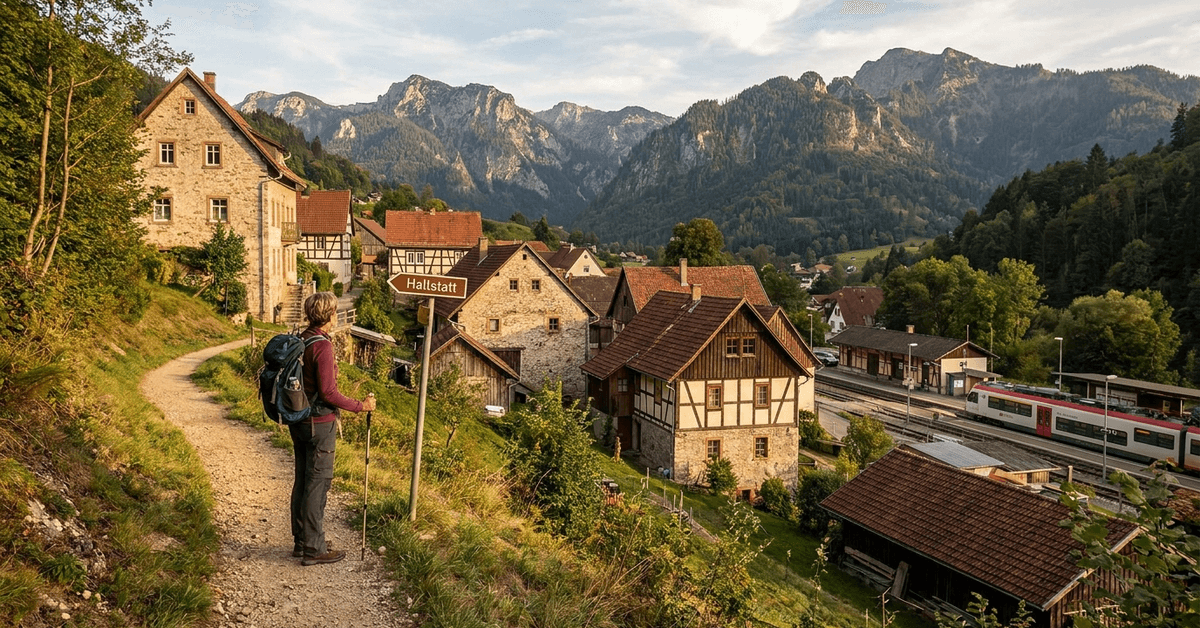
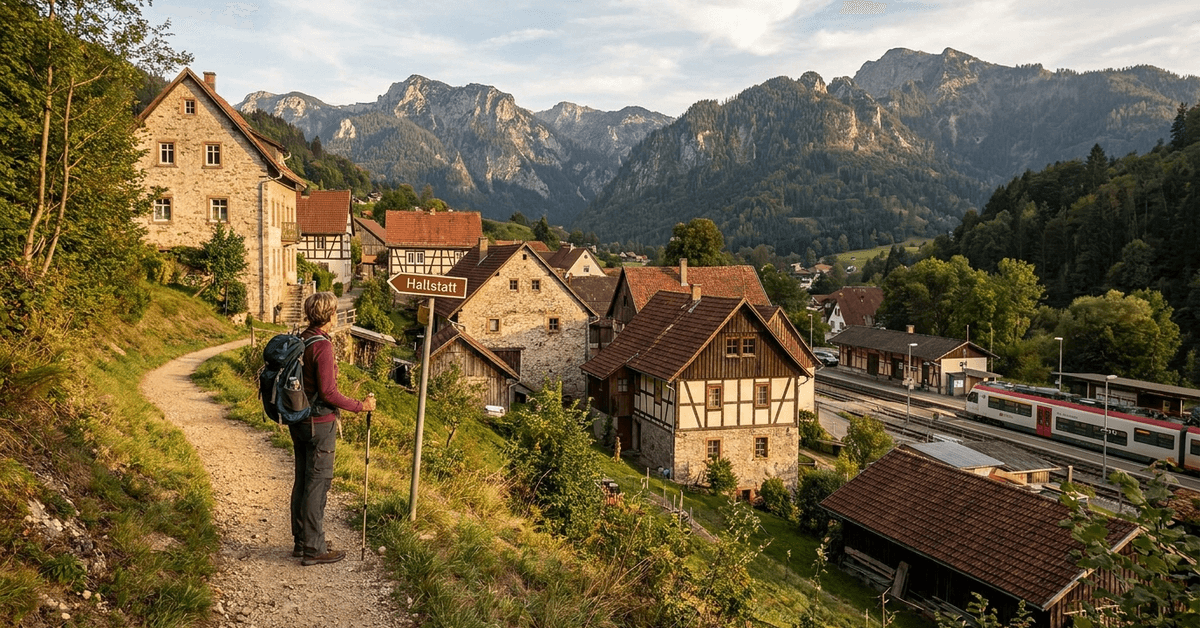
    Hallstatt sits along a tranquil lake, encircled by steep peaks. Famous for its ancient salt mine and postcard houses, the village offers several well-marked hiking routes, such as the Echerntal Trail. During summer, visitors often combine a visit to the skywalk with a moderate climb.

    Gordes, France 

    This Luberon village charms with stone houses and lavender fields. The circular hike to the Abbey of Sénanque is a gentle loop, ideal for those who prefer a scenic stroll. Locals often suggest arriving early to catch the morning light.

    Ortisei, Italy 

    Ortisei is nestled in the Dolomites, within South Tyrol. It is recognized for easy access to Seceda via a cable car, making high-elevation walks possible even for beginners. The village squares are lively, especially in late spring.

    Grindelwald, Switzerland 

    With its wooden chalets and imposing alpine backdrop, Grindelwald caters to hikers of all abilities. Many day hikers take the Firstbahn gondola to reach panoramic trails like the Bachalpsee circuit, which is suitable from late May to September.

    Pirene, Spain 

    Pirene offers access to lush valleys and historic ruins. Many routes are marked by ancient shepherd paths. The CamĂ­ de la Retirada leads through wildflowers and offers distant sea views on clear days.

    Soglio, Switzerland 

    Dubbed “the gateway to paradise” by artists, Soglio’s stone alleys and rose gardens invite slow exploration. For hikers, the Sentiero Panoramico trail is a local favorite and frames the dramatic peaks of the Bregaglia Valley with each turn.

    Lavenham, United Kingdom 

    Lavenham’s Tudor-era architecture and rural paths offer a gentler kind of hike. History enthusiasts find plenty to appreciate, while walkers can follow the circular path through bluebell woods and riverside meadows.

    Dinant, Belgium 

    Sitting along the Meuse River, Dinant’s cliffside citadel and vibrant center set the stage for a day outdoors. The Parc de Furfooz trail is short but filled with archaeological curiosities and forested outlooks.

    Cesky Krumlov, Czech Republic 

    This Bohemian gem features winding alleys, painted houses, and direct access to riverside and hillside trails. The route to Klet’ Tower is the area’s classic day hike, rewarding tired legs with panoramic views and ice cream at the summit cafĂ©.

    Sinaia, Romania 

    Sinaia is famous for its neo-Renaissance castles, mountain monasteries, and woodland hikes. The trail to Peles Castle and then up the Bucegi Mountains is a gradual but steady climb, with frequent benches to rest and take in the scenery.

    How to Plan Your Day Hike in a Mountain Village

    A carefully planned day trip keeps the focus on enjoyment. While each location varies, certain basics remain consistent for safe and enjoyable hiking.

    Step-by-Step Preparation

    1. Check local transport schedules with apps like Trainline .
    2. Review trail maps on AllTrails or the official tourism site.
    3. Pack a refillable water bottle, snacks, sun protection, and emergency contact details.
    4. Dress in weather-appropriate layers and bring a power bank for your phone or GPS.
    5. Review village open hours in case you need supplies or a rest stop.

    Useful Apps and Tools

    • AllTrails: Trail maps and route reviews
    • Rome2rio: Multi-modal travel planner
    • Google Maps: For last-mile directions and finding services
    • Trainline: Real-time ticketing and schedules (Europe-focused)

    Safety, Sustainability, and Local Etiquette

    Responsible hiking and village tourism protect natural and cultural heritage. Simple consideration goes a long way.

    • Respect private property and signposted trails
    • Pack out all trash and minimize plastic use
    • Learn basic phrases in the local language if traveling abroad
    • Support village businesses when possible, such as buying lunch from a family-run cafĂ©

    Tips to Get the Most From Your Mountain Village Hike

    A mountain village hike can combine scenic trails, traditional architecture, and local culture in one memorable trip. Small planning decisions can make the route quieter, safer, and more enjoyable.

    Start Before the Crowds

    Begin your hike early in the morning, especially during weekends or holidays. Quieter paths make it easier to enjoy the landscape, take photos, and move through narrow village streets without feeling rushed.

    Dress in Layers

    Mountain weather can change quickly. Wear light, removable layers and carry a compact waterproof jacket so you can adjust to cooler winds, sunshine, or sudden rain.

    Prepare Offline Navigation

    Mobile coverage may be weak in remote valleys and mountain settlements. Download trail maps, directions, and reference photos before arriving. A printed map can provide an additional backup.

    Slow Down and Explore

    Pause at viewpoints rather than focusing only on completing the trail. Visit small cafĂ©s, bakeries, craft shops, or local markets when available. 

    Tasting a regional specialty or speaking with residents can make the hike feel more connected to the village and its traditions.

    Conclusion

    Exploring a mountain village in a day blends city convenience with natural escape. Each spot offers its own pace and surprises, making every weekend outing unique. 

    Careful planning, thoughtful packing, and respect for local rhythms maximize both joy and sustainability.