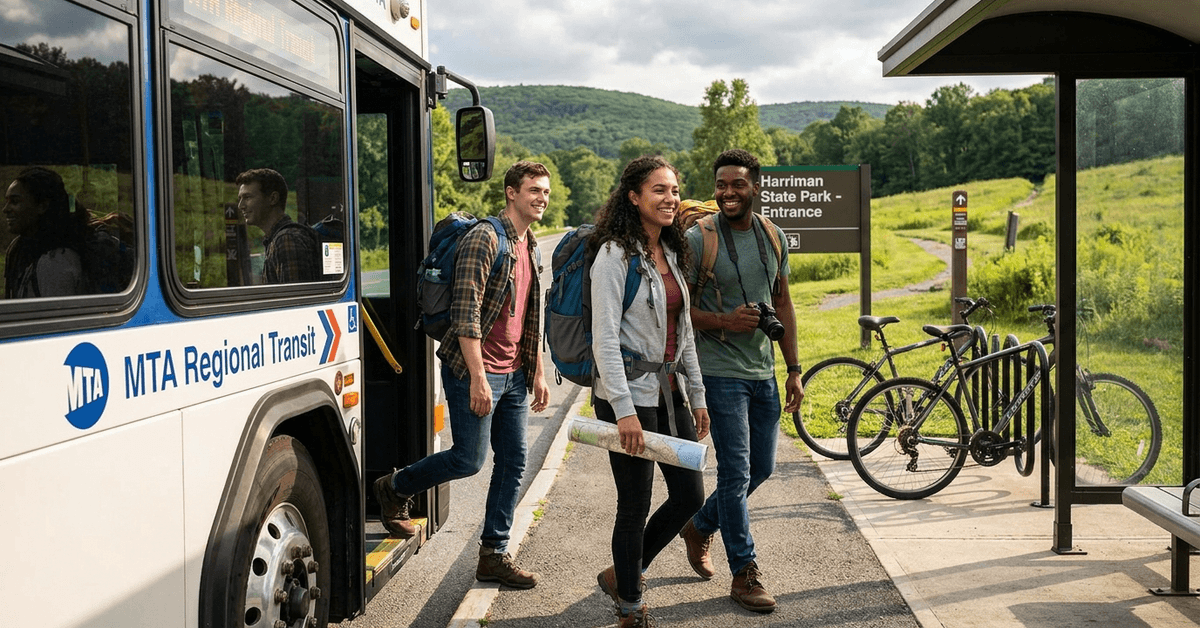
Living in a city can feel busy, but local state parks are closer than many realize. For those without a car, exploring these parks is entirely possible with the right resources and planning.
This guide is ideal for city dwellers, students, or anyone seeking a break in nature without access to a personal vehicle. The main benefit is clear: fresh air and green spaces are not exclusive to car owners.
Why Explore State Parks Without a Car?
Accessing nature supports mental health and well-being. Parks provide clean air, exercise opportunities, and moments to unplug from urban life.
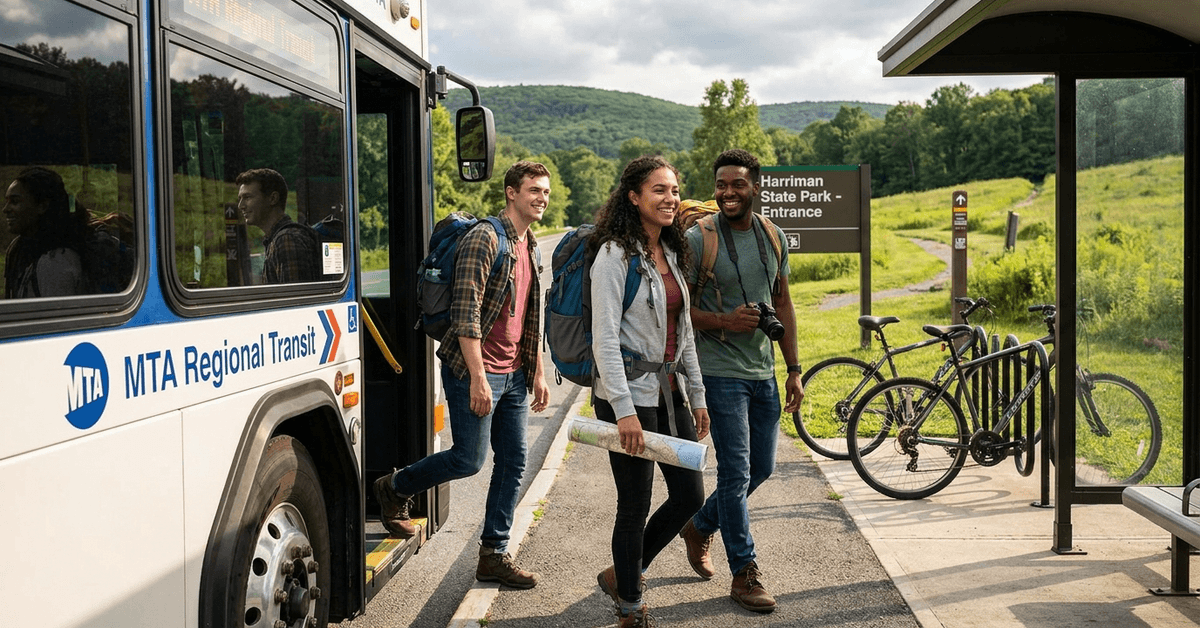
Going car-free saves money, supports sustainability, and challenges the idea that outdoor recreation is only for drivers.
Understanding Your Local Options
Not every state park is easily reached by public transit, but many are located near major metro areas. Identifying these options is key.
Examples of Accessible State Parks by City
- New York City: Pelham Bay Park, Harriman State Park (accessible via Metro-North)
- San Francisco: Angel Island, Mount Tamalpais
- Chicago: Indiana Dunes National Park
- Seattle: Saint Edward State Park
Checking your nearest city’s parks department site or the State Parks official website often helps find the best options.
Step-by-Step: Planning Your Car-Free State Park Trip
1. Find Parks on Transit Lines
The AllTrails app and Google Maps are effective tools for finding parks that link with public transportation. Transit agency trip planners also highlight routes and possible connections.
2. Research Transportation Details
- Use transit agency websites (like MTA, BART, or WMATA) for current routes and schedules.
- Check if weekend or holiday service differs.
- See if a transfer to local buses or shuttles is needed to complete the trip.
3. Consider Biking for the Last Mile
Many parks are within biking distance from a train or bus stop. A folding bike, city bike-share, or simple rental is sometimes the fastest way to travel the last few miles.
- Citi Bike, Divvy, and Bay Wheels are ride-share options in popular cities.
- Check Google Maps cycling routes for paths that avoid high-traffic roads.
4. Plan Entry and Park Fees
Some state parks charge entry fees or parking permits, which may still apply even if arriving car-free. The state parks official website lists this information clearly for each park.
Apps and Tools That Make It Easier
Navigation Apps
- Transit App: Real-time bus and train schedules for most US cities.
- Moovit: Multimodal trip planning, including last-mile options.
Citymapper is another option, offering walking, cycling, and public transport combinations.
Park Discovery Apps
- AllTrails: Trail maps, reviews, and navigation inside state parks.
- Recreation.gov: Booking and details for park entrances and shuttle schedules.
Each of these can be downloaded on both iOS and Android for convenience.
What to Pack for a Car-Free Park Visit
Visiting a park without a car requires thoughtful packing because you may not have quick access to extra supplies. Bring only the essentials so your bag stays comfortable while walking, cycling, or riding public transportation.
Carry Water and Energizing Snacks
Use a lightweight backpack with enough water for the entire outing. Pack high-protein snacks such as nuts, granola bars, cheese, or sandwiches to maintain your energy between stops.
Reusable containers can reduce waste and prevent food from being crushed.
Wear Comfortable Clothing and Shoes
Choose comfortable walking shoes or sturdy sneakers that can handle paved paths, dirt trails, and uneven ground.
Dress for the expected weather by bringing light layers, sun protection, or compact rain gear. Avoid bulky clothing that may become difficult to carry later.
Prepare Your Phone and Navigation Tools
Bring a portable phone charger to keep navigation, transit apps, and emergency communication available.
Download park maps and transit directions before leaving, especially if cell service may be unreliable. A printed trail map provides a useful backup.
Organize Transportation Essentials
Load your transit card or prepare mobile fare payments before starting the trip. Keep identification, tickets, and a small amount of emergency cash in a secure pocket.
Having everything ready helps you avoid delays and makes transfers between buses, trains, and park entrances much easier.
Frequently Asked Questions: Real-World Experience
How reliable is public transit for park access?
Schedules are usually reliable, especially near large cities, but occasional delays can happen. Bringing a book or podcast can make any waiting more enjoyable.
Are there late or return trips to the city?
Some lines run less frequently in the evenings. It’s smart to check the last return trip time and set a reminder so you don’t miss it.
Can you safely store valuables?
With no car to lock things inside, keep essentials in a small backpack. Leave unnecessary valuables at home for peace of mind during your adventure.
Tips for a Smooth, Enjoyable Trip
A successful park visit begins with a clear plan. Thinking about timing, trail difficulty, transportation, and safety before leaving can help you avoid unnecessary stress and enjoy the scenery at a comfortable pace.
Start Early in the Day
Leave home early to make the most of daylight and spend more time on the trails. Morning transit is often less crowded, and parks may feel quieter before afternoon visitors arrive.
Starting early also gives you extra time to handle delays, rest breaks, or changes in weather.
Explore With Friends
Traveling with friends can make the journey safer and more enjoyable. Group members can help with navigation, share supplies, and provide support if someone becomes tired or injured.
Discuss transportation plans and walking speeds before beginning so everyone remains comfortable.
Share Your Itinerary
Tell a trusted person where you are going, which trail you plan to follow, and when you expect to return. This is especially important when visiting remote or less crowded parks. Keep your phone charged and update your contact if your plans change.
Select a Manageable Trail
Choose shorter routes or loop trails when visiting an unfamiliar park. These options are usually easier to navigate and reduce the chance of becoming stranded far from the entrance.
Review the trail distance, elevation, surface conditions, and estimated completion time before setting out.
Conclusion: Car-Free Park Adventures Are Closer Than You Think
Exploring local state parks without a car is not just a practical alternative—it often leads to a richer, more mindful travel experience.
Many city residents discover new corners of their region this way, experiencing neighborhoods, bike trails, and local coffee shops along their journey. While planning takes some adjustment, car-free day trips save money and lower your environmental impact.
Each successful trip builds confidence for the next one. In time, these green escapes will become a regular part of city living, available to everyone, with or without keys in hand.