Category: Travel & Day Trips

  • The Best Time of Day to Visit Crowded City Landmarks

    The Best Time of Day to Visit Crowded City Landmarks

    Seeing famous city landmarks is a highlight for many travelers and urban explorers. Crowds can quickly turn a bucket-list stop into a slow-moving hassle.

    This guide is designed for city lifestylers, day-trippers, and anyone keen on a smoother sightseeing experience.

    The benefit: learning when and how to visit popular city landmarks to enjoy more and wait less, all while staying safe and stress-free.
    The Best Time of Day to Visit Crowded City Landmarks

    Why Timing Matters for Urban Sightseeing

    Crowded spaces mean longer wait times, less personal space, and more stress. During peak hours, attractions can become noisy and overwhelming.

    Visiting at the ideal time usually means easier entry, better photos, and an overall more pleasant memory. Timing can genuinely improve your visit from start to finish.

    But what is the ‘best time’ for famous city landmarks?

    Popular Landmarks and Their Busiest Hours

    New York City: Empire State Building

    The Empire State Building draws massive crowds during midday and sunset. Typically, the quietest window is right after opening on weekdays. This is when lines are shortest and the observation decks most peaceful.

    Paris: Eiffel Tower

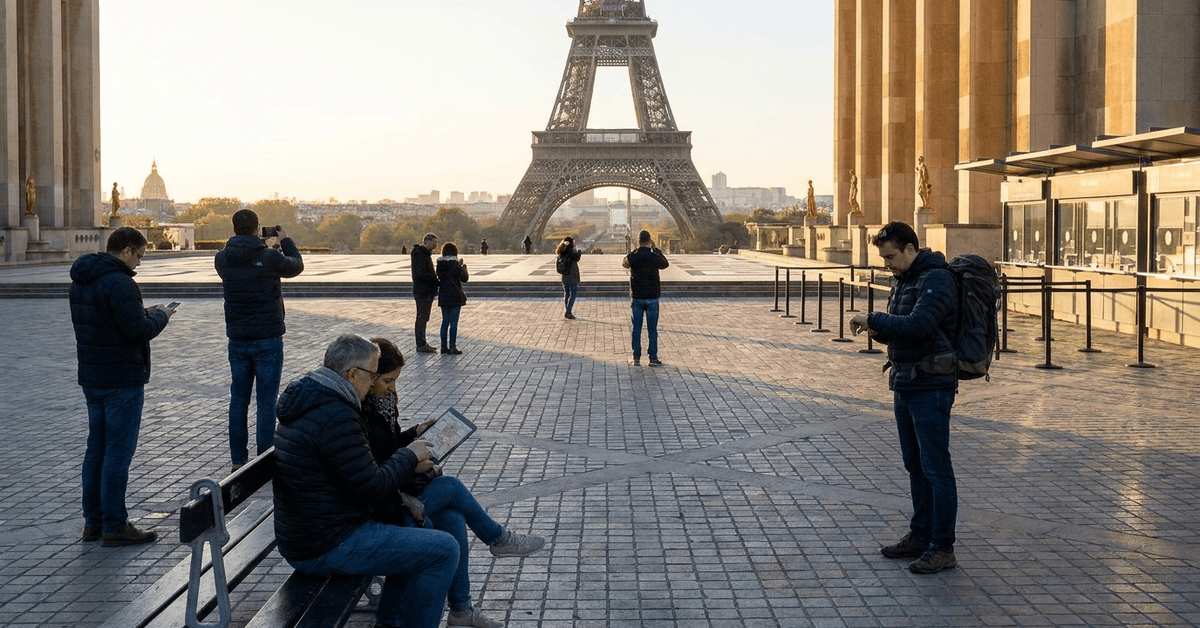
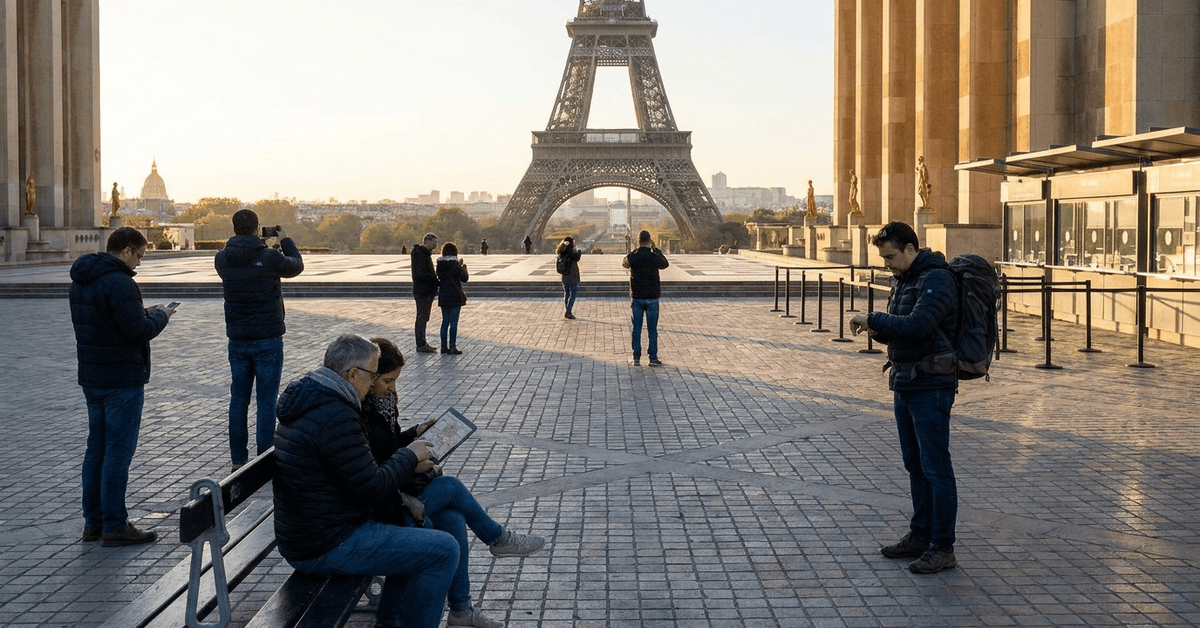
    Morning hours, especially on weekdays, are the best period to visit the Eiffel Tower. Lines start to form after 10 a.m., with the busiest time right before lunch and early evening.

    London: Tower of London

    The slowest period for the Tower of London is immediately after opening. Mid-morning to lunchtime on weekends is especially crowded. Late afternoons see a slight drop in visitors, but not as much as mornings.

    Tokyo: Sensō-ji Temple

    Visiting before 8 a.m. is the sweet spot for Sensō-ji Temple. After 10 a.m., large tour groups and students often fill the grounds, making it more challenging for quiet exploration or photos.

    Rome: The Colosseum

    Early morning, right at opening time, provides the calmest experience at the Colosseum. After 11 a.m., both lines and group tours swell significantly through late afternoon.

    Actionable Tips to Avoid the Crowds

    Arrive Early or Late

    • Early morning visits, ideally just after opening, give the best shot at peace and quiet.
    • Late evening or last-entry slots can also mean fewer visitors, especially on weekdays.

    Plan Around Local Holidays and Weekends

    • Weekends, public holidays, and school breaks increase foot traffic at attractions.
    • Checking local event calendars can help avoid busy periods.

    Book Tickets Online in Advance

    • Advance booking saves time spent queuing at the entrance.
    • Many landmarks offer timed-entry tickets, allowing you to choose a less crowded slot.

    Use Crowd-Tracking and Timing Apps

    • Google Popular Times (in Google Maps) shows hour-by-hour crowd data based on real user patterns.
    • Citymapper‘ often includes crowd indicators for transit and attractions in select cities.
    • ‘Get Your Guide’ and ‘Viator’ also display busy periods and available slots for major sites.

    Aim for Off-Peak Days

    • Mondays through Thursdays typically offer the lowest visitor numbers at most urban landmarks.
    • Rainy, colder, or cloudy days work in your favor with smaller crowds, though views may be limited.

    Step-by-Step: Planning the Ideal Visit

    Planning ahead can help you avoid long lines and enjoy a more relaxed experience at popular landmarks. A few simple steps can make your visit smoother and give you more time to explore.

    Research Before You Go

    Start by checking the attraction’s official website for opening hours, ticket policies, and seasonal schedules. Use Google Maps to view visitor reviews and estimate travel time from your accommodation.

    Find the Quietest Time

    Review Google Popular Times to identify when crowds are usually lighter. If timed-entry tickets are available, select a less busy time slot, such as early morning or later in the afternoon.

    Book Tickets Early

    Reserve your tickets as soon as your travel dates are confirmed. Popular attractions often sell out their most desirable entry times, especially during weekends and holidays.

    Arrive Ahead of Schedule

    Plan to arrive 10 to 15 minutes before your entry time. If an early visit is not possible, the final admission slot of the day may also offer a quieter experience. Allow extra time for security checks and ticket validation before entering.

    Tools and Apps to Optimize Timing

    • Google Maps: Shows live and historical crowd stats as well as ‘Popular Times’ bars.
    • City-specific apps like ‘NYCgo’ or ‘Paris Passlib”. Both offer alerts for events, closures, and high-traffic warnings.
    • ‘Skip the Line’ is a feature on some ticketing platforms and apps that guarantees minimal wait.

    Real-World Examples: When to Visit Landmarks in Major Cities

    • Empire State Building, New York: Arriving before 9 a.m. avoids both queues and large tour groups.
    • Eiffel Tower, Paris: The 8:30 to 10:00 a.m. slot is reliably quiet, especially from November through March.
    • Vatican Museums, Rome: Tuesday or Wednesday mornings see the least crowds. Avoid Saturdays and the last Sunday of the month when entry is free.
    • Shanghai Tower: Right at opening or during the dinner hour (after 6 p.m.) for the smoothest experience. Weekends are always packed with local visitors.

    What to Watch Out For: Safety, Local Policies, and Experience

    Popular attractions can manage visitors in very different ways. Some use timed entry waves, while others change opening hours seasonally, limit capacity, or introduce temporary health and security procedures. 

    Reviewing the latest rules helps prevent delays and confusion.

    Check Official Information

    Visit the attraction’s official website shortly before your scheduled trip. Confirm opening hours, ticket requirements, bag restrictions, accessibility details, and any temporary closures. 

    Even information that was accurate when you booked may change before arrival.

    Follow Approved Entry Procedures

    Use official ticketing platforms, authorized guides, and clearly marked entrances. Unlicensed guides or unofficial apps may provide inaccurate instructions, invalid tickets, or misleading shortcuts that create additional problems.

    Avoid Skipping Lines Improperly

    Trying to bypass official queues can lead to denied entry, lost money, or safety concerns. If faster access is available, purchase it only through the attraction’s verified channels.

    Stay Flexible

    Allow extra time for security checks, crowds, and schedule changes. A flexible plan makes the overall experience calmer and easier to enjoy.

    Conclusion

    Planning the right time to explore city landmarks saves hours, reduces frustration, and allows you to appreciate urban icons at their best. 

    Knowing which apps to check and how to interpret crowd data transforms the experience from average to memorable. 

    Whether your goal is a perfect photo, deeper history, or just a break from the bustle, timing makes all the difference. With a little preparation, any busy site can feel personal and special.
  • How to Experience Local Night Markets Like a Seasoned Traveler

    How to Experience Local Night Markets Like a Seasoned Traveler

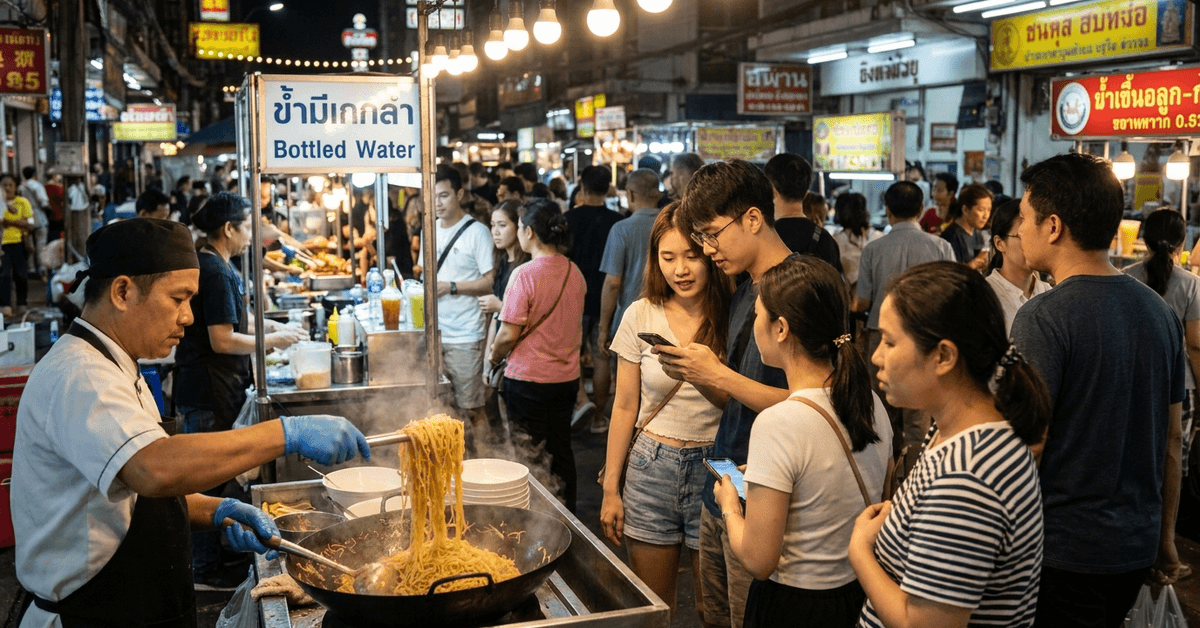
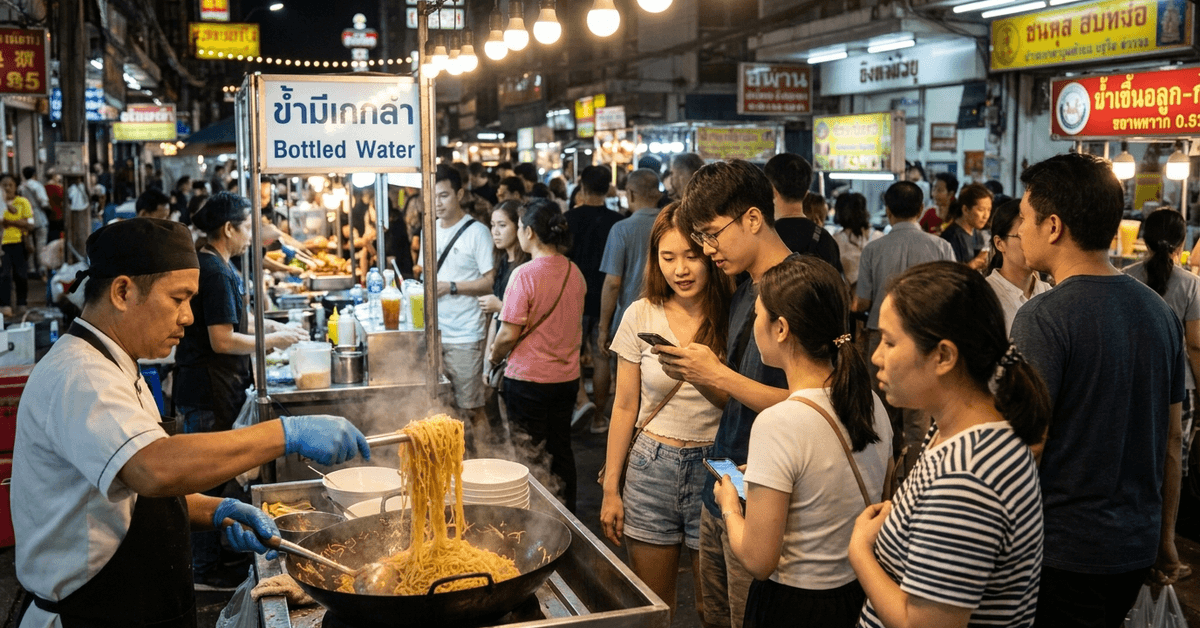
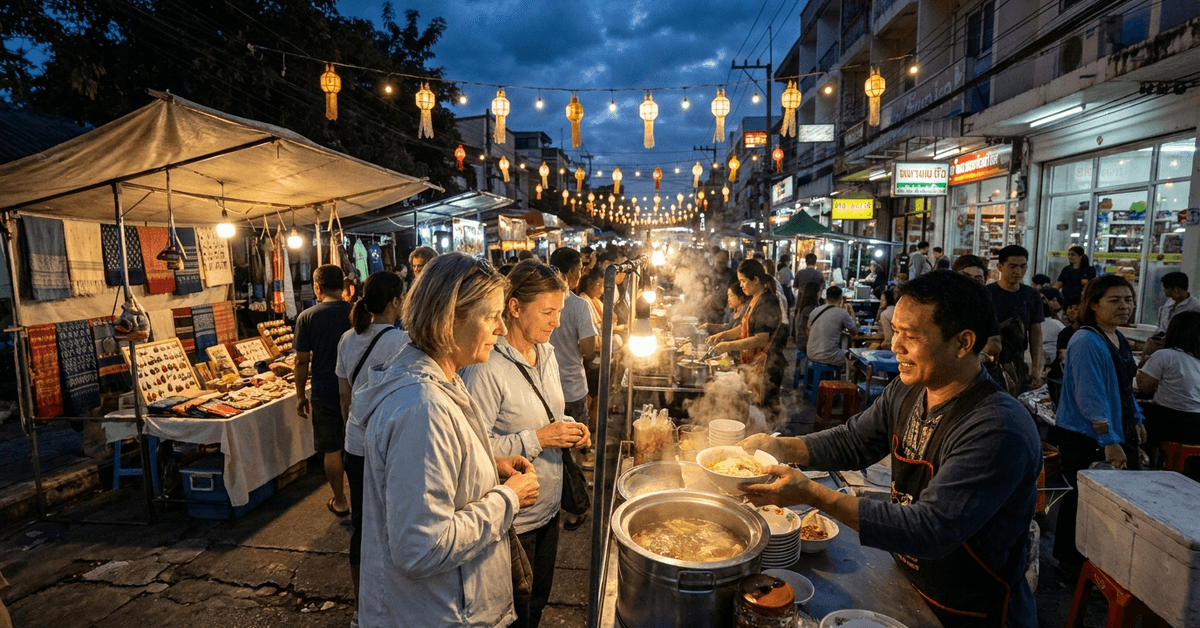
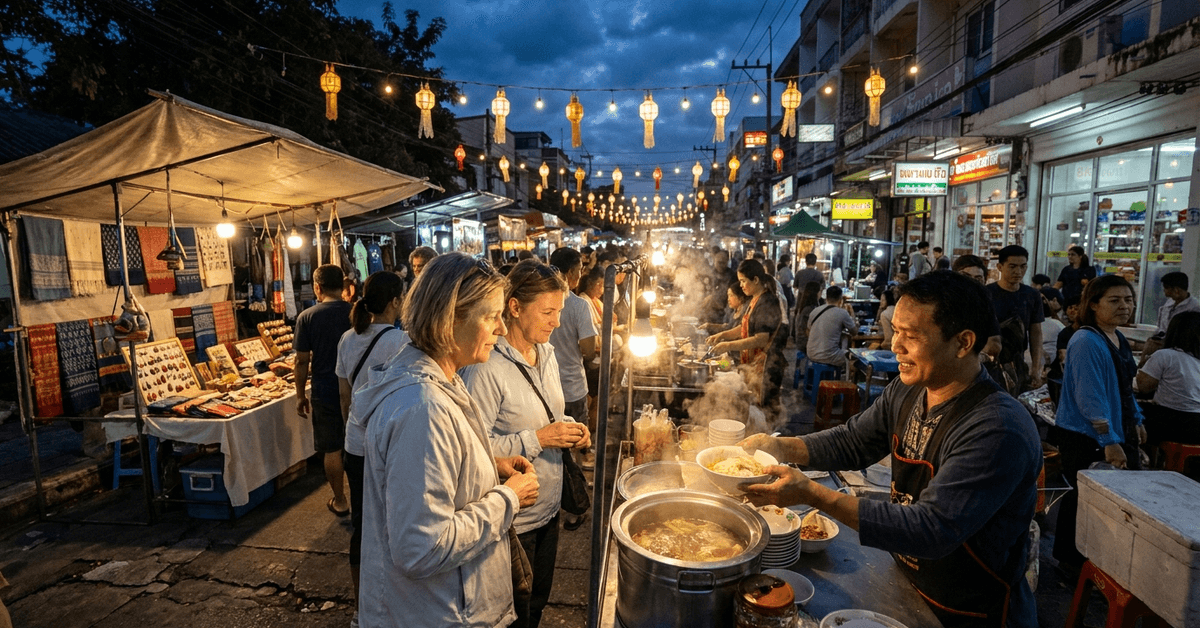
    Night markets offer vibrant snapshots of urban life. Each one reveals local food, crafts, music, and energy that can transform an evening. But truly absorbing the atmosphere demands more than just showing up.

    Anyone interested in urban adventures, culinary discoveries, or authentic travel moments can benefit here. Exploring as a seasoned traveler brings new perspectives and deeper enjoyment.

    Understanding Night Market Culture

    Every city’s night market is shaped by its culture. Recognizing these influences unlocks hidden layers of experience.

    How to Experience Local Night Markets Like a Seasoned Traveler

    Different Night Market Styles

    Cities like Bangkok, Taipei, and Ho Chi Minh City feature large, organized markets with food and street performances.

    Elsewhere, such as Lisbon or Istanbul, the vibe might be more mellow, centering on artisan goods or open-air cafés. Comparing these scenes beforehand makes the visit smoother and less overwhelming.

    Why Locals Love Them

    Locals often use night markets to socialize, unwind after work, or shop for unique finds. Prices and offerings change depending on the night or season. This organic flow is part of the charm, even if it can feel unpredictable sometimes.

    Choosing the Right Market

    Identifying the best night market for your interests saves time and avoids disappointment.

    Researching Efficiently

    • Google Maps: Search “night market” plus your city for details and photos.
    • Social media hashtags or local foodie accounts often highlight genuine favorites.
    • Ask accommodation staff or new acquaintances which spots are truly local.

    Timing Your Visit

    Peak hours usually range from 7pm to 10pm. Early visits can be quieter, while later arrivals might catch live music or street shows. Some vendors sell out quickly, though, which can be unexpected for first-timers.

    Getting There Like a Local

    Navigating to a night market can be half the adventure. Local transport often beats taxis for authenticity.

    • Citymapper or Moovit: These apps track real-time bus and subway options in most major cities.
    • Bike-share programs like Bicing (Barcelona) or Citi Bike (New York) let residents and visitors skip the traffic.
    • If the route feels unclear, consider joining a small group walking tour for the first visit.

    Blending In and Staying Safe

    Looking comfortable in a night market helps attract friendly interactions and avoid unwanted attention.

    Dressing Smartly

    Observing how locals dress can prevent standing out. In Taipei’s Raohe Street Night Market, for instance, modest-casual clothing works better than flashy attire. Sometimes, light layers help with evening breezes.

    Protecting Your Belongings

    • Anti-theft sling bags keep essentials safe in tight crowds.
    • Small pouches for cash, and smartphone lanyards, add peace of mind.

    Most markets are secure, but caution with valuables is never out of place.

    Making the Most of Street Food

    Tasting local dishes is a highlight. Yet, for many, choosing wisely in a sea of options feels daunting at first.

    Discovering Signature Eats

    • OpenRice (for East Asia): Features crowd-sourced reviews and photos.
    • Regional food blogs highlight seasonal and iconic specialties in English. For instance, Vietnamese travel blogs will point towards bún chả in Hanoi’s markets rather than tourist fare.

    Food Safety Tips

    • Pick vendors with visible queues of locals, as high turnover means fresher ingredients.
    • Watch for clean utensils and regularly wiped surfaces.
    • Avoid raw ingredients unless the source is trusted.

    Handling Dietary Restrictions

    Learning a few local words can help clarify common allergens or preferences. For example, “vegetarian” in Chinese markets is “sùshí”.

    Shopping and Negotiation Skills

    Shopping at night markets is rarely just about price. Haggling is customary in many cities, yet manners can matter more than the result.

    Approaching Vendors

    • Smile and offer a friendly greeting before asking about prices.
    • Google Translate provides quick local-language phrases for basic negotiation.
    • Polite persistence works better than aggressive bargaining.

    Quality Check Pointers

    • Check fabric stitching, test zippers, or look for labels if buying clothes or accessories.
    • Handmade jewelry and crafts might have minor flaws, which often add character rather than detract from value.

    Capturing the Experience Respectfully

    Photography is part of many night market visits, but local norms, lighting, and etiquette should shape the approach.

    • Ask permission before photographing sellers or close-ups of food preparation.
    • Look for photo-friendly corners with decorative lanterns, murals, or lively crowds.
    • Night mode or low-light camera apps, like NightCap, help secure vibrant images without a flash.

    A few blurry shots are inevitable, especially during busy evenings. That’s part of the charm.

    Planning Around Opening Hours and Events

    Some night markets are permanent, while others operate as pop-up or seasonal attractions. Staying flexible can open up new experiences.

    • Official tourism sites often list market hours and special events, such as lantern festivals or street music nights.
    • Community Facebook groups or Twitter feeds announce unexpected changes, closures, or weather risks.
    • When in doubt, a quick call to your hotel or host can clarify the schedule and help avoid a wasted journey.

    Language and Social Etiquette

    Learning a few greetings or polite phrases builds friendly rapport. A simple “hello” in the local language can shift the interaction from transactional to genuine.

    • Duolingo or Memrise (language-learning apps) help memorize essentials like “How much?” or “Thank you.”
    • In crowded spots, staying patient and letting others pass shows respect.
    • Gently declining aggressive sellers with a smile is usually well-received.

    Tips for Sustainable and Responsible Visits

    Supporting local communities means choosing vendors thoughtfully.

    • Bring reusable containers or utensils if possible, reducing waste in food-heavy markets.
    • Opt for locally made crafts rather than imported knick-knacks.
    • Dispose of trash properly and recycle whenever bins are available.

    The impact of small choices often goes further than you expect.

    Maximizing Your Enjoyment

    Taking Breaks

    Stepping aside for a drink or a dessert lets the senses reset, especially if crowds feel overwhelming.

    Observing from a café seat or nearby park can offer a new, quieter vantage point. Sometimes, these pauses lead to the most memorable discoveries or conversations.

    Mixing Spontaneity with Planning

    Trying an unfamiliar snack or joining a pop-up performance on a whim adds fun. Preparation reduces stress, but allowing for surprises is what often makes the evening special.

    Conclusion

    Approaching local night markets as a seasoned traveler means blending curiosity with respect and practical know-how. Understanding each city’s market scene, preparing using the best apps, and adapting social etiquette deepens the experience.

    Making simple choices—like supporting local vendors or trying a new street snack—transforms more than just your evening. Over time, night market visits become highlights of city life, shaping your stories and perspectives long after you return home.

  • How to Find Cheap Bus and Train Tickets at the Last Minute

    How to Find Cheap Bus and Train Tickets at the Last Minute

    Finding cheap bus and train tickets at the last minute can feel tough, especially in busy cities. Still, for those living the urban lifestyle or planning day trips, knowing a few clever tactics can save plenty.

    This guide is designed for urban explorers, commuters, and anyone who values both time and budget.

    The main advantage? You’ll learn how to avoid high last-minute prices and make confident choices, whether it’s a Friday night in London or an unplanned city break in Berlin.

    Image 1

    Why Last-Minute Train and Bus Ticket Prices Fluctuate

    Ticket prices change rapidly for many reasons. For trains and buses, demand, route popularity, and time of purchase all matter.

    Bus routes in major cities like Paris, Madrid, and Milan can sell out. Meanwhile, regional trains in Germany or France may have sudden price drops at off-peak times.

    Dynamic Pricing Systems

    The most important concept to grasp here is dynamic pricing. Transport operators adjust prices based on demand and availability.

    During holidays or rush hours, costs usually spike. Oddly, if seats remain near departure, prices for slower trains or off-brand buses occasionally drop.

    How Booking Windows Affect Cost

    Booking early often means better deals. Still, last-minute discounts are common when operators need to fill empty seats.

    Every company has a different booking window policy. For example, FlixBus might list last-minute deals for late-night routes only hours before departure.

    Top Apps and Tools for Last-Minute Tickets

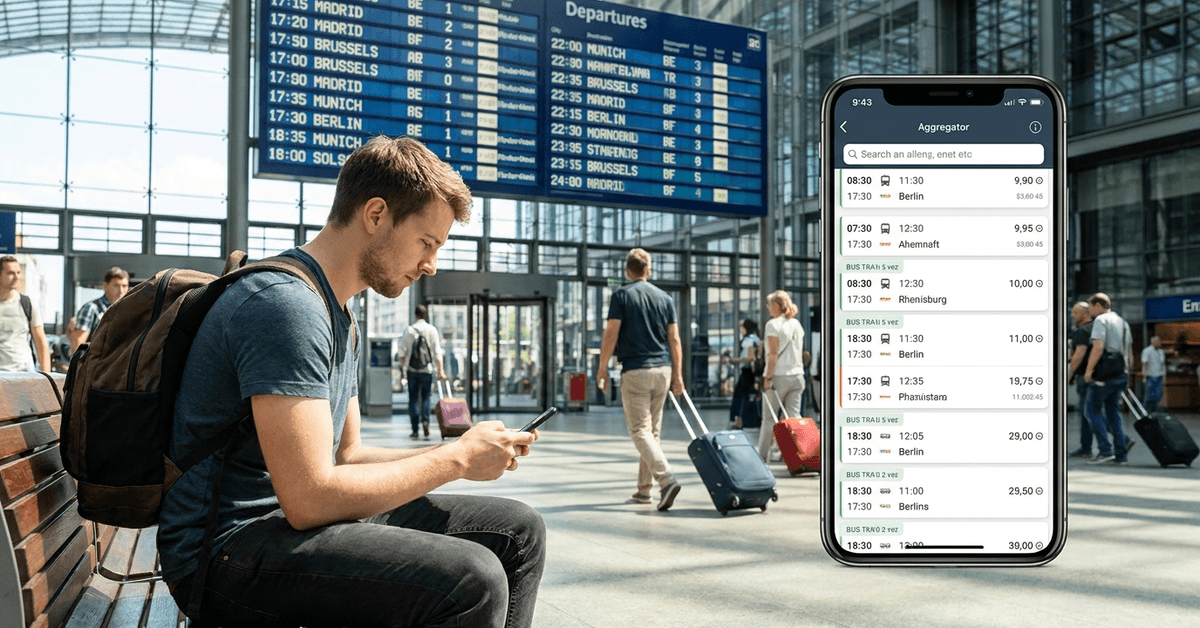
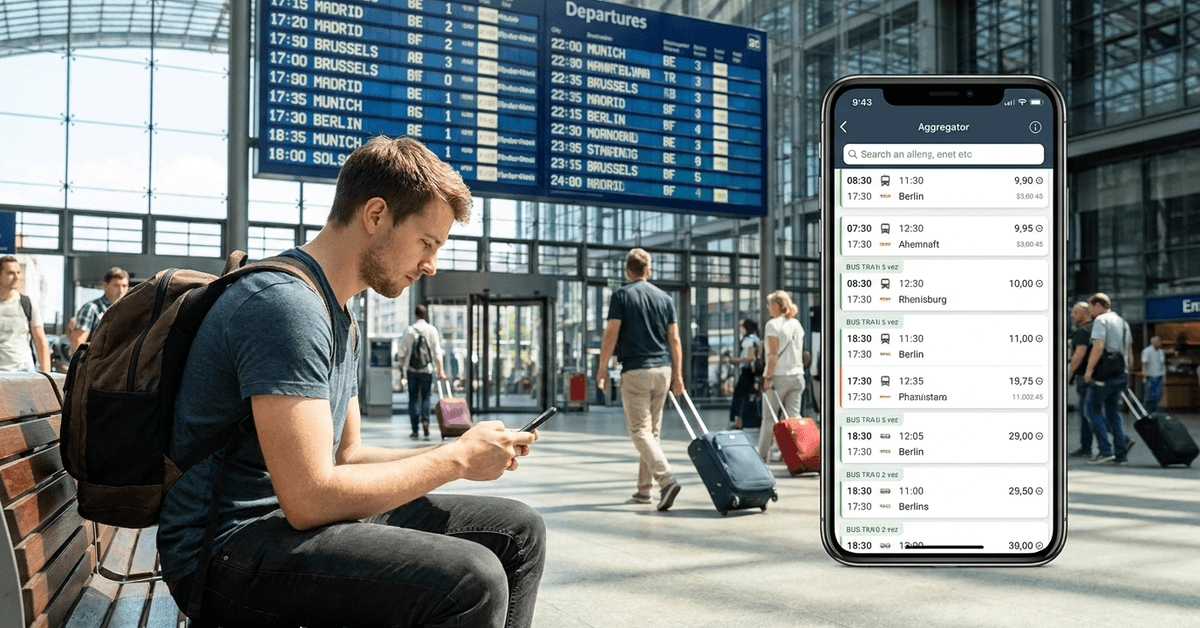
    Most last-minute bargain hunters rely on apps. They aggregate options quickly, sometimes surfacing exclusive deals not shown on official sites.

    Omio

    One of the best options for comparing prices is Omio. It searches buses, trains, and even flights across hundreds of carriers at a glance.

    Omio is easy to use for spontaneous travel in places like Amsterdam, Brussels, or Vienna. The mobile interface updates in real time, which helps when you’re rushing.

    Trainline

    Trainline works well for both UK and mainland Europe. Last-minute fares sometimes appear a few minutes before departure.

    If you have flexibility with your time and aren’t set on a specific train, try using Trainline’s flexible search. This helps spot overlooked gaps in demand.

    FlixBus & FlixTrain Official Apps

    FlixBus and FlixTrain run their own apps. These regularly show price drops in the final hours before departure, especially midweek or outside holidays.

    A good strategy is to check both the official app and an aggregator like Omio or Trainline for price discrepancies.

    Regional and National Operators

    Some countries have specific apps. In Italy, Trenitalia and Italo often display promo fares even an hour before trips.

    For German day trips, Deutsche Bahn’s app sometimes lists “Sparpreis” (saver) or “Super Sparpreis” tickets late in the afternoon.

    Step-by-Step Plan: How to Snag Cheap Tickets at the Last Minute

    The process of finding affordable last-minute tickets is surprisingly structured when you know where to start.

    1. Open an aggregator app like Omio or Trainline. Enter departure, destination, and ‘today’ or ‘now’ as your date/time filter.
    2. Check the prices on the aggregator’s list against the official carrier apps or websites to compare. Sometimes operator promos are only on their platform.
    3. If possible, be flexible with nearby stations. For example, Paris has several train stations offering suburban service at different rates. Milan and Madrid are similar.
    4. Sort by ‘cheapest price’ or ‘departing soon.’ Quick changes in supply pop into these lists first, so they are the most current deals.
    5. If the price seems high, wait five minutes and refresh. Flash sales can be released when seats are not filling up as planned, especially after main commuting periods.

    Sticking to this plan can reduce impulse overpaying. It’s not foolproof, but over time, this rhythm helps build up a sense of timing for the best deals.

    Smart Tactics for Urban Last-Minute Travelers

    City dwellers or day trippers often face unique challenges. Urban routes, for instance, can sell out without warning, despite being common.

    Take Advantage of Off-Peak Periods

    For most cities, prices are lower after 9am and before 4pm or late evenings. Avoid buying during morning and evening rush hours, when fares jump.

    Some buses in Berlin and Prague run extra-late services; tickets can be 30% cheaper after midnight.

    Consider Regional and Slow Trains

    Mainline, express options are rarely discounted last minute. Instead, regional (S-Bahn in Germany, TER in France) or ‘slow’ trains have more unsold inventory.

    These slower services might take longer but usually offer cheap walk-up fares, even a few minutes before departure.

    Look for Special Promo Codes or Loyalty Discounts

    It can be worthwhile to quickly check promo pages or notifications in the app just before you buy. Sometimes operators run flash codes for last seats.

    Urban dwellers registered with loyalty schemes like SNCF Connect or DB Navigator occasionally receive last-minute alerts for city routes.

    Examples: Cities Where Last-Minute Tickets Are Easier to Find

    Some cities simply lend themselves better to last-minute deals due to high competition or multiple rail/bus operators.

    • Berlin: Many bus and train options, plus real-time digital ticketing
    • London: Frequent departures, multiple coach and regional train services
    • Madrid: Competing bus brands offering app-based discounts
    • Bologna, Munich, Brussels: Extensive local and national options creating last-drop discounts

    Potential Limitations and Things to Watch For

    It’s easy to get caught up in chasing the lowest possible deal. Sometimes, risks or minor annoyances come with it.

    Changing Stations and Connections

    Cheap last-minute tickets might involve odd departure stations. For example, in Paris, the cheapest bus could leave from Bercy rather than Gare du Nord.

    Always double-check the station and consider local transport time. In some cities, reaching a peripheral station costs extra time or money.

    Limited Seating or Comfort

    When booking at the last minute, seat options and amenities are often reduced. Buses may be packed, and trains might lack reserved seats.

    If comfort is important, consider the trade-off carefully.

    Refund and Change Restrictions

    Last-minute fares are mostly non-changeable and non-refundable. Double-check the terms before confirming, especially for overnight journeys or longer routes.

    Table: App Comparison for Last-Minute Travelers

    App  Best For  Cities/Regions  Key Feature 
    Omio  Multi-modal, cross-country  EU, UK  All-in-one search 
    Trainline  Trains, coaches  UK, France, Germany  Live seat tracking 
    FlixBus  Buses  Europe-wide  Late flash deals 
    Trenitalia  Italian trains  Italy  Late-day specials 
    DB Navigator  German trains  Germany  Regional discounts 

    Conclusion

    Finding cheap bus and train tickets at the last minute is never a guarantee, but it is much easier with the right approach and technology. 

    Staying flexible with departure times, exploring less popular routes, and checking multiple apps absolutely increases your odds of saving money—sometimes dramatically.

    For city dwellers and spontaneous travelers, it’s all about being prepared to act quickly and confidently when the opportunity for a deal arises.

  • Street Food Guide: How to Find the Best Local Eats Safely

    Street Food Guide: How to Find the Best Local Eats Safely

    Digging into street food often leads to the most memorable meals in any city. For city dwellers, travelers, or anyone who loves local flavors, discovering authentic dishes safely is key. This guide covers how to find top street food while minimizing risks.

    Why Street Food Is Worth Exploring

    Street food offers unmatched glimpses into a city’s daily life. Tasting what locals eat, where they gather, and how food is served reveals urban culture in a delicious way.

    Some cities—like Bangkok, Mexico City, and Istanbul—are nearly defined by their street eats. Still, each spot varies, so knowing how to explore safely brings peace of mind.

    Street Food Guide: How to Find the Best Local Eats Safely

    How to Discover Authentic Local Food Stalls

    Follow the Crowds

    Crowds are usually the best sign of freshness and flavor. Locals often line up at the most popular carts, especially during lunch or after-work rushes.

    Peak times vary by city. In Singapore, for instance, lunchtime hawker centers fill up fast, while in Madrid, evening tapas stalls draw crowds from 7pm onward.

    User Reviews and Food Apps

    Technology can point directly to hidden gems. The Google Maps app offers up-to-date reviews and live popularity bar graphs.

    • TripAdvisor and Yelp help compare cleaner, safer choices.
    • HappyCow is helpful for vegetarian and vegan options, especially in cities like Berlin.
    • Local forums or city-based Facebook groups can surface real-time intel.

    Look for Cleanliness Indicators

    Many great stalls run on busy sidewalks under simple tents, but there are signs of safety to check:

    • Staff wear gloves or hairnets.
    • Food is cooked to order, not left sitting out.
    • Separate utensils are used for raw and cooked foods.

    Best Practices for Eating Street Food Safely

    Assessing Hygiene Up Close

    Observing how food is handled is vital. Clean hands, fresh ingredients, and steaming hot meals help reduce risk.

    Open flames or grills—like those found in Hanoi’s Old Quarter—ensure dishes are cooked thoroughly. Avoid anything lukewarm or uncovered.

    Stay Hydrated (But Watch the Water)

    Bottled water remains the safest way to stay hydrated. Many urban markets use tap water for washing or making ice, which can sometimes cause stomach issues.

    In places like Mumbai or Mexico City, skipping raw fruits washed with market water is a smart choice.

    What to Avoid

    • Sauces or condiments sitting in open air.
    • Food that’s been cooked and left for hours.
    • Seafood sold without proper refrigeration, especially in hot climates.

    Well-Known Cities With Famous Street Food Scenes

    Bangkok

    Thailand’s capital is famed for spicy pad thai, mango sticky rice, and boat noodles. Areas like Yaowarat Road remain buzzing late into the night.

    Mexico City

    Tacos al pastor, tamales, or elotes draw locals and travelers. Stalls around Condesa and Roma Norte offer a safe, bustling atmosphere.

    Istanbul

    Grilled fish sandwiches, simit, and fresh juice often come from tidy carts near the Bosphorus. Many vendors have clear signage showing local certificates.

    Singapore

    Hawker centres feature dozens of food kiosks under one roof, each with hygiene grades easily visible. Popular spots like Maxwell Food Centre set the gold standard for safety.

    Using Technology to Improve Street Food Safety

    Essential Apps

    • Google Maps for hours, reviews, and location accuracy.
    • Food Safety app (varies by city) to check stall licenses, such as Singapore’s NEA website.
    • Instagram and TikTok for trusted food influencer content, showing recent visits and conditions.

    Cashless Payments

    Mobile payment apps like Apple Pay and PayPal are increasingly accepted. Using these can reduce contact and is often more secure than carrying cash.

    Step-by-Step: Safely Trying Street Food

    1. Research city hotspots before venturing out—look at up-to-date online recommendations.
    2. Check for clean prep areas and signs of busy foot traffic on-site.
    3. Choose dishes cooked to order when possible, for maximum freshness.
    4. Monitor how food is handled and served; avoid anything sitting in the sun.
    5. Use sanitizing wipes or gel for your own hands before eating.

    Street Food for Special Diets

    Street food can still be enjoyable for travelers with dietary restrictions, but extra care is often necessary. Ingredients, cooking oils, and preparation surfaces may not always be clearly labeled.

    Vegetarian and Vegan Options

    Cities such as Taipei and Athens offer many vegetable-based street foods, including grilled produce, breads, rice dishes, and plant-based snacks. However, sauces, broths, or cooking oils may contain animal products.

    Clearly explain your dietary needs before ordering. A translated card can be helpful when language barriers make communication difficult. 

    Choose stalls where ingredients are prepared or assembled in front of you, as this makes it easier to ask questions and avoid unwanted items.

    Managing Food Allergies

    Severe allergies require greater caution because cross-contact can occur on shared grills, utensils, and frying equipment. Allergy translation cards are especially useful in cities such as Tokyo or Seoul.

    Research vendors before visiting and check recent reviews from other travelers with similar needs. 

    Apps and online communities, including AllergyEats, may help identify safer dining options. When ingredients or preparation methods remain unclear, choosing another vendor is the safest decision.

    Maximizing Enjoyment With Minimal Risk

    Trying local food can be one of the most memorable parts of a trip. A few practical choices can help you enjoy new flavors while reducing the chances of discomfort or poor-quality meals.

    Follow Trusted Local Recommendations

    Hotel staff, ride-share drivers, market workers, and nearby business owners often know which food stalls are clean, popular, and consistently good. Local suggestions may lead you to fresher dishes than random online lists.

    Consider a Guided Food Tour

    Organized food walks can introduce you to several trusted vendors in one outing. Tours such as Secret Food Tours in Paris or Bangkok Food Tours usually select stops based on popularity, quality, and local reputation. A guide can also explain ingredients, preparation methods, and regional customs.

    Start With Small Portions

    Street food can be rich, oily, spicy, or unfamiliar. Begin with smaller servings so you can see how your body responds before ordering more.

    Watch Food Handling

    Choose busy stalls where food is cooked fresh and served hot. Avoid items left uncovered for long periods, and carry hand sanitizer when soap and water are unavailable.

    Conclusion

    Exploring street food is one of the quickest ways to connect with local life. With thoughtful precautions—like checking cleanliness, using reliable apps, and trying trusted stalls—anyone can eat adventurously yet safely. 

    Your next urban day trip could become a flavorful memory, as long as you balance curiosity with commonsense vigilance. Happy tasting—one bite at a time.

  • The Best Offline Map Apps for Urban Travelers

    The Best Offline Map Apps for Urban Travelers

    Reliable navigation can be the difference between a smooth city trip and unnecessary frustration. Urban travelers often face patchy internet or steep roaming fees abroad. The right offline map app eliminates both issues.

    This article explores offline map solutions for city explorers. It’s relevant for anyone seeking dependable routes, transport options, or points of interest without always relying on Wi-Fi or a mobile signal.

    Why Offline Maps Matter for Urban Explorers

    Offline map apps offer security and convenience during unpredictable situations. Urban navigation can get tricky during network outages, crowded events, or international travel.

    The Best Offline Map Apps for Urban Travelers

    Wireless signals can drop inside metro stations or within dense neighborhoods of cities like Paris, Tokyo, or New York. Pre-downloaded maps ensure you’ll never be fully lost.

    • Save on data costs abroad
    • Remain independent of public Wi-Fi security risks
    • Access comprehensive routes for subways, trams, and footpaths

    The best offline map apps for city navigation

    Google Maps Offline

    For most users, Google Maps Offline provides a familiar, highly detailed solution. Downloaded map regions allow turn-by-turn driving, walking, and cycling navigation.

    Some features, like real-time traffic and transit updates, need connectivity. Still, major city landmarks, addresses, and street layouts remain accessible offline.

    • Easy to save regions of any size
    • Detailed in cities such as London, Madrid, and Chicago
    • Custom lists and starred places available offline

    MAPS.ME

    MAPS.ME stands out for travelers needing walking routes, hiking trails near city edges, or public transport layer integration. Maps are fast to download and update.

    The app focuses on world cities but also covers nature parks, rivers, and even park benches. Local guides and offline search make finding food, ATMs, and sights convenient abroad.

    • No sign-in required to use maps
    • Community-added points of interest enhance accuracy
    • Available for both iOS and Android

    Citymapper

    For public transport, Citymapper consistently rates highly among locals and visitors. Offline schedules, multi-mode routing, and clear station layouts streamline fast-moving city trips.

    Major metro areas, such as Berlin, Barcelona, or Singapore, are covered in detail. The app can calculate routes combining buses, metro, e-scooters, and on foot—useful for last-mile journeys.

    • Offline ‘favourites’ and saved routes
    • Integrated with real-time city updates when connected
    • Handy for travelers juggling multiple cities in a trip

    HERE WeGo

    HERE WeGo provides comprehensive offline maps for entire countries or regions. Originally designed for automotive use, it now covers urban navigation, cycling, and public transport layers.

    Cities such as Milan, Sydney, or Buenos Aires benefit from robust routing—even showing bus interchanges or pedestrian zones. Turn-by-turn walking navigation works without a network.

    • Voice guidance included offline
    • Supports ride-sharing and taxi estimates in select cities
    • Provides clear parking options citywide

    Sygic GPS Navigation & Maps

    Sygic targets users needing advanced driving features along with walking directions. The app’s offline database supports 3D mapping of city landmarks and rental car mode.

    Popular across North America and Europe, it enables pedestrian navigation in zones where vehicles are excluded. Useful for both drivers and foot travelers.

    • Multi-language map support
    • Speed limit warnings offline
    • Optional add-ons like Dashcam and CarPlay

    How to Download Offline Maps Step by Step

    Before traveling, choosing and preparing your map app saves time at your destination. The following steps apply to most popular offline map providers.

    1. Install the preferred offline map app (such as Google Maps, MAPS.ME, or Citymapper) from an official app store.
    2. Search for the city or region you plan to visit.
    3. Locate an option to ‘Download’ or ‘Save map for offline use’ (usually in the map’s info card or settings menu).
    4. Select the map area as precisely or broadly as needed.
    5. Wait until the app confirms the download is complete before departure.

    Key Features to Look for in Offline Map Apps

    Not all offline maps offer the same features. Urban travelers should prioritize maps that deliver accuracy, clarity, and practical tools without requiring constant updates.

    • Detailed address search: Ensures finding an exact cafe, museum, or train stop even without data.
    • Turn-by-turn, voice-guided routing: Especially crucial when navigating new subway lines or unfamiliar blocks after dark.
    • Offline point-of-interest database: Helps locate essentials like ATMs, medical care, or restrooms.
    • Up-to-date public transit and walking paths: City layouts change often, so recent map data is critical.

    Apps for Specialty City Travel Needs

    Organic Maps

    Organic Maps is an open-source map focused entirely on privacy. No location tracking or advertising makes it unique for users wary of data sharing.

    It offers offline walking and cycling navigation in Brooklyn, Berlin, or Bangkok. Some options feel basic, but battery life and privacy are real strengths.

    OsmAnd

    OsmAnd uses OpenStreetMap data and provides detailed lane guidance or hiking trails. It’s well-suited to adventurous city trips or day excursions into urban parks.

    Available for both smartphones and car navigation systems. Offline Wikipedia integration is handy for curious travelers looking to understand sites as they pass by.

    Tips to Maximize Offline Map App Usefulness

    • Update downloaded maps just before departure to avoid outdated information or street closures.
    • Save frequent addresses, landmarks, or hotel as ‘favorite’ spots for instant access without searching every time.
    • Carry a small backup paper map in dense areas where GPS signals may briefly drop (such as markets or underground stations in Istanbul, Seoul, or Mexico City).
    • Layer specialized city guide apps with your offline map for events, restaurant openings, or museum hours—especially in cities where places change fast.

    Privacy and Data Considerations

    Mobile map apps may collect anonymized movement data even when used offline. Privacy-minded travelers often choose open-source options like Organic Maps or configure apps to share minimal data.

    Always download from official stores to avoid malware and use permissions settings on your device to limit unnecessary access where possible. Be cautious when sharing live location, especially on unfamiliar networks.

    Conclusion

    Offline map apps empower city travelers to explore confidently, no matter where their adventures take them. 

    By choosing the right app and preparing maps in advance, it’s easier to avoid getting lost, save on data costs, and discover hidden gems in cities worldwide. 

    With care for privacy, regular updates, and practical local tips, these tools turn any urban trip into a smoother, more enjoyable experience—offline or not.

  • The best regional foods to try across the country

    The best regional foods to try across the country

    Regional foods offer an authentic window into a city’s culture. Many travelers and locals alike see tasting local specialties as part of exploring urban life.

    This guide highlights the most memorable dishes across the country, with real-world tips for where and how to try them.

    Why Regional Foods Matter in Urban Life

    Every city features at least one signature dish that tells a story. These foods often reflect local history and diverse influences. Exploring them adds depth to a city visit, whether for a day trip or extended stay.

    How to Discover Local Food Specialties

    Finding the best regional foods can be easier than expected. Food apps are helpful, but nothing beats local advice.

    The best regional foods to try across the country

    Using Food Apps

    Popular apps often help visitors find authentic spots. The Yelp app is widely used for honest reviews on local food gems. Users sort by proximity or keyword to find signature dishes nearby.

    For international cities, the app HappyCow proves helpful, especially for dietary preferences like vegetarian or vegan options tied to regional cuisine.

    Seeking Local Recommendations

    Locals often know hidden gems. A good way to discover them is chatting with coffee shop baristas or bookstore staff. Many locals love sharing tips with curious visitors and newcomers.

    Top Regional Foods to Experience in Major Cities

    Each region highlights unique ingredients and flavors. Sampling them offers insight not just into the dish, but also into a city’s daily rhythm and favorite hangouts.

    New York City: Bagels with Lox

    No food list is complete without the classic NYC bagel. Typically enjoyed for breakfast, a fresh bagel with smoked salmon (lox), cream cheese, onions, and capers is a local favorite.

    Many locals debate the best bagel shops, but Russ & Daughters remains an iconic choice. A weekday morning is the best time to avoid crowds and try the experience just like a New Yorker.

    Chicago: Deep-Dish Pizza

    Chicago is famous for deep-dish pizza. Thick, buttery crust, layers of cheese, and tangy tomato sauce define this hearty meal. A slice is almost a knife-and-fork affair.

    Lou Malnati’s and Giordano’s are frequently mentioned in debates about the city’s best deep-dish. Locals sometimes suggest Giordano’s when visitors ask for that classic first slice.

    Philadelphia: Cheesesteak

    In Philadelphia, the cheesesteak is more than a sandwich—it’s city pride on a roll. Typical toppings are provolone, American cheese, or Cheez Whiz, plus onions or peppers if preferred.

    People often try cheesesteaks at Pats King of Steaks or Geno’s. Locals are known to have strong opinions about which spot is best, so opinions definitely vary.

    San Francisco: Mission-Style Burrito

    San Francisco’s Mission District brought burritos into the spotlight. These burritos are often large, packed with rice, beans, meat, salsa, and extras, all wrapped in a steamed tortilla.

    La Taqueria is a regular winner for top Mission burritos. Locals suggest customizing fillings rather than choosing from preset combinations for a personalized meal.

    New Orleans: Po’Boy Sandwich

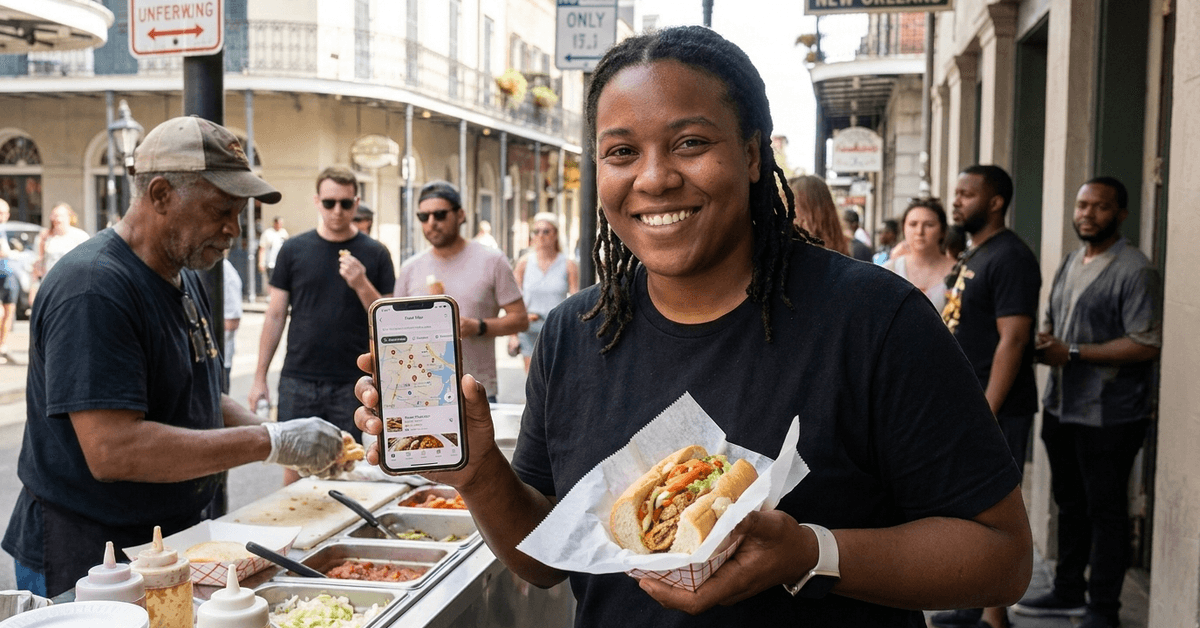
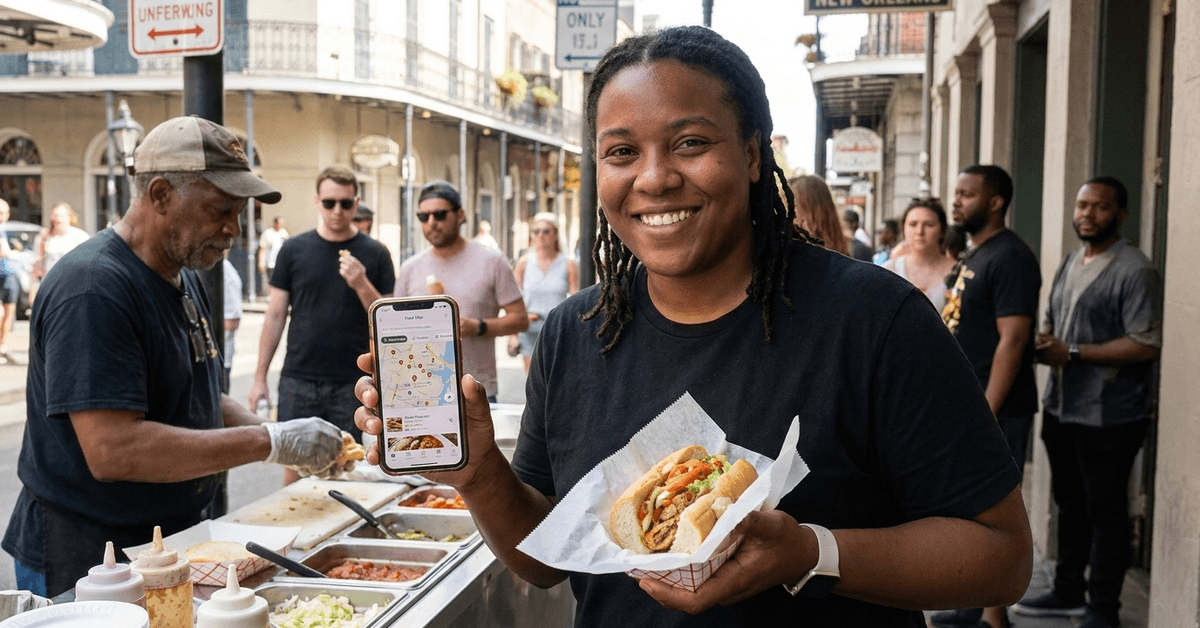
    New Orleans’ po’boy sandwich holds deep roots in Crescent City history. Traditionally stuffed with fried shrimp, oysters, or roast beef, po’boys are always served on soft, flaky French bread.

    Domilise’s Po-Boy & Bar is beloved for both shrimp and roast beef versions. Locals sometimes prefer visiting in the early afternoon when the bread is freshest.

    Los Angeles: Korean BBQ Tacos

    Los Angeles saw Korean BBQ tacos become a street food phenomenon in the last decade. Blending Mexican and Korean influences, these tacos are found in food trucks and casual eateries.

    One standout is the Kogi BBQ Truck , which uses Twitter to share daily locations. Many locals find following their social feed the best way to catch the truck before the lunch rush.

    Kansas City: Barbecue Burnt Ends

    The barbecue scene in Kansas City is legendary. Burnt ends—crispy-edged chunks of brisket—define the experience, often served with pickles and white bread or on a tray by themselves.

    Joe’s Kansas City Bar-B-Que is often considered a must for burnt end enthusiasts. Locals sometimes line up before opening to snag a portion before it’s sold out for the day.

    Seattle: Salmon Chowder

    In Seattle, salmon chowder reflects local seafood traditions. Creamy, rich base and fresh salmon make for a popular lunch at Pike Place Market.

    Pike Place Chowder draws tourists and office workers alike. Meal times can be crowded, so locals suggest visiting mid-afternoon for shorter lines and fresh stew.

    Austin: Breakfast Tacos

    Austin’s breakfast taco scene is as energetic as its music scene. Tortillas are filled with eggs, cheese, potatoes, and often local salsa for a quick meal at all hours.

    Locals often point to Veracruz All Natural as making tacos loved by both residents and visitors. Ordering two different styles for variety is a common approach.

    How to Order Regional Dishes Like a Local

    Experiencing regional foods often means learning local ordering traditions. Every city has its own unwritten rules or flavor upgrades.

    • Read menus slowly: Dishes may have unique local names.
    • Ask about toppings: Some cities offer traditional extras not listed upfront.
    • Check payment style: Some spots are cash-only, while others offer mobile payment through apps.

    Following a local’s lead, even when ordering at the counter, makes a meal feel more connected to the city’s everyday pace.

    Mobile Apps for Regional Food Discovery

    Food discovery apps can help users track regional foods, read reviews, and even place mobile orders. The OpenTable app, for example, lets diners reserve tables at popular spots, which is useful for places that book up quickly.

    For budget or spontaneous meals, try Too Good To Go for last-minute deals at bakeries, cafes, and restaurants in many cities. Users never really know what’s on offer until browsing the app, so it sometimes feels a bit like finding a surprise local treat.

    Practical Tips for Enjoying Regional Foods While Traveling

    • Try different versions: Local tastes change fast, so the same dish at two places may be surprisingly different.
    • Ask locals: Short conversations often reveal the best in-between spots visitors might never find online.
    • Check hours: Some regional foods, like breakfast tacos or bagels, are best early, while others sell out after lunch.
    • Share photos or instant feedback: Posting on social or review apps can help others—just be respectful of local privacy norms.
    • Be open to new flavors: Not every regional favorite will suit every palate, and that’s part of the journey.

    Conclusion

    Regional foods bring a city’s character into focus and create long-lasting memories. By tasting unique local specialties, anyone can experience neighborhoods with a fresh perspective.

    Tools like food apps, advice from locals, and simply being curious make these urban food adventures even more rewarding. Whether you’re exploring new neighborhoods in your hometown or traveling across the country, enjoying regional cuisine offers a real connection to city life, one bite at a time.

  • How to create a personalized digital travel itinerary

    How to create a personalized digital travel itinerary

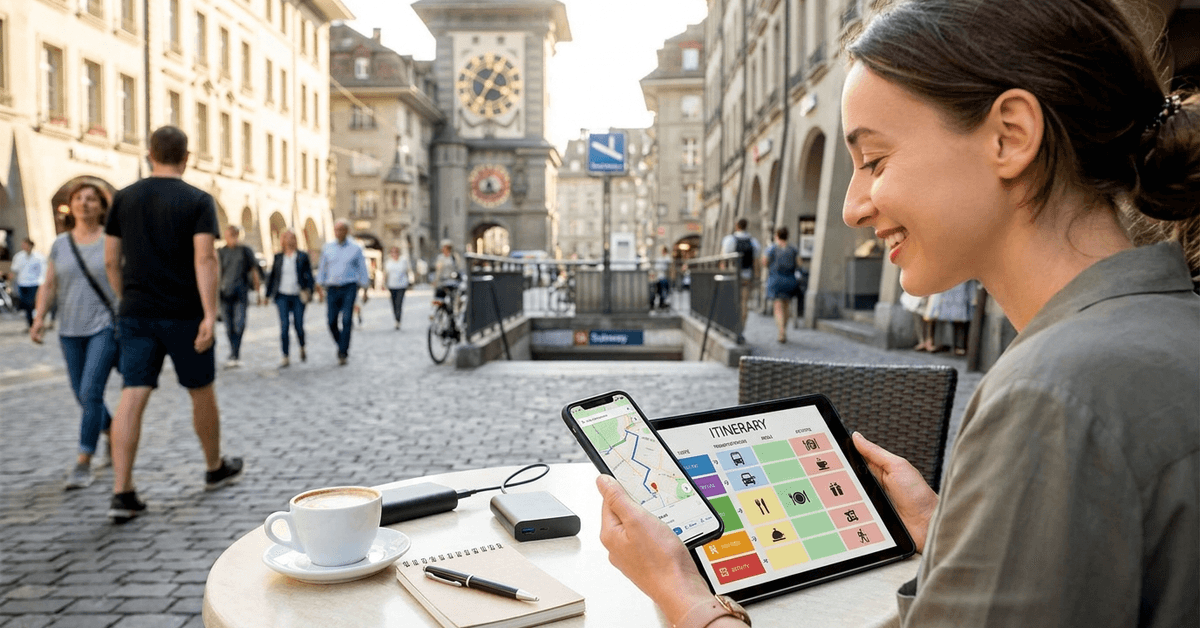
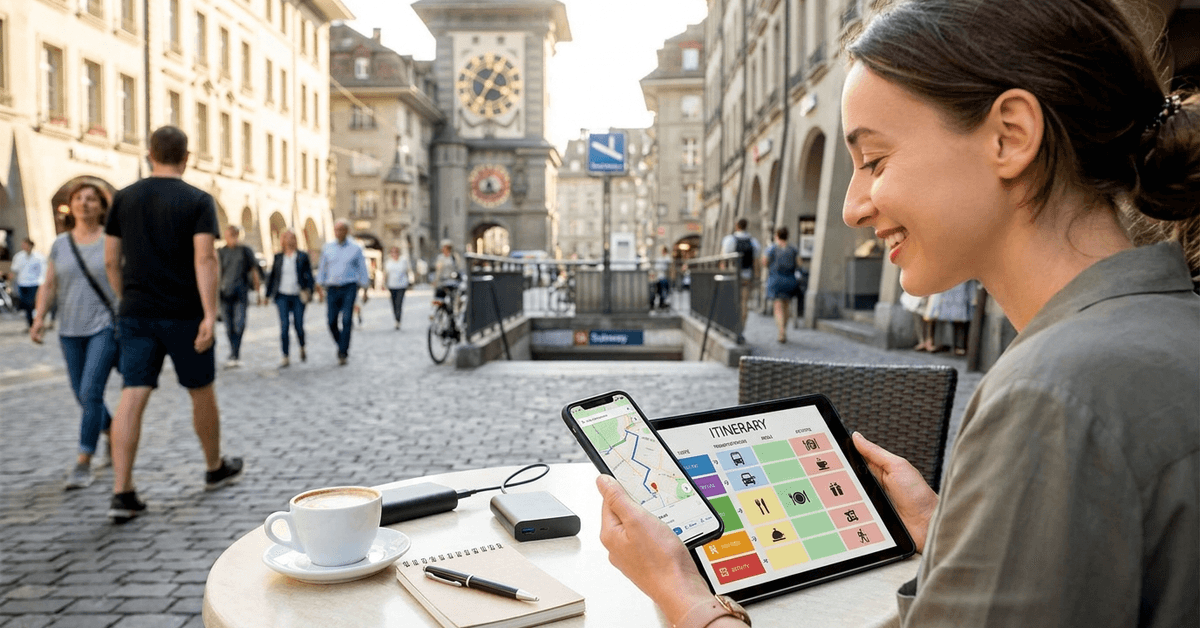
    Creating a personalized digital travel itinerary is an essential skill for modern city explorers.

    This approach saves time, maximizes enjoyment, and helps avoid stressful surprises.

    The process is ideal for solo travelers, families, or anyone looking to get the most out of urban day trips and city living.

    Image 1

    Why digital itineraries elevate your city adventures

    Digital itineraries offer real-time updates and interactive planning , perfect for navigating busy cities like Paris, Tokyo, or New York.

    Paper maps or generic guides may lead to missing out on hidden gems and timely events.

    By using apps and online resources, travelers enjoy more flexibility and personalization.

    Essential apps and tools for city travel planning

    Several digital tools make itinerary creation smoother and much more effective for urban trips.

    All-in-one itinerary planners

    • TripIt : Automatically organizes confirmation emails from airlines, hotels, and tours into a live master itinerary.
    • Google My Maps : Plots custom routes, attractions, and local favorites directly on a shareable map.
    • Sygic Travel Maps : Provides curated city guides, offline maps, and personalized day plans for major metropolitan areas.

    Local navigation and scheduling

    • Citymapper : Offers transportation options and live transit updates for cities like London, Berlin, and Madrid.
    • Rome2rio : Suggests multi-modal routes between urban locations, combining rail, metro, bus, and walking segments.

    Event discovery and dining

    • Eventbrite : Lists concerts, exhibitions, and pop-up events in destination cities.
    • OpenTable : Helps with dining reservations—even for last-minute changes during a city visit.

    Step-by-step: How to build your personalized digital itinerary

    1. Define your travel goals and interests

    • Identify your top priorities : art galleries, street food, architecture, or urban parks.
    • A great starting point is listing a few must-see locations or experiences for the trip.

    2. Choose your essential planning tools

    • For first-time users, TripIt and Google My Maps provide user-friendly interfaces and broad city coverage.
    • Advanced planners might prefer Sygic Travel Maps for offline functionality or Citymapper for complex public transit advice.

    3. Gather must-see sights, events, and local favorites

    • Research local blogs, official tourism sites, and community forums for up-to-date suggestions.
    • Compile saved locations in your chosen itinerary tool for visualization and easy reference.

    4. Organize activities by neighborhood or theme

    • Grouping stops avoids losing time zigzagging across the city.
    • For example, in Paris , combine the Louvre , Jardin des Tuileries , and Le Marais for an art-focused day.

    5. Add buffer time and backup options

    • Urban travel can be unpredictable. Always leave gaps for unexpected discoveries or transit delays.
    • Pin a few backup spots—like cozy cafés or local parks—near each planned activity.

    6. Visualize your day using maps and schedules

    • Platforms like Google My Maps and Sygic Travel Maps visually display your route so you spot impractical connections.
    • If times differ widely by day, consider color-coding or using custom icons in your app.

    7. Sync and share your plan

    • Many apps offer export features to share itineraries with travel companions or access them offline.
    • TripIt, Google Drive, or PDF exports keep your travel details available even without connectivity .

    Personalization tips: Making your itinerary unique

    • Include special interests like street art tours, vintage shops, or hidden rooftop bars .
    • Look for community-driven sites such as Atlas Obscura for inspiration beyond typical tourist trails.
    • Mix structured activities with unscheduled exploration to avoid feeling rushed.

    Maximizing flexibility and minimizing stress

    Digital plans excel because they can be easily changed .

    • Real-time notifications from your itinerary app alert you to transit disruptions or last-minute event changes.
    • Failed reservation? Book a backup restaurant using OpenTable within minutes. 

    Sticking to a rigid schedule can be tempting, but allowing for spontaneous breaks leads to richer experiences—especially in unpredictable urban settings.

    Integrating local guidance for deeper immersion

    • Consult local guides, digital walking tours, or even public transport apps for live, location-aware suggestions.
    • City-specific travel forums or Facebook groups can reveal up-to-the-minute recommendations that enhance your trip on the fly.

    Safety, connectivity, and digital etiquette

    • Store a backup of key reservations and maps offline in case of poor network coverage or phone battery issues.
    • Use secure, public Wi-Fi with caution—trusted hotels, cafés, or libraries are generally safer choices.
    • Download your itinerary and essential contact information to your device just in case.

    Adapting your itinerary for different trip styles

    Solo urban travelers

    Pocket-friendly apps and flexible mapping are perfect for solo visitors who might wish to change plans at the last minute.

    Family or group trips

    Shared access via Google Drive or collaborative apps streamlines coordination so everyone stays on the same page.

    Business city visits

    Integrating meetings with networking events or work-friendly cafés helps balance productivity and discovery.

    Comparison of top itinerary apps for city travel

    App Name  Best For  Offline Access  Unique Feature 
    TripIt  All-in-one travel  Partial  Email syncing 
    Google My Maps  Custom route planning  Partial  Collaborative mapping 
    Sygic Travel Maps  Offline city guides  Full  Pre-made day plans 
    Citymapper  Live urban transit  Partial  Multi-modal routes 
    Rome2rio  Route research  No  Regional transport options 

    Conclusion

    Leveraging digital itinerary planning transforms any city trip into a more stress-free and rewarding experience.

    With a little preparation, the right apps, and thoughtful backup plans, exploring complex urban environments feels far less intimidating.

    Urban living and travel blend best when plans are flexible, resources are accessible, and every day is tailored to unique preferences.

    For those seeking richer adventures, digital tools are no longer optional—they are the smartest companion for navigating city life on your own terms.

  • 7 Hidden botanical gardens tucked inside major metropolitan areas

    7 Hidden botanical gardens tucked inside major metropolitan areas

    Finding unexpected green havens in the heart of the city can transform urban living. For anyone craving a peaceful escape, but without leaving the city limits, hidden botanical gardens offer a unique retreat.

    This article uncovers seven secret gardens tucked away within sprawling metropolitan areas, each bringing a refreshing, natural experience amid the urban buzz. Perfect for urban explorers, city workers, families, or anyone who wants to swap traffic for tranquility.

    Why Seek Hidden Botanical Gardens in Cities?

    Urban nature breaks often boost well-being, lower stress, and refresh the mind. These gardens are perfect mini getaways. Yet, many are quite under the radar, even among locals.

    Hidden botanical gardens tend to be quieter than heavily advertised parks. Visiting often means fewer crowds and a more serene environment.

    7 Hidden botanical gardens tucked inside major metropolitan areas

    Sometimes, exploring these spots can feel like entering another world. For city dwellers, the contrast is striking. It’s almost like stumbling on a secret only a few know.

    7 Hidden Botanical Gardens Inside Major Metropolitan Areas

    1. D.C.’s Franciscan Monastery Gardens

    Located in Washington, D.C., the Franciscan Monastery Gardens are surrounded by neighborhoods, yet barely known to most residents. The grounds are filled with winding paths, a rose garden, and replicas of holy sites.

    It’s surprisingly close to downtown. Buses or the Metro Brookland-CUA stop make reaching it simple for locals or visitors.

    Suggestion: Early mornings and weekday visits increase your chances for solitude among the greenery.

    2. Brooklyn’s Narrows Botanical Gardens

    Narrows Botanical Gardens sits quietly in Bay Ridge, Brooklyn. Locals cherish the spot, but it rarely appears in tourist guides.

    This modest garden boasts native New York plant species, monarch butterfly gardens, and quirky art installations.

    Family-friendly paths , community events, and bee sanctuaries make this tiny haven feel lively yet tranquil at once.

    3. Atlanta’s Cator Woolford Gardens

    Tucked behind historic Druid Hills, Cator Woolford Gardens invites visitors to stroll among wooded glens, stone staircases, and Italian-style terraces.

    It’s an ideal wedding photography spot but remains overlooked even by many locals.

    Check the garden calendar in advance; some days are reserved for private events, but most times, entry is quiet and casual.

    4. Los Angeles’ Peace Awareness Labyrinth & Gardens

    Hidden on residential Adams Boulevard, Peace Awareness Labyrinth & Gardens features peaceful koi ponds and lush, meditative paths.

    Advance reservations are suggested—use Eventbrite for easy booking. Entry is free, though donations help with upkeep.

    This spot is perfect for guided meditation or just escaping the city’s hum for an hour or two.

    5. Chicago’s Alfred Caldwell Lily Pool

    In the heart of Lincoln Park, Alfred Caldwell Lily Pool is a National Historic Landmark many walk past each day, unaware it’s there.

    The pool’s naturalistic architecture, native wildflowers, and stone walkways offer a fascinating contrast to the busy zoo next door.

    Tip: Download Chicago Park District ’s app for hours, special tours, and bloom times.

    6. Singapore’s Telok Blangah Hill Terrace Garden

    Not far from the city’s financial district, the Terrace Garden at Telok Blangah Hill is a collection of lush terraces and floral arches.

    There’s a moderate climb, but the city skyline views are well worth it. In my experience, weekday mornings offer a truly peaceful ambiance.

    Combine your visit with the Southern Ridges trail for a longer nature immersion, all without leaving metro Singapore.

    7. London’s Barbican Conservatory

    Barbican Conservatory houses over 2,000 plant species hidden in plain sight inside a brutalist concrete icon.

    Diverse cacti, vibrant orchids, and koi ponds are open only on select afternoons. Booking in advance usually prevents disappointment.

    The building’s exterior gives nothing away. Stepping inside, you swap city noise for gentle leaf rustling and birdsong.

    How to Find Hidden Botanical Gardens in Your City

    Finding lesser-known spots often takes more than just a Google search. Apps, community forums, and local nature organizations can help.

    • Google Maps ‘Explore’ feature often reveals gardens not listed elsewhere.
    • AllTrails shows lesser-known urban paths and flower gardens.
    • Events on Meetup sometimes meet in private or semi-public city gardens.
    • Check city council cultural directories for hidden gems under “parks and recreation.”

    Following local Instagram nature bloggers has led me to tucked-away spots many official sites just don’t mention.

    Benefits of Visiting Urban Botanical Gardens

    • Stress Reduction: Research shows spending even 30 minutes in green spaces can lower cortisol levels and improve mood.
    • Educational Value: Hidden gardens often feature plant species not seen in main parks, offering learning opportunities for all ages.
    • Photography: These quiet spots provide unusual backdrops and fewer crowds, so getting unique city photos is much easier.
    • Inspiration for Urban Gardening: Seeing resilient city planting offers ideas for home balconies or small spaces.

    Tips for a Seamless Urban Garden Visit

    • Check accessibility: Many small gardens may have limited wheelchair or stroller access.
    • Respect quiet hours and private events. Some gardens close for maintenance or ceremonies.
    • Bring a refillable bottle —few hidden spots offer refreshments, and outside drinks are often allowed.
    • Pack a camera or notebook: Interesting plant specimens or tranquil moments are worth capturing on the spot.
    • Notice local signage for guided tour times—many run only on weekends or require pre-booking.

    Top Apps and Tools for Urban Nature Day Trips

    Enhancing city nature adventures is simple with the right resources. Many free and paid options work well for planning visits or navigating gardens efficiently.

    • Google Maps: For discovering nearby gardens and checking transit routes.
    • Eventbrite: To book tours or timed garden entries without hassle.
    • iNaturalist: Identify unfamiliar plant or animal species in seconds with your phone.
    • Citymapper: Find the fastest routes by public transport, rideshare, or on foot.
    • AllTrails: Find walking paths connecting city gardens and parks for multi-stop adventures.

    Conclusion: Urban Escapes Await Around Every Corner

    Hidden botanical gardens inside major cities transform ordinary days into memorable escapes. For city residents, exploring even one of these secret gardens can reset a busy mind and reframe the city as a place of wonder and renewal.

    There’s something quietly thrilling about slipping away from the crowd, even just for an hour. The next time you’re looking for a truly different kind of city break, consider checking out these surprising green sanctuaries. Sometimes, the most extraordinary places really are just around the block.

  • The minimalist traveler’s guide: Everything in a carry-on

    The minimalist traveler’s guide: Everything in a carry-on

    Minimalist travel isn’t just a buzzword; it’s a response to chaotic airports, baggage fees, and the urge to move freely within dynamic cities. This guide brings practical advice to maximize every inch of a carry-on without sacrificing essentials.

    Perfect for those exploring vibrant European capitals or urban getaways in North America, the minimalist approach makes fast-paced city living and spontaneous side-trips far easier. Whether for business, leisure, or a blend of both, everything fits neatly in one small bag.

    Why Choose Minimalist Carry-On Travel?

    Pack light, and you unlock faster transit, bypass checked-luggage delays, and avoid airline mishaps. Minimalists also find adapting between city environments is quicker.

    Choices simplify—a single blazer can double for meetings in London and dinners in Barcelona. Learning to settle on less, not because it’s trendy, but because it legitimately makes travel easier, feels curiously freeing after only a couple of trips.

    Essential Trip Planning for Urban Minimalists

    Several variables impact what belongs in a city-friendly carry-on: destination, climate, activities, and length.

    Mentally walking through your days can clarify needs. For urban breaks, imagine riding the subway in Paris, checking into chic minimalist hotels, or exploring markets in Seoul—comfort and style both matter.

    Checking weather apps ahead is a small move that saves space from unnecessary clothing.

    The minimalist traveler's guide: Everything in a carry-on

    Smart Apps to Streamline Planning

    • PackPoint helps create city and weather-based packing lists.
    • Citymapper eases public transport confusion in places like Berlin or Tokyo.
    • Duolingo offers language basics for navigating unfamiliar signage or menus.

    The Anatomy of the Ideal Carry-On Bag

    Bag choice is foundational. Hard-shell spinner suitcases hold structure but stash easily in urban hotel closets.

    A sturdy, soft-sided duffel (like Away’s or Patagonia’s) tucks beneath train seats. For city hopping, an airline-compliant backpack keeps hands free for transit tickets or snacks on a tram. Secure zippers and internal organizers are practical touches.

    Practical Features to Look For

    • Lightweight (under 2.5kg empty is best for European budget airlines)
    • Laptop pocket with padded lining
    • Small exterior stash for travel documents
    • Trolley sleeve or backpack straps for versatility

    Minimalist Packing Principles

    Every item should earn its place—multipurpose and neutral tones work hardest. In practice, a navy shirt can transition from day tours in Prague to dinner cruises. The “three of each” rule (tops, bottoms, undergarments) usually lasts a week with strategic laundry.

    Core Clothing Capsule for Urban Destinations

    • 1 blazer or casual jacket (weather-appropriate yet dressy)
    • 2–3 neutral shirts or tops (quick-dry is practical)
    • 2 pairs of versatile pants or skirts
    • Lightweight sweater or layer for chilly evenings
    • Compact rain shell (collapsible, windproof)
    • Comfortable walking shoes plus 1 smart-casual option
    • Underwear and socks for 3–4 days (quick-dry fabric recommended)

    Quick Laundry on the Road

    Modern cities almost always offer affordable self-serve laundromats. Lightweight detergent sheets and a universal sink plug take up little bag space but help keep clothing fresh.

    Air-drying in hotel rooms works for most technical fabrics. In cities like Amsterdam or Sydney, same-day laundry services allow travelers to repeat outfits comfortably.

    Efficient Packing Techniques

    The rolling method reduces clothing bulk while minimizing wrinkles. Packing cubes segment shirts, electronics, and hygiene items for fast TSA checks.

    For those regularly transitioning between accommodations, cubes or compression bags keep contents manageable and easy to reshuffle, especially after souvenir shopping or day trips.

    Electronics and Tech Accessories

    Urban adventures require just a few, well-chosen electronics. Phones double as cameras and navigation tools.

    Universal travel adapters and a short charging cable are sufficient. Lightweight e-readers substitute for books on long flights or train rides. For remote work, a slim laptop and collapsible mouse fit almost any bag plan.

    Travel Documents and Security

    • Digital boarding passes (stored in Google Wallet/Apple Wallet)
    • Passport and local ID (carry a digital photocopy for emergencies)
    • Travel insurance card
    • Contactless credit card and backup

    Some cities, like London or Singapore, support touchless payment for public transport via regular credit cards. This saves space over paper passes or ticket stubs.

    Toiletries and Self-Care in Carry-On Bags

    Urban hotels usually provide basics—shampoo, body wash, sometimes even toothbrushes.

    A minimalist kit prioritizes travel-sized toothpaste, solid deodorant, maybe a compact hairbrush. Leak-proof 100ml containers, combined in a small transparent pouch, meet the requirements for most airports.

    Personal Wellness Essentials

    • Reusable water bottle (collapsible models save space)
    • Hand sanitizer and mini pack of wipes
    • Prescription medications in original packaging
    • Travel-size moisturizer (city air can dry skin fast)

    Minimalist Living: How to Adjust Mindset on the Road

    Minimalist city travel is as much mental as physical. It may take a few trips to trust that less really is more. Occasionally, you may worry about forgetting some item—or wish for a specialty gadget.

    But most cities make it easy enough to grab a missing charger or shirt at local shops. The trade-off for a lighter bag is agility: switching hotels, catching impromptu trains, or slipping into a street café with ease.

    Staying Flexible in Different City Environments

    Urban living asks travelers to adapt quickly. Weather, transit strikes, or last-minute invites can upend plans.

    Minimalist packing means leaving excess behind, which, paradoxically, can expand adventure possibilities—one can navigate crowds, packed buses, or shared bikes more comfortably.

    Helpful Digital Resources for Minimalist Travelers

    • For up-to-date safety alerts and travel news in major cities: U.S. Department of State
    • Apps like Rome2Rio quickly compare local trains, buses, taxis, or walking distances in urban areas.
    • Citymapper for seamless real-time public transit tracking
    • For real-world experiences and city safety, local Reddit communities often share practical tips.

    Conclusion

    Traveling with only a carry-on invites freedom—less time at baggage claim, more moments on buzzing urban streets from Lisbon to New York. Although paring down can feel daunting, especially at first, it sharpens decision-making and nurtures confidence.

    Over time, minimalist travel reveals that most comforts—and certainly all essential experiences—fit into a single, carefully curated bag. The next city feels closer, possibilities wider, and your suitcase lighter.

    For more actionable hacks and deeper dives into city living, explore city-specific guides on Instacitizen.com’s day trips and urban lifestyle topics.

  • How to Research Local Events Before Visiting a New Town

    How to Research Local Events Before Visiting a New Town

    Exploring a new town is exciting, but finding real local events can feel overwhelming. This guide outlines practical methods for discovering events that match your interests. 

    It is ideal for travelers, day-trippers, or anyone planning a city adventure and seeking cultural immersion and authentic experiences.

    Why Research Local Events Before Your Trip?

    Planning ahead increases the chances of attending unique happenings. It can also save time and help avoid disappointment upon arrival.

    Another benefit is that advance research usually exposes lesser-known activities. Tourists often miss these, but locals consider them highlights.

    How to Research Local Events Before Visiting a New Town

    Start With Official City Sources

    Visit the City’s Official Event Calendar

    Many cities have dedicated event sections on their government or tourism websites. For example, NYC Official Guide has an updated calendar for New York City events.

    Similar official sites for Paris, Berlin, and Toronto offer curated listings. A quick web search for “city name + official events” is effective.

    Tourist Information Centers Online

    • Official websites often highlight seasonal festivals, free exhibitions, and local traditions.
    • In some cities, free downloadable event brochures are available in advance.

    Leverage Event Aggregator Platforms

    Check Top Event Apps

    Technology can streamline the search process. Well-established event apps and platforms help pinpoint happenings across a city.

    Some examples are:

    • Eventbrite (global cities, ticketed and free events)
    • Meetup (community-driven meetups for hobbies, language exchange, or local networking)
    • Time Out (curated city guides with local insight)

    Filter by Date, Category, or Neighborhood

    Most event sites allow filters to match your travel window and interests. Narrowing choices can quickly reveal concerts, markets, gallery openings, or festivals.

    Use Social Media Smartly

    Facebook Events

    Facebook is one of the best platforms for finding authentic, real-time events in almost any town.

    Entering the destination and dates in the Facebook Events search bar brings up listings by popularity and distance from your chosen area.

    Try Local Hashtags and City Groups

    Popular hashtags, such as #LondonEvents or #AmsterdamNightlife, can uncover local gatherings. City-based Facebook or Reddit groups often share up-to-the-minute event tips.

    Instagram Stories and Highlights

    Some event venues post their line-ups in stories or highlights. Checking tagged locations in Instagram photos is another quick research trick.

    Check Local Media and Publications

    Newspapers and Magazines

    Physical and digital local publications frequently list a week’s worth of activities. For example, Timeout London is popular for Londoners.

    Small cities often publish event roundups in their weekend or cultural sections.

    Community Radio or Podcasts

    • Radio stations promote town-wide gatherings, markets, or musical acts.
    • Podcasts for cities such as Berlin or San Francisco often have an “upcoming events” segment.

    Explore Venue and Attraction Websites

    Major and Minor Venues

    Museum, gallery, and music venue websites publish their own event calendars. For example, MoMA in New York and Musee d’Orsay in Paris update schedules weekly.

    Independent cinemas, community centers, and small bars often announce open mics, workshops, or night markets too.

    University and Cultural Institutions

    Universities post public lectures, art shows, or seasonal fairs. Event pages for these sites often welcome travelers and community guests.

    Utilize Local Forums and Community Boards

    Neighborhood Blogs and Reddit Threads

    Local blogs detail upcoming events that aren’t on larger platforms. A city’s subreddit or Nextdoor area group also gives real residents’ event suggestions.

    Physical Event Boards

    Cafes, libraries, or bookstores have bulletin boards listing workshops, readings, or pop-ups.

    Although digital methods feel faster, sometimes a quick scan of a board reveals exclusive, hyper-local affairs.

    Go Beyond the Obvious: Deep-Dive Research

    Major event calendars are helpful, but they often miss temporary, neighborhood-based, or newly announced activities. Looking beyond the most visible listings can lead to more original and memorable experiences.

    Look for Seasonal and Hidden Gems

    Many cities host short-term food markets, flower festivals, craft fairs, outdoor performances, and cultural pop-ups that may not appear on large tourism websites. 

    Search phrases such as “pop-up events” followed by the city name, neighborhood, or travel dates.

    You can also ask in local online groups what is happening that weekend. Recent posts often reveal community events, temporary exhibitions, or markets announced only a few days in advance.

    Ask Locals Directly

    A polite conversation with a barista, shop owner, hotel employee, or hostel receptionist can uncover activities that are difficult to find online. 

    Locals may know about spontaneous concerts, neighborhood celebrations, street performances, or newly opened venues.

    Ask specific questions about your interests rather than requesting general recommendations. This makes it easier for people to suggest something relevant and current.

    Step-by-Step Guide to Efficiently Researching Events

    Finding worthwhile events in a new city becomes much easier when you use several reliable sources instead of depending on one platform. 

    A simple research routine can help you discover major attractions, local gatherings, and last-minute opportunities that match your interests and schedule.

    Define Your Interests and Dates

    Start by listing the types of experiences you want, such as concerts, art exhibits, food festivals, sports, markets, or neighborhood tours. Add your available dates and preferred times so you can quickly remove unsuitable options.

    Check Official City Calendars

    Visit the official city or tourism board website first. These calendars often feature large public events, seasonal celebrations, museum programs, and family activities. Official listings may also include road closures, ticket details, and accessibility information.

    Search Popular Event Apps

    Use platforms such as Eventbrite, Meetup, and Time Out. Apply filters for location, category, date, cost, and event format. Save promising options and compare them before booking.

    Explore Social Platforms

    Search Facebook’s Events section using the city name and your travel dates. Review recent posts in neighborhood groups or city subreddits, where residents often share smaller events and current recommendations.

    Review Venue Calendars

    Check the schedules of major theaters, galleries, music venues, stadiums, and cultural centers. Some performances or temporary exhibits may not appear prominently on general event apps.

    Look at Local Media

    Community radio programs, city magazines, local newspapers, and event newsletters can reveal new openings, interviews, and weekend recommendations.

    Search Again After Arrival

    Look for bulletin boards at hotels, hostels, cafés, libraries, and visitor centers. Flyers and posters may advertise pop-ups, workshops, markets, or performances that were announced too late to appear in your earlier research.

    Conclusion

    Researching local events before visiting any new town transforms a simple visit into a memorable experience. Using official city sources, event apps, and social media uncovers both high-profile and hidden happenings.

    Local publications and community boards provide a personal touch, revealing what residents love most. Combining multiple strategies ensures a diverse itinerary, packed with genuine, local flavor.

    With the right planning and curiosity, a trip can go beyond sightseeing and become an immersion in a city’s unique rhythm.