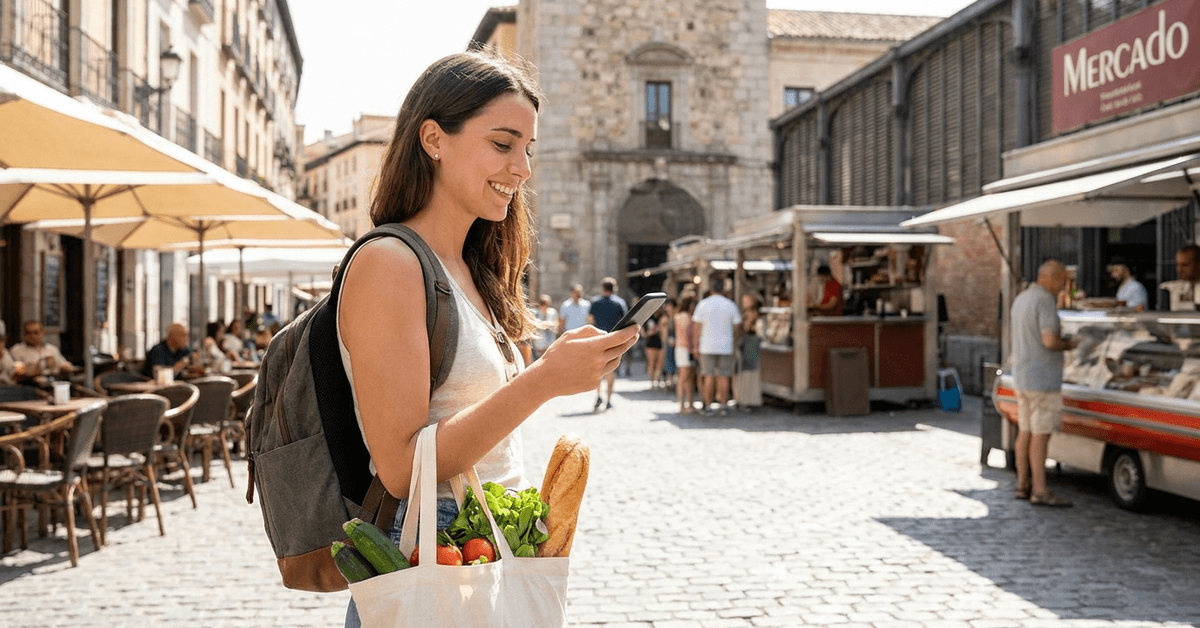
Weekend travel does not have to mean expensive dining. Anyone looking to explore new cities on a budget can find ways to eat well without overspending.
A few clever tactics can help save money, keep meals healthy, and make each trip even more memorable. Whether you are adventuring in Paris, Berlin, or Barcelona, cutting your food budget is possible and surprisingly easy.
Why Food Costs Rise During City Weekends
Many travelers find that food expenses take up a large part of their trip budget. Eating out for every meal adds up fast—especially in popular urban areas.
Restaurants often increase prices during weekends when demand spikes. Central locations, trendy cafes, and fast food chains seem convenient but rarely offer the most value.
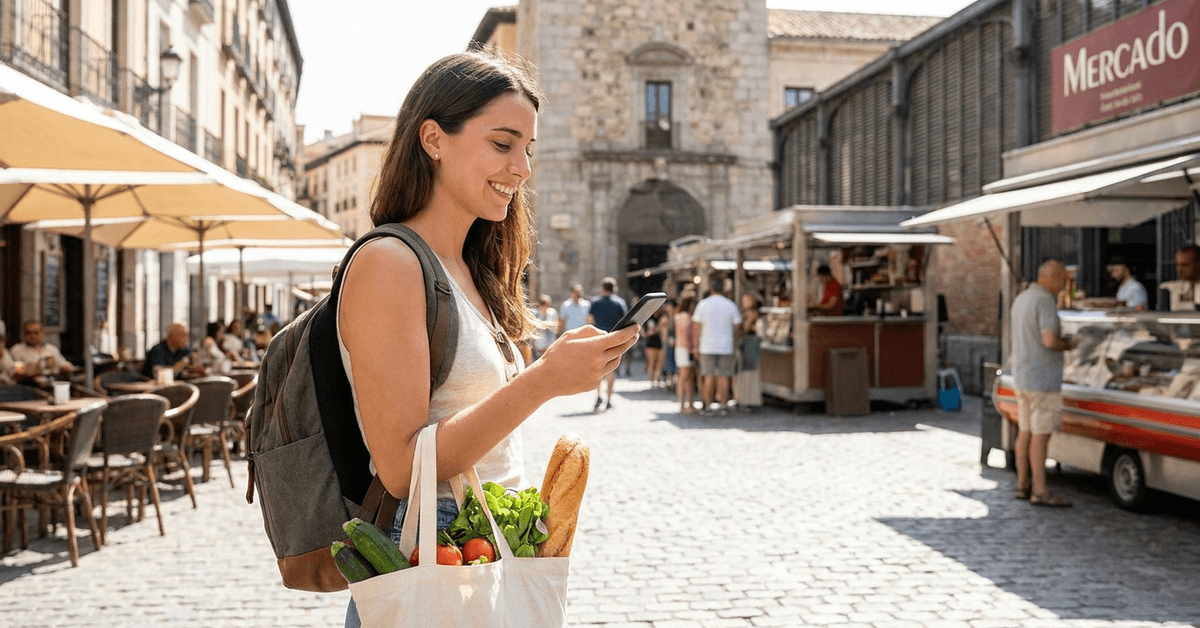
Exploring city life means getting creative with where and how you get your meals. Those small changes can be the difference between overspending and smart saving.
Key Strategies to Slash Your Food Spending
Choose Accommodation With Kitchen Access
One significant money-saving option is selecting a stay that includes a kitchenette or shared kitchen.
- A studio Airbnb or hostel with a kitchen gives full control over meal costs.
- Buy simple groceries and prepare breakfast, snacks, or dinner yourself.
- Even having a small fridge means you can store leftovers or picnic supplies.
Shop Like a Local at Markets and Supermarkets
Visiting local supermarkets and street markets can be a travel experience itself. Prices at chains like Lidl (Europe), Carrefour (France), or Mercadona (Spain) are much lower than restaurants.
- Pick up fresh fruit, bread, cheese, and deli meats for quick meals.
- Bakery items often go on discount later in the day.
- Explore ethnic supermarkets for unusual snacks or lunch ingredients.
Use Meal-Deal and Discount Apps
Food-saving apps have changed the game for budget city travelers. An app like Too Good To Go allows purchase of restaurant surpluses for far less.
- Too Good To Go: Find bakery, café, or hotel surplus meals at lower prices in cities like Amsterdam or Copenhagen.
- Olio: Share or receive free food from locals and businesses avoiding food waste.
- HappyCow: Not just for vegans—find affordable eateries with solid portions.
Pack Portable Food Essentials
Having basics in your bag means fewer impulse purchases. It pays off on long sightseeing days.
- Pack instant oatmeal, tea bags, or protein bars for easy breakfasts.
- Bring a reusable water bottle and refill anywhere. Some cities, like Rome, provide public fountains.
- A foldable lunchbox lets you store leftovers or market finds.
Best Cities for Budget Food Adventures
Berlin
The German capital is filled with street food, global groceries, and picnic-friendly parks. Kebab and currywurst stands keep meals cheap (and usually under 5 euros).
Lisbon
Portugal’s capital offers wallet-friendly pastelarias, where breakfast and pastries cost less than a coffee elsewhere. Supermarkets like Pingo Doce are affordable, and the Time Out Market offers shared tables for group savings.
Budapest
In Budapest, the Great Market Hall is a must for local produce, snacks, and ready-to-eat dishes at a fair price. Self-catering travelers find excellent value here.
Prague
Prague’s bakeries and supermarkets provide much cheaper meals than tourist restaurants. Try local open-faced sandwiches or grab a sausage at a street stall for a few crowns.
How to Plan Meals Before You Travel
- Research grocery store locations close to your hotel or hostel. Maps can be a lifesaver here.
- Check Google Maps or apps like Eatigo for restaurant discounts and user reviews.
- List foods you like that require minimal prep—yogurt, nuts, wraps, or pre-cut vegetables.
A bit of meal planning before departure can prevent last-minute expensive choices.
Eating Well Without Sacrificing Experience
Find Quality Over Quantity
Choosing affordable options does not mean missing out. Many cities have beloved street foods and markets that reflect real local culture.
Try Local Lunch Specials
In cities like Milan or Paris, the ‘menu du jour’ (meal of the day) is more affordable at lunch than dinner. Many restaurants offer prix fixe options without sacrificing quality.
Share Dishes or Go Tapas-Style
Sharing can halve your order cost. Tapas bars in Madrid or pintxos in San Sebastian allow taste-testing without overspending.
Common Mistakes To Avoid
- Relying too much on tourist or chain restaurants.
- Ignoring local laws or etiquette in supermarkets or markets.
- Forgetting to double-check opening hours, especially on Sundays and holidays.
- Not having a backup snack or meal for late arrivals or long travel days.
Top Meal Planning and Discount Apps
- Too Good To Go (leftovers from restaurants)
- Olio (food sharing and freebies)
- Eatigo (real-time restaurant deals, primarily in Asia and Europe)
- HappyCow (cheap and healthy eats)
- Google Maps (user reviews, popular times, and menu previews)
Unexpected Perks of Budget Eating
Eating on a budget can offer more than lower meal costs. It can create greater flexibility, encourage local interaction, and lead to memorable travel experiences that may not happen in formal restaurants.
More Money for Other Experiences
Money saved on meals can be used for museum tickets, walking tours, public transportation, or a more comfortable place to stay.
Choosing simple breakfasts, market lunches, or grocery-store snacks can help stretch the travel budget without removing enjoyment from the trip.
Greater Connection With Local Life
Budget travelers often spend more time in markets, bakeries, hostels, and neighborhood food stalls.
These settings create natural opportunities to speak with residents, learn about regional ingredients, and discover recipes or customs that might be missed in tourist-focused restaurants.
Simple Meals Can Create Better Memories
Some of the most enjoyable travel moments come from uncomplicated meals in relaxed settings. A picnic on a city park bench, shared snacks in a hostel kitchen, or takeaway food in a hotel common room can become a favorite story.
Budget eating often makes travel feel more spontaneous, social, and connected to everyday city life.
Conclusion
Cutting your food budget on weekend travels is practical, rewarding, and entirely possible with a few changes in approach.
Choosing accommodations with kitchens, shopping at local markets, and making the most of apps like Too Good To Go help minimize costs.
Cities across Europe and beyond offer countless ways to eat well without overspending. Each trip offers real opportunities for savings if you embrace local solutions, a bit of planning, and smart use of available tools.
With these actionable steps, every urban weekend adventure can be affordable, delicious, and unique—no extravagant menu required.