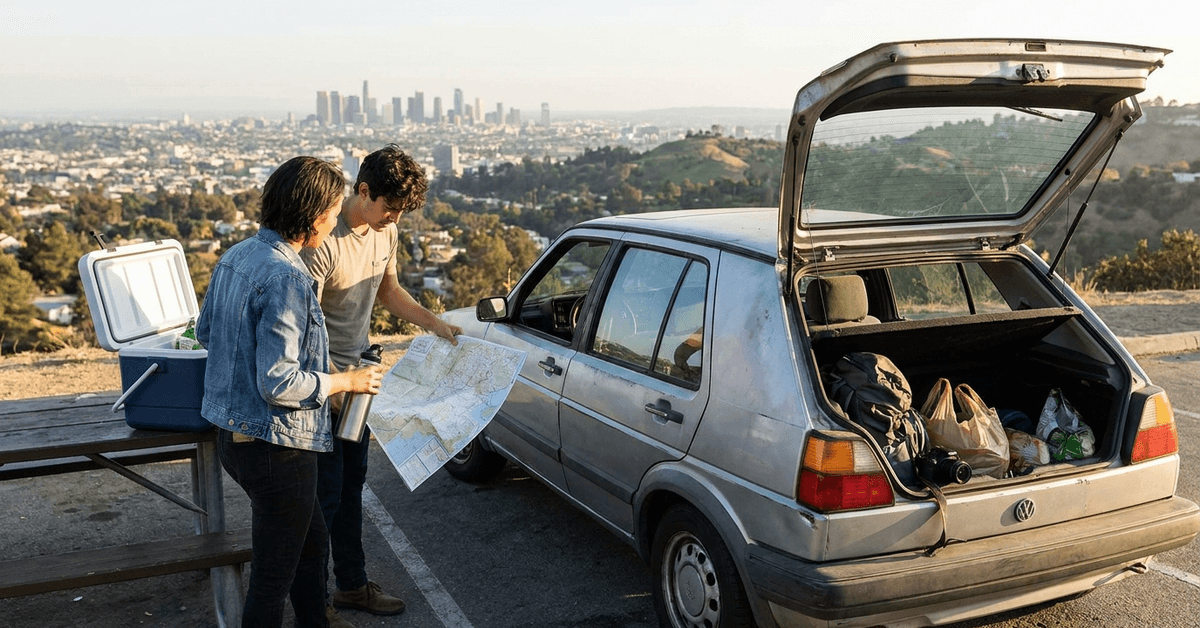
Planning a road trip on a budget can transform any three-day weekend into a memorable city escape. This guide reveals proven techniques for maximizing value, cutting costs, and discovering urban adventures close to home.
Urbanites, young professionals, and anyone craving an affordable break will find practical, actionable steps below. The aim is to enjoy the freedom of the road—without draining your wallet.
Why Road Trips Are Perfect for Budget City Getaways
Short road trips make it easy to escape the city vibe and recharge nearby. Costs are more controllable than flights or long-distance trains.
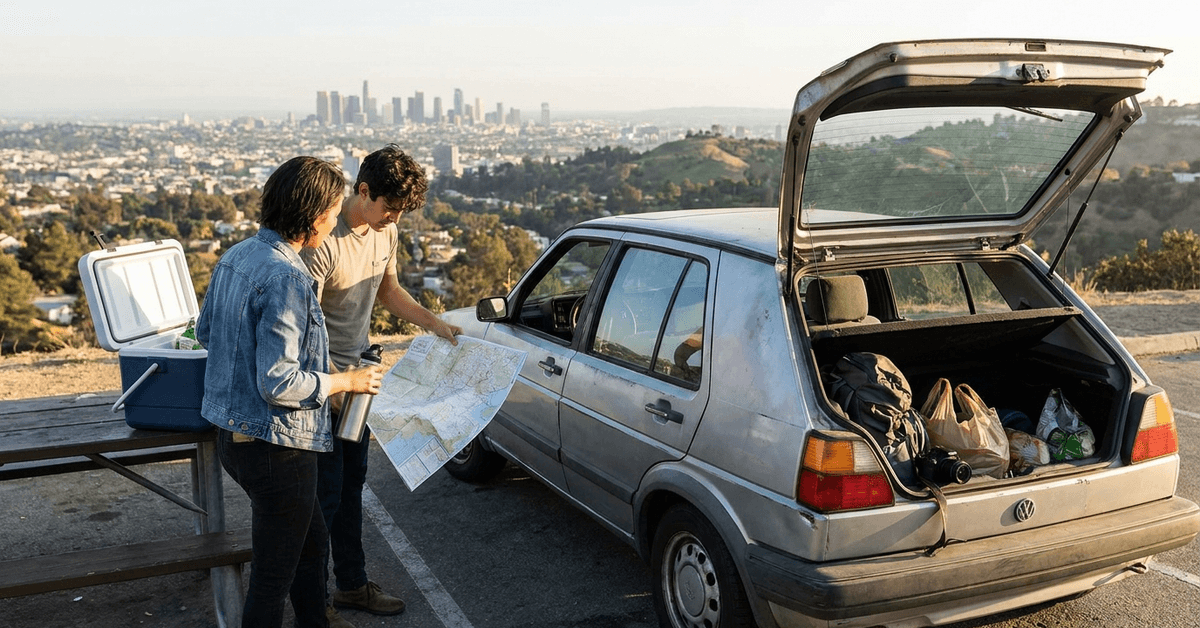
Weekend trips require less planning and reduce accommodation expenses. Local discoveries feel new, even if you remain within two to three hours of your city.
Real-World Cost Savings
Staying near urban hubs like Atlanta, Chicago, or Philadelphia tends to lower gas and toll expenses. Sample routes like New York City to the Catskills or Dallas to Austin keep costs and drive times manageable.
Flexibility and Spontaneity
Booking a last-minute Airbnb or motel can be cheaper during off-peak periods. If weather or traffic changes, re-routing is simple without the hassle of airline change fees.
Setting a Realistic Budget for a Three-Day Road Trip
Budgeting begins with a quick evaluation of possible costs. Planning prevents overspending but leaves room for minor splurges.
Breakdown of Typical Expenses
- Gas: Use GasBuddy to compare fuel prices on your route.
- Accommodation: Motels, hostels, or short-term rentals.
- Food: Grocery stops, picnics, or urban markets.
- Attractions: Museums, parks, or city tours.
- Parking: Consider free or low-cost city lots.
- Emergency fund: Always set aside a small buffer.
Most three-day road trips fall into the $200 to $400 range if costs are tracked in advance.
How to Use Budget Tools
TripCoin helps categorize and monitor spending. Many find old-fashioned spreadsheets reliable for itemizing daily expenses, especially when shared with travel partners.
Choosing Destinations Close to Major Cities
Opting for cities within a two to three-hour drive reduces travel fatigue. It also saves on fuel and cuts time sitting in traffic.
Great Budget-Friendly City Routes
- San Francisco to Sacramento and Napa
- Boston to Providence or Portsmouth
- Chicago to Milwaukee or Galena
- Dallas to Waco or Oklahoma City
- Toronto to Niagara Falls or Hamilton
Scanning maps with a radius tool like MapQuest’s trip planner can reveal overlooked destinations just beyond the city bubble.
Cost Comparison Table Idea
A table comparing average gas spend and budget lodging per city pair might make this process clearer and more convincing for planners.
Finding Affordable Accommodation
Accommodation often eats up most of a road trip budget. Prices swing dramatically by location and season.
Best Platforms for Deals
- Booking.com: For last-minute motel and guesthouse rates.
- Hostelworld: When traveling in groups or solo.
- Airbnb: Sometimes cheaper for small urban getaways.
Comparing across platforms is useful, especially in peak travel periods. Weekends in smaller cities can yield surprising deals, particularly just outside main attractions.
Consider Unconventional Options
Some travelers swear by camping near city parks or using university dormitories during academic breaks. Many inns offer midweek discounts; with a flexible date, this can translate into substantial savings.
Smart Packing: Save Money Before You Even Leave
Efficient packing can prevent unnecessary purchases on the road. Overpacking leads to clutter, while underpacking can mean buying items at tourist prices.
Essential Budget Trip Packing List
- Reusable water bottles and utensils
- Refillable coffee mugs
- Weather-appropriate layers and compact rain gear
- Travel-sized toiletries
- Phone chargers and extra power banks
- Printed maps as a backup
Many suggest prepping a simple cooler or food bag in advance, which reduces snack and drink expenses during the drive.
How to Plan and Optimize Your Route
Planning the right route has a real impact on expenses and enjoyment. GPS apps are helpful, but manual checks can sometimes reveal shortcuts.
Recommended Route Planning Tools
- Google Maps: For live traffic and alternate routes.
- Roadtrippers: Ideal for pinpointing scenic stops and attractions.
- Waze: For up-to-date, crowd-sourced traffic info.
Downloading route maps for offline use helps avoid data roaming or getting lost if coverage drops. Preselecting fuel stations and public rest stops can streamline travel further.
Eating Well Without Overspending
Food is an easy place for costs to spiral. However, good planning keeps meals varied and affordable.
Practical Meal Strategies
- Stop at local markets in target cities for fresh, affordable produce.
- Share entrees at restaurants to try more flavors without racking up bills.
- Use apps like Yelp or Google Reviews to find hidden gems with strong value ratings.
A portable picnic backpack or soft cooler encourages healthy, thrifty eating at parks or scenic spots along your route.
City-Specific Food Savings
Many major cities offer free food festivals or inexpensive street food markets during long weekends. Chicago’s Maxwell Street Market or Austin’s food truck parks are famous for wallet-friendly options.
Taking Advantage of Free and Low-Cost Attractions
Many road trip destinations feature a surprising number of free cultural highlights. City parks, public art walks, and free days at museums are often available if researched ahead of time.
Creative Itinerary Building
- Browse official city tourism sites for updated event calendars.
- Download local event apps like Eventbrite or AllEvents.
- Group scenic walks or park visits with local farmers’ markets for a day of affordable exploration.
Explore neighborhoods on foot for unexpected views and architecture. Most memorable city snapshots rarely require an entry fee.
Money-Saving Tips for City Driving and Parking
Urban driving can get expensive and stressful if not thought through. Parking fees stack up quickly in many city centers.
Parking Strategies That Help
- Use the SpotHero app to reserve discount spots in advance.
- Look for public transit park-and-rides on city outskirts.
- Travel early in the morning or late in the day to avoid premium parking times.
A good idea is to allow for an hour where you just scout for street parking in less-trafficked neighborhoods. It sometimes works out, but not always—cities are unpredictable like that.
Keeping Your Road Trip Safe and Stress-Free
Budget trips should prioritize safety. Double-checking basic maintenance is key before setting off.
Essential Safety Prep
- Top off oils, fluids, and tire pressure at least a day in advance.
- Check that all lights, including brake and signal, are working.
- Keep a first aid kit and roadside emergency pack in the car.
Many quick service stations in urban areas offer multi-point inspections that can be completed under 30 minutes. It’s sometimes worth the small fee for peace of mind.
Conclusion: Making the Most of Your Three-Day Weekend on a Budget
A budget-friendly road trip on a three-day weekend is more than possible. With the right mix of planning, flexibility, and city smarts, your escape can be rich in experience but light on your wallet.
Simple strategies like using the right apps, packing wisely, and seeking affordable destinations set you up for spontaneous fun without overspending.
Whether you’re a seasoned urban explorer or a first-time city hopper, these practical steps let you savor a weekend getaway in your region—without the financial hangover.