Traveling light with minimal environmental impact is no longer a niche interest. More city dwellers seek simple ways to reduce waste as they explore new places.
Packing a zero-waste travel kit helps you cut down on single-use items and leaves a positive mark wherever you go. This guide is perfect for urban explorers, first-time zero-waste travelers, and anyone interested in practical yet sustainable habits on the move.
You’ll find city-specific examples, actionable tips, and easy starter steps to help you feel prepared, not overwhelmed.
What is a Zero-Waste Travel Kit?
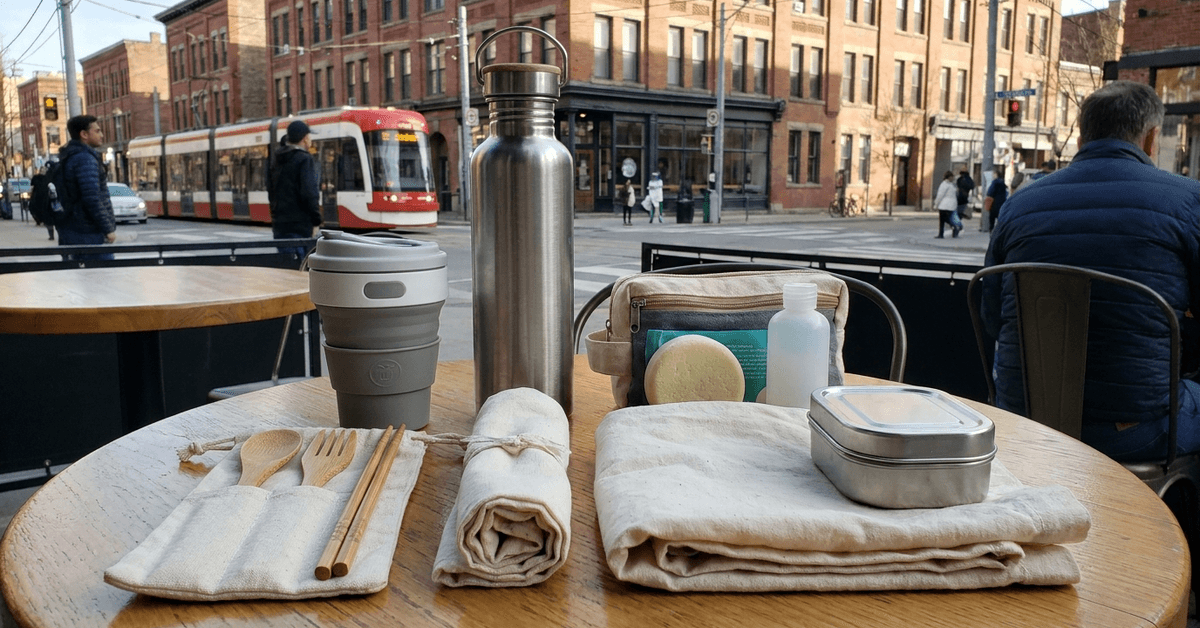
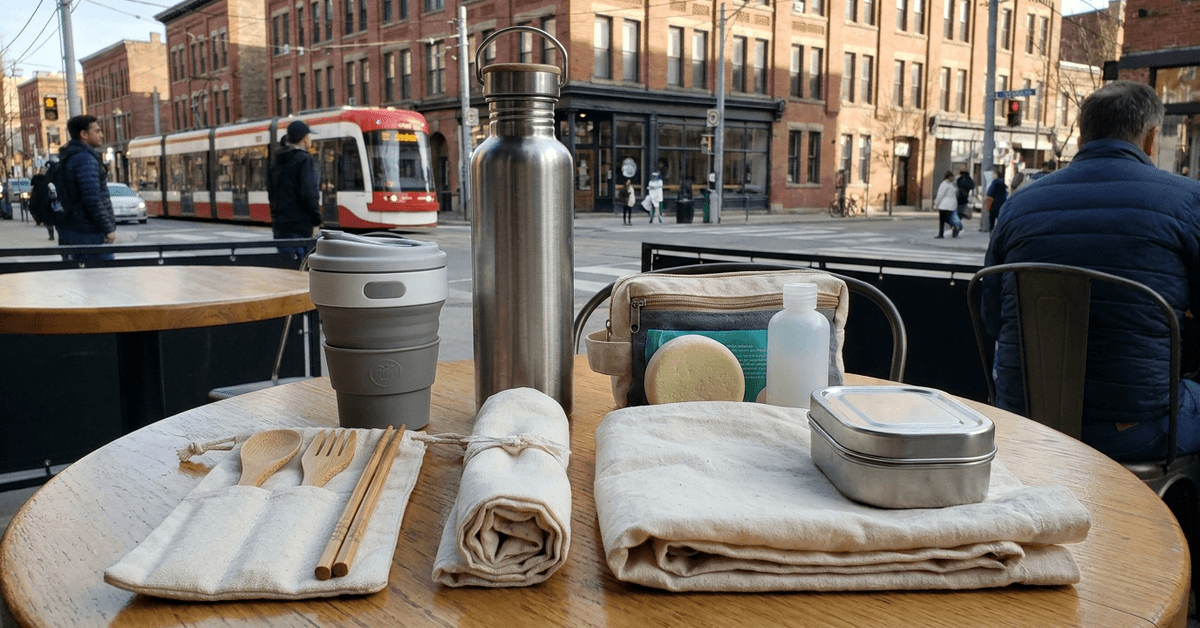
A zero-waste travel kit is a compact set of reusable essentials aimed at minimizing single-use trash on trips. It’s designed for practicality in city life, day trips, and weekend escapes.
Key Principles
- Reusable items replace disposables.
- Convenience and packability matter. Bulky tools rarely get used.
- City-friendly design: security-compliant, lightweight, and easy to clean on the go.
Essential Items for a Zero-Waste Kit
A beginner’s kit needs to be simple, affordable, and easy to carry. Each item plays a role in preventing common forms of urban and travel waste.
Reusable Water Bottle
Hydration is critical, but buying bottled water leads to plastic waste. Stainless steel bottles work well for durability. In cities like Berlin, Paris, and Toronto, tap water is safe to drink and public fountains are common.
Coffee Cup or Travel Mug
If picking up coffee on city strolls is a habit, a collapsible silicone mug may suit best. Most European and North American cafes, especially in cities like London and Amsterdam, happily fill your cup.
Utensil Set
A simple bamboo or stainless steel fork, spoon, and knife fit easily in your bag. Some travelers also include chopsticks. In New York, Tokyo, or Sydney, these come in handy for markets and takeaway dining.
Cloth Napkin
A reusable napkin packs small but cuts out single-use paper towels or tissues. Cotton works well since it’s easy to wash at hotels or hostels.
Reusable Shopping Tote
A foldable fabric bag saves space and is useful for spontaneous markets or groceries. Cities like San Francisco and Barcelona have plastic bag restrictions, so a tote is invaluable.
Snack Container or Stasher Bag
A reusable silicone food pouch or compact box lets you carry snacks or leftovers. This is especially helpful for city parks or picnics along rivers.
Mini Toiletry Kit
- Solid shampoo or soap bars (no single-use packets)
- Refillable glass travel bottles for liquids
- Stainless steel safety razor (always check airport rules)
City-Specific Challenges and Solutions
Every city has unique rules and cultures. The right zero-waste strategies depend on understanding local patterns.
Water Access in Cities
Rome, Zurich, and Copenhagen offer free public water fountains. Checking the RefillMyBottle app helps find refill spots in unfamiliar cities worldwide.
Refusing Single-Use Items Politely
When ordering street food or takeaway, a simple request to skip napkins or cutlery is often honored. Major chains in Paris and Madrid are increasingly accommodating.
Bin Sorting Rules
Different cities sort recyclables in distinct ways. Berlin uses color-coded bins, while Toronto encourages composting. Checking municipal guides ensures you sort correctly and avoid contamination.
Security and Packing Tips
Airports often scrutinize metal or liquid items. Packing utensils in checked bags or using wood alternatives avoids hassle. Small travel-friendly bottles stay within liquid limits.
How to Build Your Own Zero-Waste Travel Kit: Step by Step
- List the activities you do most (coffee, markets, street food, etc.).
- Prioritize items you will actually use based on your city and travel plans.
- Purchase or repurpose items: start with basics instead of buying everything new.
- Test your kit on a single outing, making notes about what was handy versus what stayed in your bag unused.
- Tweak contents as needed, adding or removing items for your style and destination.
Useful Apps and Tools for Zero-Waste Travelers
- Too Good To Go: Lets you purchase surplus food from local restaurants at a discount, reducing food waste (widely available in European cities).
- Plogging apps: Track litter cleanups during city runs or walks, motivating small positive impact.
- Citymapper: Helps find routes near refill stations, eco-friendly stores, or markets.
Maintaining a Zero-Waste Kit on the Go
Quick cleaning is important for reuse. Some cafes and public toilets allow you to rinse bottles or mugs. Bringing a small brush for utensils or bottles is a helpful option.
Keeping lightweight mesh pouches or zip bags for dirty reusables prevents making your bag messy. Toss used napkins or food pouches here until they can be washed.
Real-World Scenarios: What Works and What Doesn’t
Markets and Street Food
Markets in cities like Vienna and Budapest are open to filling your own containers. Some stalls may refuse for hygienic reasons, so flexibility is helpful.
Public Transport
Carrying compact kits is best on buses or subways in cities where space is tight or bag searches are common. Reusable bottles must be empty before airport security checks.
Hotels and Hostels
Many hostels let you wash reusables in shared kitchens. Small hotels might not, so cleaning wipes or travel soap may be useful backups.
How to Upgrade Your Kit for Longer or More Complex Trips
- Consider a filter bottle for regions where water quality is variable.
- Add second containers for larger meals or food shopping.
- Mini sewing kit: handy for unexpected repairs.
- Solar charger: reduces reliance on single-use batteries or extra cords.
Common Mistakes and How to Avoid Them
- Packing too much: bulky kits discourage daily use.
- Not checking local water rules: some cities warn against tap water, so a filter or bottled water may be needed.
- Forgetting to clean gear: this leads to odors or food residue, making the kit less appealing to use.
Benefits of Zero-Waste Travel in Urban Environments
Beyond reducing trash, zero-waste habits often spark conversations in cafes, parks, and hostels. Many travelers find it builds a sense of connection with other eco-conscious locals and tourists.
Small changes add up quickly in cities where takeaway meals and bottled drinks are standard. Every time you skip a disposable cup or straw, you cut plastic at the source.
Conclusion
Packing a zero-waste travel kit is a small investment that pays off every day you spend exploring your city or visiting a new one. No solution fits every traveler perfectly, so it is okay if you adapt as you go.
Real impact often comes from repeated, consistent habits rather than perfection. Even a modest kit encourages less waste and keeps you prepared for anything urban life throws your way. In time, these choices can influence others, making city travel easier and cleaner for everyone.