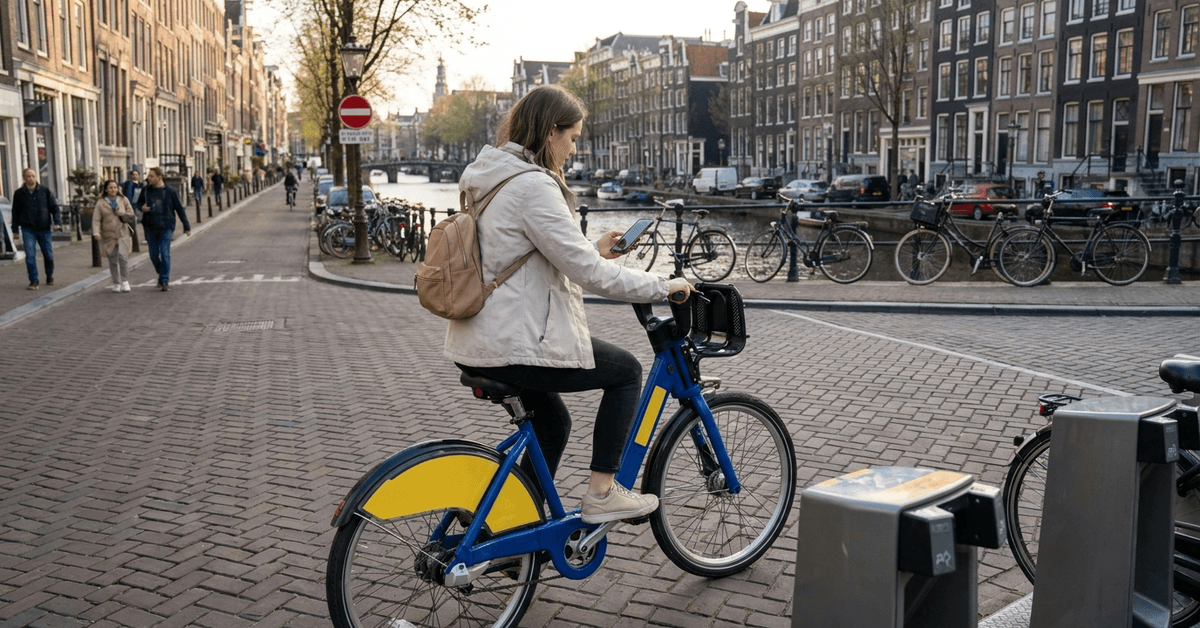
Exploring a city could be even more enjoyable with bike-sharing. For travelers seeking flexibility and authentic discovery, bike-share programs are transforming urban tourism. Many large and medium cities now offer convenient options for locals and visitors alike.
This guide is designed for city explorers, tourists, and urban adventurers hoping to maximize their sightseeing with minimal hassle. Using a shared bike provides a balance of efficiency and immersion not easily matched by walking or public transit.
Understanding Bike-Sharing Programs
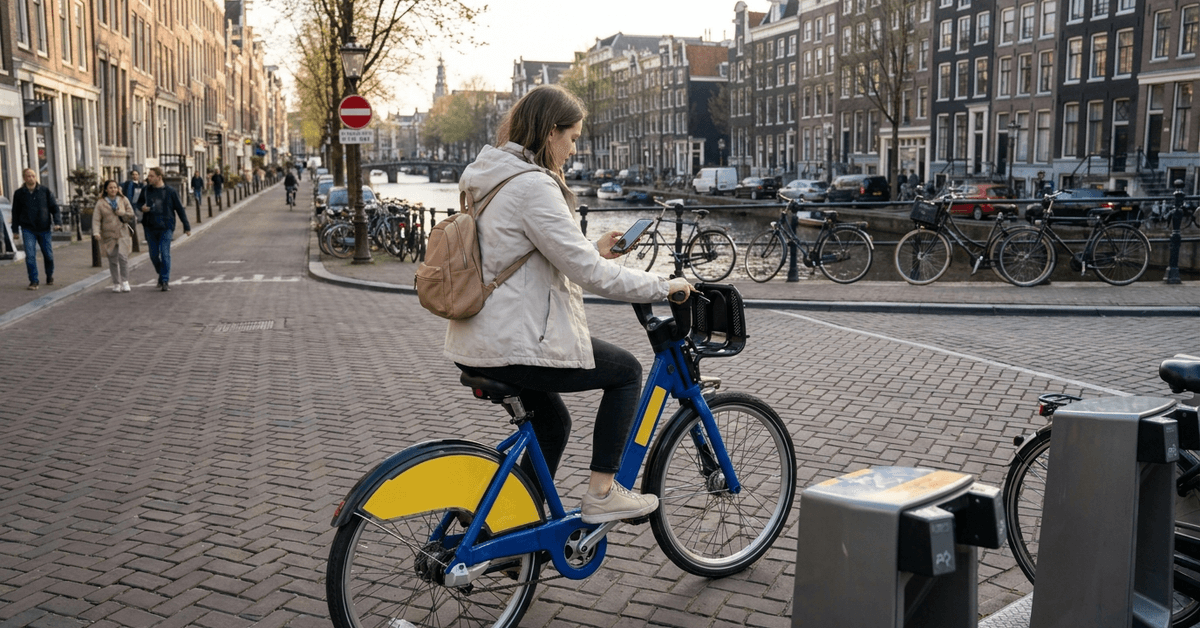
Bike-sharing allows users to rent bicycles from dedicated stations or via dockless systems. Typically, rides are charged by time or subscription. Programs operate across hundreds of cities worldwide.
Key Types of Bike-Share Systems
- Station-based networks: Bicycles are picked up and returned to fixed docks.
- Dockless options: Bikes can be found and left anywhere allowed within service zones.
- E-bike hybrid: Many cities offer both pedal and electric assist models.
Understanding which type is available in your destination can help you plan better. For instance, Paris uses Vélib’, while New York offers Citi Bike, both station-based systems.
How to Get Started with a Bike-Share
Getting started is usually a streamlined digital process. Many services rely on smartphone apps for registration and payment.
Quick Start Steps
- Download the official app for your chosen bike-share service.
- Create an account with a valid email and payment method.
- Locate available bikes shown on the map interface.
- Reserve or unlock a bike by scanning its QR code.
- Start your ride and follow city-specific cycling rules.
Some apps to consider: Lime (global), Santander Cycles (London), and Bicing (Barcelona).
Popular Cities with Robust Bike-Sharing Networks
Some cities are especially suited for sightseeing by bike. Their infrastructure and scenic routes make two-wheeled exploration a top choice.
- Amsterdam: Extensive dedicated lanes and OV-fiets system at train stations.
- Berlin: Tier and Nextbike offer both dockless and docked bikes for tourists.
- Montreal: BIXI provides thousands of bikes with flexible day passes.
- Madrid: BiciMAD is a fully electric bike network ideal for hilly routes.
Learning local etiquette is helpful. For example, cyclists in Copenhagen often signal by extending an arm for turns.
Planning Your Sightseeing Route
Creating a route helps maximize your time and enjoyment. Combining apps and a bit of research can reveal hidden gems.
Useful Tools for Bike Route Planning
- Google Maps Cycling Layer: Shows bike paths, lanes, and traffic estimates.
- Komoot: Curated urban bike routes with points of interest.
- Strava: Explore popular user-generated routes and heatmaps.
Route planning apps offer offline options and directions tailored for bicycles. It’s worth checking local tourism sites for any recommended loops.
Tips for Self-Guided Bike Tours
- Break longer rides into short segments.
- Add historic landmarks and scenic viewpoints along your circuit.
- Find green spaces or riverfront paths for breaks.
Some travelers, perhaps like myself, realize too late how different streets can feel at night or during busy hours. Adjust plans if a particular stretch feels less comfortable.
Safety and Local Rules
Each city sets its own bike safety rules. Getting familiar with them in advance is a smart practice.
Common Safety Guidelines
- Helmet use: Recommended in most places, required in a few.
- Stay on dedicated bike lanes if available.
- Yield to pedestrians at crossings and crowded plazas.
- Obey all traffic signals and signage.
In several places, riding on sidewalks is not allowed except where explicitly marked. Always check signage to avoid fines or misunderstandings.
Security Tips for Bike-Share Users
- Always lock the bike securely after use. Failure may trigger penalty fees.
- Take note of docking station locations for trip planning.
- Photograph the bike at drop-off, just in case there’s a dispute.
Travel insurance may cover certain accidents, but policies vary. Reviewing your coverage before riding is prudent.
Pricing Models and Saving Money
Bike-share pricing can differ widely. Typical models include per-minute rates, one-day passes, or multi-day packages.
Price Examples in Top Cities
| City | Program | Day Pass |
|---|---|---|
| Paris | Vélib’ | Approx. €5 |
| London | Santander Cycles | Approx. £2 (unlimited 30-min trips) |
| New York City | Citi Bike | Approx. $12 |
Opting for a 24-hour or multi-day pass can lower costs for long days of sightseeing. Checking peak pricing or special offers from your chosen provider might reveal extra value.
Environmental Benefits of Bike-Sharing
Bike-sharing programs support cleaner and more sustainable transportation in cities around the world. Choosing a shared bicycle instead of a private car for short trips helps reduce traffic congestion, fuel consumption, and greenhouse gas emissions.
Many cities have expanded cycling infrastructure to encourage environmentally friendly travel while improving air quality.
A More Connected Way to Explore
Many travelers say cycling creates a stronger connection with a destination than riding a bus or taxi. The slower pace makes it easier to notice local architecture, public art, neighborhood shops, and everyday street life.
Riders can stop whenever something interesting catches their attention, creating a more flexible and memorable sightseeing experience.
Everyday Benefits
Bike-sharing is also practical for short urban journeys. It often saves time during busy traffic periods and allows travelers to reach destinations that may be less convenient by car or public transportation.
For many people, cycling also provides light exercise while exploring a city.
When Not to Use a Bike-Share
Although bike-sharing is convenient, it is not the best choice in every situation. Weather conditions, safety concerns, and local events can affect the overall experience.
Weather and Road Conditions
Heavy rain, strong winds, snow, or icy roads can make cycling uncomfortable and increase the risk of accidents. Checking the forecast before renting a bike is always recommended.
Crowds and Limited Availability
Large festivals, sporting events, or public celebrations may leave docking stations full or empty. Planning ahead helps avoid unnecessary delays.
Prioritize Safety
Avoid cycling through remote or poorly lit areas after dark whenever possible. In some situations, combining bike-sharing with public transportation or walking offers the safest and most practical way to travel.
Conclusion
Utilizing bike-sharing programs during city tourism opens up a blend of convenience, sustainability, and exploration freedom.
By choosing the right network, using smart route planning tools, and observing local guidelines, you can create memorable adventures that suit a variety of interests and fitness levels.
Whether you’re chasing architecture, local food, or riverside views, bike-sharing makes those spontaneous detours and off-beat stops part of the journey. Remember to ride carefully and enjoy every street as an urban explorer on two wheels.