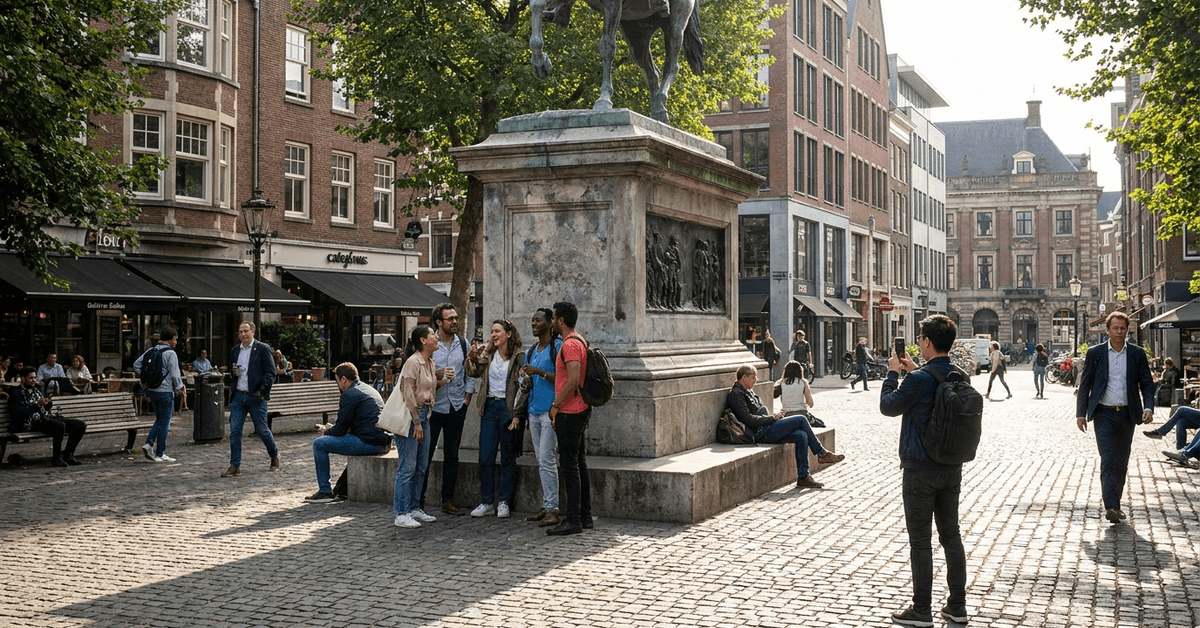
Every morning, familiar landmarks blend into the background of city life. Yet, each monument—statue, obelisk, or clock tower—tells its own deeper story.
City dwellers often overlook these features. For many, monuments are simply navigation points or meeting spots, but the origins are far more compelling.
Why City Monuments Matter in Everyday Life
Monuments are more than decorative. They set the visual character of urban neighbourhoods and often shape local identity.
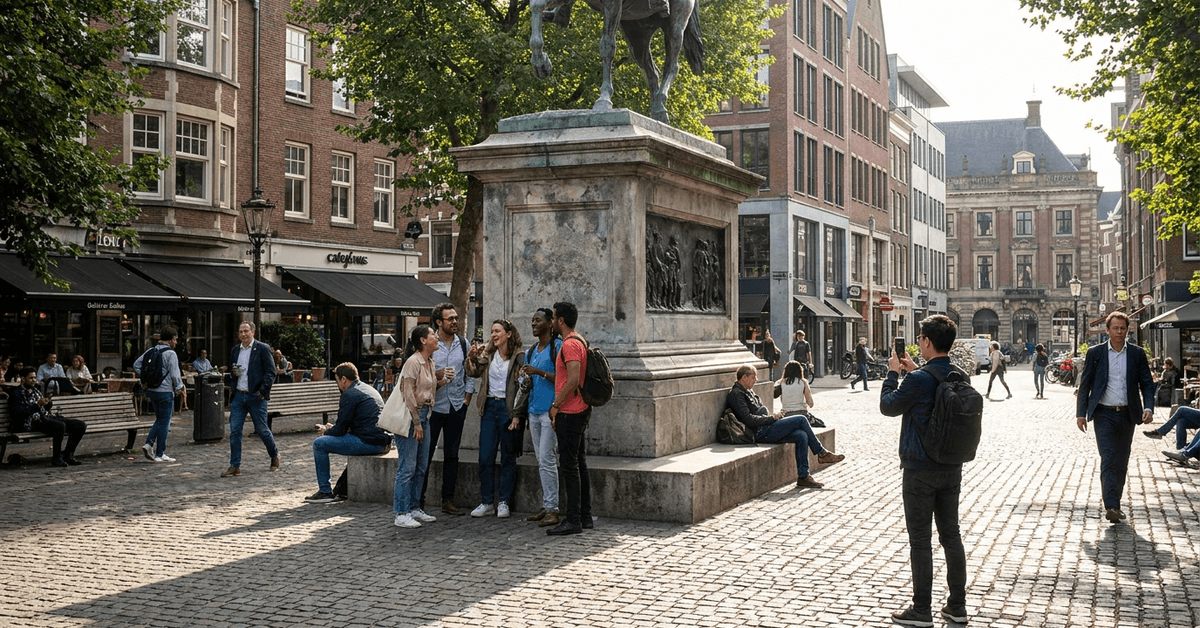
A monument can represent a pivotal event, person, or period. For example, the Eiffel Tower is not just Paris’s centerpiece—it symbolizes innovation and global connection.
Social Anchors in the Urban Routine
City residents use statues and plazas as social anchors. Meeting “by the lion statue” or under “the big clock” gives common references and shared meaning.
Markers of Local Identity
Places like the Angel of Independence in Mexico City shape how locals speak of their city’s values and victories.
Monuments help newcomers adopt the pulse of local culture by connecting them to citywide events and celebrations.
The Layers of History Behind Familiar Monuments
City monuments often represent important moments of struggle, achievement, identity, or political change.
Although they may appear to be simple landmarks, many carry complex meanings shaped by the era in which they were built and the generations that followed.
Symbols of Major Historical Events
Some monuments become closely connected with a city’s most defining experiences.
Berlin’s Brandenburg Gate, for example, has represented royal power, wartime conflict, Cold War division, and eventual reunification. Its meaning changed as the city itself changed.
Understanding Hidden Symbolism
The purpose of a monument is not always clear at first glance. In New York, Cleopatra’s Needle in Central Park connects the modern city with ancient Egyptian history and traditions of public commemoration.
Inscriptions, materials, location, and design details can offer clues about the message its creators intended.
Changes in Meaning Over Time
Monuments do not always keep the same meaning forever. A statue once viewed mainly as a symbol of pride may later become part of debates about representation, inclusion, colonialism, or justice.
Encouraging Public Conversation
These changing interpretations can lead to protests, restoration projects, new plaques, or calls for removal.
Learning about such debates helps visitors understand that monuments are not only records of the past. They also reveal how communities continue to question and redefine their shared history.
How to Learn More About the Monuments You Pass
Discovering a monument’s background can start with a bit of digital research or an urban history walk.
Mobile Apps for On-the-Go Learning
- Google Lens: Point your phone at a statue for instant facts and context.
- Detour: Offers audio walking tours in cities like San Francisco and London, often focusing on public art and landmarks.
- Field Trip: Gives historical context notifications based on where you stand in the city.
Best Practices for Real-Life Discovery
- Read the plaque next time you pass a monument. Most will have basic information, names, or dates.
- Follow local museums’ or city heritage Instagram feeds for in-depth stories about urban sculptures and memorials.
- Attend city-sponsored walking tours, often led by guides who share anecdotes you won’t find online.
Famous Examples: Monument Stories in Different Cities
London: The Shard and Millennium Bridge
The Shard is modern, symbolizing ambition. The Millennium Bridge shows connection across generations and river divides.
Rome: The Vittorio Emanuele II Monument
This massive structure is not just a tourist attraction. It marks unification—a focal point for national pride and big events.
New York City: The Statue of Liberty
Liberty Island represents ideals of freedom, hope, and arrival. Rarely do regular commuters pause to consider its historical role or what it means for millions of newcomers.
How Monuments Influence Urban Experiences
Daily Orientation and Wayfinding
Monuments like the CN Tower in Toronto are everyday orientation points. They help people find their way intuitively.
Event Spaces and Public Gatherings
Public demonstrations, seasonal festivals, or impromptu performances often cluster around monumental spaces for a reason—they are visible, recognized, and accessible.
Tips to Connect With Cultural Monuments
Cultural monuments can reveal stories about a city’s history, values, and people. Paying closer attention to statues, memorials, plaques, and public artworks can make everyday travel more interesting while helping you understand your surroundings more deeply.
Change Your Usual Route
Take a different route to work, school, or a familiar destination occasionally. Even a small detour may lead you past an old monument, historic marker, or public artwork you have never noticed before.
Photograph and Research Later
Take a quick photo of the monument, its inscription, or any nearby information panel. When you have more time, search for the person, event, or story connected to it. Saving the location in your phone can also make it easier to return.
Share What You Discover
Tell friends or family about the facts you uncover. Group walks can become simple learning adventures when each person researches one monument and shares its story.
Use Social Networks for Local Insights
Online communities can reveal details about monuments, public art, and neighborhood history that may not appear in standard tourism guides. These platforms are especially useful for finding personal memories, recent updates, and local perspectives.
Join Local Online Communities
City-based Reddit pages, Facebook groups, and neighborhood forums often feature discussions about statues, memorials, murals, and historic buildings. Search using the monument’s name, location, or a nearby landmark to find relevant posts.
Learn From Resident Knowledge
Longtime residents may explain local nicknames, forgotten events, restoration projects, or changing opinions about public artworks. They may also share old photographs and stories connected to the surrounding area.
Ask Clear Questions
When posting, include a photo or precise description of the monument. Ask focused questions about its history, symbolism, or community importance to receive more useful responses.
Verify Before Sharing
Community discussions can contain incomplete or inaccurate information. Compare interesting claims with museum archives, library resources, official heritage websites, or reliable historical publications before repeating them as fact.
Conclusion: Rediscovering Everyday Significance
Recognizing the cultural meaning behind city monuments can shift a person’s relationship with familiar streets. These markers are touchpoints for community, history, and identity.
Next time you pass an old statue or rising tower, consider the layered stories woven into its presence. It may surprise you how these urban fixtures enrich both memory and daily routine.