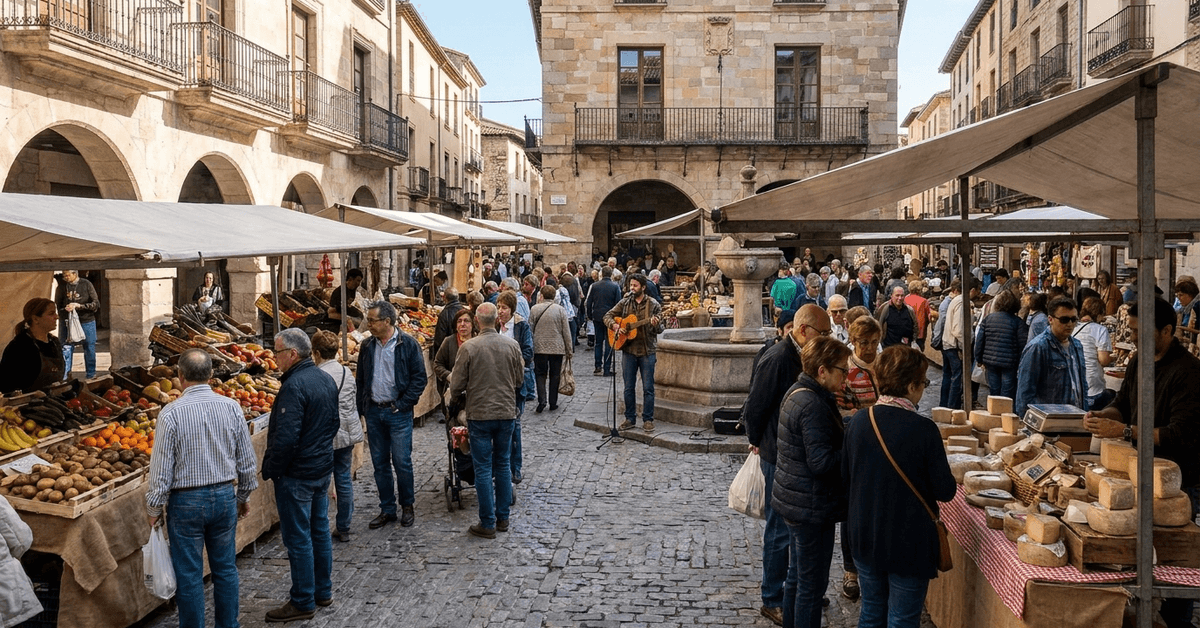
Street markets and historic plazas provide a unique lens into the everyday life of urban communities. These spaces blend tradition, commerce, and social interaction, often becoming the heart of a city’s culture.
For urban explorers, day trippers, and residents alike, learning to navigate these areas can offer both discovery and practical enjoyment.
Why Street Markets Remain Relevant
Street markets retain a strong presence even in modern cities. They bring together locals, tourists, and vendors in a dynamic setting. Each visit reveals new stories and offerings.
Fresh Produce and Local Goods
Most markets still offer farm-fresh produce and regional specialties. The World Union of Wholesale Markets notes that fresh markets now serve nearly half of urban households worldwide.
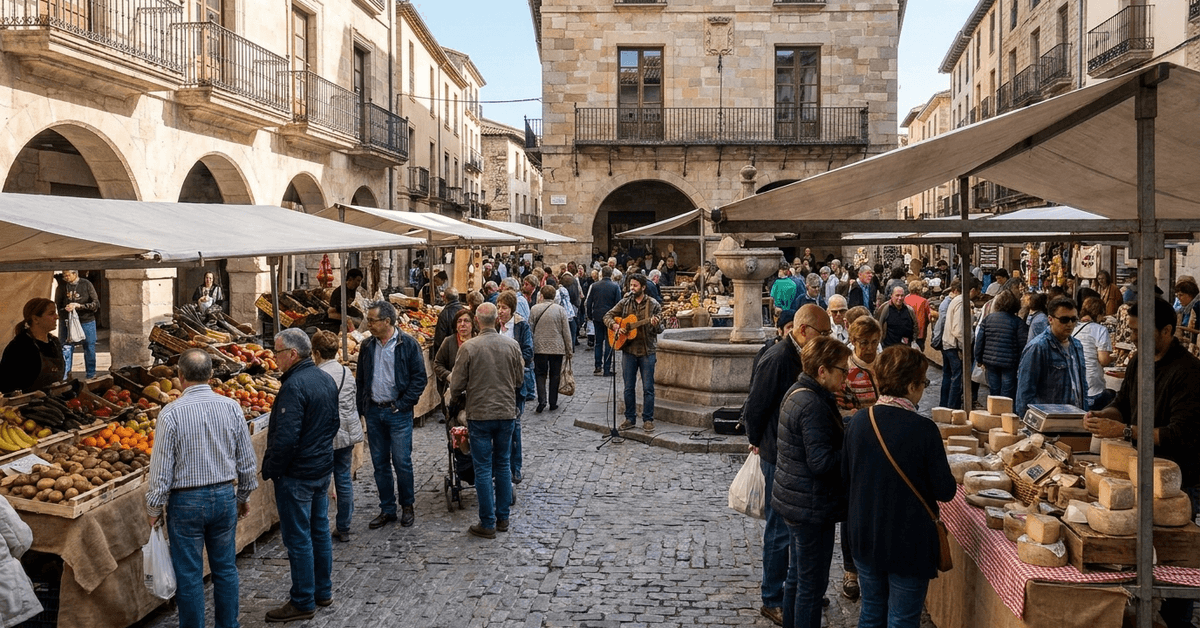
Local artisans, bakers, and farmers showcase goods that rarely reach chain stores. A visit often means direct contact with the person who made or grew the item.
Community and Atmosphere
Markets foster a sense of belonging. Crowds hum with conversation. Street musicians or performers often add ambiance. Weathered stone, cobblestones, and centuries-old architecture remind visitors of the city’s layered history.
Top Cities With Iconic Markets and Plazas
Certain cities stand out for their vibrant market scenes and signature plazas. Each offers distinctive experiences for every type of explorer.
Barcelona: La Boqueria and Plaça Reial
La Boqueria is a must-see. This historic market near La Rambla is famous for Spanish hams, olives, and fresh juices. Early mornings tend to be less crowded and allow for easier browsing.
Nearby, Plaça Reial features stately palm trees and iron lamps designed by Gaudí. Cafés offer classic tapas and outdoor seating. Weekend evenings attract buskers and dance troupes, creating lively scenes.
London: Borough Market and Covent Garden
Borough Market stands out for its variety. Shoppers can sample cheeses, street food from Ethiopian to Greek, and specialty coffees. Saturdays offer the fullest stalls but are busiest after 11 a.m.
Covent Garden Plaza holds outdoor performances. Artisans set up temporary stands alongside institutions like the London Transport Museum. Staying a while can reveal small pop-ups that open only for a few hours.
Mexico City: Mercado de la Merced and Plaza Garibaldi
Mercado de la Merced is known for its staggering size. It stretches for blocks with fruits, piñatas, and food stalls. Maps such as the “CDMX Market Map” app help navigate its maze of corridors.
Plaza Garibaldi pulses with mariachi music most evenings. Restaurants sometimes invite guests to sample tequila tastings. Early visits expose quieter corners ideal for people-watching.
Paris: Marché Bastille and Place des Vosges
Marché Bastille is open Thursdays and Sundays. Flower vendors line one side, while cheesemongers display aging wheels. It’s best to bring a reusable tote for spontaneous purchases.
Place des Vosges, one of Paris’s oldest squares, feels tranquil. Galleries, bakeries, and historic arcades surround its grassy lawns. Visitors often picnic beneath the linden trees after the market.
How to Discover and Navigate Markets
Finding the best market often requires more than a simple search. Using both modern tools and local word-of-mouth can open new avenues for discovery.
Useful Apps and Online Directories
Google Maps remains the go-to for basic location searches, but apps like HappyCow list markets with organic and vegetarian-friendly stalls. “Time Out” often curates seasonal listings for major cities.
Some local city hall websites provide up-to-date calendars for weekly or monthly markets. Social media groups and neighborhood forums also reveal pop-up or hidden options not widely advertised.
Timing Your Visit
To avoid crowds, early mornings or late afternoons are optimal for most markets. Some stalls open only during weekends or specific festival dates, so checking local calendars first is advised.
Certain markets, like Istanbul’s Grand Bazaar, may close for national holidays. Quick research before heading out can help prevent wasted trips.
Plaza Etiquette and Safety Tips
Historic plazas carry unwritten rules. Urban lifestyles thrive when visitors interact respectfully, keeping both ambiance and security in mind.
- Keep noise to conversation levels, especially near residential buildings.
- Always keep an eye on valuables in busy areas.
- Food and beverages are usually allowed in open spaces but not always permitted in arcades or near monuments.
- When photographing performers or sellers, a friendly request or tip is usually appreciated.
- Public restrooms may be available, yet clean facilities are sometimes hidden inside nearby cafés or cultural centers.
Maximizing Enjoyment and Value
A good market visit combines discovery, bargains, and comfortable strolling. The right approach can improve the experience each time.
Negotiating and Buying
At most markets, vendors expect polite negotiation. Offering a bundled price for several items can lead to small discounts. Rare collectibles or antiques tend to have less room for bargaining.
Cash is often the preferred payment at smaller stalls. Carrying both coins and small bills can help simplify transactions. Some larger urban markets now accept contactless payments.
What To Bring Along
- Reusable shopping bags for unexpected finds.
- Loose change and small currency notes.
- Portable hand sanitizer for food stalls or hand-washing breaks.
- A charged phone to access maps or translation apps.
- A lightweight rain jacket or sun hat, depending on season and location.
Unique Experiences in Historic Plazas
Not all plazas offer the same atmosphere. Some highlight local artisans or feature surprise performances. Others excel in simple people-watching and moments of quiet reflection.
Art Installations and Cultural Events
Piazza Navona in Rome often plays host to art displays. Annual festivals bring street painters and craft vendors.
Plazas in cities like Krakow and Marrakech transform during holidays. Seasonal markets fill the spaces with temporary stalls or open-air cinemas.
Best Times for Visiting
Early spring and autumn afternoons are often mild and less busy. Some events only run during select weekends or public holidays. Local tourism boards publish calendars outlining the most notable happenings.
Conclusion
Old-school street markets and historic plazas remain vibrant spaces for anyone seeking authentic city life. Their mix of tradition, community, and variety rewards both the casual visitor and the dedicated urban explorer.
Careful planning, the right tools, and a respectful attitude can turn any market outing into a memorable part of everyday urban living.
Whether searching for fresh flavors, handmade items, or simply a few moments in the lively flow of city life, these public spaces offer ongoing surprises. Keeping an open mind, a well-packed bag, and a flexible schedule helps ensure every visit is enjoyable and safe.