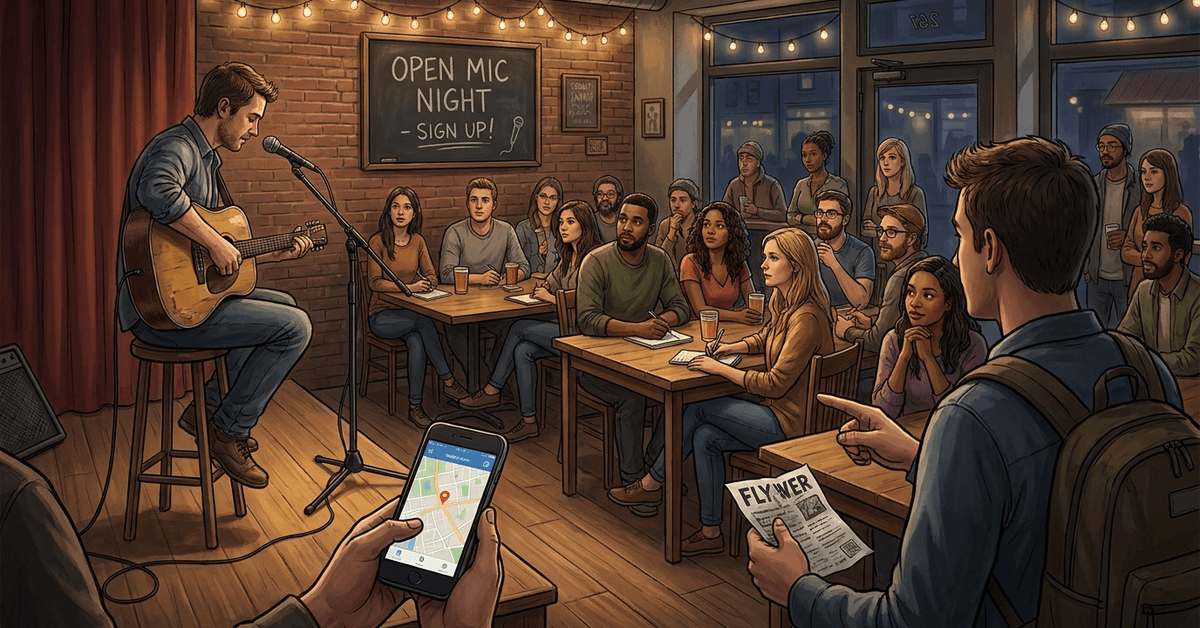
Open-mic nights create opportunities for writers and musicians to share their work, test new ideas, and forge connections in real city spaces. Whether in a bustling city like New York, Toronto, or Berlin, the right approach makes all the difference.
Anyone hoping to develop their craft, meet like-minded creators, or simply join a supportive audience can benefit from understanding how to find and access these events.
The strategies below focus on practical, actionable steps for the modern urban resident.
Why Open-Mic Nights Matter for Local Talent
Open-mic events offer a public stage for anyone, from beginners to seasoned artists. For many, they represent a welcoming entry point.
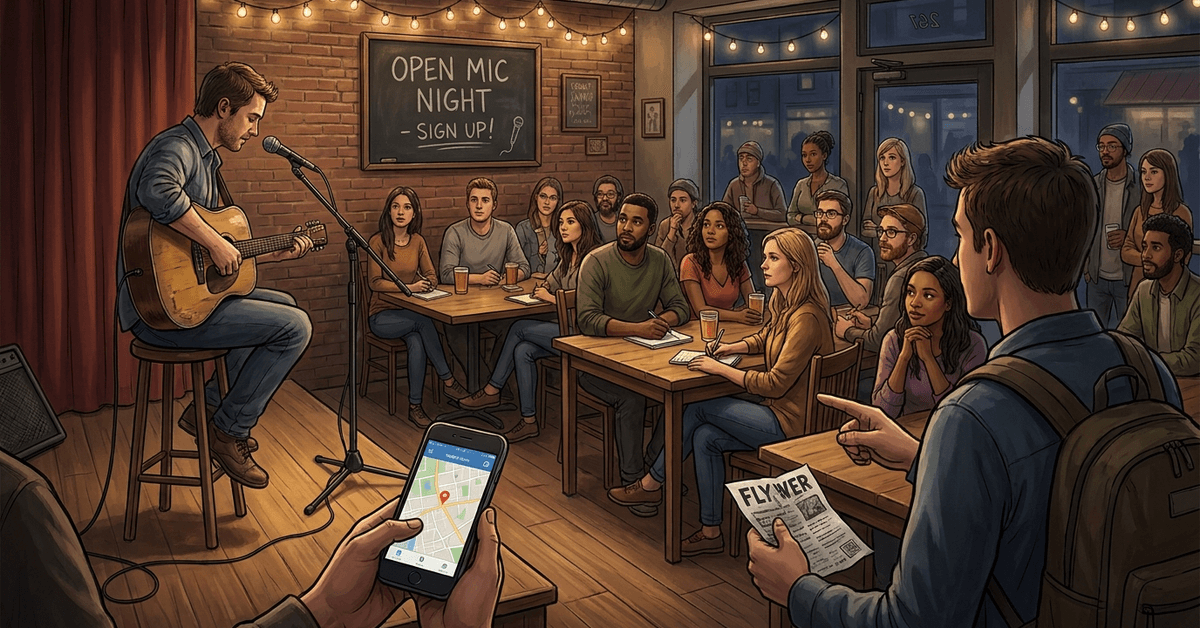
Performers often receive instant audience feedback, allowing room to grow. There’s also usually no heavy audition—just sign up and show up.
Some venues are small indie cafes. Others are lively pubs or community spaces. The atmosphere usually varies, so regulars might get to know the different vibes.
Where to Start Your Search: Digital Discovery
Smartphone apps and social platforms are surprisingly powerful for event hunting. They bring regional options directly to your screen.
Event Discovery Platforms
- Eventbrite: This platform frequently lists open-mic nights in major cities worldwide. Searches can be filtered by location, price, or category.
- Meetup: Many small creative groups use this app to arrange gatherings and open-mic sessions. Local event organizers post details and updates weekly.
- Facebook Events: Most music and poetry nights now appear as public events here. It’s possible to follow local venues or collectives directly for timely updates.
While some events are one-off, many venues host recurring sessions. Using event platforms streamlines the process of identifying reliable, ongoing options.
Search Tactics That Work
- Use long-tail keywords paired with the city or neighborhood. For example: “open-mic poetry night Toronto” or “live songwriter sessions Berlin.”
- Try synonyms: open-stage, writers’ jam, or music showcase may lead to more diverse options.
- Check for event ratings and recent photos before planning a visit.
Finding Venues in Your City
Even in cities with robust digital scenes, sometimes local spots prefer word-of-mouth. Knowing a few reliable physical strategies helps fill the gaps.
Top Venue Types for Open-Mics
- Cafes (especially independent or arts-themed)
- Bookstores and literary collectives
- Bars and pubs with music nights
- Community art centers
- University or college campus cafes
Urban hubs like San Francisco, London, and Melbourne have dozens of venues. Visiting a few in person can make a real difference. Flyers and posters are often placed near entranceways, bulletin boards, or on restroom doors.
Neighborhood Reconnaissance
- Walk or bike through known arts districts looking for posters, chalkboards, or banners.
- Ask baristas or regulars—they often know the schedule or can suggest other spots.
- Check community boards in libraries, record shops, or student centers.
Building A Consistent Routine
Open-mic nights rarely follow a strict calendar. Some are weekly, while others happen monthly or only during festival seasons.
Once a promising event appears, establishing a reliable routine matters for personal growth and networking.
Steps to Regular Participation
- Follow favorite venues or collectives online (socials or mailing lists help track schedules and changes).
- Arrive early for sign-ups because slots might fill quickly.
- Prepare more material than needed, as set lengths can shift last minute.
- Join in as an audience member before performing to get a sense of the environment.
Regular attendance helps new performers avoid stage fright over time. Stronger connections form the more often one attends, making it easier to find collaborators and communities.
Recommended Apps and Tools for Creatives
Music and Poetry Apps
- Open Mic Finder: Designed specifically for music and spoken word performers. Geolocation features suggest events nearby, updated weekly.
- Bandsintown: Besides gigs, this app occasionally lists open mic and jam sessions for unsigned acts.
- Instagram: Following city-based open-mic accounts quickly fills a phone feed with ideas and announcements.
Productivity Aids
- Google Calendar: Use for tracking event dates, deadlines for new material, and reminders.
- Evernote or OneNote: Good for jotting new lyrics or poems whenever inspiration strikes.
Some apps let users set alerts for similar events, which is helpful. Missing a post by a few hours can sometimes mean waiting another week or month for a new slot.
City Examples: Finding Open-Mics in Urban Hubs
New York City
The Bowery Poetry Club and Sidewalk Café have legendary weekly events. Social feeds and their official websites offer updated lineups.
Toronto
The Free Times Café and Poetry Jazz Café are popular spots near the downtown core. Meetup and Facebook give reliable date announcements.
Berlin
Cassiopeia and Madame Claude attract a mix of international artists. Open Mic Berlin’s website curates a current calendar for music and spoken word.
London
A great option is to look out for events at The Betsey Trotwood or Poetry Unplugged at The Poetry Café. Local collectives often cross-promote each other’s nights.
Researching one city’s scene often leads to unique traditions or slightly different event formats. Some places require pre-registration. Others are drop-in only.
Extra Tips for First-Time Performers
- Bring your own pens, books, or instrument cables. Venues often don’t supply extras.
- Check if there’s a cover charge or minimum spend in advance.
- Audio or video recording is typically allowed, but always ask for permission before filming or sharing.
- It helps to credit the event when posting performances on social channels. Organizers appreciate the visibility.
Legal and Safety Considerations
Event Policies and Audience Safety
Reputable venues enforce safe, inclusive spaces. If unsure, reading reviews or looking at the venue’s official policies can provide reassurance.
Performers should keep public transport or rideshares in mind when planning late-night returns. Some areas may not be well-lit or have cabs readily available.
Copyright and Creative Rights
Original work is always welcome at open-mics. Still, sharing copyrighted material usually requires permission, especially for songs or published poems. Adjust setlists accordingly.
Conclusion
Finding open-mic nights for local writers and musicians relies on a blend of digital search, on-the-ground curiosity, and community engagement.
Most cities—large and small—offer hidden opportunities that reward regular exploration. Apps, social feeds, and simple conversation remain the best tools for discovery.
Taking small steps, even if a bit unsure at first, often brings unexpected creative rewards. Joining the open-mic scene is rarely about perfection, but more about trying, sharing, and growing alongside others in the city.