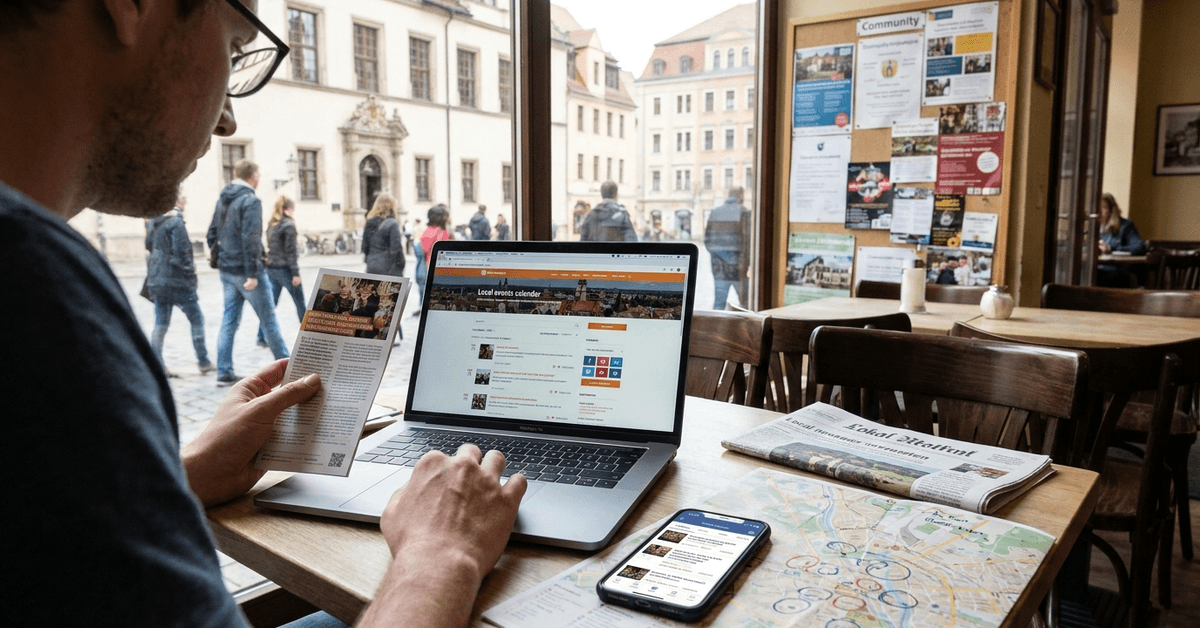
Exploring a new town is exciting, but finding real local events can feel overwhelming. This guide outlines practical methods for discovering events that match your interests.
It is ideal for travelers, day-trippers, or anyone planning a city adventure and seeking cultural immersion and authentic experiences.
Why Research Local Events Before Your Trip?
Planning ahead increases the chances of attending unique happenings. It can also save time and help avoid disappointment upon arrival.
Another benefit is that advance research usually exposes lesser-known activities. Tourists often miss these, but locals consider them highlights.
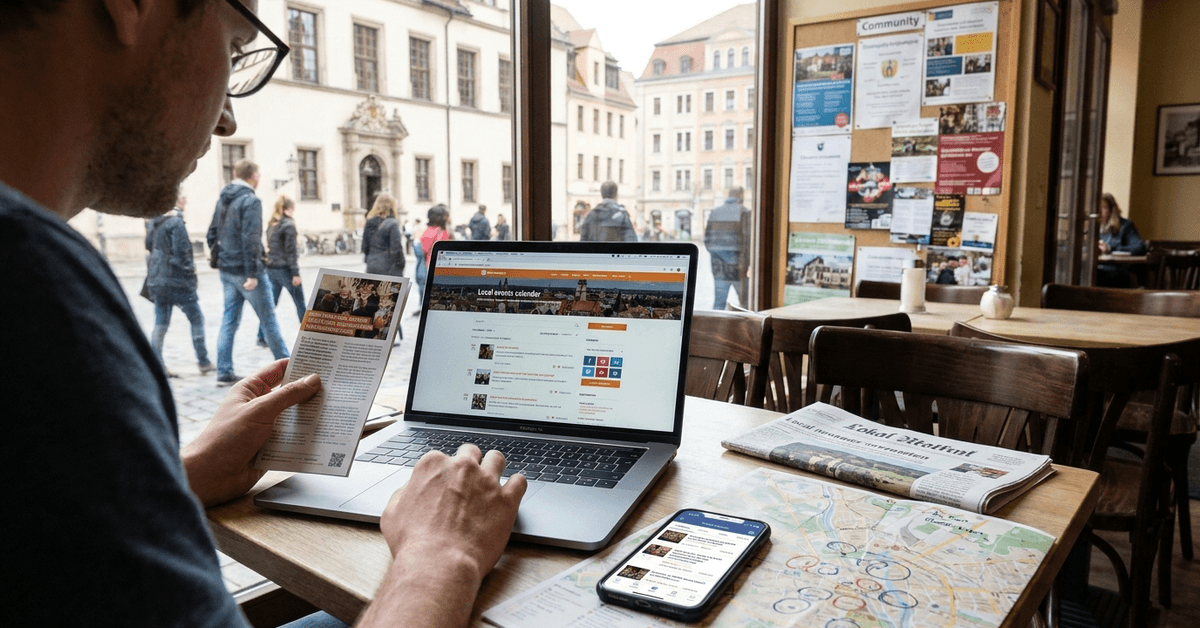
Start With Official City Sources
Visit the City’s Official Event Calendar
Many cities have dedicated event sections on their government or tourism websites. For example, NYC Official Guide has an updated calendar for New York City events.
Similar official sites for Paris, Berlin, and Toronto offer curated listings. A quick web search for “city name + official events” is effective.
Tourist Information Centers Online
- Official websites often highlight seasonal festivals, free exhibitions, and local traditions.
- In some cities, free downloadable event brochures are available in advance.
Leverage Event Aggregator Platforms
Check Top Event Apps
Technology can streamline the search process. Well-established event apps and platforms help pinpoint happenings across a city.
Some examples are:
- Eventbrite (global cities, ticketed and free events)
- Meetup (community-driven meetups for hobbies, language exchange, or local networking)
- Time Out (curated city guides with local insight)
Filter by Date, Category, or Neighborhood
Most event sites allow filters to match your travel window and interests. Narrowing choices can quickly reveal concerts, markets, gallery openings, or festivals.
Use Social Media Smartly
Facebook Events
Facebook is one of the best platforms for finding authentic, real-time events in almost any town.
Entering the destination and dates in the Facebook Events search bar brings up listings by popularity and distance from your chosen area.
Try Local Hashtags and City Groups
Popular hashtags, such as #LondonEvents or #AmsterdamNightlife, can uncover local gatherings. City-based Facebook or Reddit groups often share up-to-the-minute event tips.
Instagram Stories and Highlights
Some event venues post their line-ups in stories or highlights. Checking tagged locations in Instagram photos is another quick research trick.
Check Local Media and Publications
Newspapers and Magazines
Physical and digital local publications frequently list a week’s worth of activities. For example, Timeout London is popular for Londoners.
Small cities often publish event roundups in their weekend or cultural sections.
Community Radio or Podcasts
- Radio stations promote town-wide gatherings, markets, or musical acts.
- Podcasts for cities such as Berlin or San Francisco often have an “upcoming events” segment.
Explore Venue and Attraction Websites
Major and Minor Venues
Museum, gallery, and music venue websites publish their own event calendars. For example, MoMA in New York and Musee d’Orsay in Paris update schedules weekly.
Independent cinemas, community centers, and small bars often announce open mics, workshops, or night markets too.
University and Cultural Institutions
Universities post public lectures, art shows, or seasonal fairs. Event pages for these sites often welcome travelers and community guests.
Utilize Local Forums and Community Boards
Neighborhood Blogs and Reddit Threads
Local blogs detail upcoming events that aren’t on larger platforms. A city’s subreddit or Nextdoor area group also gives real residents’ event suggestions.
Physical Event Boards
Cafes, libraries, or bookstores have bulletin boards listing workshops, readings, or pop-ups.
Although digital methods feel faster, sometimes a quick scan of a board reveals exclusive, hyper-local affairs.
Go Beyond the Obvious: Deep-Dive Research
Major event calendars are helpful, but they often miss temporary, neighborhood-based, or newly announced activities. Looking beyond the most visible listings can lead to more original and memorable experiences.
Look for Seasonal and Hidden Gems
Many cities host short-term food markets, flower festivals, craft fairs, outdoor performances, and cultural pop-ups that may not appear on large tourism websites.
Search phrases such as “pop-up events” followed by the city name, neighborhood, or travel dates.
You can also ask in local online groups what is happening that weekend. Recent posts often reveal community events, temporary exhibitions, or markets announced only a few days in advance.
Ask Locals Directly
A polite conversation with a barista, shop owner, hotel employee, or hostel receptionist can uncover activities that are difficult to find online.
Locals may know about spontaneous concerts, neighborhood celebrations, street performances, or newly opened venues.
Ask specific questions about your interests rather than requesting general recommendations. This makes it easier for people to suggest something relevant and current.
Step-by-Step Guide to Efficiently Researching Events
Finding worthwhile events in a new city becomes much easier when you use several reliable sources instead of depending on one platform.
A simple research routine can help you discover major attractions, local gatherings, and last-minute opportunities that match your interests and schedule.
Define Your Interests and Dates
Start by listing the types of experiences you want, such as concerts, art exhibits, food festivals, sports, markets, or neighborhood tours. Add your available dates and preferred times so you can quickly remove unsuitable options.
Check Official City Calendars
Visit the official city or tourism board website first. These calendars often feature large public events, seasonal celebrations, museum programs, and family activities. Official listings may also include road closures, ticket details, and accessibility information.
Search Popular Event Apps
Use platforms such as Eventbrite, Meetup, and Time Out. Apply filters for location, category, date, cost, and event format. Save promising options and compare them before booking.
Explore Social Platforms
Search Facebook’s Events section using the city name and your travel dates. Review recent posts in neighborhood groups or city subreddits, where residents often share smaller events and current recommendations.
Review Venue Calendars
Check the schedules of major theaters, galleries, music venues, stadiums, and cultural centers. Some performances or temporary exhibits may not appear prominently on general event apps.
Look at Local Media
Community radio programs, city magazines, local newspapers, and event newsletters can reveal new openings, interviews, and weekend recommendations.
Search Again After Arrival
Look for bulletin boards at hotels, hostels, cafés, libraries, and visitor centers. Flyers and posters may advertise pop-ups, workshops, markets, or performances that were announced too late to appear in your earlier research.
Conclusion
Researching local events before visiting any new town transforms a simple visit into a memorable experience. Using official city sources, event apps, and social media uncovers both high-profile and hidden happenings.
Local publications and community boards provide a personal touch, revealing what residents love most. Combining multiple strategies ensures a diverse itinerary, packed with genuine, local flavor.
With the right planning and curiosity, a trip can go beyond sightseeing and become an immersion in a city’s unique rhythm.