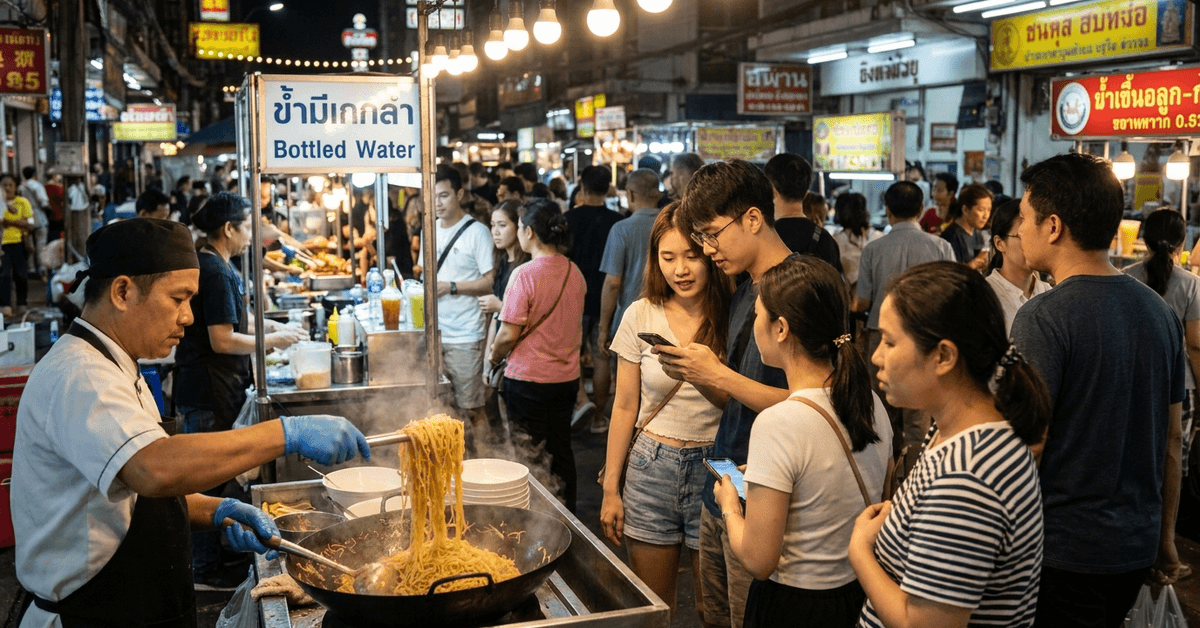
Digging into street food often leads to the most memorable meals in any city. For city dwellers, travelers, or anyone who loves local flavors, discovering authentic dishes safely is key. This guide covers how to find top street food while minimizing risks.
Why Street Food Is Worth Exploring
Street food offers unmatched glimpses into a city’s daily life. Tasting what locals eat, where they gather, and how food is served reveals urban culture in a delicious way.
Some cities—like Bangkok, Mexico City, and Istanbul—are nearly defined by their street eats. Still, each spot varies, so knowing how to explore safely brings peace of mind.
How to Discover Authentic Local Food Stalls
Follow the Crowds
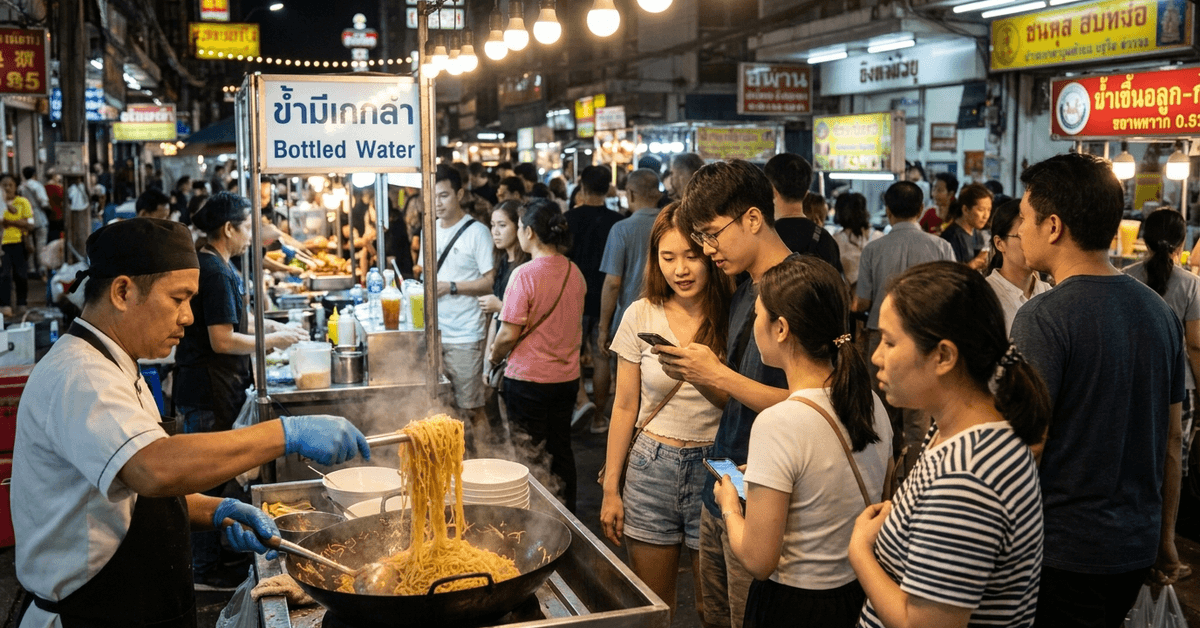
Crowds are usually the best sign of freshness and flavor. Locals often line up at the most popular carts, especially during lunch or after-work rushes.
Peak times vary by city. In Singapore, for instance, lunchtime hawker centers fill up fast, while in Madrid, evening tapas stalls draw crowds from 7pm onward.
User Reviews and Food Apps
Technology can point directly to hidden gems. The Google Maps app offers up-to-date reviews and live popularity bar graphs.
- TripAdvisor and Yelp help compare cleaner, safer choices.
- HappyCow is helpful for vegetarian and vegan options, especially in cities like Berlin.
- Local forums or city-based Facebook groups can surface real-time intel.
Look for Cleanliness Indicators
Many great stalls run on busy sidewalks under simple tents, but there are signs of safety to check:
- Staff wear gloves or hairnets.
- Food is cooked to order, not left sitting out.
- Separate utensils are used for raw and cooked foods.
Best Practices for Eating Street Food Safely
Assessing Hygiene Up Close
Observing how food is handled is vital. Clean hands, fresh ingredients, and steaming hot meals help reduce risk.
Open flames or grills—like those found in Hanoi’s Old Quarter—ensure dishes are cooked thoroughly. Avoid anything lukewarm or uncovered.
Stay Hydrated (But Watch the Water)
Bottled water remains the safest way to stay hydrated. Many urban markets use tap water for washing or making ice, which can sometimes cause stomach issues.
In places like Mumbai or Mexico City, skipping raw fruits washed with market water is a smart choice.
What to Avoid
- Sauces or condiments sitting in open air.
- Food that’s been cooked and left for hours.
- Seafood sold without proper refrigeration, especially in hot climates.
Well-Known Cities With Famous Street Food Scenes
Bangkok
Thailand’s capital is famed for spicy pad thai, mango sticky rice, and boat noodles. Areas like Yaowarat Road remain buzzing late into the night.
Mexico City
Tacos al pastor, tamales, or elotes draw locals and travelers. Stalls around Condesa and Roma Norte offer a safe, bustling atmosphere.
Istanbul
Grilled fish sandwiches, simit, and fresh juice often come from tidy carts near the Bosphorus. Many vendors have clear signage showing local certificates.
Singapore
Hawker centres feature dozens of food kiosks under one roof, each with hygiene grades easily visible. Popular spots like Maxwell Food Centre set the gold standard for safety.
Using Technology to Improve Street Food Safety
Essential Apps
- Google Maps for hours, reviews, and location accuracy.
- Food Safety app (varies by city) to check stall licenses, such as Singapore’s NEA website.
- Instagram and TikTok for trusted food influencer content, showing recent visits and conditions.
Cashless Payments
Mobile payment apps like Apple Pay and PayPal are increasingly accepted. Using these can reduce contact and is often more secure than carrying cash.
Step-by-Step: Safely Trying Street Food
- Research city hotspots before venturing out—look at up-to-date online recommendations.
- Check for clean prep areas and signs of busy foot traffic on-site.
- Choose dishes cooked to order when possible, for maximum freshness.
- Monitor how food is handled and served; avoid anything sitting in the sun.
- Use sanitizing wipes or gel for your own hands before eating.
Street Food for Special Diets
Street food can still be enjoyable for travelers with dietary restrictions, but extra care is often necessary. Ingredients, cooking oils, and preparation surfaces may not always be clearly labeled.
Vegetarian and Vegan Options
Cities such as Taipei and Athens offer many vegetable-based street foods, including grilled produce, breads, rice dishes, and plant-based snacks. However, sauces, broths, or cooking oils may contain animal products.
Clearly explain your dietary needs before ordering. A translated card can be helpful when language barriers make communication difficult.
Choose stalls where ingredients are prepared or assembled in front of you, as this makes it easier to ask questions and avoid unwanted items.
Managing Food Allergies
Severe allergies require greater caution because cross-contact can occur on shared grills, utensils, and frying equipment. Allergy translation cards are especially useful in cities such as Tokyo or Seoul.
Research vendors before visiting and check recent reviews from other travelers with similar needs.
Apps and online communities, including AllergyEats, may help identify safer dining options. When ingredients or preparation methods remain unclear, choosing another vendor is the safest decision.
Maximizing Enjoyment With Minimal Risk
Trying local food can be one of the most memorable parts of a trip. A few practical choices can help you enjoy new flavors while reducing the chances of discomfort or poor-quality meals.
Follow Trusted Local Recommendations
Hotel staff, ride-share drivers, market workers, and nearby business owners often know which food stalls are clean, popular, and consistently good. Local suggestions may lead you to fresher dishes than random online lists.
Consider a Guided Food Tour
Organized food walks can introduce you to several trusted vendors in one outing. Tours such as Secret Food Tours in Paris or Bangkok Food Tours usually select stops based on popularity, quality, and local reputation. A guide can also explain ingredients, preparation methods, and regional customs.
Start With Small Portions
Street food can be rich, oily, spicy, or unfamiliar. Begin with smaller servings so you can see how your body responds before ordering more.
Watch Food Handling
Choose busy stalls where food is cooked fresh and served hot. Avoid items left uncovered for long periods, and carry hand sanitizer when soap and water are unavailable.
Conclusion
Exploring street food is one of the quickest ways to connect with local life. With thoughtful precautions—like checking cleanliness, using reliable apps, and trying trusted stalls—anyone can eat adventurously yet safely.
Your next urban day trip could become a flavorful memory, as long as you balance curiosity with commonsense vigilance. Happy tasting—one bite at a time.