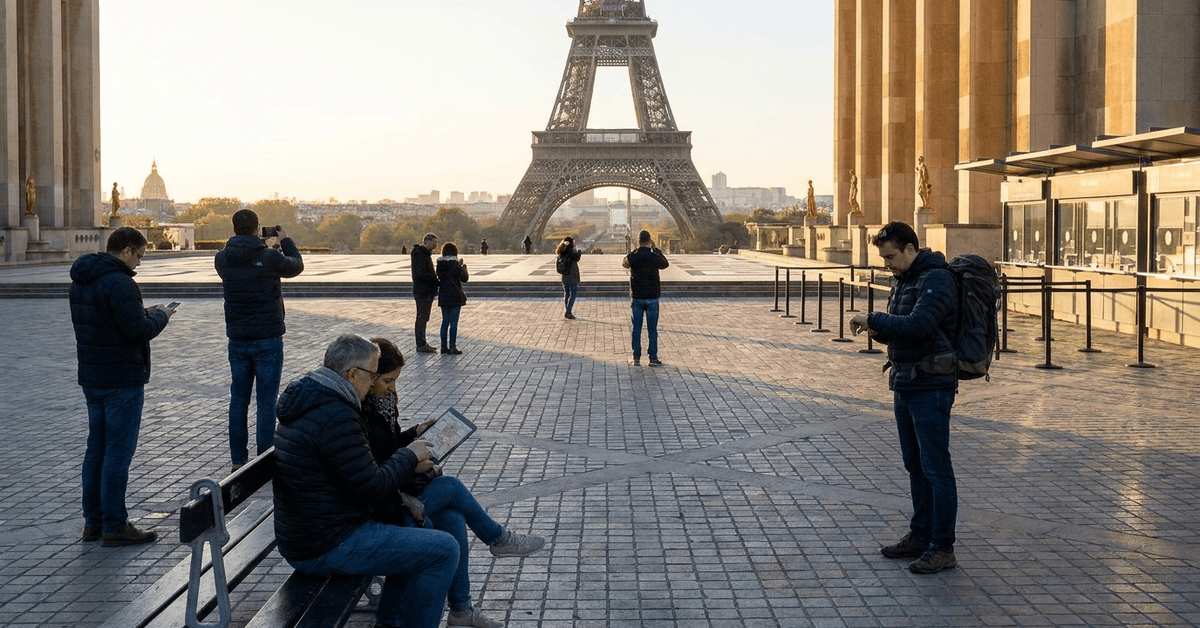
Seeing famous city landmarks is a highlight for many travelers and urban explorers. Crowds can quickly turn a bucket-list stop into a slow-moving hassle.
This guide is designed for city lifestylers, day-trippers, and anyone keen on a smoother sightseeing experience.
The benefit: learning when and how to visit popular city landmarks to enjoy more and wait less, all while staying safe and stress-free.
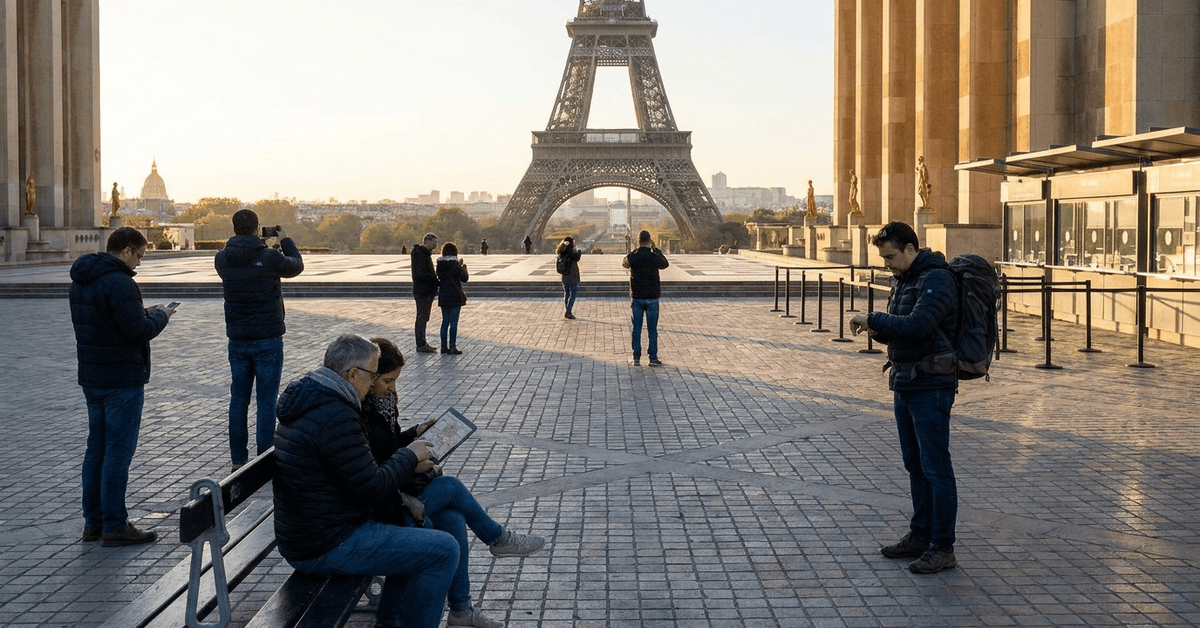
Why Timing Matters for Urban Sightseeing
Crowded spaces mean longer wait times, less personal space, and more stress. During peak hours, attractions can become noisy and overwhelming.
Visiting at the ideal time usually means easier entry, better photos, and an overall more pleasant memory. Timing can genuinely improve your visit from start to finish.
But what is the ‘best time’ for famous city landmarks?
Popular Landmarks and Their Busiest Hours
New York City: Empire State Building
The Empire State Building draws massive crowds during midday and sunset. Typically, the quietest window is right after opening on weekdays. This is when lines are shortest and the observation decks most peaceful.
Paris: Eiffel Tower
Morning hours, especially on weekdays, are the best period to visit the Eiffel Tower. Lines start to form after 10 a.m., with the busiest time right before lunch and early evening.
London: Tower of London
The slowest period for the Tower of London is immediately after opening. Mid-morning to lunchtime on weekends is especially crowded. Late afternoons see a slight drop in visitors, but not as much as mornings.
Tokyo: Sensō-ji Temple
Visiting before 8 a.m. is the sweet spot for Sensō-ji Temple. After 10 a.m., large tour groups and students often fill the grounds, making it more challenging for quiet exploration or photos.
Rome: The Colosseum
Early morning, right at opening time, provides the calmest experience at the Colosseum. After 11 a.m., both lines and group tours swell significantly through late afternoon.
Actionable Tips to Avoid the Crowds
Arrive Early or Late
- Early morning visits, ideally just after opening, give the best shot at peace and quiet.
- Late evening or last-entry slots can also mean fewer visitors, especially on weekdays.
Plan Around Local Holidays and Weekends
- Weekends, public holidays, and school breaks increase foot traffic at attractions.
- Checking local event calendars can help avoid busy periods.
Book Tickets Online in Advance
- Advance booking saves time spent queuing at the entrance.
- Many landmarks offer timed-entry tickets, allowing you to choose a less crowded slot.
Use Crowd-Tracking and Timing Apps
- Google Popular Times (in Google Maps) shows hour-by-hour crowd data based on real user patterns.
- ‘Citymapper‘ often includes crowd indicators for transit and attractions in select cities.
- ‘Get Your Guide’ and ‘Viator’ also display busy periods and available slots for major sites.
Aim for Off-Peak Days
- Mondays through Thursdays typically offer the lowest visitor numbers at most urban landmarks.
- Rainy, colder, or cloudy days work in your favor with smaller crowds, though views may be limited.
Step-by-Step: Planning the Ideal Visit
Planning ahead can help you avoid long lines and enjoy a more relaxed experience at popular landmarks. A few simple steps can make your visit smoother and give you more time to explore.
Research Before You Go
Start by checking the attraction’s official website for opening hours, ticket policies, and seasonal schedules. Use Google Maps to view visitor reviews and estimate travel time from your accommodation.
Find the Quietest Time
Review Google Popular Times to identify when crowds are usually lighter. If timed-entry tickets are available, select a less busy time slot, such as early morning or later in the afternoon.
Book Tickets Early
Reserve your tickets as soon as your travel dates are confirmed. Popular attractions often sell out their most desirable entry times, especially during weekends and holidays.
Arrive Ahead of Schedule
Plan to arrive 10 to 15 minutes before your entry time. If an early visit is not possible, the final admission slot of the day may also offer a quieter experience. Allow extra time for security checks and ticket validation before entering.
Tools and Apps to Optimize Timing
- Google Maps: Shows live and historical crowd stats as well as ‘Popular Times’ bars.
- City-specific apps like ‘NYCgo’ or ‘Paris Passlib”. Both offer alerts for events, closures, and high-traffic warnings.
- ‘Skip the Line’ is a feature on some ticketing platforms and apps that guarantees minimal wait.
Real-World Examples: When to Visit Landmarks in Major Cities
- Empire State Building, New York: Arriving before 9 a.m. avoids both queues and large tour groups.
- Eiffel Tower, Paris: The 8:30 to 10:00 a.m. slot is reliably quiet, especially from November through March.
- Vatican Museums, Rome: Tuesday or Wednesday mornings see the least crowds. Avoid Saturdays and the last Sunday of the month when entry is free.
- Shanghai Tower: Right at opening or during the dinner hour (after 6 p.m.) for the smoothest experience. Weekends are always packed with local visitors.
What to Watch Out For: Safety, Local Policies, and Experience
Popular attractions can manage visitors in very different ways. Some use timed entry waves, while others change opening hours seasonally, limit capacity, or introduce temporary health and security procedures.
Reviewing the latest rules helps prevent delays and confusion.
Check Official Information
Visit the attraction’s official website shortly before your scheduled trip. Confirm opening hours, ticket requirements, bag restrictions, accessibility details, and any temporary closures.
Even information that was accurate when you booked may change before arrival.
Follow Approved Entry Procedures
Use official ticketing platforms, authorized guides, and clearly marked entrances. Unlicensed guides or unofficial apps may provide inaccurate instructions, invalid tickets, or misleading shortcuts that create additional problems.
Avoid Skipping Lines Improperly
Trying to bypass official queues can lead to denied entry, lost money, or safety concerns. If faster access is available, purchase it only through the attraction’s verified channels.
Stay Flexible
Allow extra time for security checks, crowds, and schedule changes. A flexible plan makes the overall experience calmer and easier to enjoy.
Conclusion
Planning the right time to explore city landmarks saves hours, reduces frustration, and allows you to appreciate urban icons at their best.
Knowing which apps to check and how to interpret crowd data transforms the experience from average to memorable.
Whether your goal is a perfect photo, deeper history, or just a break from the bustle, timing makes all the difference. With a little preparation, any busy site can feel personal and special.