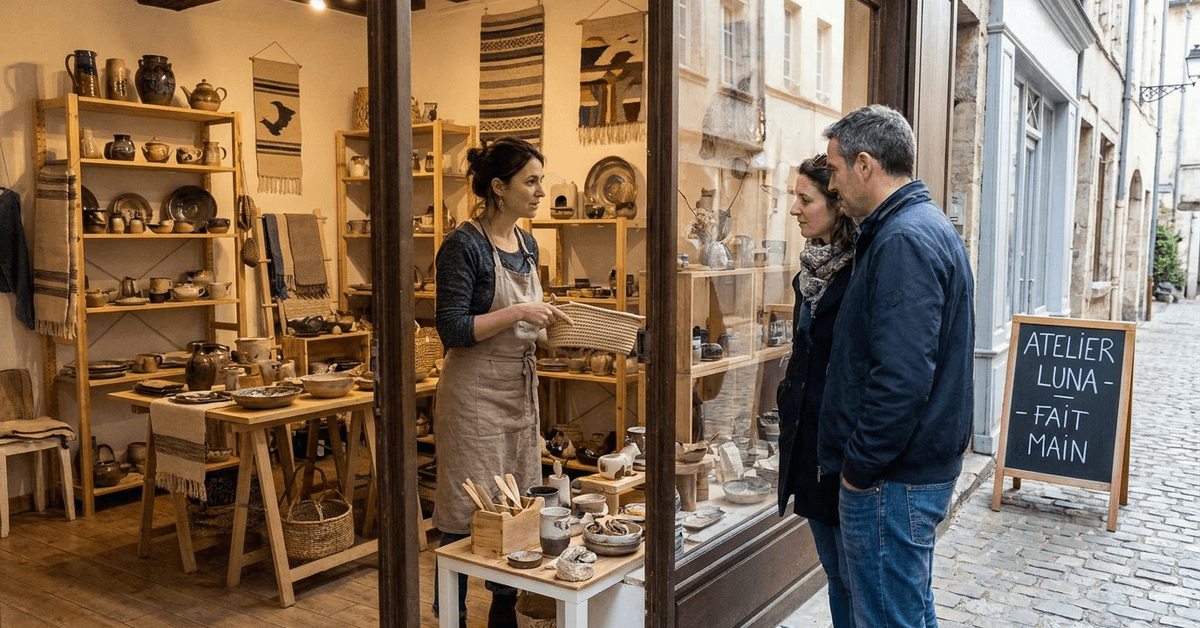
Locating genuine local souvenir shops in any city can seem challenging. Visitors often end up in touristy areas filled with identical trinkets. Yet, those seeking a true piece of a city’s story can find it with the right approach.
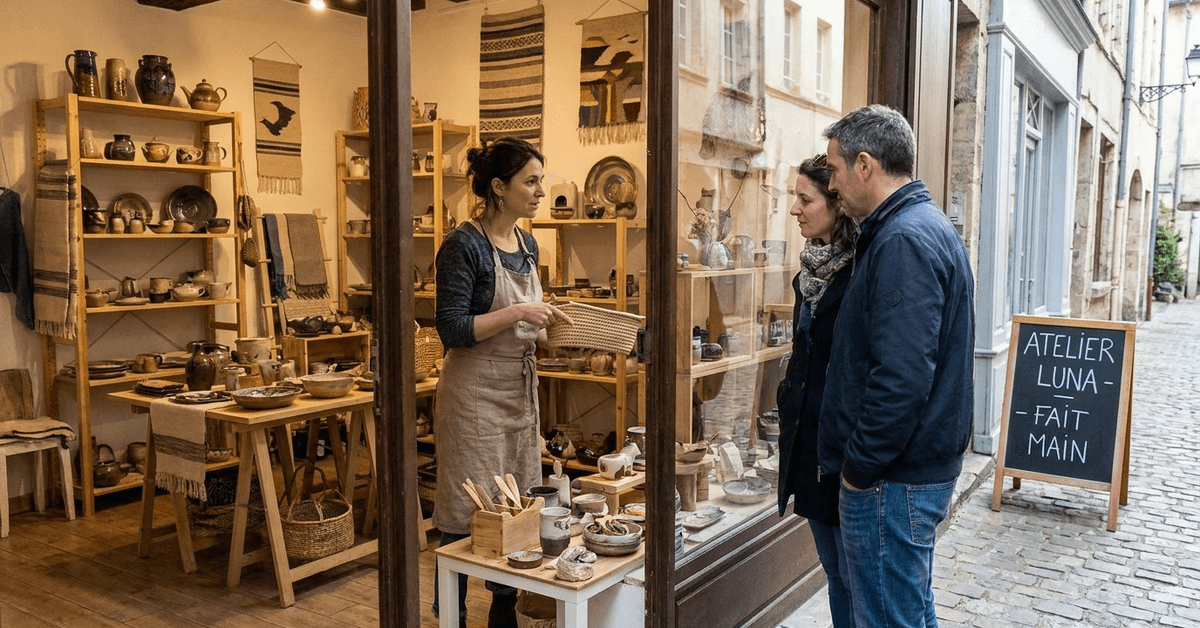
Why Authentic Souvenir Shops Matter
Shopping locally connects travelers with the community. It supports small businesses and helps preserve genuine culture. Unique finds often hold more meaning.
Understanding the Differences: Tourist vs. Local Shops
Tourist Shops
- Located in crowded sightseeing zones
- Stock mass-produced items found in many cities
- Often pricier without better quality
Authentic Local Shops
- Sometimes tucked away in neighborhoods
- Feature handcrafted, region-specific products
- Usually managed by locals with personal stories
How to Recognize a True Local Souvenir Store
- Handmade Goods: Look for artisanal crafts, textiles, or regional art pieces
- Personal Service: Shop owners willing to share background info
- Limited Editions: Fewer quantities imply local curation
- Community Signs: Notice boards announcing neighborhood events
Tools and Apps for Discovering Authentic Shops
- The Maps.me app is known for highlighting off-the-beaten-path spots
- Google Maps: Explore reviews, search keywords like ‘artisan’, ‘vintage’, or ‘concept store’
- Instagram: Hashtag searches can reveal hidden gems, for example, #shoplocal or #[city]handmade
- LikeALocalGuide: Features city-specific recommendations for non-touristy stores
Trusted Strategies for Each City Type
Major European Capitals (e.g. Paris, Rome, Madrid)
- Explore second neighborhoods, not just the center
- Target areas like Le Marais in Paris or Trastevere in Rome for local crafts
- Attend street markets, such as Madrid’s El Rastro
Popular American Cities (e.g. New York, San Francisco, Chicago)
- Head to boroughs or districts renowned for their artisans, like Brooklyn or Mission District
- Check listings in local weeklies or on websites like Time Out
- Look for co-op stores or pop-up markets
Asian Cities (e.g. Tokyo, Bangkok, Seoul)
- Seek out specialty streets, such as Tokyo’s Yanaka Ginza
- Visit artist collectives or regional galleries
- Ask in-person at small restaurants or cafés for shop tips
Simple Steps to Find Authentic Shops Anywhere
Finding genuine local shops takes a little research and curiosity. The goal is to look beyond the most obvious tourist areas and find businesses that reflect the city’s culture, craftsmanship, and everyday life.
Research Local Neighborhoods
Before arriving, identify districts known for independent stores, artisan workshops, or traditional markets. Local tourism websites, cultural blogs, and neighborhood guides can help you narrow down the best areas to explore.
Choose a Few Markets
Select one or two local markets instead of trying to visit every shopping district. Spending more time in one place allows you to compare products, speak with vendors, and better understand what is locally made.
Walk Beyond Tourist Streets
Move a few blocks away from major landmarks and crowded avenues. Smaller side streets often contain family-run shops, studios, and boutiques with more original products and fairer prices.
Read Reviews Carefully
Platforms such as TripAdvisor can be useful, but do not rely only on top-rated listings. Newer reviews may highlight recently opened shops, while lower-rated comments can reveal concerns about quality, pricing, or authenticity.
Ask for Recent Recommendations
Talk to residents, hotel staff, tour guides, or other travelers about their latest discoveries. Local advice often reflects current conditions better than older online lists.
Red Flags to Avoid
Repeated or Generic Products
Be cautious when souvenirs look identical to items sold at airports or in several unrelated stores.
Pushy or Uninformed Sellers
Avoid shops where staff pressure you toward expensive products but cannot explain the materials, maker, or production process.
Signs of Mass Production
Packaging printed in many languages is not automatically suspicious, but it may indicate that goods were manufactured abroad. Ask where the item was made before purchasing.
Maximizing Experience and Value
Shopping for local crafts is more rewarding when you take time to explore thoughtfully. Visiting during quieter hours can lead to better conversations, more personal service, and a deeper understanding of the items you purchase.
Visit at Quieter Times
Mornings and weekdays are often less crowded than afternoons or weekends. A calmer setting gives you more time to ask questions, compare products, and learn about the shop without feeling rushed.
Learn About the Artisan
Ask who made the item, what materials were used, and whether the design has local meaning. These details can make the purchase feel more personal and give you a story to share later.
Request Local Gift Wrapping
Some shops offer gift wrapping that reflects regional styles, colors, or materials. This can make a souvenir feel even more special while saving you time before returning home.
Souvenir Ideas to Consider by Region
France is known for locally made soaps, linens, and small home goods. In Japan, hand-painted ceramics and tenugui cloths are practical and easy to pack. Mexico offers colorful textiles and silver jewelry, while Italy is popular for Venetian masks, leather goods, and olive wood carvings.
Supporting Responsible Shopping
Choose fair-trade shops or sellers that clearly explain their sourcing practices. Look for durable items that will be used for years rather than disposable decorations. Refuse unnecessary plastic bags or excessive wrapping whenever possible.
Connecting With Locals for Recommendations
Hotel or hostel staff can suggest lesser-known stores. Baristas, bartenders, and tour guides often know local artisans, while neighborhood groups and expat communities may share upcoming craft fairs or temporary markets.
Tips for Bargaining and Payment Etiquette
Understanding local shopping customs helps create positive interactions with sellers and ensures a more enjoyable buying experience. Respectful communication is especially important when purchasing handmade or locally crafted items.
Know When to Bargain
In many street markets, polite bargaining is part of the shopping culture. However, prices in galleries, museums, and small artisan shops are often fixed because the proceeds directly support the creators.
Observe local customs or ask respectfully if negotiation is acceptable.
Choose the Right Payment Method
Many vendors accept cards, but carrying some cash can be helpful. In certain cities, cash payments may qualify for small discounts or make transactions quicker at independent shops.
Safeguarding Your Purchases
Taking a few precautions helps protect valuable or fragile items during your trip.
Keep Important Documents
Always request a receipt, particularly for expensive purchases. Ask about export regulations, customs requirements, or tax refund eligibility if you are traveling internationally.
Protect Larger Purchases
For bulky or delicate items, consider using a reputable shipping service offered by the seller. Professional packing and tracked delivery can reduce the risk of damage during travel.
Conclusion
Finding authentic local souvenir shops takes effort, curiosity, and a bit of friendly interaction. Choosing the right shop means cherishing a memory that truly reflects your journey.
Every city has treasures waiting just past the tourist paths—supporting local artisans often leads to more rewarding stories and keepsakes. This approach benefits travelers and communities alike, building richer, more meaningful connections with every purchase.