Cities always reinvent themselves. Sometimes, this means breathing new life into abandoned places. Urban ruins are now transforming into lively public parks that blend history, nature, and creativity.
These spaces offer city dwellers and travelers unexpected oases with both character and local flavor. This article explores five remarkable examples worldwide.
It also explains practical tips for discovering and responsibly visiting urban ruins turned into parks—ideal for curious residents, city explorers, and anyone seeking something different from the usual green spaces.
Why Urban Ruins Turned Parks Are Gaining Popularity
These parks stand out for their layered stories. Remnants of the past mingle with new landscapes. The results are visually striking and often unpredictable.
Historical Layers Spark Curiosity
Visitors are drawn to the visible history. Old tracks, walls, and structures remain in place. It sparks imagination and creates a sense of mystery.
Creative Use of Forgotten Spaces
Cities are running low on empty land. Repurposing ruins offers fresh gathering spots. Communities benefit from green oases while preserving heritage.
Unique Activities and Photo Spots
These parks offer settings you cannot fake. Crumbling bricks, overgrown corridors, or industrial relics create stunning backdrops for events and pictures.
5 Incredible Urban Ruins Now Flourishing as Public Parks
1. The High Line – New York City, USA
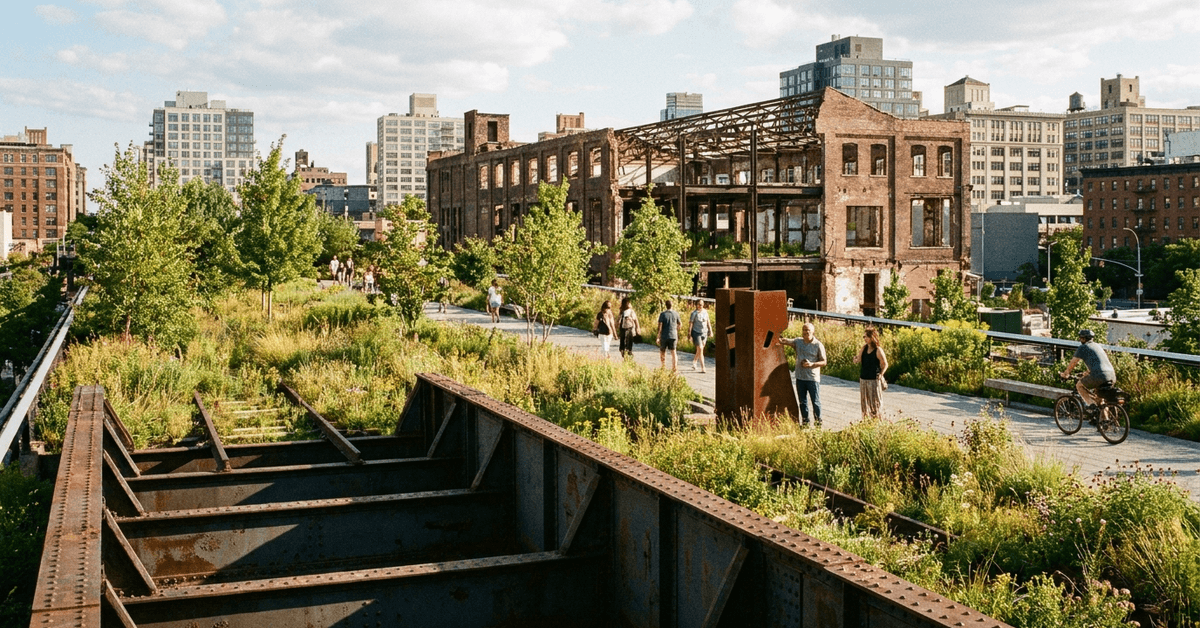
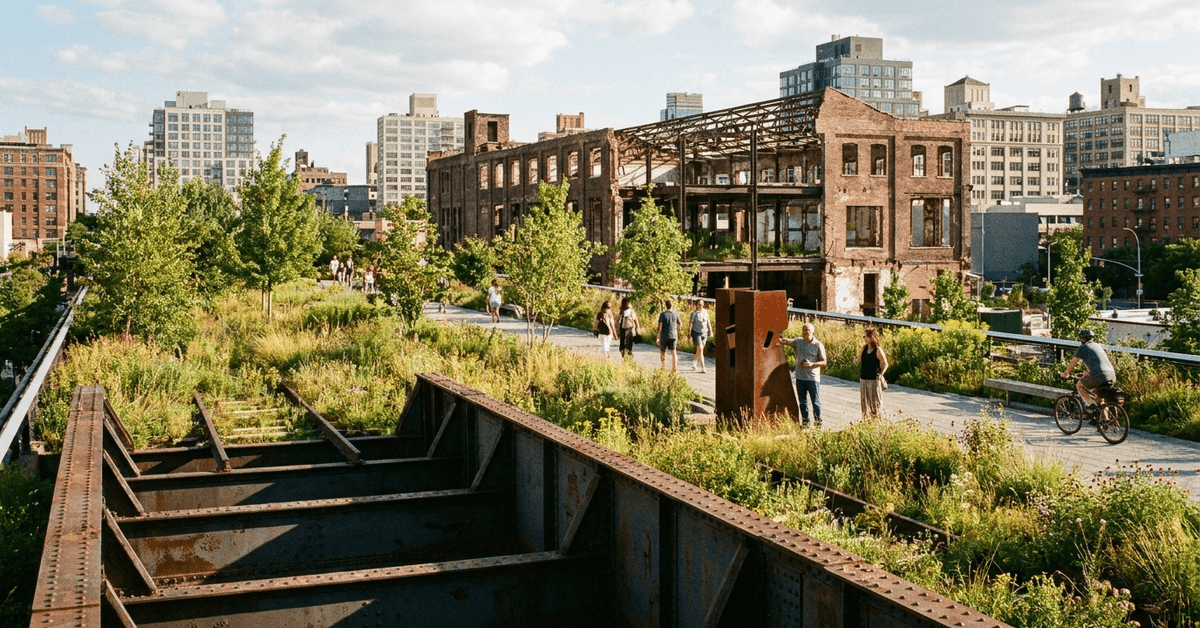
The High Line sets the global standard. This park follows an old elevated freight rail line above Manhattan’s West Side. Instead of being demolished, it was transformed into a mile-and-a-half walkway full of wildflowers, art, and panoramic city views.
- Tracks, platforms, and historic steelwork are still visible.
- The Friends of the High Line app helps plan self-guided tours and events.
- Cafés and food stands pop up along the route.
Timing a visit at sunset rewards walkers with great light and fewer crowds. The nearby Chelsea Market is an easy refueling stop.
2. Tempelhofer Feld – Berlin, Germany
Once a massive airport, Tempelhofer Feld became one of Europe’s largest urban parks. Giant runways now host rollerbladers, cyclists, and kite surfers. Grassland and garden plots fill the space between hangars.
- Historic terminal buildings form dramatic backdrops for events and sunbathers.
- The Komoot app is useful for mapping the best entry points and exploring the park’s scale.
- Some guided tours visit the preserved Nazi-era bunkers on site.
On weekends, locals organize BBQs and flea markets. The vibe feels both free-spirited and distinctly Berlin.
3. Parque Biblioteca España – Medellín, Colombia
In the hillside Santo Domingo neighborhood, the city converted abandoned spaces into the lively Parque Biblioteca España. The angular black library buildings rise like boulders out of the old streetscape, surrounded by terraced gardens.
- The area was once neglected but now draws families, students, and tourists.
- Carros de línea cable cars, part of Medellín’s transit, make access from the city center easy.
- Local guides (booked via tours or hostels) offer valuable insight into the area’s transformation.
Residents use the park for reading, music, and community classes. The contrast between its rough past and hopeful present is striking.
4. Parc des Buttes-Chaumont – Paris, France
Once a gypsum quarry and garbage dump, Buttes-Chaumont witnessed a radical transformation during the 19th century. Today, steep cliffs, artificial lakes, and faux-Roman temples attract joggers, picnickers, and dreamers.
- The park’s rugged terrain was shaped from leftover industrial land.
- Citymapper app can assist with reaching the unusual northern Paris location.
- Caves and swinging bridges create a sense of adventure without leaving the city.
Some say spring offers the prettiest views, but each season gives a unique atmosphere to the grounds.
5. Gas Works Park – Seattle, USA
This lakeside park preserves remnants of the former Seattle Gas Light Company plant. Graffiti-covered towers, rusting tanks, and winding paths set the stage for picnics, festivals, and flying kites across Lake Union.
- Original machinery now forms a play space for kids and photographers.
- The Seattle Parks & Recreation website shares upcoming community happenings here.
- Scenic panoramas of downtown Seattle are best at golden hour.
This is one of the rare city parks where history, industry, and open space blend seamlessly for all ages.
How to Find Urban Ruins Parks Near You
Each city’s approach is different. Discovering these parks takes a little research, curiosity, and local knowledge.
- Look at official city park lists for references to “redevelopment,” “reclamation,” or “historic sites.”
- Community forums, such as Reddit’s city-specific pages, often highlight unusual spots.
- Urban explorer groups sometimes post photo guides and step-by-step directions.
- Tourism board websites may feature city renewal projects or hidden gems.
Apps like AllTrails and Komoot let users search by “urban trail” or “historic parks” filters. Reading recent reviews can give current tips about access and safety.
Tips for Exploring These Parks Respectfully and Safely
Historic and restored parks can offer a memorable experience, but visitors should take a few precautions to protect both themselves and the site. Planning ahead helps make the visit smoother while preserving fragile spaces for future guests.
Respect Local Rules
Pay attention to posted signs, barriers, and staff instructions throughout the park. Some areas may be closed because of restoration work, unstable structures, protected plants, or safety concerns.
Stay on marked paths and avoid entering restricted spaces, even when they appear accessible.
Prepare for Mixed Terrain
Older parks may include cracked pavement, stone paths, steep steps, or slippery surfaces.
Wear supportive shoes with reliable grip to reduce the risk of falls. Bringing water and light snacks can also make longer walks more comfortable, especially for families with children.
Time Your Visit Carefully
Early mornings and weekday afternoons are often quieter than weekends. Before leaving, check the park’s official opening hours, temporary closures, and visitor guidelines.
This helps prevent disappointment, accidental trespassing, and unnecessary delays.
Conclusion
Urban ruins turned public parks demonstrate city life’s potential for creativity and rebirth. These spaces not only preserve snippets of history but also deliver green refuges to residents and visitors alike.
Finding and enjoying these parks adds depth to any city adventure. Apps, local research, and an open mind help make each visit memorable.
Whether you discover a major landmark like the High Line or stumble onto a hidden corner, urban renewal parks offer new ways to see both cities and yourself.