Living in an apartment, especially in a busy city, brings unique challenges for package delivery security. As e-commerce grows, so do concerns about lost or stolen parcels.
Residents, landlords, and building managers all share a stake in keeping packages safe. This guide uncovers the strategies that work—and the tools that make a difference.
Why Package Security Is a Top Concern in Urban Apartments
Packages left in unsecured entryways attract theft in cities with busy lobbies or high foot traffic. A single missed delivery can quickly become a lost item. Some buildings have had to change protocols after repeat incidents.
In cities like New York, London, and Toronto, rising e-commerce has made effective delivery solutions essential for city dwellers. Surveys reveal that more than 25% of residents in some neighborhoods have experienced package theft.
Common Delivery Security Risks in Apartment Buildings
Unattended Lobbies
Lobbies without package lockers or a front desk invite risk. Delivery people often have no choice but to leave packages in plain sight. Some buildings post signs, but these rarely stop determined thieves.
Shared Entryways
Multiple units often share a single entrance or mailroom. Packages for different residents can get mixed up or even picked up by mistake. Confusion, not always criminal intent, can lead to lost parcels.
Limited Delivery Access Policies
Many buildings restrict access for security. While this makes the building safer, it can also force delivery drivers to leave packages in less secure spots outside the building. Weather and vandalism become extra risks.
Best Practices for Residents to Improve Package Security
Choose a Secure Delivery Location
- Select the building package room if available.
- Parcel lockers, now routine in cities like San Francisco and Amsterdam, can provide a high level of safety.
- Some apps, such as Amazon Hub, offer delivery to nearby secure pickup stations instead of the doorstep.
Use Delivery Instructions
- Most carriers (UPS, FedEx, Canada Post) and food apps now allow custom instructions in their app or delivery profile.
- Notes such as “Leave with concierge” or “Ring before drop-off” help drivers choose the safest option allowed by the building.
Track Packages in Real Time
- Major cities offer great mobile tracking tools for parcel status, such as ParcelTrack or the built-in notifications in UPS My Choice.
- Some users pair SMS alerts with smart home cameras to get instant delivery confirmation, especially for time-sensitive deliveries.
Install Video Doorbell or Security Cameras
- Modern video doorbells can capture package drop-off, adding a layer of accountability for both delivery workers and residents.
- For tenants, checking if building rules allow personal cameras in hallways is important before installation.
Strategies for Apartment Owners and Managers
Implement Smart Parcel Lockers
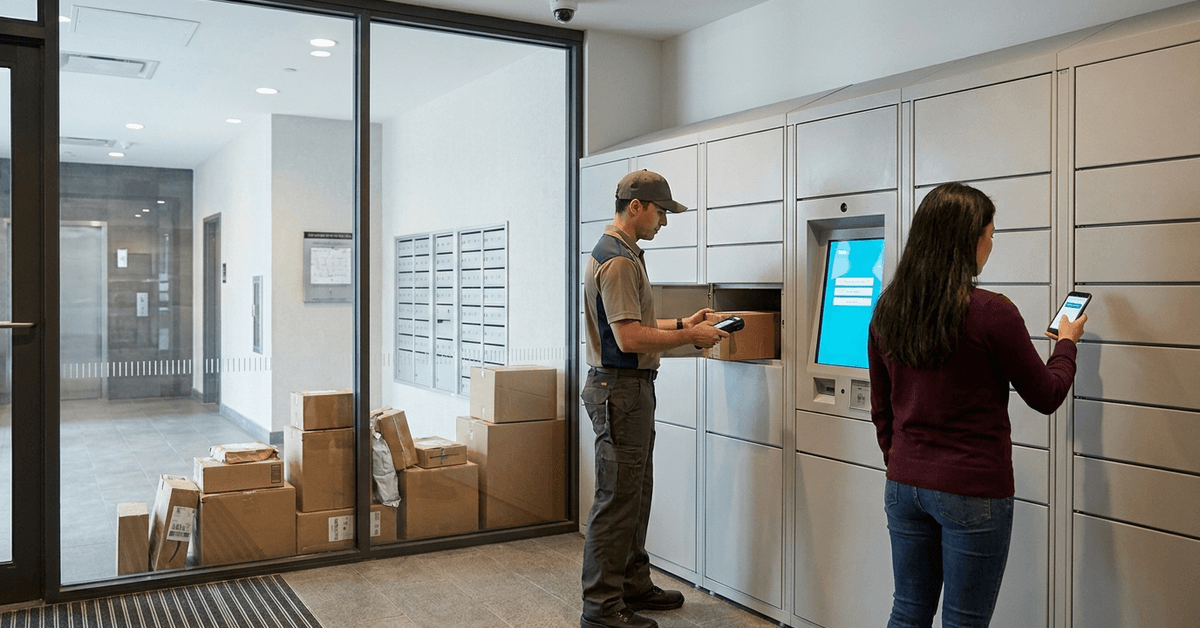
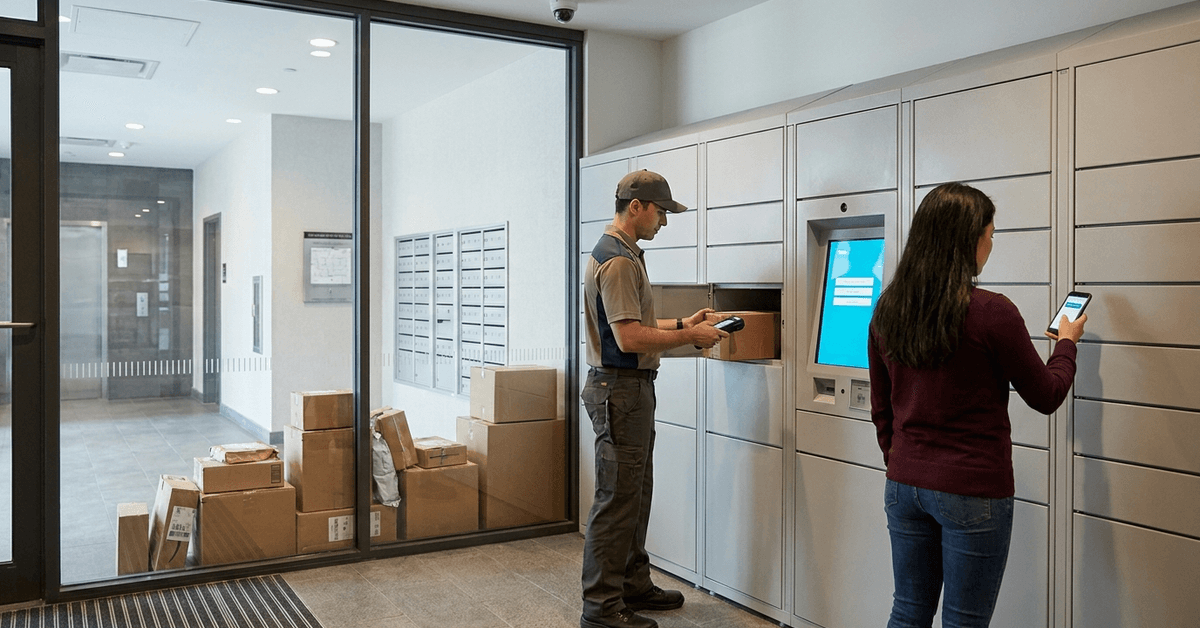
Many newer buildings in Berlin, Vancouver, and Singapore install smart lockers like Luxer One or ButterflyMX. These help residents collect parcels securely using a PIN or app access. Landlords partner with delivery services to coordinate drop-offs.
Employ Front Desk or Concierge Services
- Staff can verify, sign for, and safely store deliveries.
- Concierge services are common in upscale apartments in cities such as Dubai or Sydney.
Create a Secure Package Storage Policy
- Written policies clarify responsibilities for storage, pickup timeframe, and unclaimed items.
- Clear signage and communication with residents decrease confusion and disputes.
Integrate Security Tech and Access Control
- Systems like Latch give approved delivery providers temporary building access, recorded by a digital log.
- Access codes can be shared for single-use entry—common in modern US apartment complexes.
Useful Apps and Tools for Delivery Security
- Parcel Pending(US): offers smart lockers and resident notifications.
- Canada Post FlexDelivery: reroutes packages to post office counters for easy, safe collection.
- UPS Access Point: delivers to local stores or kiosks instead of the apartment if desired.
- BoxLock: secures packages in smart lockboxes outside apartment doors.
City-Specific Tips to Handle High-Risk Delivery Times
Package theft often increases during predictable periods, especially in large cities where deliveries are frequent and many residents are away from home. Planning around these higher-risk times can help protect important orders.
Watch Peak Package Theft Seasons
December and January are particularly busy because holiday shopping creates a sharp rise in deliveries. Packages may remain unattended longer as carriers manage heavier routes.
Mid-day, roughly between 11 a.m. and 3 p.m., can also be risky because many residents are at work, school, or running errands. When possible, avoid scheduling valuable deliveries during these hours.
Adjust Delivery Scheduling
Choose evening or weekend delivery windows when someone is more likely to be home. Some services in cities such as Paris and Chicago may offer appointment-based or after-hours drop-offs, giving recipients more control over timing.
Coordinate With Trusted Neighbors
Residents can create a group chat or bulletin board for “package buddy” arrangements. Trusted neighbors can collect deliveries for one another, especially during holidays, vacations, or other busy periods when unattended packages are more vulnerable.
How to Respond If a Package Is Lost or Stolen
Acting quickly can improve your chances of locating a missing delivery or receiving a replacement. Start by checking the tracking history, building delivery logs, package rooms, and available security footage.
Ask neighbors or front-desk staff in case the parcel was accepted or placed somewhere unexpected.
Contact the Carrier and Retailer
Report the missing package to the carrier immediately and ask whether redelivery, GPS confirmation, or a driver investigation is available. If tracking shows the parcel as delivered, contact the retailer to request a refund, replacement, or formal claim review.
File a Police Report When Needed
For suspected theft, consider filing a police report where local procedures allow it. Some retailers, credit card protections, and insurance policies may require this document before approving compensation.
Supporting a Package-Smart Apartment Community
Residents and management should share feedback about repeated delivery problems. Regular safety notices, awareness sessions, and updated delivery rules can help identify patterns early.
Larger buildings may also benefit from a resident-led package committee that reviews security concerns and suggests practical improvements.
Conclusion
Package security in apartment buildings is never just one person’s problem. Cities with high-density living need layered solutions.
Smart lockers, clear delivery instructions, and real-time tools can make a major difference. Residents who stay alert, work together, and use available tech see fewer issues and less stress.
Landlords and managers who invest in secure infrastructure reduce theft, raise tenant satisfaction, and future-proof their properties. It’s not only about preventing a lost box—it’s about building trust and a sense of community, every day, one delivery at a time.