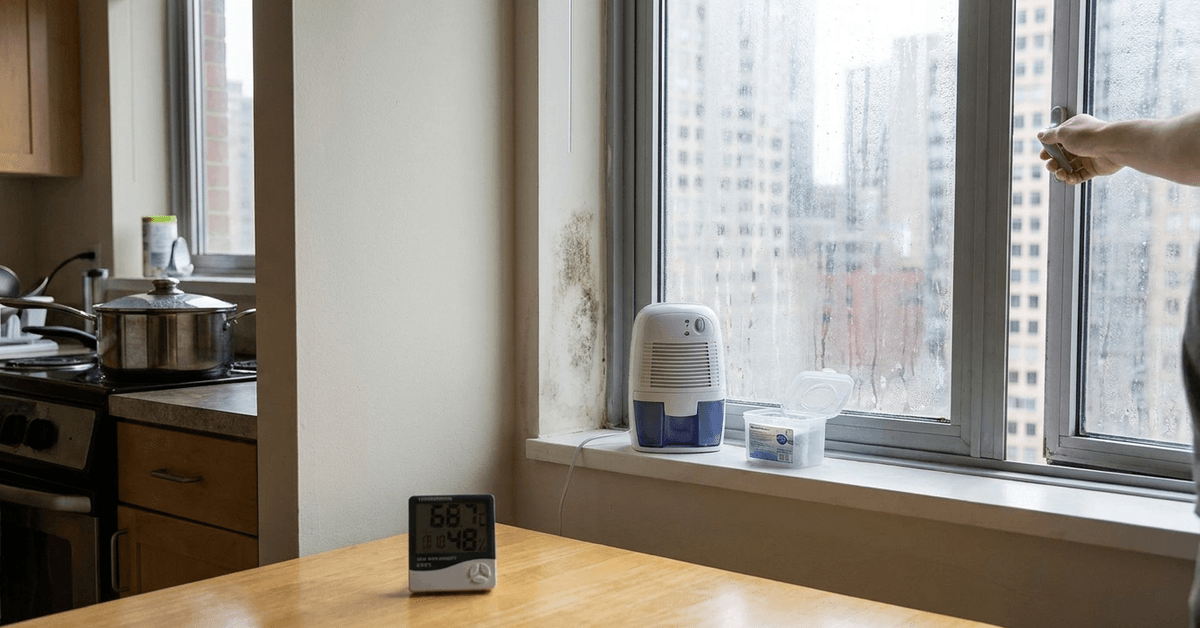
Indoor humidity and mold are common concerns for apartment dwellers, especially in dense urban areas. Too much moisture can lead to uncomfortable living, health risks, and property damage.
Managing these challenges is simpler than it might seem. For city residents wishing for a fresher, safer home, the right steps can make a noticeable difference.
Why Apartment Humidity Is a Problem
Cities like New York, London, and Singapore have diverse climates, but high humidity is common in most apartment settings. Tight insulation, frequent cooking, and poor ventilation raise indoor moisture quickly.
High humidity encourages mold and dust mites. These can worsen allergies, asthma, and sometimes cause fatigue or headaches. Preventing these problems needs an understanding of how moisture builds indoors.
How Humidity Affects Mold Growth
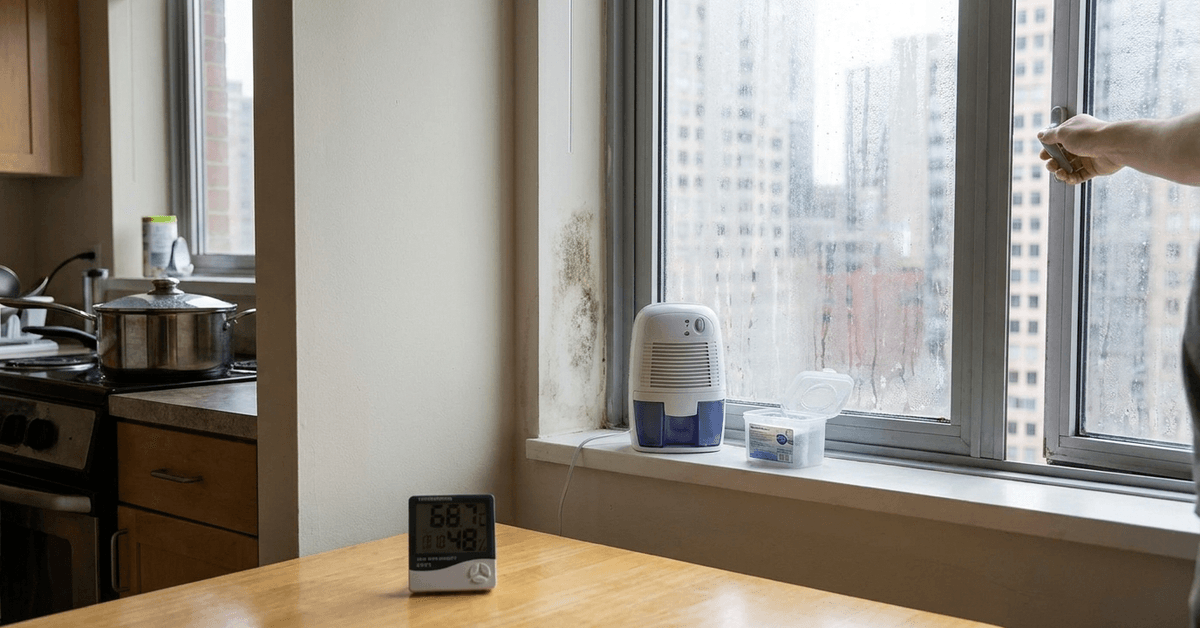
Mold loves humid spaces. It thrives where air can’t circulate, such as behind furniture or near windows. Even apartments above the ground floor are at risk, especially during humid months.
Mold grows best above 60% humidity. Bathrooms, kitchens, and basements are the most notorious spots. Often, the first sign is a musty smell, not always visible mold.
Optimal Indoor Humidity for Comfort
The recommended indoor humidity range is generally 30% to 50%. This range limits mold growth and supports healthy breathing. Outside this level, windows fog up and surfaces feel damp.
Too low humidity is uncomfortable, but rarely dangerous for mold. Too high, and mold can appear within days.
Humidity-Reducing Habits for Apartment Living
- Keep windows open for at least ten minutes daily, even in winter if possible.
- After hot showers, wipe down wet bathroom walls and mirrors.
- Set lids on pots when boiling water to reduce steam release.
- Dry laundry outside the living area or use a vented dryer.
A small change in daily routines lowers humidity quickly. Sometimes it helps to set reminders on a phone or calendar until these habits feel routine.
Choosing and Using Humidity Monitors
A reliable digital hygrometer is a great investment for any urban home. These small devices monitor humidity in real time and alert to spikes.
Many models, such as the ThermoPro TP50 or Govee WiFi models, cost less than a night out. Placing one in every major room helps track which areas need extra attention.
Ventilation Solutions for City Apartments
Simple Window Strategies
Opening windows, even briefly, replaces moist air with fresh outdoor air. If outdoor air pollution is a problem, open windows when traffic is minimal or after rainfall.
Exhaust Fans and Maintenance
The bathroom and kitchen fans should be strong and functional. Cleaning filters every few months is essential. If a fan feels weak, consider a replacement for better airflow.
Smart Ventilation Devices
For urban apartments with sealed windows, consider investing in a ventilation system like the Panasonic WhisperGreen or Tion 3S. These add fresh air without outdoor irritants.
Dehumidifiers: A Practical Tool
A portable dehumidifier is effective for controlling moisture in midsize apartments. It’s especially useful in climates like Miami or Hong Kong, where humidity remains high year-round.
- Use dehumidifiers in closets, bathrooms, or bedrooms with frequent dampness.
- Empty the water tray regularly to prevent overflow.
- Choose a model with adjustable humidity settings for better control.
Detecting and Managing Mold Early
- Look for black, green, or white spots on walls, window frames, and around air conditioners.
- Notice odd, persistent odors, especially after rain or hot weather.
- Consider the Mold Busters app for early detection tips and expert checklists.
Early action is key. Small outbreaks clean up easily compared to infestations left unchecked.
DIY Mold Removal Guidelines
Small mold patches may sometimes be cleaned at home, but safety should remain the priority. Before starting, identify and address the moisture source, since mold is likely to return if leaks, condensation, or poor ventilation continue.
Clean Minor Areas Carefully
For a small surface patch, use white vinegar or baking soda mixed with water. Apply the solution gently, avoid excessive scrubbing, and dry the area completely afterward. Never mix cleaning products, especially vinegar and bleach.
Wear Protective Equipment
Use gloves, a well-fitting mask, and eye protection while cleaning. Keep windows open or run an exhaust fan when possible. Children, pets, and anyone with breathing problems should stay away from the area during treatment.
Watch for Returning Mold
Check the cleaned surface over the following week. If mold returns quickly, report the issue to your landlord, building manager, or maintenance team. Repeated growth may indicate a hidden leak or ventilation problem.
Know When to Call a Professional
Large, spreading, or persistent mold areas should be handled by trained specialists. Professional assessment is also recommended when mold affects ceilings, walls, insulation, or heating and cooling systems.
Useful Apps and Tools for Humidity Management
Digital tools can make indoor humidity easier to monitor and control. They help apartment residents identify sudden changes, plan ventilation, and report serious moisture concerns before mold or property damage develops.
Track Humidity Over Time
The SensorPush app works with compatible wireless sensors to record temperature and humidity readings throughout the day. Users can review historical patterns and receive alerts when moisture levels rise or fall beyond chosen limits.
Plan Ventilation and Laundry
Weather apps such as AccuWeather can help you identify suitable times for opening windows or drying laundry. Checking outdoor humidity, rain forecasts, and temperature conditions may prevent additional moisture from entering the apartment.
Report Building Problems
Apartment management platforms such as BuildingLink allow residents to report leaks, condensation, damp walls, or ventilation problems directly to landlords and maintenance teams. Adding photos and detailed notes can make the issue easier to assess.
Review Patterns Regularly
Check app records after cooking, showering, or drying clothes indoors. Repeated spikes may reveal habits or building problems that require better ventilation, a dehumidifier, or professional maintenance.
Best Practices in Specific Cities
New York City
Humidity rises in summer, so air conditioning doubles as a dehumidifier. Make AC servicing an annual habit for efficiency and clean airflow.
London
Older buildings are prone to damp due to poor insulation. Look into window insulation kits and regularly ventilate to prevent moisture buildup.
Singapore
High outdoor humidity year-round makes dehumidifiers essential. Many residents use moisture absorber packs in closets for extra peace of mind.
Safety Precautions with Chemical Dehumidifiers
Desiccant packs and moisture absorbers are helpful for small, enclosed spaces. Keep these products out of reach of children and pets. Choose unscented options to limit chemical exposure indoors.
Conclusion
Managing indoor humidity in city apartments combines mindful habits, modern tools, and regular checks. Choosing the right strategies, especially for buildings in rainy or hot climates, cuts mold risks and keeps homes comfortable.
Staying proactive with monitoring and air circulation means healthier air and less costly repairs in the long run. Even small lifestyle tweaks can overhaul air quality and the overall feel of urban living spaces.