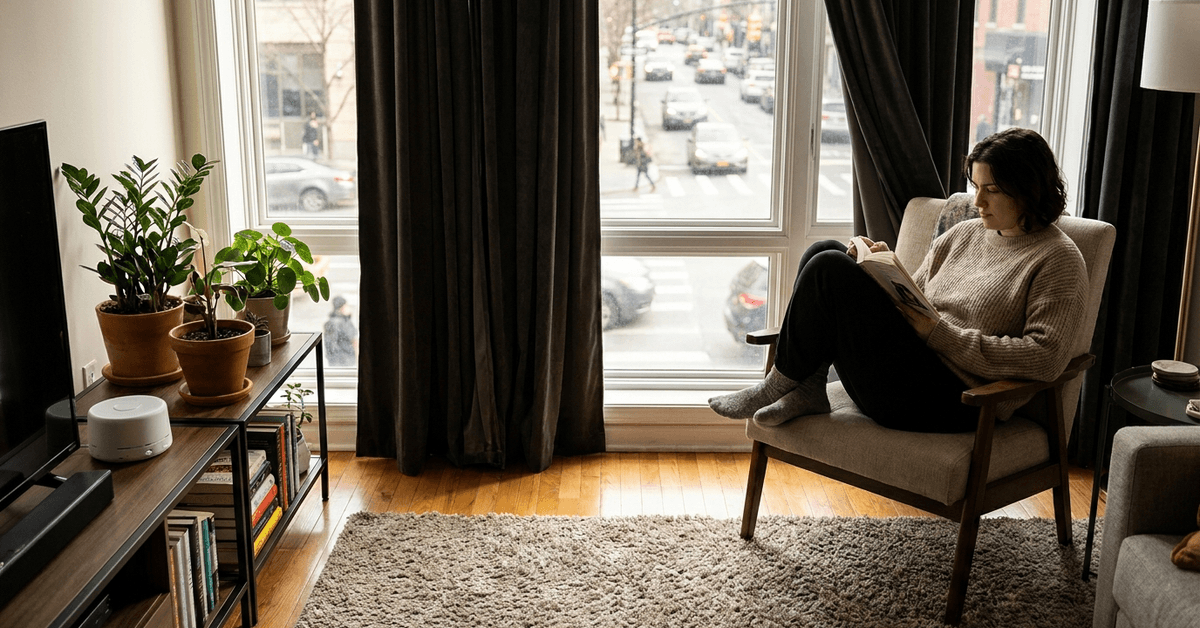
Excessive noise in apartment living is one of the biggest challenges faced by people in busy cities.
Constant sounds from neighbors, traffic, and nearby businesses can impact sleep and comfort. Whether in New York, London, or Mumbai, noise issues are common for many residents.
This article explores real-world methods to reduce unwanted sounds and reclaim quiet at home. Tips here apply to renters, homeowners, and anyone seeking relief from city clamor.
Why Excessive Noise Happens in Urban Apartments
Most city apartments have thinner walls, large shared spaces, and constant outside activity. This leads to more sound transmission compared to suburban homes.
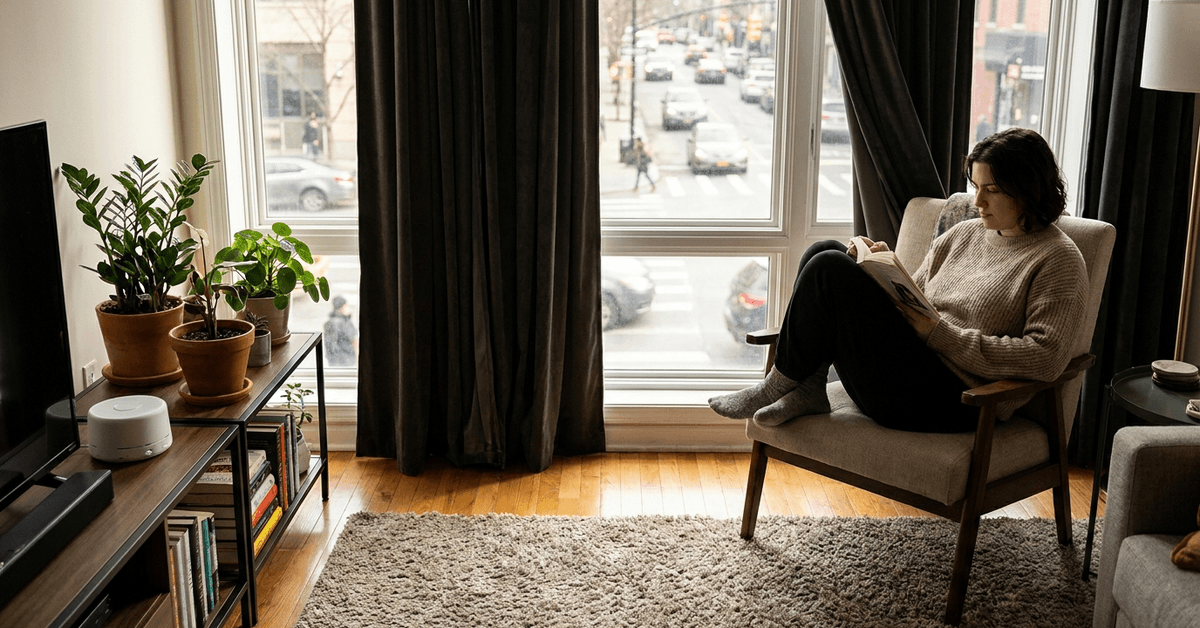
Common sources include conversations, footsteps, barking dogs, music, loud appliances, as well as traffic or emergency vehicles outside.
City Environments with Notable Noise
- Manhattan (nightclubs, sirens, construction work)
- Paris (café patios, street festivals near apartments)
- Bangkok (motorbike traffic below condos)
No matter where you are, noise is a shared city reality, but some cities are especially vibrant.
Immediate Steps to Reduce Indoor Noise
There are simple adjustments anyone can make to block or muffle noise inside an apartment. Even small changes help.
Essential Soundproofing Materials
- Weatherstripping for door and window gaps
- Heavy blackout curtains for windows
- Thick area rugs or foam mats on hard floors
- Fabric wall hangings or bookshelves against shared walls
A combination of these can reduce both street and neighbor noise quickly.
Furnishing Choices that Help
- Couches or armchairs placed close to walls add an extra buffer
- Full bookshelves absorb high-frequency sounds
- Plants with large leaves help dissipate background echoes
Think of every surface as both a sound pathway and a potential sound block.
How to Address Noise from Neighbors
Noise from neighbors can be difficult to manage because it involves both comfort and personal relationships. Calm communication is often the best first step, but the conversation should be handled carefully to avoid unnecessary conflict.
Approach the Issue Tactfully
Choose a reasonable time when neither person is rushed, upset, or actively dealing with the noise. Keep the conversation short and polite.
Mention specific situations, such as loud music after midnight or repeated furniture dragging, instead of making broad accusations. This makes the concern easier to understand and less personal.
Suggest Practical Solutions
When possible, offer simple compromises. You might agree on quiet hours, ask for advance notice before a gathering, or suggest moving speakers away from shared walls.
A friendly note or small gesture, such as offering coffee, may help create a calmer tone. However, not every neighbor will respond positively.
Know When to Contact Management
If direct communication does not work, begin documenting dates, times, and the type of recurring noise. Review building or HOA rules before submitting a respectful written complaint.
Property managers may be able to issue reminders, enforce policies, or mediate the problem. Local noise ordinances may offer additional options, but lower-conflict solutions are usually best to try first.
Using Apps and Tools to Monitor and Mask Noise
Modern technology helps city dwellers both track noise levels and create customized calming sound environments.
Top Noise Measurement Apps
- Decibel X for accurate real-time noise level readings
- SoundPrint to identify quiet “safe spots” nearby for work or relaxation
Tracking decibels provides objective data, helpful for conversations with neighbors or landlords.
Effective White Noise and Sound Masking Tools
- LectroFan and Marpac Dohm (popular white noise machines)
- Sleepa and Noisli (customizable calming sound apps)
Layering steady background sound can make sudden noises less disruptive, especially while working or sleeping.
Steps for Legal and Lease-Based Solutions
When noise becomes persistent, severe, and disruptive, formal action may be necessary. Legal or lease-based remedies are usually best treated as a final step after speaking with neighbors, contacting building management, and trying practical solutions.
Understand Local Noise Laws
Research your city’s quiet hours, permitted sound levels, and complaint procedures. Municipal websites in cities such as Toronto or Berlin often publish guidance on residential noise, construction hours, music, and repeated disturbances.
If violations continue, submit a written complaint to the appropriate city department. Include dates, times, descriptions, and any supporting evidence.
Review Your Lease
Check your rental agreement for a “quiet enjoyment” clause or other rules related to noise and tenant conduct. These terms may require landlords to address serious disturbances that interfere with normal use of the property.
Document the Problem
Keep a written noise log and save emails, messages, recordings, or complaint reference numbers. Clear records can strengthen your case with management or authorities.
Seek Tenant Support
Contact tenant advocacy groups, housing offices, or legal aid services for guidance. In the UK, Citizens Advice may help explain available options.
In rare cases, ongoing disturbance may support early lease termination, depending on local law and contract terms.
Building Community for Long-Term Noise Solutions
Ongoing noise issues sometimes reflect broader building habits rather than one isolated problem. Working with neighbors can create fairer expectations, improve communication, and encourage management to take repeated concerns more seriously.
Form a Resident Group
Create a simple group chat using WhatsApp, Nextdoor, or another familiar platform. Keep discussions respectful and focused on shared concerns rather than blaming individuals.
Residents can compare experiences, identify recurring patterns, and agree on practical building quiet hours. Clear expectations may reduce late-night music, hallway noise, or disruptive common-area activity.
Approach Management Together
A unified request often carries more weight than several separate complaints. Residents can prepare a short summary of the problem, include dates or examples, and suggest realistic solutions such as reminders, improved insulation, or clearer building policies.
Protect Personal Wellbeing
Community action may take time, so personal coping strategies remain important. Meditation apps such as Headspace can help reduce stress and improve focus when background noise is difficult to control.
Regular exercise, outdoor walks, and quiet time away from home can also relieve urban tension. Noise may never disappear completely, but supportive neighbors and steady wellness routines can make it easier to manage.
Conclusion
No city apartment is ever completely quiet, but managing intrusive noise is possible. With a blend of soundproofing, negotiation, smart tools, and local policies, even busy streets or active neighbors become more manageable.
In real urban life, perfection seldom happens, but even small changes make a real difference in rest and peace. Every city resident deserves a sanctuary, even if just a little quieter than yesterday.