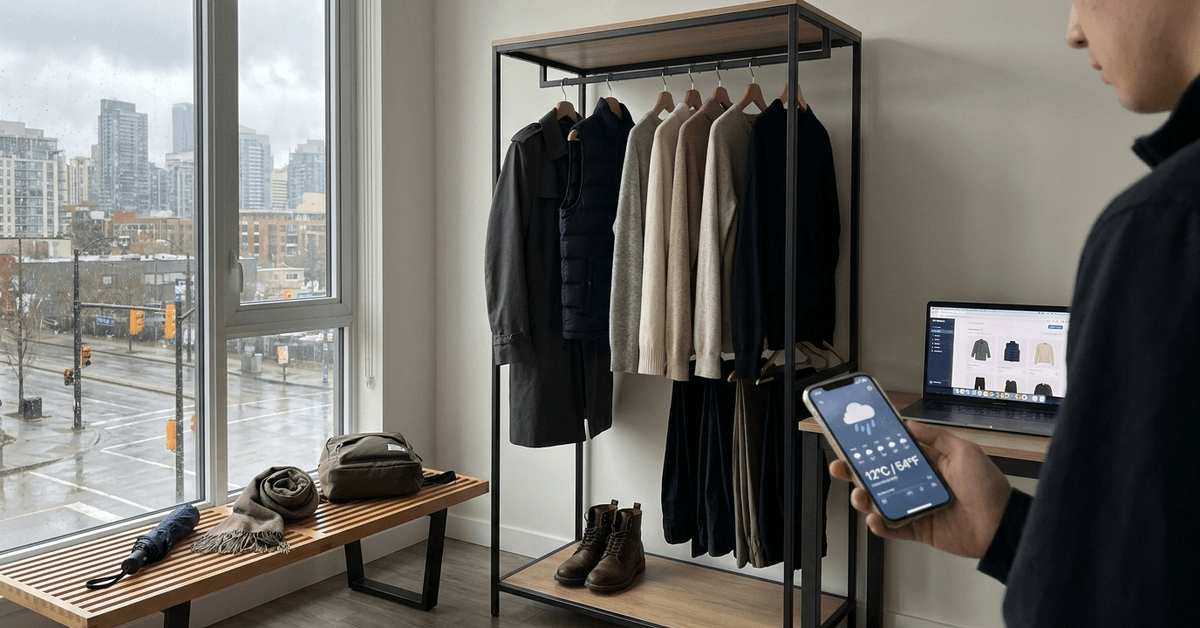
Managing your wardrobe in a city with rapidly shifting weather, like London or New York, can feel overwhelming. A capsule wardrobe offers a practical solution, helping urban dwellers dress smart and light year-round.
Understanding Capsule Wardrobes for Urban Environments
A capsule wardrobe is a small, curated clothing collection designed for mixing and matching. Versatility is the focus, making it ideal for urbanites facing daily weather surprises.
With city weather that can turn in minutes, having adaptable pieces saves time and space. This method works well if your apartment has limited storage or you travel across town regularly.
Why Urban Weather Demands a Flexible Approach
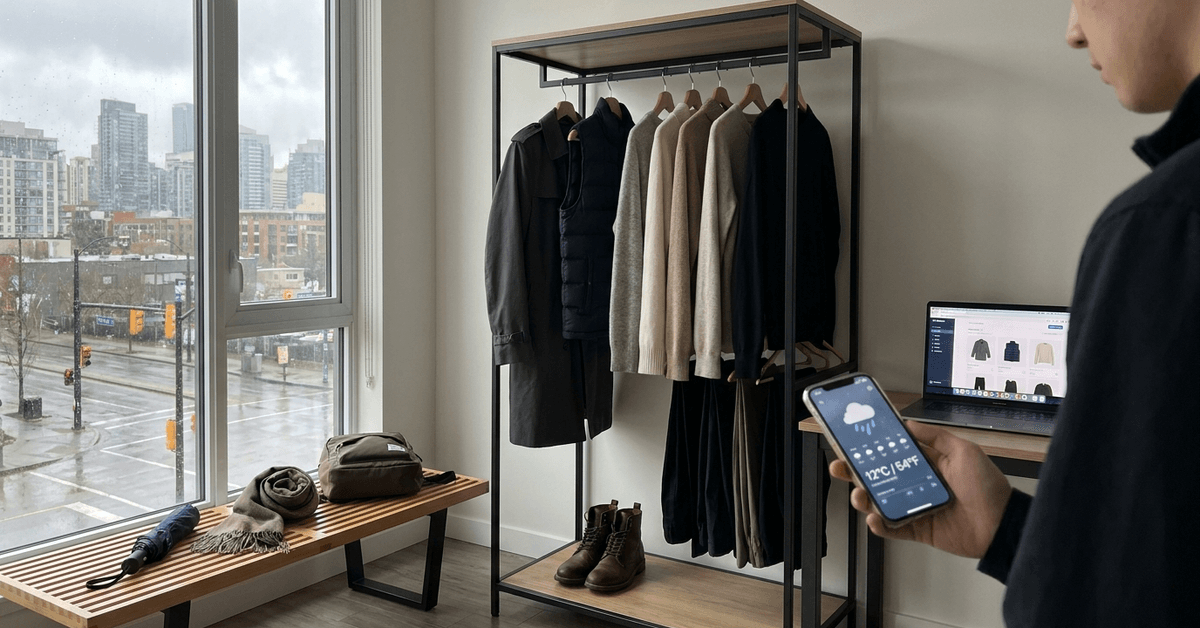
Urban climates often bring quick changes—morning fog, afternoon sun, sudden rain. In cities like Amsterdam or San Francisco, layers are key.
This unpredictability means single-purpose outfits rarely work. Clothes that transition from dry to wet, or cold to warm, build real value over time.
Core Principles for Building a Weather-Proof Capsule Wardrobe
Moving toward a capsule system starts with a few key principles. First, focus on neutral colors. Neutrals blend easily and disguise minor spots, keeping you presentable through any storm.
Second, select multi-season fabrics, like merino wool or lightweight synthetic blends. These keep you comfortable in variable conditions.
Third, choose layering items, such as compact sweaters or thin jackets. Urban layering lets you adjust as the day—and temperature—changes.
Step-by-Step: Creating Your Capsule Wardrobe
Assess Your Local Climate Patterns
Start by checking recent seasonal patterns. Apps like AccuWeather offer city-level history of rainfall and temperature swings.
Look at your most frequent commutes or destinations. Does your subway stop feel drafty? Is your favorite café more exposed to wind or sunlight?
Audit Your Current Clothing
Take out every piece you wore in the last 30 days. Set aside anything unworn or only suited for single extreme days.
- Look for items that layer easily.
- Keep pieces that work for both a chilly morning and a warm afternoon walk.
- Identify high-maintenance clothes that can’t handle drizzle or spills.
Identify the Essential Capsule List
- 1-2 waterproof jackets (packable if possible)
- 2 sweaters or thin pullovers
- 5-7 base tops in breathable fabrics
- 2-3 pairs of weather-adaptable pants or jeans
- 2 pairs of shoes (one waterproof, one more breathable)
- 1 compact umbrella or rain hat
- 3-4 versatile accessories (scarves, beanies)
This basic list adapts to most city climates and shifts through seasons with minor rotation.
Selecting the Right Materials for City Life
Weather-Resistant Outer Layers
Reliable outerwear is vital for urban life. Brands like Uniqlo and Patagonia offer lightweight, packable rain shells that don’t take up much room.
Look for jackets with adjustable hoods and deep pockets—practical for sudden showers or holding transit cards.
Breathable Base Layers
Materials such as merino wool wick moisture and regulate temperature. This can mean comfort on stuffy subways and chilly platforms.
For budget options, synthetic blends yield good results for everyday use.
All-Season Footwear
Urban settings often require walking across wet pavements, hot sidewalks, or muddy parks. A shoe like Blundstone handles rain, while sneakers from major brands keep things light on dry days.
An extra pair in your bag is a tip many city dwellers rely on, especially during unpredictable weather.
Tips for Mixing and Matching in Urban Weather
Layer Smartly
Layering is not just about piling on clothes. Thin, stackable pieces allow for more combinations and quick changes in the office or metro restroom.
Choose a light tee, then add a button-up or thin sweater, topped by a jacket on colder days.
Accessorize for Adaptability
- Scarves protect against wind and are easily packed.
- Beanies fit in any pocket for instant warmth.
- Compact umbrellas shield you from sudden rain.
Accessories refresh your look and prepare you for city unpredictability.
Apps and Tools to Stay Ahead of Weather Changes
Finding the right forecast or closet app saves hassle each morning. Dark Sky (now integrated into Apple Weather) notifies you of rain by the minute.
Apps like Closet+ help log outfits, track laundry, and suggest what works for today’s weather. This level of planning is surprisingly stress-reducing.
Concrete Examples: How Capsule Wardrobes Thrive in Different Cities
London
Light trench coats work for surprise drizzle. Warm base layers handle temperature drops. Minimalistic boots replace heavy, space-eating footwear.
New York City
Winter requires adding compact puffers—easily rolled into backpacks. Swapping in short-sleeved shirts preps for subway heat waves in spring.
Paris
Neutrals allow for blending in, while long wool scarves cover you across indoor and outdoor settings. Closed-toe shoes remain a year-round staple due to rain and city dirt.
Common Mistakes and How to Avoid Them
Overpacking Seasonal Items
Packing heavy winter coats year-round wastes closet space. Instead, use compact, foldable options and rotate off-season gear out of sight.
Neglecting Quick-Change Accessories
Not having a small umbrella or hat leads to avoidable discomfort. Keep at least one such item in work or gym bags at all times.
Ignoring Local Transit Needs
Walking and biking may demand water-resistant pants or reflective accessories, which aren’t always obvious in traditional capsule guides.
How to Rotate and Refresh Your Capsule Across Seasons
Transition your wardrobe four times a year. Move heavy sweaters in for late autumn, swap to lighter knits in spring.
Store off-season shoes and accessories in stackable boxes. Digital inventory apps like Stylebook can log each rotation easily.
How a Capsule Wardrobe Supports Sustainable City Living
A capsule wardrobe supports a more sustainable lifestyle by focusing on fewer, versatile, and higher-quality clothing pieces. Instead of constantly buying new outfits, city residents can create multiple combinations from a smaller collection of essentials.
Reduce Fast Fashion Waste
Buying fewer items can reduce the amount of clothing sent to landfills. Well-chosen pieces are worn more often, making each purchase more useful and reducing the need for frequent replacements.
Choose Better Quality
Durable fabrics, strong stitching, and timeless designs can help clothes last longer. Although higher-quality items may cost more initially, they often provide better value over time.
Shop More Responsibly
Websites such as Good On You can help shoppers review the environmental and labor practices of different fashion brands. This information makes it easier to support companies with stronger ethical standards.
Build Long-Term Habits
A capsule wardrobe also encourages thoughtful shopping. Before buying, consider whether the item matches your existing clothes, fits your lifestyle, and will be worn regularly. These habits support a more practical and sustainable approach to city fashion.
Conclusion
Adapting to fast-changing city weather starts with thoughtful simplicity. A capsule wardrobe means less stress, quicker mornings, and reliable comfort from subway to rooftop.
Tracking weather, choosing adaptable materials, and rotating your pieces seasonally will keep you prepared. With a few well-designed accessories and the right apps, even unpredictable forecasts become easier to navigate.
For anyone facing the challenge of dressing well in a city prone to surprises, this method brings both confidence and real-world convenience over time.