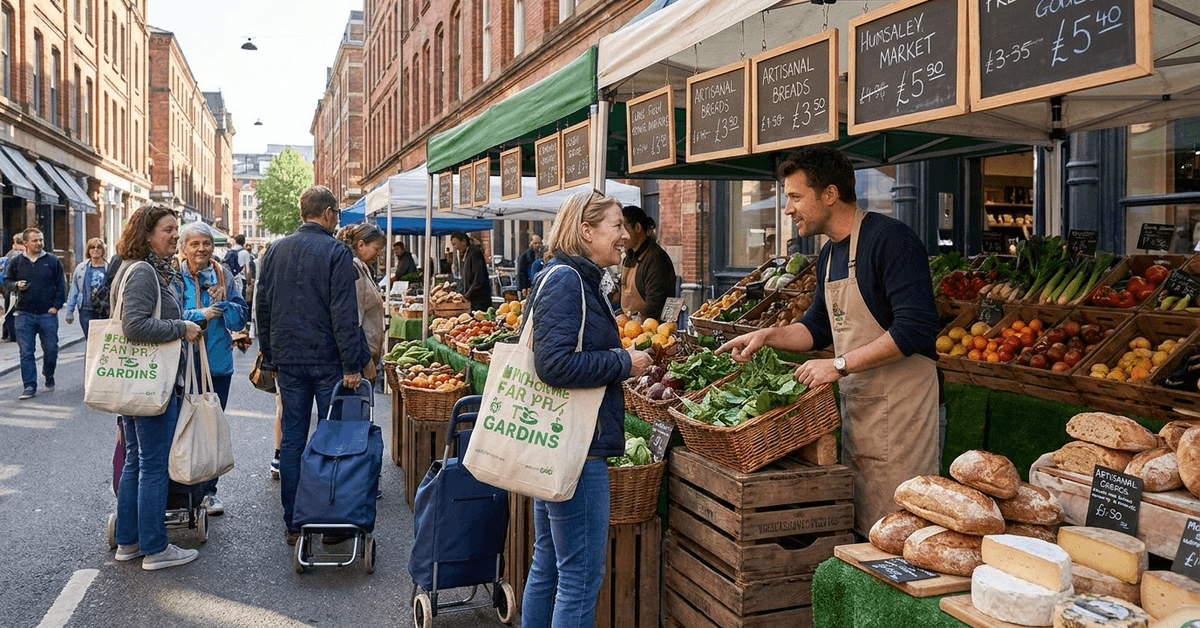
City farmer’s markets offer some of the freshest, most flavorful foods in urban areas. For city dwellers, these markets are more than a trend—they’re a valuable resource for saving money and supporting local growers.
Anyone living in a city who wants better value, fresher produce, and a stronger sense of community can benefit from understanding how to secure the best deals at these markets.
Why Farmer’s Markets Stand Out in the City
Urban farmer’s markets typically feature products grown and made nearby. Shoppers enjoy reduced transportation costs and lower markups compared to specialty grocers.
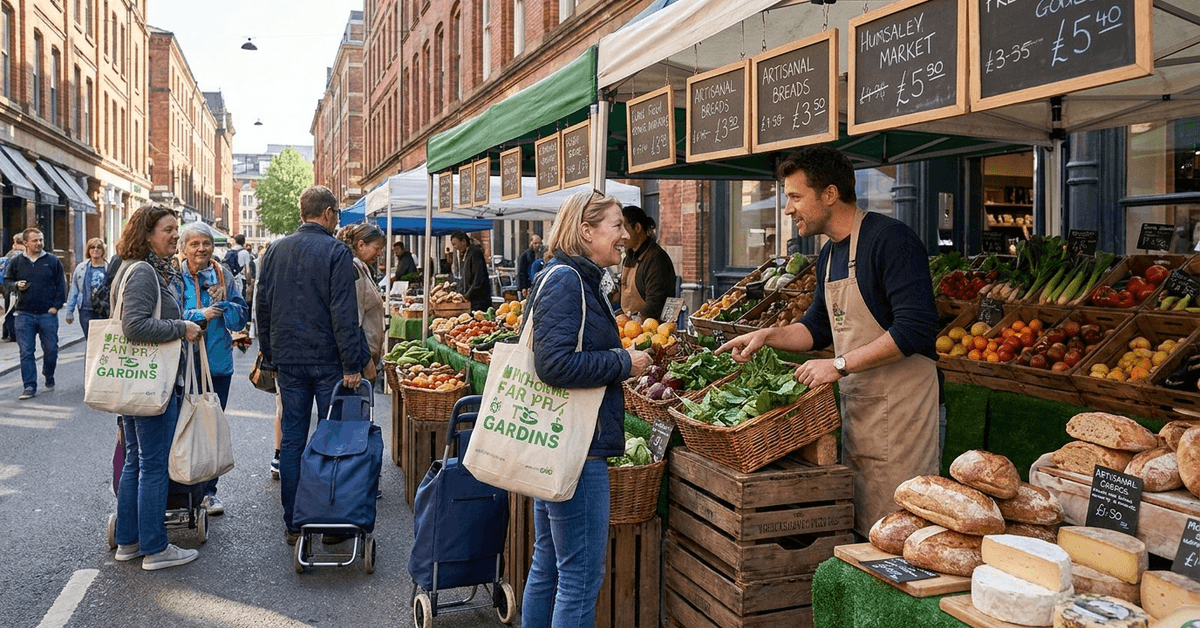
Buying local can mean fresher fruit, less packaging, and a reduced carbon footprint. The savings on seasonal produce are often substantial, especially when compared to chain stores.
How to Find City Farmer’s Markets Near You
Online Directories for Market Locations
Farmers Market Finder is a leading resource for locating markets in US cities. Websites like LocalHarvest.org and FarmersMarket.com provide up-to-date listings and opening times.
Mobile apps, such as Farmstand (iOS) or the American Farmland Trust’s Market Finder, are useful for navigating on the go. Markets in major cities like New York, Chicago, and San Francisco are well represented on these platforms.
Community Resources
Neighborhood social groups and local newspapers often list weekly markets or popup events. These sources sometimes reveal smaller or specialty markets that online platforms might miss.
Planning Your Visit for Maximum Savings
Timing Can Lower Prices
Many regular shoppers believe arriving later in the day can lead to discounts. Vendors often reduce prices near closing to avoid taking perishable goods back home.
In cities such as Los Angeles or Seattle, midweek markets can offer more competitive pricing than weekend events due to lighter crowds.
Making a Smart Shopping List
For the best deals, flexibility is key. A good approach is to plan by categories: fruits, leafy greens, dairy, and so on, rather than by specific items.
This method allows shoppers to adapt quickly to deals and markdowns on less popular produce that week. It also helps reduce waste and stretch your grocery budget.
- Check your pantry and fridge first.
- Write categories instead of exact recipes.
- Leave space in your budget for new discoveries.
How to Identify the Best Deals at the Market
Spotting Bulk Discounts
Many market stands in cities like Boston or Austin offer bulk deals after midday. Prices for seconds (slightly imperfect produce) are usually much lower by the pound.
Labels such as “family pack” or “market special” often indicate better value. Seasonal produce, such as strawberries in June or tomatoes in August, is generally priced lowest.
Strategies for Comparing Prices
Comparing similar products from different vendors is standard practice. Keep track using the Notes or Reminders app on any smartphone.
Some shoppers jot prices on paper, which works just as well. The most consistent metric for comparison is the per-pound or per-bunch price.
Talking to Vendors: Building Good Rapport
When Friendly Conversation Helps
A genuine chat can sometimes lead to special pricing or heads-up on upcoming deals. Vendors often reward polite regulars with tips about markdowns or soon-to-expire items.
Asking about where or how foods were grown shows interest, but focusing too much on haggling is rarely welcome in major city markets like Toronto or Philadelphia.
Questions Shoppers Ask
- “Which fruits or vegetables are best value today?”
- “Are there any bundles or specials?”
- “When is your next harvest coming in?”
Payment Options and Budget Tools
Cash, Card, and Apps
Square Reader is common at city markets, allowing many vendors to take credit or debit. However, some small stands may offer lower prices for cash transactions.
Mobile wallet solutions like Apple Pay and Google Pay are accepted at larger urban markets, but it’s wise to bring some cash for flexibility.
Tracking Your Spending
Apps such as Goodbudget and Spendee are helpful for shoppers watching their weekly outlay. These allow instant recording of each purchase, helping to avoid overspending.
Keeping each transaction small can help with self-control. Small budgets encourage greater focus on the best available deals.
Mistakes to Avoid When Shopping Local
Overbuying Perishables
Without a plan, it’s easy to purchase too much, especially when everything looks tempting. Over time, unused produce becomes waste, negating any savings.
In cities with year-round markets, such as San Diego, a lighter week’s shop is soon replaced with fresher buys the following week.
Skipping the “Imperfect” Section
Many city markets have a bin for slightly odd-shaped or blemished items. These are often just as tasty and offered at far lower prices.
Choosing these products is an overlooked but simple way to stretch your budget further.
Apps and Tools to Enhance Your Market Experience
Best Mobile Apps for Shoppers
Market Locator helps track the opening hours and locations of markets across the US and Canada. This tool is especially popular with frequent travelers or work commuters.
Eat Local First (Washington) and Farmigo (California) provide live updates and vendor profiles in their respective regions. They can also notify users about flash sales or exclusive events.
Digital Coupons and Loyalty Programs
Some city vendors now offer digital receipts and loyalty cards through apps. Snap a QR code at the stall or join SMS lists for occasional offers—it’s relatively new but increasingly common in markets in places like Denver and Vancouver.
Tips for Navigating Crowded Markets
Beat the Rush
Arriving soon after opening, or just before closing, is often most comfortable. Peak hours for major city markets are usually between 10 a.m. and noon on weekends.
Weekday visits are quieter when shopping mid-morning or early evening.
Travel Light and Bring Essentials
Reusable bags, small trolleys, and backpacks make it easier to carry purchases. Compact shopping carts are a good choice for heavier items or families.
Many experts also use insulated pouches for dairy or meat products to keep food fresh while walking or using transit.
Supporting Local Producers—What it Really Means
Reducing Food Miles
Purchasing from urban farmer’s markets means supporting growers within a limited radius. This reduces transport time and helps cut down on spoilage and emissions.
City shoppers can sometimes visit the farm on open days. This fosters greater trust and transparency between consumers and producers.
Community Impact
Money spent at local markets often circulates within the area. Small growers reinvest profits nearby, benefiting the local economy in subtle ways.
The personal connection built through consistent market visits can encourage better service and longer-lasting value for buyers.
Conclusion: Making the Most of City Farmer’s Markets
City farmer’s markets offer more than just fresh fruits and vegetables. They are lively hubs for smart shopping and community support.
By using the right tools and staying aware of timing and price trends, urban shoppers can save money without sacrificing quality or convenience.
Consistent visits, gentle negotiation, and use of the latest apps can turn farmer’s market shopping into a practical habit. Supporting these markets helps create a more resilient city food system and leads to better deals for everyone in the long run.