Visiting major world capitals can be an unforgettable adventure. However, it is easy to fall into classic tourist traps if you are not careful.
This guide offers concrete tips for travelers seeking genuine experiences in global cities. The information suits solo travelers, families, and even business visitors looking to make the most of their trip.
Understanding Tourist Traps in Capital Cities
A tourist trap is any place or activity targeting newcomers and overcharging for average or low-value experiences. These are especially common in capitals like Paris, London, Rome, and Tokyo.
Often, traps use aggressive vendors, misleading advertising, and inflated prices. They tend to cluster around major attractions or transportation hubs.
The good news is that with research and awareness, most can be avoided.
Why Major Capitals Are Prone to Tourist Traps
World capitals attract millions annually. This makes it easy for businesses to hide high prices behind famous names or beautiful facades.
Travelers, sometimes in a rush or unfamiliar with local habits, may miss warning signs. The language barrier and excitement can also affect judgment.
Classic Examples of Tourist Traps by City
Paris
The Eiffel Tower area is notorious for overpriced souvenirs and food stalls. Many restaurants near the tower charge double the normal rate for basic meals.
Montmartre’s main square often features aggressively priced caricature artists and souvenir stands.
London
Near Leicester Square and Piccadilly Circus, street performances may end in high-pressure tipping.
Shops around Oxford Circus frequently sell generic memorabilia at inflated prices compared to markets nearby.
Rome
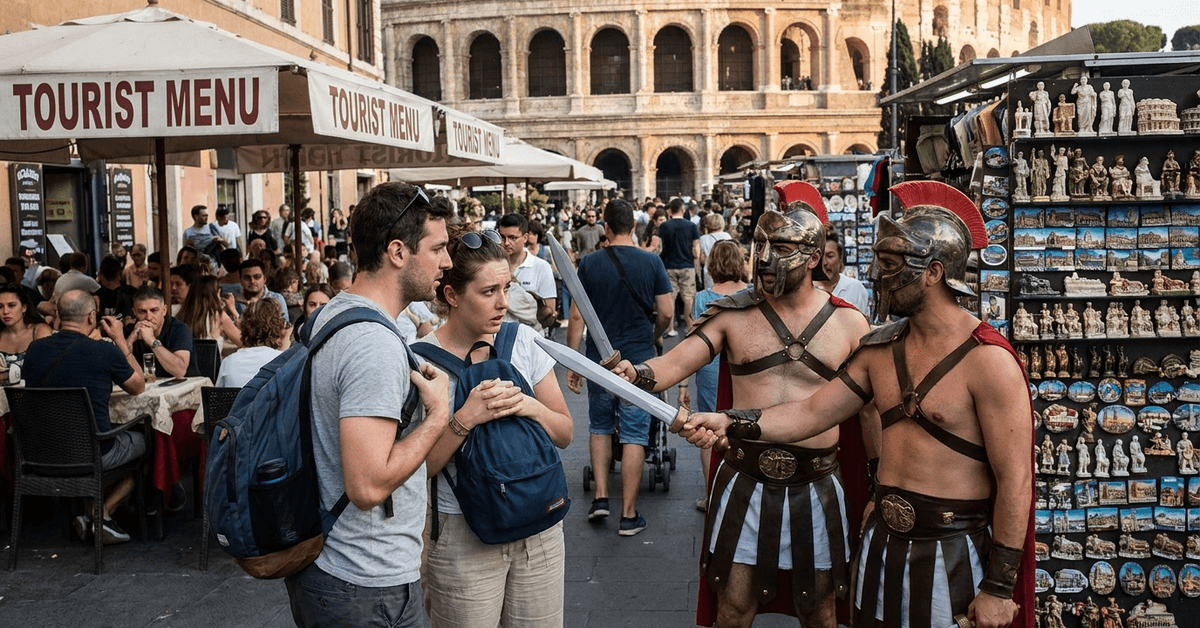
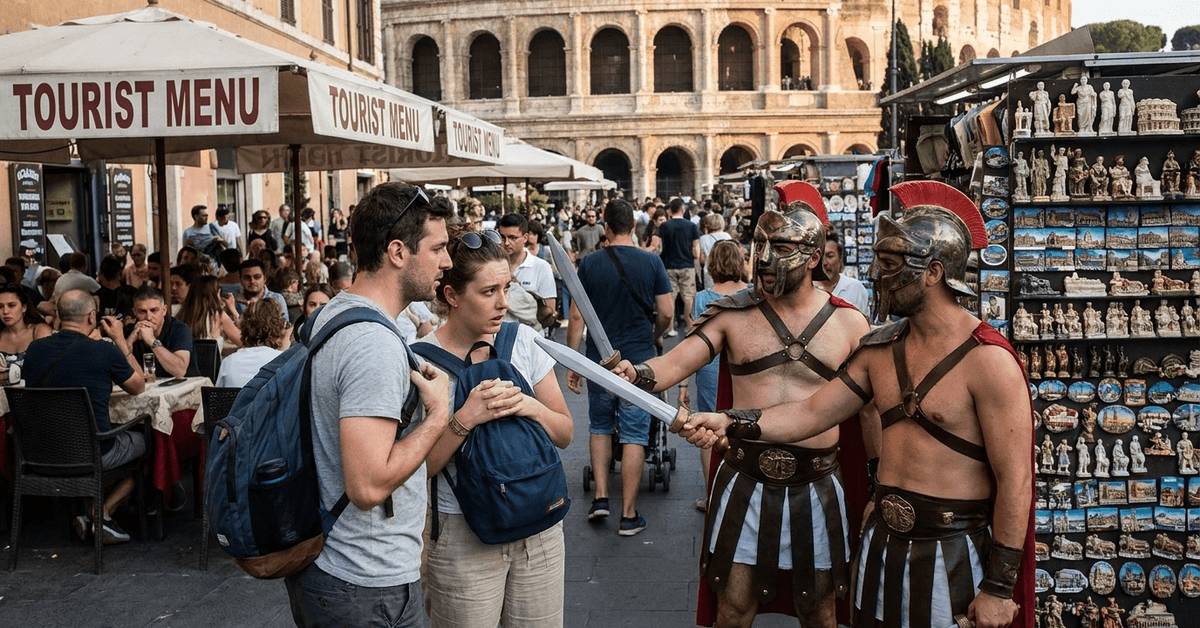
Close to the Colosseum, costumed gladiators ask for steep fees for quick photos.
Restaurants at Piazza Navona sometimes add hidden charges or present substandard food at tourist-only prices.
New York City
In Times Square, ticket vendors promote shows or tours with little real value. Costumed characters can insist on large tips after unsolicited selfies.
Street food near well-known sites may be double the average price for the same snack further away.
- Other cities like Tokyo, Prague, and Istanbul also have hotspots where tourist prices are routine.
How to Research and Prepare Before You Go
Research is always a traveler’s best ally. A few careful steps before departure save money and provide a richer experience.
- Read recent travel blogs and city forums for updates on scam locations or poor-value attractions.
- Apps such as Google Maps and Rome2Rio show location popularity, honest reviews, and real price information.
- Social media platforms like Reddit, TripAdvisor, and local Facebook groups often discuss emerging traps in real time.
Taking screenshots of price ranges and reading neutral reviews help create a realistic budget.
Actionable Steps to Avoid Tourist Traps
Stay Away from Immediate Vicinity of Iconic Sites
Prices and pressure tend to increase the closer you get to famous landmarks. A great option is to walk 10 minutes beyond the crowds before shopping or dining.
Use Local Transit Instead of Tourist Buses
Standard metro or bus lines in cities like Berlin and Tokyo are efficient, predictable, and cost less than double-decker tour services.
Download and Use Reliable Apps
- Food apps such as TheFork (Europe) or Yelp show real user ratings for restaurants and include authentic photos.
- Transit apps like Citymapper (NYC, Paris, London) reveal honest routes and prices.
- XE Currency app ensures real-time currency conversion for understanding fair costs.
Ask for Locals’ Recommendations
Hotel receptionists and wait staff, if not pushing an obvious commission, often know city secrets. Seeking their tips provides insight that guidebooks miss.
Detecting Traps in Real Time: Signs and Red Flags
- Menus or signs without prices near entrances usually mean costs may surprise you later.
- Any pressure to “act quickly” or warning that “the deal ends soon” is worth a pause.
- Unsolicited gifts, from flowers to bracelets (especially around Rome’s Spanish Steps or Paris’s Sacré-Cœur), often come with a demand for payment.
Suspicion is natural in unfamiliar environments. A little hesitation can prevent a rushed, costly mistake.
Alternative Ways to Experience World Capitals Authentically
Explore Neighborhood Markets and Cafés
Neighborhoods like Paris’s Marais or London’s Shoreditch offer vibrant scenes without tourist inflation. Locals frequent these venues for good reason.
Join Free or Donation-Based Walking Tours
Look for highly reviewed options on websites like FreeTour.com. These tours often share hidden histories and lead away from traps. Tips are voluntary, making the quality higher in some cases.
Attend Local Events
City government websites or apps showcase festivals, farmers’ markets, and exhibitions that offer a more genuine snapshot of local culture.
Common Tourist Scams and How to Avoid Them
- ATM or currency exchange scams: Use official bank ATMs and always decline conversion “guarantees” in favor of your bank’s rate.
- Fake petitions or fundraising near metro stations: A polite “no thank you” or simply ignoring the approach usually ends the interaction.
- Taxi overcharging: Opt for licensed platforms, such as Uber, Bolt, or local regulated taxi apps for transparent fares.
Money-Saving Tips for Eating and Shopping Abroad
Eat Where Locals Eat
Online reviews often highlight “hidden gems.” Places where locals are the main patrons almost always offer better value than main tourist strips.
Shop in Supermarkets or Local Chains
Grocery stores and convenience chains in cities like Tokyo, London, and Rome provide affordable snacks and quick meals. This helps cut food costs markedly.
Use Digital Payment Apps Wisely
Using contactless payment tools such as Apple Pay or Google Pay limits your need for cash. These methods also often provide a record of your real costs, making budgeting easier.
Staying Safe and Secure in Busy City Centers
Beware of Pickpockets in Crowds
Places like Barcelona’s Las Ramblas or London’s Oxford Street are well-known for pickpocket activity. Using a money belt or cross-body bag facing forward minimizes risk.
Avoid Unofficial Tour Offers
Bogus guides may approach you at museums or stations. Official tours have visible identification, clear pricing, and are often listed on city tourism websites.
Conclusion
Avoiding common tourist traps in world capitals requires awareness, planning, and a willingness to explore a little deeper.
By using trusted apps, seeking local insights, and approaching city icons with a healthy skepticism, travelers can focus on making real memories and smart decisions.
Capital cities are always evolving, so staying informed and open-minded promises more authentic and rewarding travel experiences each time.