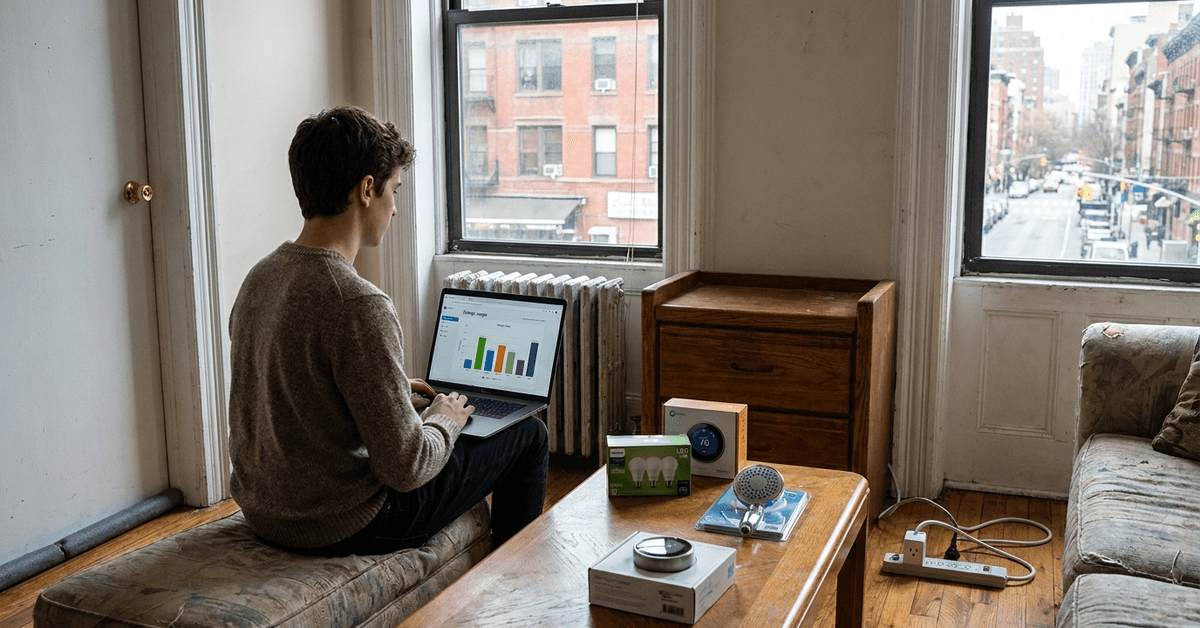
Living in a city rental often means facing higher utility bills, influenced by building age, local climate, and unpredictable usage patterns. Urban apartments can be costly to run, but with the right strategies, it’s possible to consistently lower these expenses.
This guide offers practical approaches that work in real-life city settings, whether you’re renting in New York, London, Toronto, or Berlin.
Why Reducing Utility Bills Matters in City Rentals
Utilities make up a noticeable part of monthly costs in most urban rentals. Many renters, even those sharing a flat, often underestimate just how much small changes can affect their annual expenses.
Lower bills also mean a more environmentally friendly lifestyle—an important consideration for many city dwellers.
Method 1: Optimize Heating and Cooling
Heating and cooling are usually responsible for the largest share of energy use in city apartments. Especially in buildings with older windows or poor insulation, costs can quickly add up.
Use a Smart Thermostat
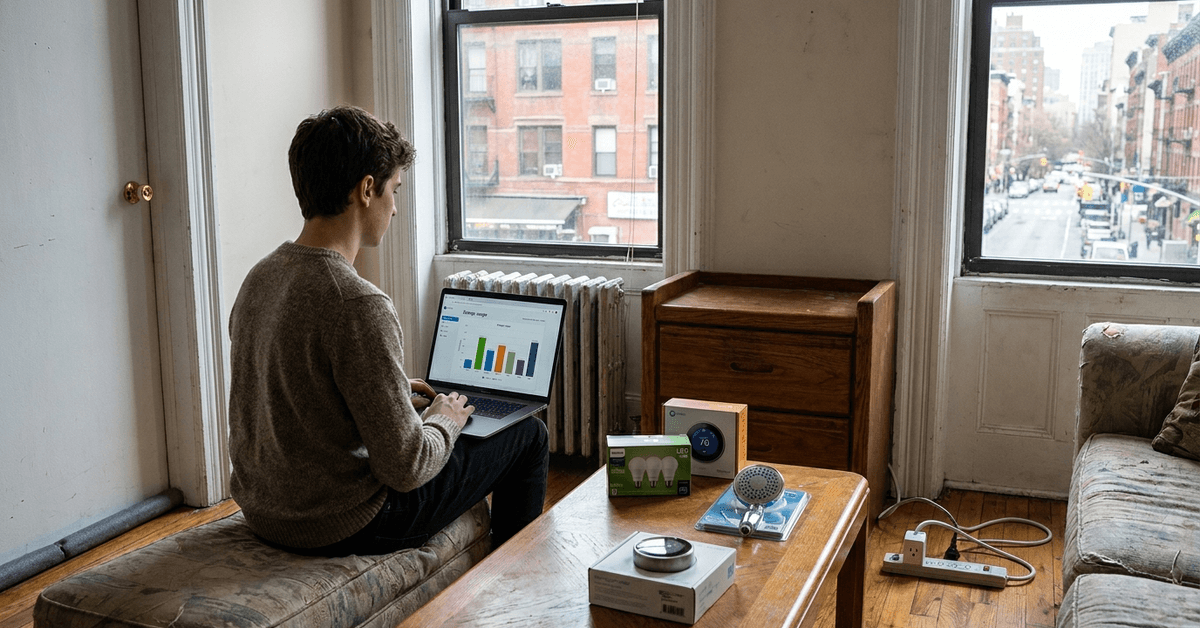
The smartest upgrade is often a smart thermostat, such as Google Nest. These devices learn your schedule and automatically adjust temperatures when you’re away or asleep.
- Install the thermostat according to your landlord’s policy and local lease rules.
- Set daytime and nighttime temperature schedules to avoid unnecessary heating or cooling.
- Monitor monthly savings using the device’s companion app.
Real stories from city dwellers in Chicago and Toronto show annual savings reaching 10-15% by making this change alone.
Block Drafts and Insulate Windows
Gaps around windows are common in older apartments. Simple solutions include weatherstripping and using removable window insulation kits available at most hardware stores.
- Measure window frames before purchase for a snug fit.
- Apply insulation kits before winter starts.
- Consider adding draft blockers at door bases for added effect.
A double-paned window is best, but most renters stick to removable products for flexibility.
Method 2: Smart Lighting Habits and LED Upgrades
Lighting can account for around 10% of a city apartment’s energy use. In areas with limited natural light, efficient solutions matter even more.
Switch to LED Bulbs
Swapping old bulbs for LED bulbs reduces consumption dramatically and can last for years. It’s the fastest, most reversible upgrade available to renters.
- Choose LEDs with warm color temperatures for homey ambiance.
- Check if your city (like Berlin or San Francisco) offers resident discounts on energy-efficient lighting.
Some renters have noticed a reduction of $3-7 per month by replacing bulbs across three rooms. It doesn’t sound like a lot at first, but it adds up by year’s end.
Adopt Better Lighting Habits
Apps such as Wattson or the EnergyHub platform are helpful. These apps track your lighting behavior and send gentle reminders when lights stay on too long.
- Use timer plugs in rooms prone to forgotten lights.
- Organize lamps into zones and control several with a single switch—or an app, when possible.
Method 3: Cut Water Consumption
Water bills can be puzzling in cities, particularly where rates rise sharply in summer. Whether utilities are billed monthly or quarterly, curbing water use saves money and supports sustainable urban living.
Install a Low-Flow Showerhead
A modern low-flow showerhead reduces water use without sacrificing water pressure. Cities like London recommend models with a WaterSense label.
- Double-check lease rules before making small fixture upgrades.
- Save up to 2,000 gallons per year, according to EPA data for urban properties.
Tenants can usually revert to the original showerhead before moving out with minimal effort.
Address Leaks Immediately
Even simple leaks in kitchens or bathrooms can have a huge impact. Tracking tools, like the DropCounter leak detection app, make it easier to catch spikes in water use.
- Check faucets and toilet flappers monthly for drips.
- Report persistent leaks to your landlord as soon as possible to avoid responsibility for waste.
It’s surprising how much difference basic maintenance makes in heavy-use apartments.
Method 4: Manage Appliances and Electronics
Appliances often stay plugged in, quietly consuming energy even when not in use. This so-called standby power (sometimes called phantom load) can account for about 5-10% of total electricity use in apartments.
Use Energy Monitoring Plugs
An affordable device like a TP-Link Kasa Smart Plug can reveal which appliances draw power unnecessarily and track actual usage in real time.
- Connect major appliances (TVs, microwaves, computers) to the smart plug.
- Review the plug’s usage reports via app after a week.
- Identify any power spikes or unnecessary overnight usage quickly.
Some renters, after checking these reports, unplug most chargers and entertainment units at night.
Choose Energy-Efficient Appliances When Possible
While it’s rare for renters to buy their own appliances, certain situations allow for upgrades or swaps. A portable Energy Star mini-fridge can make a noticeable difference, especially in shared units.
- Ask your landlord if newer appliances are available on request.
- For personal appliances, choose ones with high efficiency ratings.
Each upgrade sheds a little more off monthly electricity bills.
Method 5: Track and Analyze Your Utility Usage
Cutting costs becomes much easier when you understand your usage patterns. Many cities now offer online dashboards and mobile apps to help renters stay in control.
Review Utility Statements Regularly
Check your monthly bill in detail, rather than just the total. Apps like Mint or your utility company’s online portal often highlight which periods see spikes.
- Compare current bills to last year’s for a better perspective.
- If patterns seem odd, check which household habits have changed.
Set Alerts and Goals
Some utility companies in urban areas allow tenants to set usage goals or receive bill alerts. These alerts make it easier to spot when habits slip back to old patterns.
- Enroll for automated usage alerts via your supplier’s web portal if available.
- Consider budgeting for seasonal variation—costs may spike in summer and winter months.
Tracking usage over several months creates clearer routines and helps with future budgeting.
Conclusion: Lowering Urban Utility Bills is Achievable
Lowering your utility bills in a city rental is entirely possible—even if initial results feel minor. Every adjustment, from swapping bulbs to using monitoring apps, stacks up over time.
Many city renters report savings between $30 and $75 per month after making a few focused changes. The real trick is finding what works for your specific space and sticking with a habit long enough to notice consistent savings.
With city costs rising, a few practical changes to your daily habits can quickly become new routines—and reward you with extra room in your budget every month.