Blog

  • The minimalist traveler’s guide: Everything in a carry-on

    The minimalist traveler’s guide: Everything in a carry-on

    Minimalist travel isn’t just a buzzword; it’s a response to chaotic airports, baggage fees, and the urge to move freely within dynamic cities. This guide brings practical advice to maximize every inch of a carry-on without sacrificing essentials.

    Perfect for those exploring vibrant European capitals or urban getaways in North America, the minimalist approach makes fast-paced city living and spontaneous side-trips far easier. Whether for business, leisure, or a blend of both, everything fits neatly in one small bag.

    Why Choose Minimalist Carry-On Travel?

    Pack light, and you unlock faster transit, bypass checked-luggage delays, and avoid airline mishaps. Minimalists also find adapting between city environments is quicker.

    Choices simplify—a single blazer can double for meetings in London and dinners in Barcelona. Learning to settle on less, not because it’s trendy, but because it legitimately makes travel easier, feels curiously freeing after only a couple of trips.

    Essential Trip Planning for Urban Minimalists

    Several variables impact what belongs in a city-friendly carry-on: destination, climate, activities, and length.

    Mentally walking through your days can clarify needs. For urban breaks, imagine riding the subway in Paris, checking into chic minimalist hotels, or exploring markets in Seoul—comfort and style both matter.

    Checking weather apps ahead is a small move that saves space from unnecessary clothing.
    The minimalist traveler's guide: Everything in a carry-on

    Smart Apps to Streamline Planning

    • PackPoint helps create city and weather-based packing lists.
    • Citymapper eases public transport confusion in places like Berlin or Tokyo.
    • Duolingo offers language basics for navigating unfamiliar signage or menus.

    The Anatomy of the Ideal Carry-On Bag

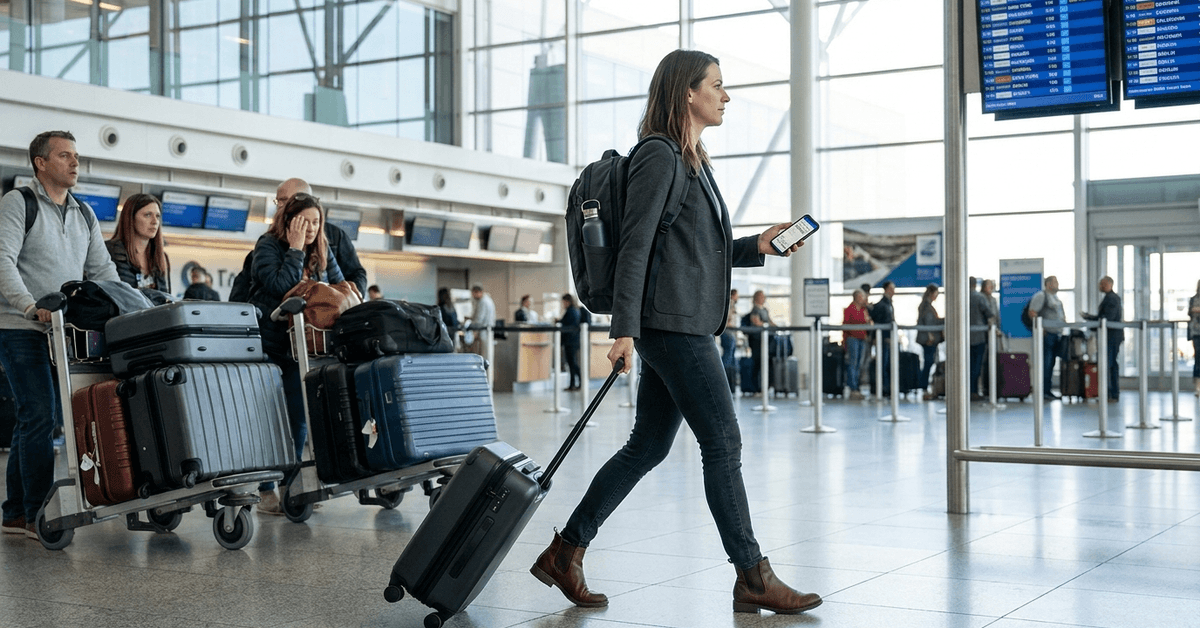
    Bag choice is foundational. Hard-shell spinner suitcases hold structure but stash easily in urban hotel closets.

    A sturdy, soft-sided duffel (like Away’s or Patagonia’s) tucks beneath train seats. For city hopping, an airline-compliant backpack keeps hands free for transit tickets or snacks on a tram. Secure zippers and internal organizers are practical touches.

    Practical Features to Look For

    • Lightweight (under 2.5kg empty is best for European budget airlines)
    • Laptop pocket with padded lining
    • Small exterior stash for travel documents
    • Trolley sleeve or backpack straps for versatility

    Minimalist Packing Principles

    Every item should earn its place—multipurpose and neutral tones work hardest. In practice, a navy shirt can transition from day tours in Prague to dinner cruises. The “three of each” rule (tops, bottoms, undergarments) usually lasts a week with strategic laundry.

    Core Clothing Capsule for Urban Destinations

    • 1 blazer or casual jacket (weather-appropriate yet dressy)
    • 2–3 neutral shirts or tops (quick-dry is practical)
    • 2 pairs of versatile pants or skirts
    • Lightweight sweater or layer for chilly evenings
    • Compact rain shell (collapsible, windproof)
    • Comfortable walking shoes plus 1 smart-casual option
    • Underwear and socks for 3–4 days (quick-dry fabric recommended)

    Quick Laundry on the Road

    Modern cities almost always offer affordable self-serve laundromats. Lightweight detergent sheets and a universal sink plug take up little bag space but help keep clothing fresh.

    Air-drying in hotel rooms works for most technical fabrics. In cities like Amsterdam or Sydney, same-day laundry services allow travelers to repeat outfits comfortably.

    Efficient Packing Techniques

    The rolling method reduces clothing bulk while minimizing wrinkles. Packing cubes segment shirts, electronics, and hygiene items for fast TSA checks.

    For those regularly transitioning between accommodations, cubes or compression bags keep contents manageable and easy to reshuffle, especially after souvenir shopping or day trips.

    Electronics and Tech Accessories

    Urban adventures require just a few, well-chosen electronics. Phones double as cameras and navigation tools.

    Universal travel adapters and a short charging cable are sufficient. Lightweight e-readers substitute for books on long flights or train rides. For remote work, a slim laptop and collapsible mouse fit almost any bag plan.

    Travel Documents and Security

    • Digital boarding passes (stored in Google Wallet/Apple Wallet)
    • Passport and local ID (carry a digital photocopy for emergencies)
    • Travel insurance card
    • Contactless credit card and backup

    Some cities, like London or Singapore, support touchless payment for public transport via regular credit cards. This saves space over paper passes or ticket stubs.

    Toiletries and Self-Care in Carry-On Bags

    Urban hotels usually provide basics—shampoo, body wash, sometimes even toothbrushes.

    A minimalist kit prioritizes travel-sized toothpaste, solid deodorant, maybe a compact hairbrush. Leak-proof 100ml containers, combined in a small transparent pouch, meet the requirements for most airports.

    Personal Wellness Essentials

    • Reusable water bottle (collapsible models save space)
    • Hand sanitizer and mini pack of wipes
    • Prescription medications in original packaging
    • Travel-size moisturizer (city air can dry skin fast)

    Minimalist Living: How to Adjust Mindset on the Road

    Minimalist city travel is as much mental as physical. It may take a few trips to trust that less really is more. Occasionally, you may worry about forgetting some item—or wish for a specialty gadget.

    But most cities make it easy enough to grab a missing charger or shirt at local shops. The trade-off for a lighter bag is agility: switching hotels, catching impromptu trains, or slipping into a street café with ease.

    Staying Flexible in Different City Environments

    Urban living asks travelers to adapt quickly. Weather, transit strikes, or last-minute invites can upend plans.

    Minimalist packing means leaving excess behind, which, paradoxically, can expand adventure possibilities—one can navigate crowds, packed buses, or shared bikes more comfortably.

    Helpful Digital Resources for Minimalist Travelers

    • For up-to-date safety alerts and travel news in major cities: U.S. Department of State
    • Apps like Rome2Rio quickly compare local trains, buses, taxis, or walking distances in urban areas.
    • Citymapper for seamless real-time public transit tracking
    • For real-world experiences and city safety, local Reddit communities often share practical tips.

    Conclusion

    Traveling with only a carry-on invites freedom—less time at baggage claim, more moments on buzzing urban streets from Lisbon to New York. Although paring down can feel daunting, especially at first, it sharpens decision-making and nurtures confidence.

    Over time, minimalist travel reveals that most comforts—and certainly all essential experiences—fit into a single, carefully curated bag. The next city feels closer, possibilities wider, and your suitcase lighter.

    For more actionable hacks and deeper dives into city living, explore city-specific guides on Instacitizen.com’s day trips and urban lifestyle topics.
  • How to Research Local Events Before Visiting a New Town

    How to Research Local Events Before Visiting a New Town

    Exploring a new town is exciting, but finding real local events can feel overwhelming. This guide outlines practical methods for discovering events that match your interests. 

    It is ideal for travelers, day-trippers, or anyone planning a city adventure and seeking cultural immersion and authentic experiences.

    Why Research Local Events Before Your Trip?

    Planning ahead increases the chances of attending unique happenings. It can also save time and help avoid disappointment upon arrival.

    Another benefit is that advance research usually exposes lesser-known activities. Tourists often miss these, but locals consider them highlights.

    How to Research Local Events Before Visiting a New Town

    Start With Official City Sources

    Visit the City’s Official Event Calendar

    Many cities have dedicated event sections on their government or tourism websites. For example, NYC Official Guide has an updated calendar for New York City events.

    Similar official sites for Paris, Berlin, and Toronto offer curated listings. A quick web search for “city name + official events” is effective.

    Tourist Information Centers Online

    • Official websites often highlight seasonal festivals, free exhibitions, and local traditions.
    • In some cities, free downloadable event brochures are available in advance.

    Leverage Event Aggregator Platforms

    Check Top Event Apps

    Technology can streamline the search process. Well-established event apps and platforms help pinpoint happenings across a city.

    Some examples are:

    • Eventbrite (global cities, ticketed and free events)
    • Meetup (community-driven meetups for hobbies, language exchange, or local networking)
    • Time Out (curated city guides with local insight)

    Filter by Date, Category, or Neighborhood

    Most event sites allow filters to match your travel window and interests. Narrowing choices can quickly reveal concerts, markets, gallery openings, or festivals.

    Use Social Media Smartly

    Facebook Events

    Facebook is one of the best platforms for finding authentic, real-time events in almost any town.

    Entering the destination and dates in the Facebook Events search bar brings up listings by popularity and distance from your chosen area.

    Try Local Hashtags and City Groups

    Popular hashtags, such as #LondonEvents or #AmsterdamNightlife, can uncover local gatherings. City-based Facebook or Reddit groups often share up-to-the-minute event tips.

    Instagram Stories and Highlights

    Some event venues post their line-ups in stories or highlights. Checking tagged locations in Instagram photos is another quick research trick.

    Check Local Media and Publications

    Newspapers and Magazines

    Physical and digital local publications frequently list a week’s worth of activities. For example, Timeout London is popular for Londoners.

    Small cities often publish event roundups in their weekend or cultural sections.

    Community Radio or Podcasts

    • Radio stations promote town-wide gatherings, markets, or musical acts.
    • Podcasts for cities such as Berlin or San Francisco often have an “upcoming events” segment.

    Explore Venue and Attraction Websites

    Major and Minor Venues

    Museum, gallery, and music venue websites publish their own event calendars. For example, MoMA in New York and Musee d’Orsay in Paris update schedules weekly.

    Independent cinemas, community centers, and small bars often announce open mics, workshops, or night markets too.

    University and Cultural Institutions

    Universities post public lectures, art shows, or seasonal fairs. Event pages for these sites often welcome travelers and community guests.

    Utilize Local Forums and Community Boards

    Neighborhood Blogs and Reddit Threads

    Local blogs detail upcoming events that aren’t on larger platforms. A city’s subreddit or Nextdoor area group also gives real residents’ event suggestions.

    Physical Event Boards

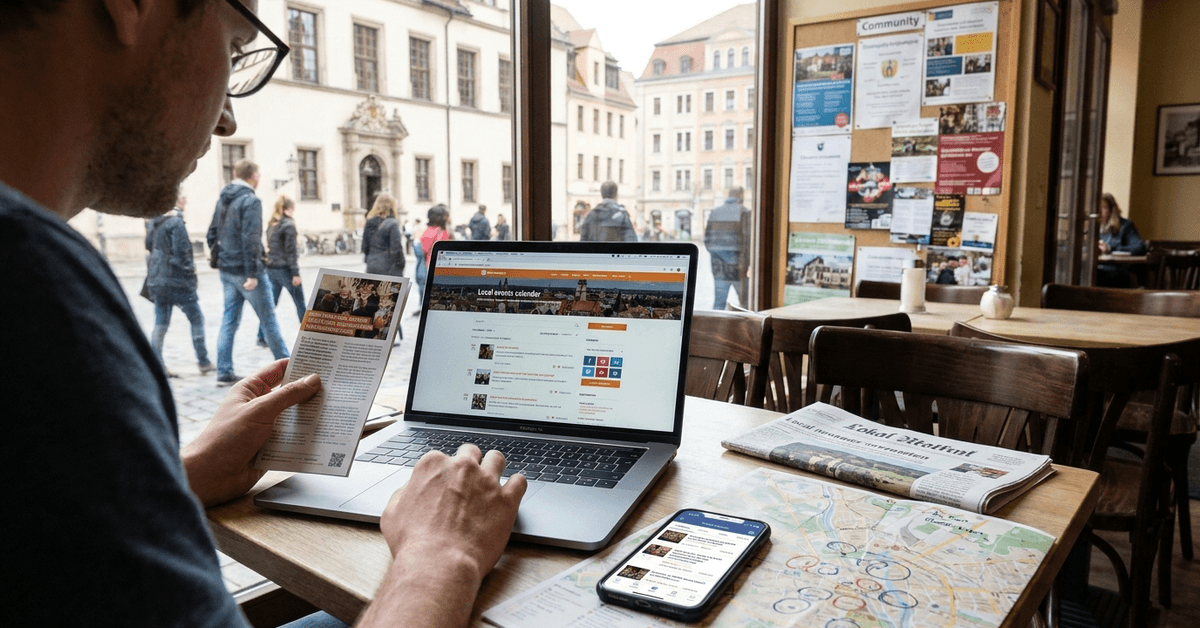
    Cafes, libraries, or bookstores have bulletin boards listing workshops, readings, or pop-ups.

    Although digital methods feel faster, sometimes a quick scan of a board reveals exclusive, hyper-local affairs.

    Go Beyond the Obvious: Deep-Dive Research

    Major event calendars are helpful, but they often miss temporary, neighborhood-based, or newly announced activities. Looking beyond the most visible listings can lead to more original and memorable experiences.

    Look for Seasonal and Hidden Gems

    Many cities host short-term food markets, flower festivals, craft fairs, outdoor performances, and cultural pop-ups that may not appear on large tourism websites. 

    Search phrases such as “pop-up events” followed by the city name, neighborhood, or travel dates.

    You can also ask in local online groups what is happening that weekend. Recent posts often reveal community events, temporary exhibitions, or markets announced only a few days in advance.

    Ask Locals Directly

    A polite conversation with a barista, shop owner, hotel employee, or hostel receptionist can uncover activities that are difficult to find online. 

    Locals may know about spontaneous concerts, neighborhood celebrations, street performances, or newly opened venues.

    Ask specific questions about your interests rather than requesting general recommendations. This makes it easier for people to suggest something relevant and current.

    Step-by-Step Guide to Efficiently Researching Events

    Finding worthwhile events in a new city becomes much easier when you use several reliable sources instead of depending on one platform. 

    A simple research routine can help you discover major attractions, local gatherings, and last-minute opportunities that match your interests and schedule.

    Define Your Interests and Dates

    Start by listing the types of experiences you want, such as concerts, art exhibits, food festivals, sports, markets, or neighborhood tours. Add your available dates and preferred times so you can quickly remove unsuitable options.

    Check Official City Calendars

    Visit the official city or tourism board website first. These calendars often feature large public events, seasonal celebrations, museum programs, and family activities. Official listings may also include road closures, ticket details, and accessibility information.

    Search Popular Event Apps

    Use platforms such as Eventbrite, Meetup, and Time Out. Apply filters for location, category, date, cost, and event format. Save promising options and compare them before booking.

    Explore Social Platforms

    Search Facebook’s Events section using the city name and your travel dates. Review recent posts in neighborhood groups or city subreddits, where residents often share smaller events and current recommendations.

    Review Venue Calendars

    Check the schedules of major theaters, galleries, music venues, stadiums, and cultural centers. Some performances or temporary exhibits may not appear prominently on general event apps.

    Look at Local Media

    Community radio programs, city magazines, local newspapers, and event newsletters can reveal new openings, interviews, and weekend recommendations.

    Search Again After Arrival

    Look for bulletin boards at hotels, hostels, cafés, libraries, and visitor centers. Flyers and posters may advertise pop-ups, workshops, markets, or performances that were announced too late to appear in your earlier research.

    Conclusion

    Researching local events before visiting any new town transforms a simple visit into a memorable experience. Using official city sources, event apps, and social media uncovers both high-profile and hidden happenings.

    Local publications and community boards provide a personal touch, revealing what residents love most. Combining multiple strategies ensures a diverse itinerary, packed with genuine, local flavor.

    With the right planning and curiosity, a trip can go beyond sightseeing and become an immersion in a city’s unique rhythm.