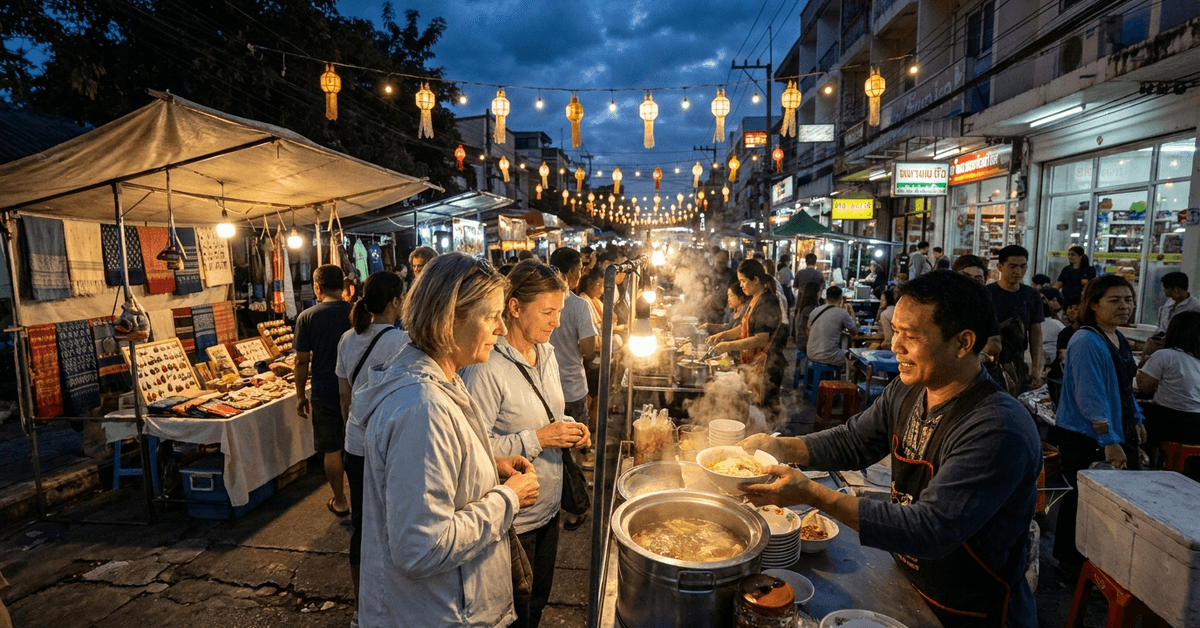
Night markets offer vibrant snapshots of urban life. Each one reveals local food, crafts, music, and energy that can transform an evening. But truly absorbing the atmosphere demands more than just showing up.
Anyone interested in urban adventures, culinary discoveries, or authentic travel moments can benefit here. Exploring as a seasoned traveler brings new perspectives and deeper enjoyment.
Understanding Night Market Culture
Every city’s night market is shaped by its culture. Recognizing these influences unlocks hidden layers of experience.
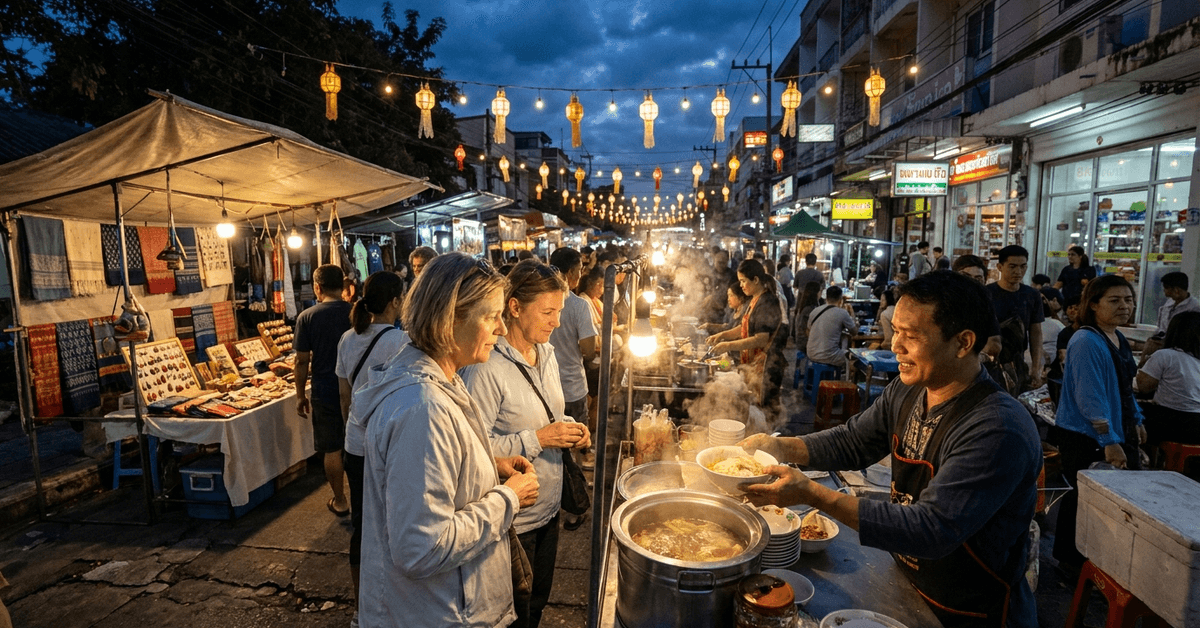
Different Night Market Styles
Cities like Bangkok, Taipei, and Ho Chi Minh City feature large, organized markets with food and street performances.
Elsewhere, such as Lisbon or Istanbul, the vibe might be more mellow, centering on artisan goods or open-air cafés. Comparing these scenes beforehand makes the visit smoother and less overwhelming.
Why Locals Love Them
Locals often use night markets to socialize, unwind after work, or shop for unique finds. Prices and offerings change depending on the night or season. This organic flow is part of the charm, even if it can feel unpredictable sometimes.
Choosing the Right Market
Identifying the best night market for your interests saves time and avoids disappointment.
Researching Efficiently
- Google Maps: Search “night market” plus your city for details and photos.
- Social media hashtags or local foodie accounts often highlight genuine favorites.
- Ask accommodation staff or new acquaintances which spots are truly local.
Timing Your Visit
Peak hours usually range from 7pm to 10pm. Early visits can be quieter, while later arrivals might catch live music or street shows. Some vendors sell out quickly, though, which can be unexpected for first-timers.
Getting There Like a Local
Navigating to a night market can be half the adventure. Local transport often beats taxis for authenticity.
- Citymapper or Moovit: These apps track real-time bus and subway options in most major cities.
- Bike-share programs like Bicing (Barcelona) or Citi Bike (New York) let residents and visitors skip the traffic.
- If the route feels unclear, consider joining a small group walking tour for the first visit.
Blending In and Staying Safe
Looking comfortable in a night market helps attract friendly interactions and avoid unwanted attention.
Dressing Smartly
Observing how locals dress can prevent standing out. In Taipei’s Raohe Street Night Market, for instance, modest-casual clothing works better than flashy attire. Sometimes, light layers help with evening breezes.
Protecting Your Belongings
- Anti-theft sling bags keep essentials safe in tight crowds.
- Small pouches for cash, and smartphone lanyards, add peace of mind.
Most markets are secure, but caution with valuables is never out of place.
Making the Most of Street Food
Tasting local dishes is a highlight. Yet, for many, choosing wisely in a sea of options feels daunting at first.
Discovering Signature Eats
- OpenRice (for East Asia): Features crowd-sourced reviews and photos.
- Regional food blogs highlight seasonal and iconic specialties in English. For instance, Vietnamese travel blogs will point towards bún chả in Hanoi’s markets rather than tourist fare.
Food Safety Tips
- Pick vendors with visible queues of locals, as high turnover means fresher ingredients.
- Watch for clean utensils and regularly wiped surfaces.
- Avoid raw ingredients unless the source is trusted.
Handling Dietary Restrictions
Learning a few local words can help clarify common allergens or preferences. For example, “vegetarian” in Chinese markets is “sùshí”.
Shopping and Negotiation Skills
Shopping at night markets is rarely just about price. Haggling is customary in many cities, yet manners can matter more than the result.
Approaching Vendors
- Smile and offer a friendly greeting before asking about prices.
- Google Translate provides quick local-language phrases for basic negotiation.
- Polite persistence works better than aggressive bargaining.
Quality Check Pointers
- Check fabric stitching, test zippers, or look for labels if buying clothes or accessories.
- Handmade jewelry and crafts might have minor flaws, which often add character rather than detract from value.
Capturing the Experience Respectfully
Photography is part of many night market visits, but local norms, lighting, and etiquette should shape the approach.
- Ask permission before photographing sellers or close-ups of food preparation.
- Look for photo-friendly corners with decorative lanterns, murals, or lively crowds.
- Night mode or low-light camera apps, like NightCap, help secure vibrant images without a flash.
A few blurry shots are inevitable, especially during busy evenings. That’s part of the charm.
Planning Around Opening Hours and Events
Some night markets are permanent, while others operate as pop-up or seasonal attractions. Staying flexible can open up new experiences.
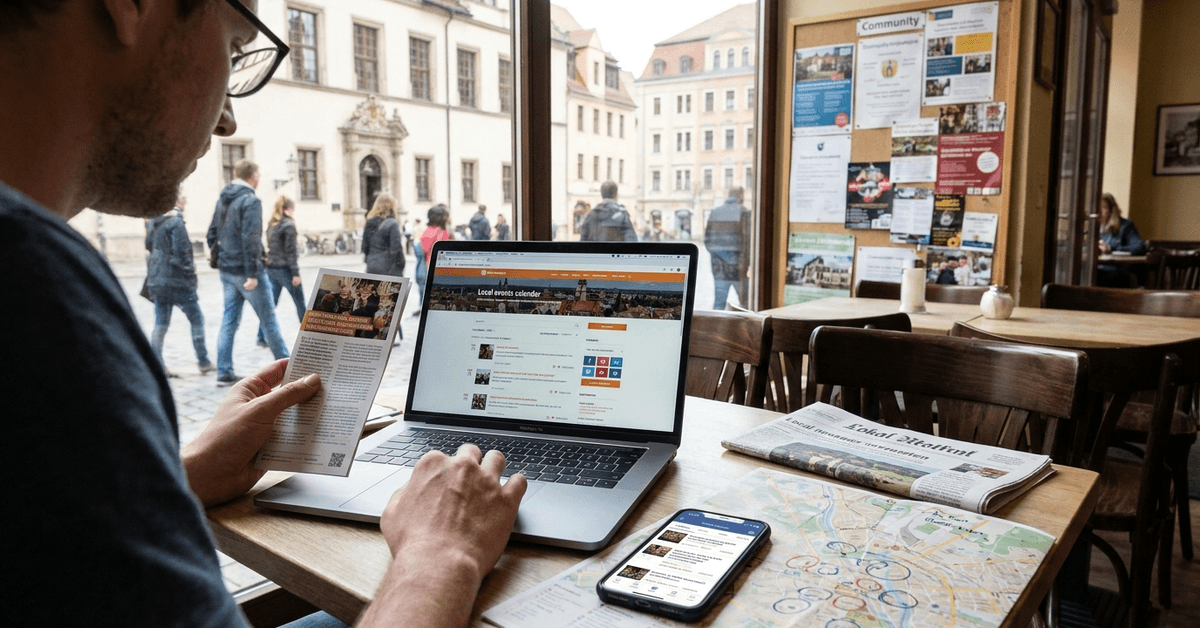
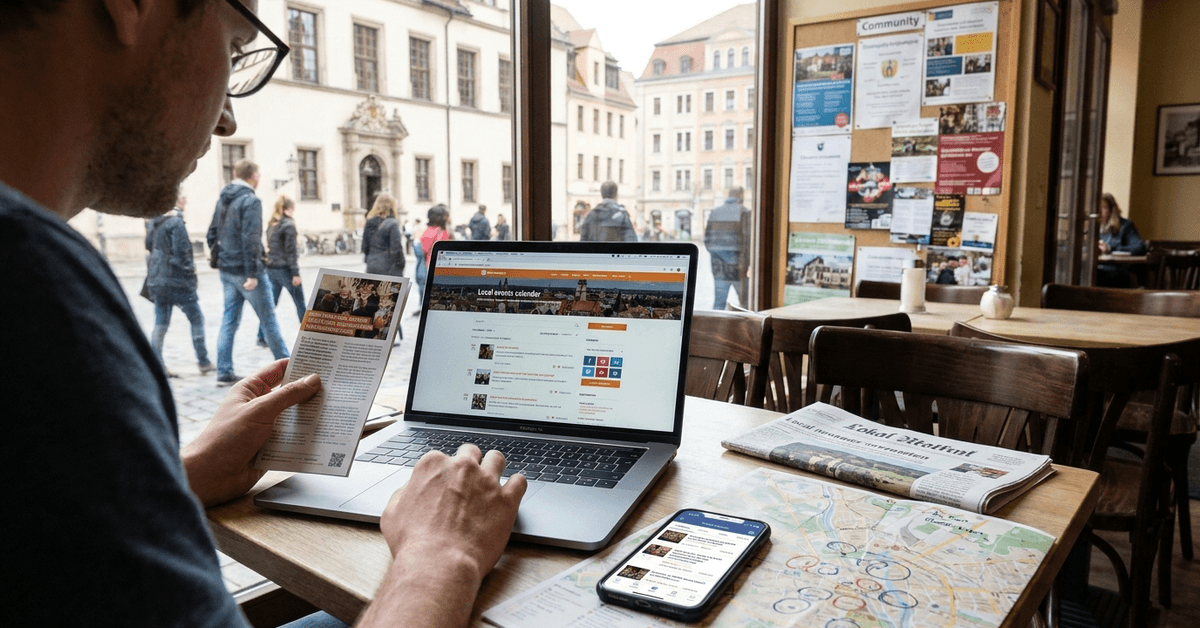
- Official tourism sites often list market hours and special events, such as lantern festivals or street music nights.
- Community Facebook groups or Twitter feeds announce unexpected changes, closures, or weather risks.
- When in doubt, a quick call to your hotel or host can clarify the schedule and help avoid a wasted journey.
Language and Social Etiquette
Learning a few greetings or polite phrases builds friendly rapport. A simple “hello” in the local language can shift the interaction from transactional to genuine.
- Duolingo or Memrise (language-learning apps) help memorize essentials like “How much?” or “Thank you.”
- In crowded spots, staying patient and letting others pass shows respect.
- Gently declining aggressive sellers with a smile is usually well-received.
Tips for Sustainable and Responsible Visits
Supporting local communities means choosing vendors thoughtfully.
- Bring reusable containers or utensils if possible, reducing waste in food-heavy markets.
- Opt for locally made crafts rather than imported knick-knacks.
- Dispose of trash properly and recycle whenever bins are available.
The impact of small choices often goes further than you expect.
Maximizing Your Enjoyment
Taking Breaks
Stepping aside for a drink or a dessert lets the senses reset, especially if crowds feel overwhelming.
Observing from a café seat or nearby park can offer a new, quieter vantage point. Sometimes, these pauses lead to the most memorable discoveries or conversations.
Mixing Spontaneity with Planning
Trying an unfamiliar snack or joining a pop-up performance on a whim adds fun. Preparation reduces stress, but allowing for surprises is what often makes the evening special.
Conclusion
Approaching local night markets as a seasoned traveler means blending curiosity with respect and practical know-how. Understanding each city’s market scene, preparing using the best apps, and adapting social etiquette deepens the experience.
Making simple choices—like supporting local vendors or trying a new street snack—transforms more than just your evening. Over time, night market visits become highlights of city life, shaping your stories and perspectives long after you return home.