Blog

  • 7 Hidden botanical gardens tucked inside major metropolitan areas

    7 Hidden botanical gardens tucked inside major metropolitan areas

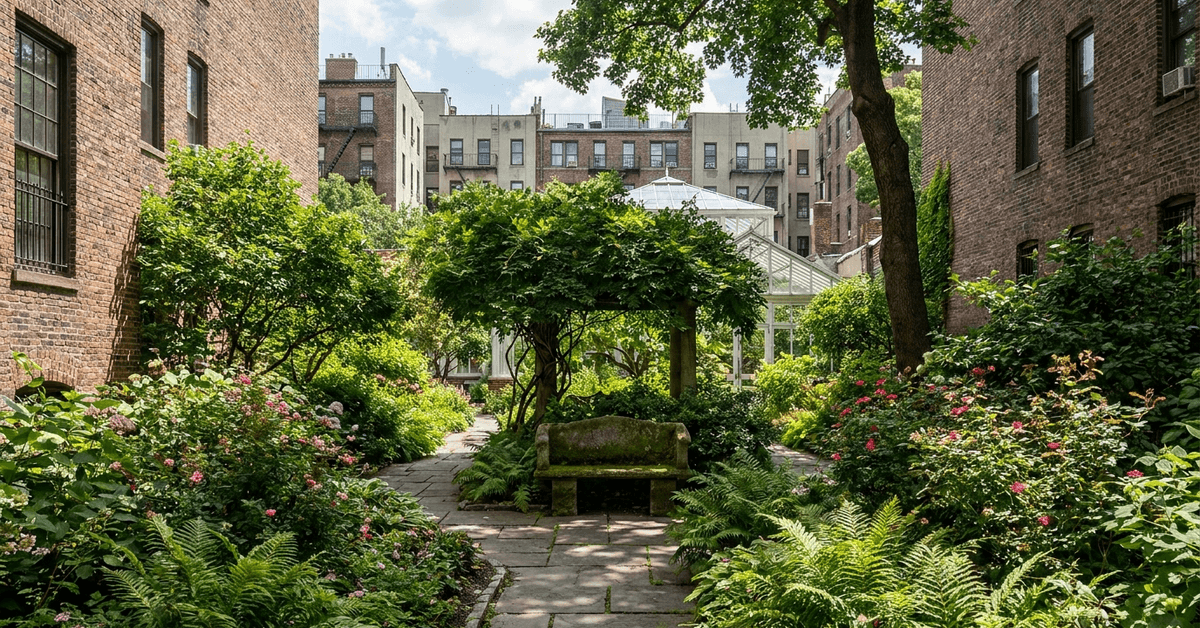
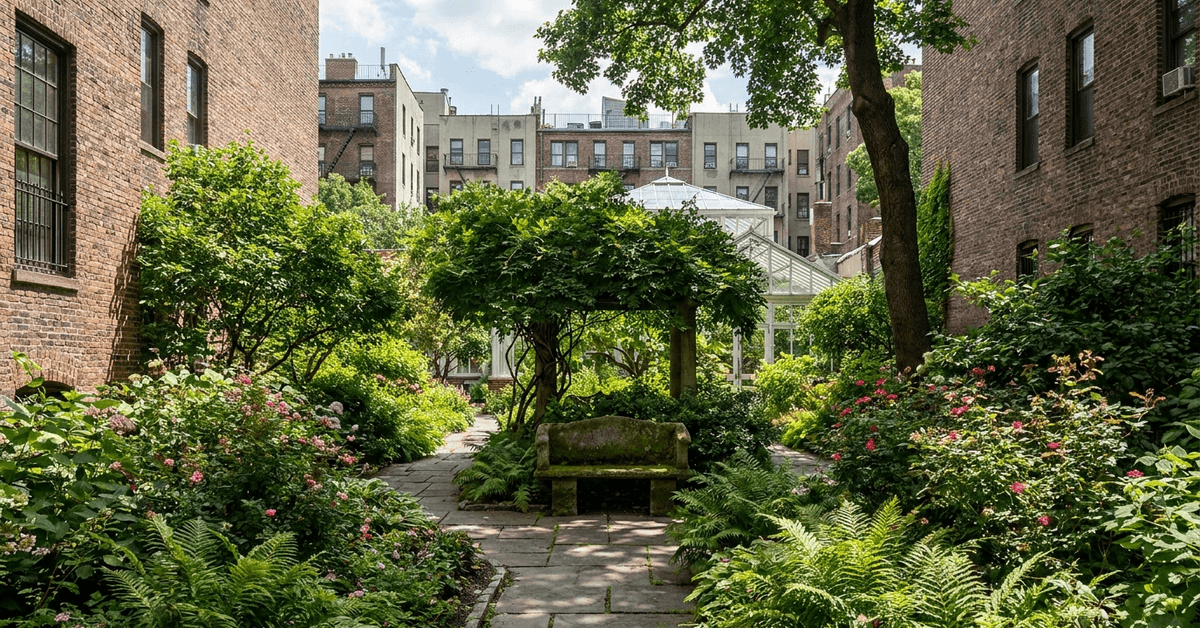
    Finding unexpected green havens in the heart of the city can transform urban living. For anyone craving a peaceful escape, but without leaving the city limits, hidden botanical gardens offer a unique retreat.

    This article uncovers seven secret gardens tucked away within sprawling metropolitan areas, each bringing a refreshing, natural experience amid the urban buzz. Perfect for urban explorers, city workers, families, or anyone who wants to swap traffic for tranquility.

    Why Seek Hidden Botanical Gardens in Cities?

    Urban nature breaks often boost well-being, lower stress, and refresh the mind. These gardens are perfect mini getaways. Yet, many are quite under the radar, even among locals.

    Hidden botanical gardens tend to be quieter than heavily advertised parks. Visiting often means fewer crowds and a more serene environment.
    7 Hidden botanical gardens tucked inside major metropolitan areas

    Sometimes, exploring these spots can feel like entering another world. For city dwellers, the contrast is striking. It’s almost like stumbling on a secret only a few know.

    7 Hidden Botanical Gardens Inside Major Metropolitan Areas

    1. D.C.’s Franciscan Monastery Gardens

    Located in Washington, D.C., the Franciscan Monastery Gardens are surrounded by neighborhoods, yet barely known to most residents. The grounds are filled with winding paths, a rose garden, and replicas of holy sites.

    It’s surprisingly close to downtown. Buses or the Metro Brookland-CUA stop make reaching it simple for locals or visitors.

    Suggestion: Early mornings and weekday visits increase your chances for solitude among the greenery.

    2. Brooklyn’s Narrows Botanical Gardens

    Narrows Botanical Gardens sits quietly in Bay Ridge, Brooklyn. Locals cherish the spot, but it rarely appears in tourist guides.

    This modest garden boasts native New York plant species, monarch butterfly gardens, and quirky art installations.

    Family-friendly paths , community events, and bee sanctuaries make this tiny haven feel lively yet tranquil at once.

    3. Atlanta’s Cator Woolford Gardens

    Tucked behind historic Druid Hills, Cator Woolford Gardens invites visitors to stroll among wooded glens, stone staircases, and Italian-style terraces.

    It’s an ideal wedding photography spot but remains overlooked even by many locals.

    Check the garden calendar in advance; some days are reserved for private events, but most times, entry is quiet and casual.

    4. Los Angeles’ Peace Awareness Labyrinth & Gardens

    Hidden on residential Adams Boulevard, Peace Awareness Labyrinth & Gardens features peaceful koi ponds and lush, meditative paths.

    Advance reservations are suggested—use Eventbrite for easy booking. Entry is free, though donations help with upkeep.

    This spot is perfect for guided meditation or just escaping the city’s hum for an hour or two.

    5. Chicago’s Alfred Caldwell Lily Pool

    In the heart of Lincoln Park, Alfred Caldwell Lily Pool is a National Historic Landmark many walk past each day, unaware it’s there.

    The pool’s naturalistic architecture, native wildflowers, and stone walkways offer a fascinating contrast to the busy zoo next door.

    Tip: Download Chicago Park District ’s app for hours, special tours, and bloom times.

    6. Singapore’s Telok Blangah Hill Terrace Garden

    Not far from the city’s financial district, the Terrace Garden at Telok Blangah Hill is a collection of lush terraces and floral arches.

    There’s a moderate climb, but the city skyline views are well worth it. In my experience, weekday mornings offer a truly peaceful ambiance.

    Combine your visit with the Southern Ridges trail for a longer nature immersion, all without leaving metro Singapore.

    7. London’s Barbican Conservatory

    Barbican Conservatory houses over 2,000 plant species hidden in plain sight inside a brutalist concrete icon.

    Diverse cacti, vibrant orchids, and koi ponds are open only on select afternoons. Booking in advance usually prevents disappointment.

    The building’s exterior gives nothing away. Stepping inside, you swap city noise for gentle leaf rustling and birdsong.

    How to Find Hidden Botanical Gardens in Your City

    Finding lesser-known spots often takes more than just a Google search. Apps, community forums, and local nature organizations can help.

    • Google Maps ‘Explore’ feature often reveals gardens not listed elsewhere.
    • AllTrails shows lesser-known urban paths and flower gardens.
    • Events on Meetup sometimes meet in private or semi-public city gardens.
    • Check city council cultural directories for hidden gems under “parks and recreation.”

    Following local Instagram nature bloggers has led me to tucked-away spots many official sites just don’t mention.

    Benefits of Visiting Urban Botanical Gardens

    • Stress Reduction: Research shows spending even 30 minutes in green spaces can lower cortisol levels and improve mood.
    • Educational Value: Hidden gardens often feature plant species not seen in main parks, offering learning opportunities for all ages.
    • Photography: These quiet spots provide unusual backdrops and fewer crowds, so getting unique city photos is much easier.
    • Inspiration for Urban Gardening: Seeing resilient city planting offers ideas for home balconies or small spaces.

    Tips for a Seamless Urban Garden Visit

    • Check accessibility: Many small gardens may have limited wheelchair or stroller access.
    • Respect quiet hours and private events. Some gardens close for maintenance or ceremonies.
    • Bring a refillable bottle —few hidden spots offer refreshments, and outside drinks are often allowed.
    • Pack a camera or notebook: Interesting plant specimens or tranquil moments are worth capturing on the spot.
    • Notice local signage for guided tour times—many run only on weekends or require pre-booking.

    Top Apps and Tools for Urban Nature Day Trips

    Enhancing city nature adventures is simple with the right resources. Many free and paid options work well for planning visits or navigating gardens efficiently.

    • Google Maps: For discovering nearby gardens and checking transit routes.
    • Eventbrite: To book tours or timed garden entries without hassle.
    • iNaturalist: Identify unfamiliar plant or animal species in seconds with your phone.
    • Citymapper: Find the fastest routes by public transport, rideshare, or on foot.
    • AllTrails: Find walking paths connecting city gardens and parks for multi-stop adventures.

    Conclusion: Urban Escapes Await Around Every Corner

    Hidden botanical gardens inside major cities transform ordinary days into memorable escapes. For city residents, exploring even one of these secret gardens can reset a busy mind and reframe the city as a place of wonder and renewal.

    There’s something quietly thrilling about slipping away from the crowd, even just for an hour. The next time you’re looking for a truly different kind of city break, consider checking out these surprising green sanctuaries. Sometimes, the most extraordinary places really are just around the block.
  • The minimalist traveler’s guide: Everything in a carry-on

    The minimalist traveler’s guide: Everything in a carry-on

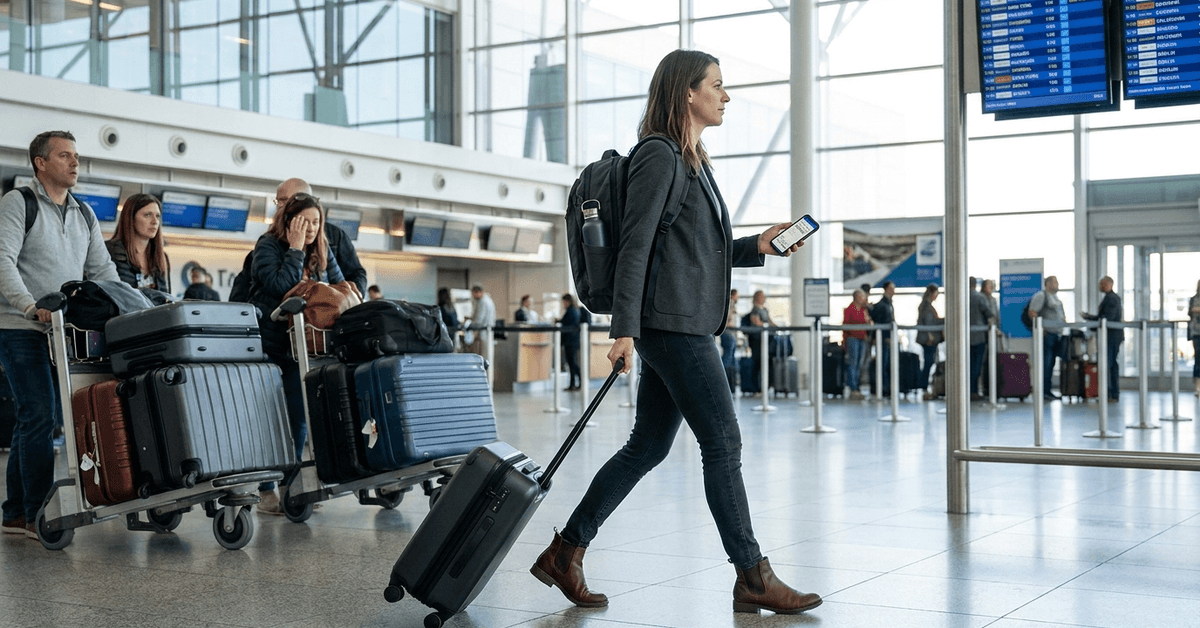
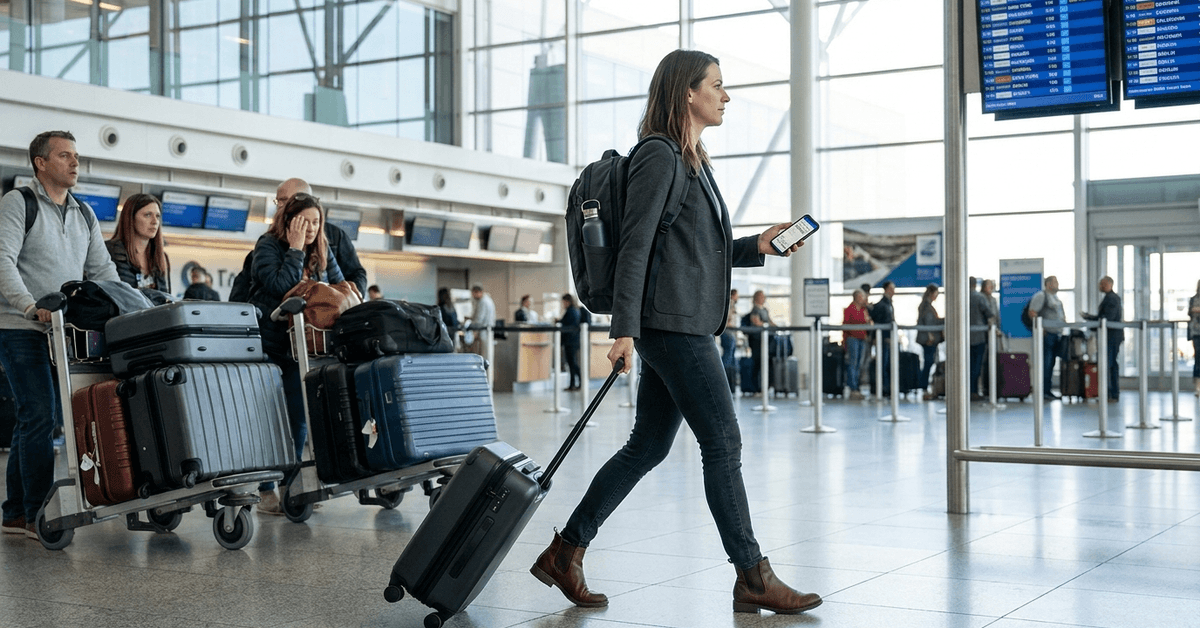
    Minimalist travel isn’t just a buzzword; it’s a response to chaotic airports, baggage fees, and the urge to move freely within dynamic cities. This guide brings practical advice to maximize every inch of a carry-on without sacrificing essentials.

    Perfect for those exploring vibrant European capitals or urban getaways in North America, the minimalist approach makes fast-paced city living and spontaneous side-trips far easier. Whether for business, leisure, or a blend of both, everything fits neatly in one small bag.

    Why Choose Minimalist Carry-On Travel?

    Pack light, and you unlock faster transit, bypass checked-luggage delays, and avoid airline mishaps. Minimalists also find adapting between city environments is quicker.

    Choices simplify—a single blazer can double for meetings in London and dinners in Barcelona. Learning to settle on less, not because it’s trendy, but because it legitimately makes travel easier, feels curiously freeing after only a couple of trips.

    Essential Trip Planning for Urban Minimalists

    Several variables impact what belongs in a city-friendly carry-on: destination, climate, activities, and length.

    Mentally walking through your days can clarify needs. For urban breaks, imagine riding the subway in Paris, checking into chic minimalist hotels, or exploring markets in Seoul—comfort and style both matter.

    Checking weather apps ahead is a small move that saves space from unnecessary clothing.

    The minimalist traveler's guide: Everything in a carry-on

    Smart Apps to Streamline Planning

    • PackPoint helps create city and weather-based packing lists.
    • Citymapper eases public transport confusion in places like Berlin or Tokyo.
    • Duolingo offers language basics for navigating unfamiliar signage or menus.

    The Anatomy of the Ideal Carry-On Bag

    Bag choice is foundational. Hard-shell spinner suitcases hold structure but stash easily in urban hotel closets.

    A sturdy, soft-sided duffel (like Away’s or Patagonia’s) tucks beneath train seats. For city hopping, an airline-compliant backpack keeps hands free for transit tickets or snacks on a tram. Secure zippers and internal organizers are practical touches.

    Practical Features to Look For

    • Lightweight (under 2.5kg empty is best for European budget airlines)
    • Laptop pocket with padded lining
    • Small exterior stash for travel documents
    • Trolley sleeve or backpack straps for versatility

    Minimalist Packing Principles

    Every item should earn its place—multipurpose and neutral tones work hardest. In practice, a navy shirt can transition from day tours in Prague to dinner cruises. The “three of each” rule (tops, bottoms, undergarments) usually lasts a week with strategic laundry.

    Core Clothing Capsule for Urban Destinations

    • 1 blazer or casual jacket (weather-appropriate yet dressy)
    • 2–3 neutral shirts or tops (quick-dry is practical)
    • 2 pairs of versatile pants or skirts
    • Lightweight sweater or layer for chilly evenings
    • Compact rain shell (collapsible, windproof)
    • Comfortable walking shoes plus 1 smart-casual option
    • Underwear and socks for 3–4 days (quick-dry fabric recommended)

    Quick Laundry on the Road

    Modern cities almost always offer affordable self-serve laundromats. Lightweight detergent sheets and a universal sink plug take up little bag space but help keep clothing fresh.

    Air-drying in hotel rooms works for most technical fabrics. In cities like Amsterdam or Sydney, same-day laundry services allow travelers to repeat outfits comfortably.

    Efficient Packing Techniques

    The rolling method reduces clothing bulk while minimizing wrinkles. Packing cubes segment shirts, electronics, and hygiene items for fast TSA checks.

    For those regularly transitioning between accommodations, cubes or compression bags keep contents manageable and easy to reshuffle, especially after souvenir shopping or day trips.

    Electronics and Tech Accessories

    Urban adventures require just a few, well-chosen electronics. Phones double as cameras and navigation tools.

    Universal travel adapters and a short charging cable are sufficient. Lightweight e-readers substitute for books on long flights or train rides. For remote work, a slim laptop and collapsible mouse fit almost any bag plan.

    Travel Documents and Security

    • Digital boarding passes (stored in Google Wallet/Apple Wallet)
    • Passport and local ID (carry a digital photocopy for emergencies)
    • Travel insurance card
    • Contactless credit card and backup

    Some cities, like London or Singapore, support touchless payment for public transport via regular credit cards. This saves space over paper passes or ticket stubs.

    Toiletries and Self-Care in Carry-On Bags

    Urban hotels usually provide basics—shampoo, body wash, sometimes even toothbrushes.

    A minimalist kit prioritizes travel-sized toothpaste, solid deodorant, maybe a compact hairbrush. Leak-proof 100ml containers, combined in a small transparent pouch, meet the requirements for most airports.

    Personal Wellness Essentials

    • Reusable water bottle (collapsible models save space)
    • Hand sanitizer and mini pack of wipes
    • Prescription medications in original packaging
    • Travel-size moisturizer (city air can dry skin fast)

    Minimalist Living: How to Adjust Mindset on the Road

    Minimalist city travel is as much mental as physical. It may take a few trips to trust that less really is more. Occasionally, you may worry about forgetting some item—or wish for a specialty gadget.

    But most cities make it easy enough to grab a missing charger or shirt at local shops. The trade-off for a lighter bag is agility: switching hotels, catching impromptu trains, or slipping into a street café with ease.

    Staying Flexible in Different City Environments

    Urban living asks travelers to adapt quickly. Weather, transit strikes, or last-minute invites can upend plans.

    Minimalist packing means leaving excess behind, which, paradoxically, can expand adventure possibilities—one can navigate crowds, packed buses, or shared bikes more comfortably.

    Helpful Digital Resources for Minimalist Travelers

    • For up-to-date safety alerts and travel news in major cities: U.S. Department of State
    • Apps like Rome2Rio quickly compare local trains, buses, taxis, or walking distances in urban areas.
    • Citymapper for seamless real-time public transit tracking
    • For real-world experiences and city safety, local Reddit communities often share practical tips.

    Conclusion

    Traveling with only a carry-on invites freedom—less time at baggage claim, more moments on buzzing urban streets from Lisbon to New York. Although paring down can feel daunting, especially at first, it sharpens decision-making and nurtures confidence.

    Over time, minimalist travel reveals that most comforts—and certainly all essential experiences—fit into a single, carefully curated bag. The next city feels closer, possibilities wider, and your suitcase lighter.

    For more actionable hacks and deeper dives into city living, explore city-specific guides on Instacitizen.com’s day trips and urban lifestyle topics.