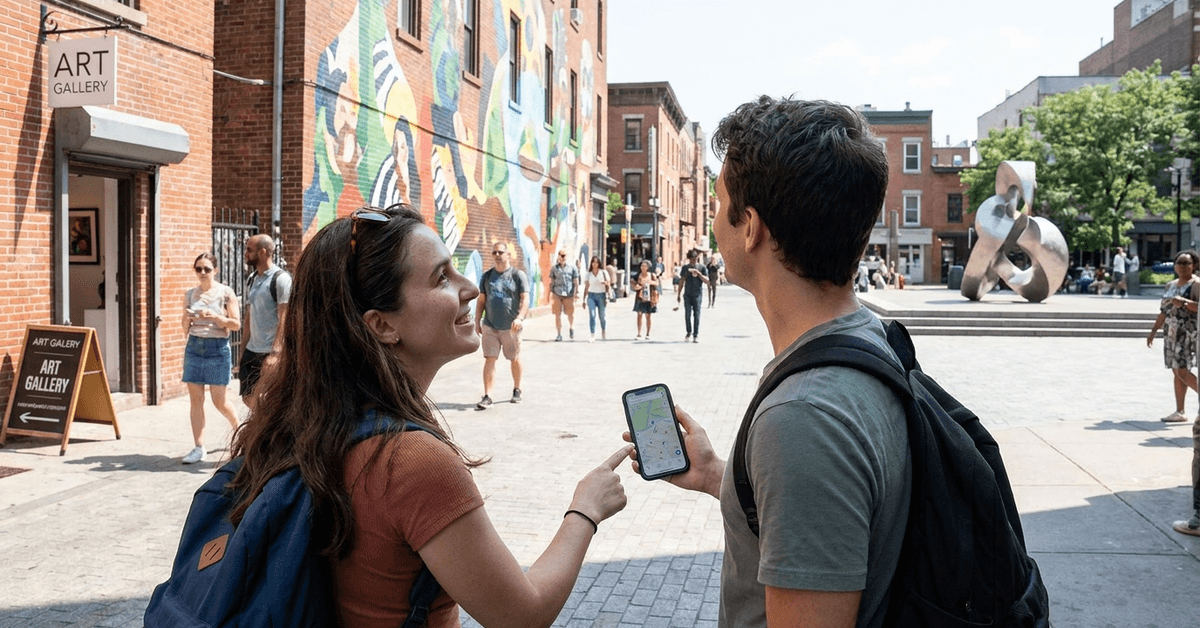
Walking tours that focus on art let you see any city in a new way. Instead of just passing buildings, you begin to spot murals, galleries, and unique statues. This guide is for anyone who loves art and wants an insightful path through city streets.
It is suitable for solo travelers, couples, and small groups who wish to plan their own art-centered adventure. Expect helpful tools, local examples, and ways to shape your walk to your interests.
Understanding Art-Focused Walking Tours
An art-focused walking tour highlights visual creativity found across urban spaces. The route can include public art installations, top-rated galleries, and street murals.
Each city has a different art personality. The right approach is to blend local culture with world-class highlights and a few hidden gems.
Researching Art Hotspots in Any City
Identifying Key Art Districts
Many major cities have dedicated neighborhoods known for art. Think of Chelsea in New York, Shoreditch in London, or the Marais in Paris.
Art districts often have a cluster of galleries, outdoor sculptures, art cafes, and boutique shops. They are worth exploring in depth.
Using Mapping and Inspiration Apps
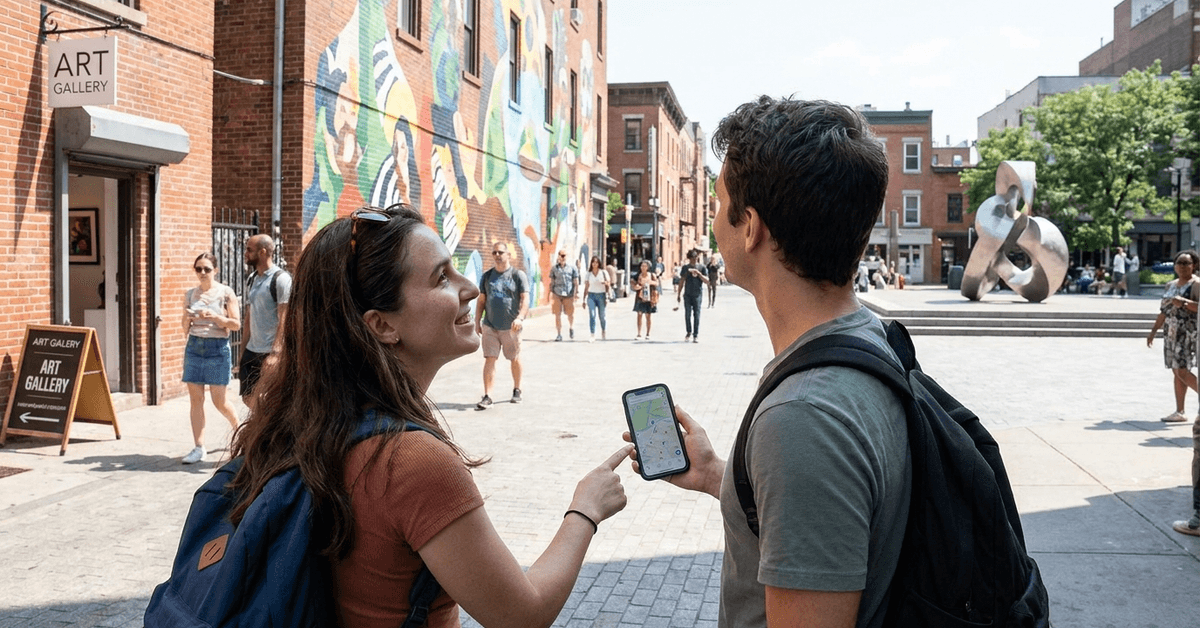
A great option is to use Google Maps to search for ‘art gallery’, ‘museum’, or ‘street art’ in your destination.
For curated walks and inspiration, apps like Detour, GPSmyCity, and Smartify can offer themed routes or lets travelers highlight must-see spots.
Consulting Local Guides and Event Calendars
City tourism boards often list special art events or temporary installations. Their calendars can help you not miss pop-up shows or festivals.
Art blogs, Instagram hashtags, and platforms such as Eventbrite also help uncover unique art happenings in any urban area.
Building Your Custom Walking Tour Route
Setting a Comfortable Distance and Pace
A typical self-guided art walk feels enjoyable at about 3 to 5 kilometers. Spacing stops every 10-15 minutes keeps energy levels up and prevents fatigue.
The goal is not to race between sights, but to enjoy pauses for photos and reflection.
Connecting Major Attractions with Hidden Gems
- Start with a well-known museum or historic landmark.
- Add in small galleries, public sculptures, or tucked-away murals found through Google Maps.
- Include open-air spaces, like artist markets or park installations, when possible.
Mixing classic sites with offbeat discoveries creates a balanced experience.
Optimizing for Walkability and Safety
Popular urban areas tend to have good pedestrian infrastructure. Still, some neighborhoods may be quieter or less well-lit after dark.
Check recent online reviews or city safety maps before including streets or districts you don’t know well. Public squares and main boulevards usually feel safer and are easier to navigate.
Selecting Art Experiences for Every Interest
Public Art and Murals
Cities like Berlin, Melbourne, and Lisbon are famous for large-scale street art. Apps like Street Art Cities catalogue pieces and give background info on the artists.
Some murals are seasonal or temporary, so recent photos on Instagram can help confirm if they’re current.
Galleries and Museums
Most big museums require a ticket, but many smaller galleries are free to browse. Some art districts offer late-night open studio events on certain days.
Scheduling your walk to align with open hours is a small but helpful detail.
Local Artist Studios or Pop-Ups
In certain cities, artists open their workspaces to visitors. Otherwise, look for temporary pop-up exhibitions that rotate every few weeks.
Information about studio visits can usually be found on neighborhood art association websites or by searching ‘open studios [city]’.
Using Digital Tools to Enhance Your Tour
Navigation and Planning Apps
Komoot , Google Maps, and Mapstr allow you to build, save, and modify walking routes in advance. Mapstr is especially useful for organizing favorite art stops with custom tags.
Audio and Story Apps
Smartify or izi.TRAVEL provide audio guides for museums and some outdoor installations. They enable a deeper connection with artwork through narration and artist interviews.
Photography and Note-Taking
Using your smartphone’s camera or an app like Evernote, you can capture visual inspiration and jot observations as you walk. If you plan to share highlights later, posts tagged with the city or artist gain more reach.
Sample City Art Tour Itineraries
New York City
- Begin at the Whitney Museum of American Art in the Meatpacking District.
- Walk the High Line where you can view large outdoor sculptures and installations.
- Continue towards Chelsea for its dense gallery scene and street murals on 10th Avenue.
London
- Start in Shoreditch to discover vibrant street art (Brick Lane is iconic).
- Add in Whitechapel Gallery and nearby artist-run spaces.
- Finish in Spitalfields Market for craft stalls and pop-up exhibitions.
Paris
- Visit Centre Pompidou as your anchor point.
- Stroll the Marais (especially Rue de Turenne) for boutique galleries.
- Take a detour to Canal Saint-Martin to see murals and creative sculptures along the water.
Practical Tips for Enhancing Your Walk
A little preparation can make your street art walk more comfortable, engaging, and memorable. Consider the weather, your route, and your basic needs before heading out.
Check the Weather and Lighting
Review the weather forecast before leaving so you can prepare for rain, strong heat, or sudden temperature changes.
Street art is generally easier to view and photograph during daylight. Early morning and late afternoon often provide softer lighting, making colors and details appear more vivid.
Wear Comfortable Shoes
Choose supportive shoes that are suitable for urban terrain. Sidewalks may be uneven, cracked, or slippery, especially in older districts. Comfortable footwear helps prevent sore feet and allows you to explore for longer.
Bring Basic Supplies
Carry a reusable water bottle and a light snack to maintain your energy. Some art districts have limited cafés, shops, or refreshment areas.
Plan With Your Group
When walking with friends, agree on the main route and must-see highlights beforehand. A shared plan keeps everyone interested while allowing time for spontaneous discoveries.
Conclusion
Planning an art-focused walking tour lets you engage with the city in a way traditional sightseeing cannot match.
The experience is flexible, affordable, and deeply personal. Whether you map every stop or leave room for spontaneous discovery, each walk can reveal unexpected perspectives on local culture and creativity.
Reliable apps, clear planning, and an open mind are the most useful tools for a memorable tour. Exploring a city’s art scene by foot is rewarding even for those who think they have seen it all.