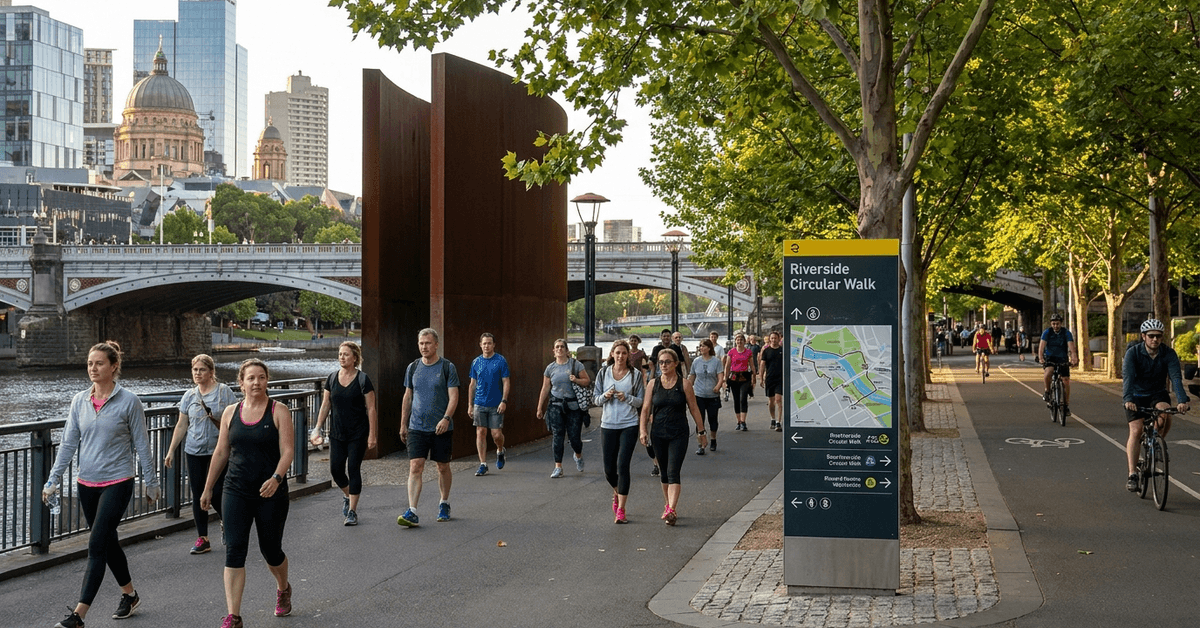
Cities offer more than busy sidewalks and crowded squares. Many have stunning walking loops ideal for movement, relaxation, or casual sightseeing.
This article shows how to find scenic urban walks, who benefits most, and what practical tips matter most for planning a safe and enjoyable city loop.
Why Urban Walking Loops Matter for City Dwellers
Urban life often lacks accessible nature. Well-designed walking loops are a quick escape, merging convenience with wellness.
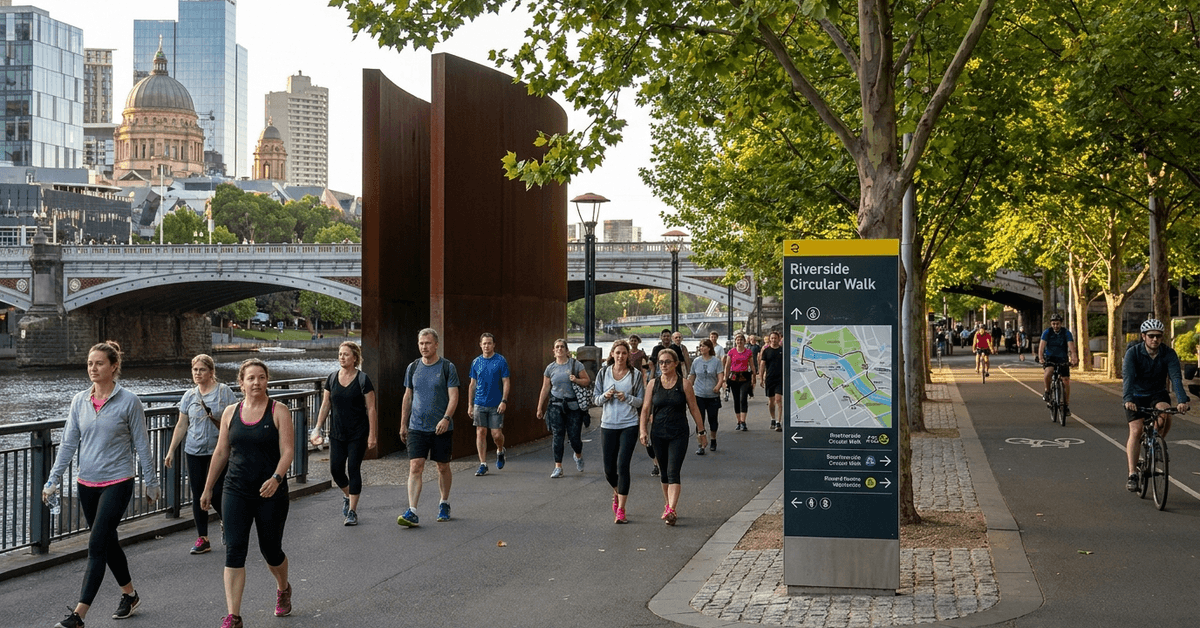
Busy schedules limit escapes outside city limits. Local loops fit easily into lunch breaks or after-work routines for most residents.
Many city loops highlight public art or architectural beauty. These routes add inspiration to your day and spark new perspectives.
How to Identify the Best Urban Walking Loops
Several factors distinguish a quality urban walking loop. Safety, scenery, and accessibility rank highest for most urban walkers.
Key Criteria for Walk Selection
- Safety: Well-lit paths, visible signage, and steady foot traffic help create a secure walking experience.
- Scenic Value: Green spaces, water views, and urban artwork boost enjoyment while you walk.
- Loop Design: Circular routes are ideal as they return you to your starting point, avoiding the need to retrace steps.
- Accessibility: Flat or gently sloping surfaces, proximity to public transport, and curb ramps are important, especially for diverse age groups.
Top Examples: Iconic City Walking Loops Worldwide
Central Park Loop, New York City
This 6.1-mile loop encircles Central Park and is popular for locals and tourists alike. Expect iconic skyline views and seasonal color.
Thames Path Circulars, London
Walking along the river reveals a mix of modern and historical sites. Central loops provide access to famous bridges and green embankments.
Jardins du Luxembourg Circuit, Paris
The 1.6-mile loop inside Luxembourg Gardens offers tree-lined paths, statues, and flowerbeds in a compact, scenic setting.
Singapore Park Connector Network
Singapore links parks with a network of walking paths. Loops such as the Southern Ridges connect beaches, gardens, and city lookouts.
Tiergarten Loop, Berlin
Within the heart of Berlin, Tiergarten’s shaded paths loop around lakes and meadows, with city monuments in close reach.
Useful Tools and Apps for Discovering Urban Loops
- AllTrails: Well-known for mapping urban and park walking routes with user reviews and detailed maps.
- MapMyWalk: Tracks progress, provides suggestions, and logs distances walked. Ideal for goal setting.
- Komoot: Popular in Europe, offers planned city walks with surface details and scenic highlights.
Steps to Planning a Personalized City Walk
- Search local walking apps or municipal websites for loop routes. Community groups or forums can suggest hidden gems.
- Choose a loop with convenient entry and exit points near transit or popular public spaces.
- Consider the path’s busiest times. Early mornings or late afternoons are often quiet and safer.
- Budget time for breaks. Urban loops often pass by coffee shops or benches for rest.
- Check for nearby restroom access and fresh water before heading out.
Health and Wellness Benefits of Urban Walking Loops
Regular walking lowers stress and improves cardiovascular health. Urban loops provide a practical way to make exercise part of daily life.
Mentally, city loops offer quick escapes from overcrowding or work stress. They provide quiet moments within the urban rush.
Tips for Getting the Most Out of Your Loop Walk
A loop walk can be an easy way to exercise, explore your neighborhood, and clear your mind. A few simple habits can make each outing more comfortable, safe, and interesting.
Pack for Comfort
Bring water and basic sun protection, even during cooler seasons. A small bottle, sunscreen, sunglasses, or a hat can help you stay comfortable when conditions change.
Change the Route
Walking the same loop every day may become repetitive. Try reversing the direction, adding a side street, or choosing a new landmark as your turning point. Small changes can reveal parks, shops, architecture, and public art you may not have noticed before.
Walk With Others
Invite a friend, neighbor, or local walking group to join you. Company can improve motivation and provide extra reassurance, especially during evening walks or in unfamiliar areas.
Add Audio Carefully
Podcasts, audiobooks, or city soundscapes can make longer walks more enjoyable. Keep the volume low or use one earbud so you remain aware of traffic, cyclists, and nearby activity.
Safety and Etiquette for Urban Walkers
- Stay aware of traffic at crosswalks, even on paths with frequent walkers.
- Use well-lit routes after sunset, and avoid poorly maintained paths or isolated shortcuts.
- Respect local guidelines on mask usage or group sizes, particularly during health alerts.
- Yield to cyclists or joggers if paths are shared, and keep to the right where possible.
Comparing Major Platforms for Finding Urban Loops
| Platform | Key Feature | Available Cities |
|---|---|---|
| AllTrails | User-generated routes with ratings | Global, especially North America, Europe |
| Komoot | Surface type and accessibility details | Europe, expanding globally |
| MapMyWalk | Progress tracking and social features | Global, city-focused |
How City Planners Are Improving Urban Walkability
City planners are redesigning streets and public spaces to make walking safer, healthier, and more appealing. These improvements support daily commuting, recreation, tourism, and stronger neighborhood connections.
Creating Safer Walking Routes
Many cities are adding wider sidewalks, raised crossings, better lighting, and protected intersections. These features help pedestrians move more comfortably while reducing conflicts with cars and bicycles.
Expanding Green Corridors
Green corridors connect parks, neighborhoods, and transit areas through tree-lined paths and landscaped walkways. Riverside trails and car-free promenades also provide quieter routes away from heavy traffic.
Combining Art and Nature
Parks departments often work with local artists, gardeners, and community groups to make walking routes more engaging. Murals, sculptures, seasonal plantings, and public seating can encourage residents to spend more time outdoors.
Supporting Public Health and Tourism
Walkable areas promote regular movement and may reduce dependence on short car trips. They also help visitors explore local shops, historic districts, and waterfronts at a slower pace.
Improving Access for More People
Modern walkability projects increasingly consider older adults, families, and people with disabilities. Smooth surfaces, ramps, rest areas, and clear signs make public routes more inclusive and practical.
Conclusion
Urban walking loops are city dwellers’ hidden gems. They blend access, scenery, and wellness into daily routines. Apps like AllTrails and Komoot help users find safe, inspiring routes suitable for all ages.
Whether your goal is health, discovery, or a simple change of pace, scenic loops inside urban areas can quickly become a favorite city habit.
Each walk brings the chance to reconnect with your environment, boost mood, and notice beauty in the everyday city landscape.