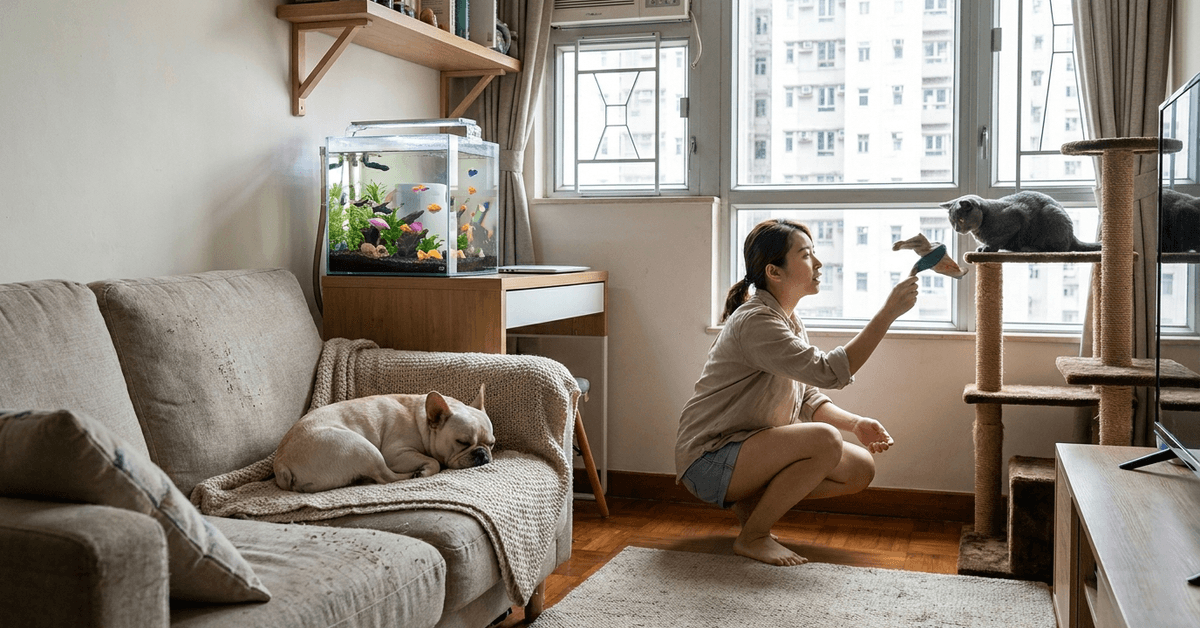
Caring for a pet in a small apartment can feel daunting without access to outdoor space. This guide unpacks real solutions for city dwellers, renters, and busy professionals aiming to create a thriving pet-friendly home.
Whether you are in New York, Paris, or Tokyo, there are practical tips, useful tools, and proven strategies here for you.
Choosing the Right Pet for Apartment Living
Pet size and temperament are the foundation of successful apartment pet ownership. Not every breed or species adapts well to confined environments.
Best Small Apartment Pets
- Cats: Low-maintenance and independent, they adapt to limited space.
- Small dog breeds, such as French Bulldogs or Cavalier King Charles Spaniels, are known for low energy indoors.
- Fish (like bettas or goldfish), hamsters, and rabbits make quiet, easy-to-care-for companions.
Larger breeds or high-energy pets tend to struggle without a yard unless their physical needs are met through other activities.
Daily Exercise Is Non-Negotiable
Ensuring pets stay active indoors can be a challenge. Utilizing urban parks and creative play routines can benefit both pet and owner.
Utilizing City Parks and Paths
Many metropolitan areas, such as London and Chicago, offer pet-friendly parks within walking distance of most neighborhoods.
- Use apps like BringFido to locate nearby green areas.
- Some apartment communities have exclusive rooftop pet spaces or shared courtyards.
Safety is essential. Always check local leash laws and park-specific pet regulations.
Indoor Exercise Ideas
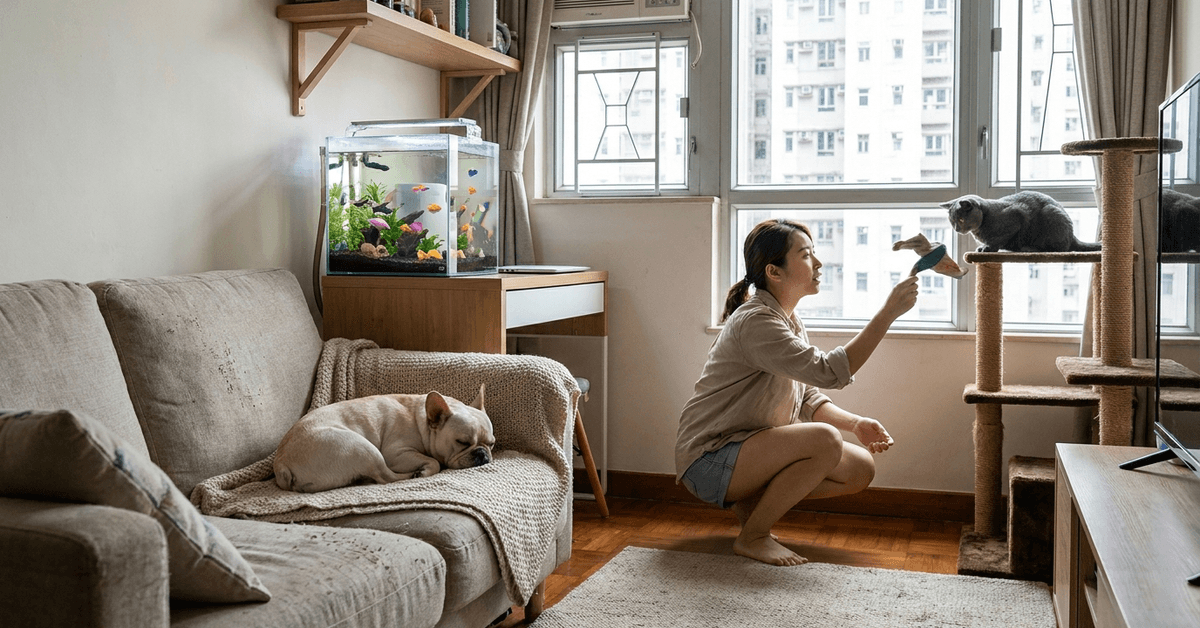
- Interactive toys, like laser pointers or treat puzzles, encourage activity for cats and dogs.
- Short hallway fetch games and hide-and-seek sessions help burn energy indoors.
- For small pets, rotating cage layouts keeps their environment stimulating.
Managing Pet Hygiene and Odor
Cleanliness is a major concern when living in small spaces with pets. Keeping odors and mess under control is possible with a consistent routine.
Litter and Waste Management
- For cats, the Litter-Robot automates cleaning and reduces odor buildup.
- Use absorbent, enclosed litter boxes and clean them at least once daily.
- Dog owners can use pee pads or artificial turf on balconies, but must follow up with outdoor walks for discipline and hygiene.
Always dispose of waste promptly and use odor-absorbing products, such as baking soda or charcoal filters, to maintain air quality.
Grooming Routines
- Brush pets regularly to minimize shedding and dander within the apartment.
- Invest in a strong pet vacuum, like the Dyson V15 Detect , to pick up fur and dust.
- Schedule regular baths as recommended by your vet or groomer.
Keeping Pets Mentally Stimulated Indoors
Urban apartments can bore pets if mental engagement is ignored. Stimulation prevents destructive behaviors and anxiety.
Enrichment Activities
- Food puzzles and slow feeders challenge pets to work for meals.
- Window perches allow cats to watch city life and birds.
- Rotate available toys weekly. This keeps interest high and prevents boredom.
Training and Socialization
- Puppy Academy is an app that helps train dogs of all ages with brief sessions.
- Teaching new tricks or commands can be rewarding for both pets and owners.
- Dog-friendly cafes, groups, and walking meetups in cities like Berlin and San Francisco encourage safe, supervised socializing.
Quiet Coexistence With Neighbors
Noise is a frequent concern in apartment complexes. Managing barking, meowing, or activity at odd hours is crucial for community harmony.
Noisy Pet Solutions
- White noise machines or calming pet music can help mask sudden sounds.
- Use Pet Monitor VIGI to check on pets remotely and assess patterns in noise or activity.
- Sound-absorbing rugs and padded furniture reduce echo and vibration.
If issues persist, gentle training and positive reinforcement may gradually reduce unwanted noises.
Feeding and Nutrition in Small Spaces
Urban life often means limited kitchen storage and space for pet supplies. Efficient, healthy feeding routines prevent clutter and waste.
Recommended Feeding Tools
- The PETKIT Fresh Element Solo automatic feeder dispenses precise portions on schedule.
- Wall-mounted, space-saving bowl stands keep floors tidy and encourage ergonomic eating.
- Store food in airtight bins, away from direct sunlight, to avoid pests and spoilage.
Emergency Preparedness and Veterinary Care
Unexpected situations can happen in any home, especially in busy urban environments. Medical emergencies, power outages, fire alarms, or sudden evacuations may require you to act quickly.
Preparing in advance helps protect your pet and gives you greater confidence if an emergency occurs.
Find Local Veterinary Support
Before an emergency happens, identify trusted veterinary clinics near your home. Apps such as VetFinder can help you locate accredited veterinarians based on your location while providing contact details, operating hours, and user reviews.
It is also a good idea to identify the nearest 24-hour animal hospital in case your regular clinic is closed. Save important phone numbers in your mobile device and keep the clinic’s address easily accessible for faster response during urgent situations.
Prepare a Pet Emergency Kit
Keep a dedicated emergency kit that is easy to grab if you need to leave quickly.
Include enough food and water for several days, any prescribed medications, vaccination or medical records, waste bags, a small first-aid kit, and comfort items such as a favorite toy or blanket.
Make sure your pet’s travel carrier is clean and ready to use at all times.
Create an Emergency Plan
Familiarize yourself with your building’s emergency exits and evacuation procedures. Keep a leash, harness, or portable kennel near your main entrance so you can leave quickly if necessary.
Practicing your emergency plan occasionally can help both you and your pet remain calmer during unexpected situations.
Legal and Housing Considerations
Pet ownership in urban apartments is regulated differently depending on location, building type, and landlord rules.
Typical Lease Restrictions
- Check for pet deposits, breed or weight restrictions, and limits on number of animals allowed.
- Read pet clauses before signing a lease—especially in major hubs like Sydney, Toronto, or Singapore.
Registering and Licensing Your Pet
- In many cities, all dogs (and sometimes cats) must be registered with local authorities. NYC Dog Licenses is a helpful resource for New Yorkers.
- Vaccination records and identifying microchips are required by some landlords and city councils.
Conclusion
Owning a pet in a small apartment without a yard is absolutely achievable with thoughtful preparation and realistic expectations.
Whether the home is a studio in Manhattan or a compact flat in Madrid, pets can enjoy fulfilling lives through indoor play, outdoor adventures, and strong routines. Technology, careful hygiene, and smart training methods offer practical solutions for urban pet challenges.
Always check local rules, prioritize your pet’s needs, and build a daily rhythm that supports both you and your companion. In the end, the unique connection formed with a pet—regardless of square footage—brings warmth and energy to any city apartment.