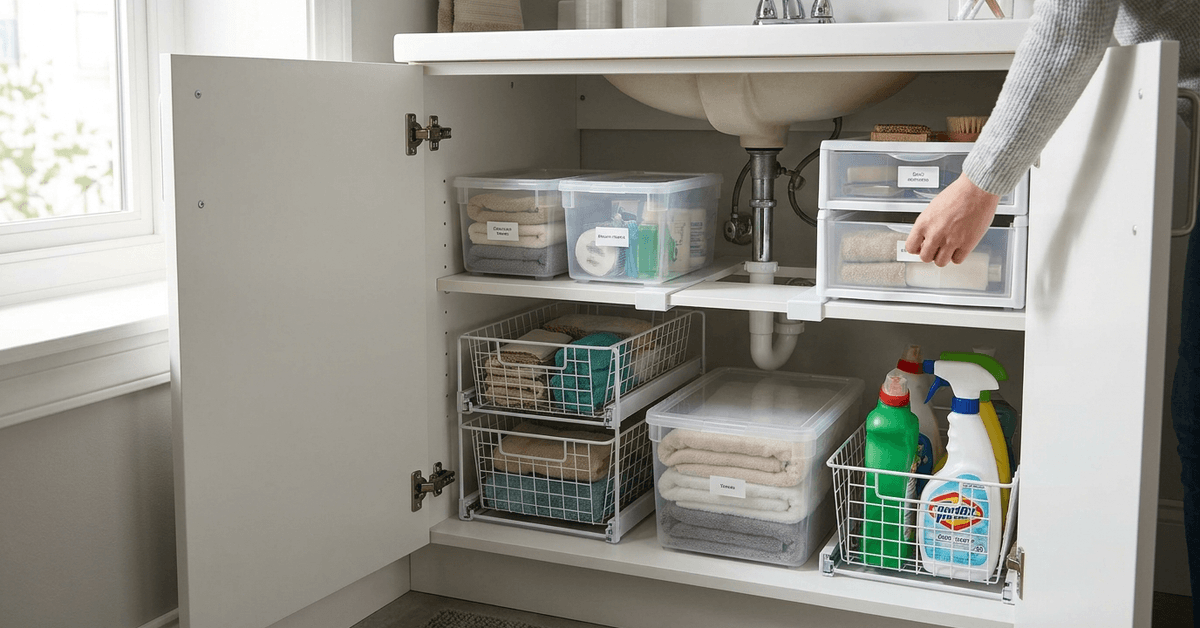
Living in a bustling city often means making the most out of every square foot. Bathroom storage can be especially challenging. For many city residents, the area under the sink quickly becomes a catch-all mess.
This guide shares actionable under-sink organization hacks designed for small bathrooms in cities like New York, Paris, Singapore, or London. The focus is on maximizing space, improving accessibility, and boosting daily efficiency.
Why Under-Sink Organization Matters in City Apartments
Small city bathrooms typically lack built-in storage. Clutter can accumulate fast in these tight zones.
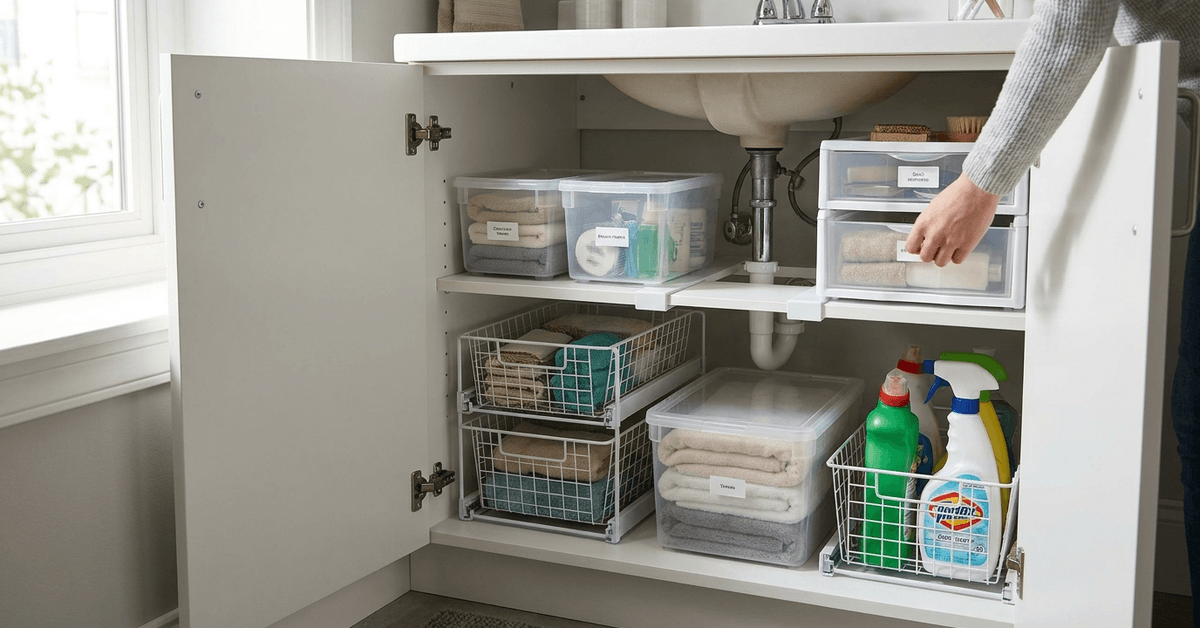
Effective under-sink organization helps:
- Maintain a tidy, calming space
- Speed up morning routines
- Make essentials easier to find
- Prevent wasted purchases of duplicate products
Understanding Your Unique Storage Needs
Not every bathroom is created equal. Pipes, cabinet shapes, and even the location of your sink impact options.
Measuring and Mapping
The first step is to measure the cabinet carefully. Map out where plumbing or cleaning supplies must go.
A simple tape measure app like Measure (iOS) can save time for accurate sizing.
Assessing Daily Use
Consider what you use every morning, weekly, or rarely. Grouping by frequency is surprisingly powerful with limited space.
Essential Organization Supplies for Small Bathroom Cabinets
Compact spaces often benefit most from versatile, stackable products.
- Slim rolling drawers fit between bulky pipes.
- Lidded bins keep dust and moisture out.
- S-hooks on rods hold small baskets for soaps or razors.
- Expandable shelf risers help double vertical storage.
Brands like iDesign and Yamazaki Home are frequently recommended in city organizing blogs for their sturdy, minimalist solutions. Local stores in urban centers may carry similar items that fit odd cabinet shapes.
Step-By-Step: Under-Sink Organization in Real City Bathrooms
1. Empty and sort everything
Pull every item out. Wipe down the inside of the cabinet and shelf surfaces.
Sort belongings by:
- Daily essentials
- Occasional-use items
- Rarely-used or expired items
2. Group and containerize
Group items into categories like dental, haircare, or cleaning. Then choose clearly labeled bins or shallow trays.
Stackable containers like mDesign bins help make the most of awkward spaces under city sinks. Labels add clarity, even when rushed.
3. Maximize vertical space
Shelf risers create a second tier, doubling storage for slim items like soap or toothbrushes.
Tension rods (sold at IKEA or Daiso) hold lightweight baskets or hang small sprays. Pipes are usually easy to work around with these products.
4. Add sliding drawers and pull-outs
Small pull-out drawers make it much easier to reach things in the back.
In cities with extremely tiny cabinets (think Hong Kong or Tokyo), even one compact, multi-tier pull-out shelf creates a surprising improvement.
5. Revisit, reduce, reorganize
Decluttering is not a single event. Every month, revisit your under-sink area.
Remove empties, expired products or things you have not used in weeks. Each pass makes the system more intuitive.
Creative Hacks for Maximizing Small Under-Sink Spaces
Magnetic strips for metal grooming tools
Attaching a magnetic strip to the inside door corrals tweezers, scissors, or nail clippers.
This saves drawer space for bulkier items.
Over-cabinet organizers for flat essentials
Thin organizers hook over the cabinet door for things like spare sponges or wipes. These are often seen in city apartments where even the smallest nook matters.
Reusable pouch storage
Hanging cosmetic or cleaning pouches on the inner cabinet door can make use of often-overlooked vertical space.
Clear acrylic organizers for visibility
See-through organizers let you spot supplies quickly. They are especially useful for families or roommates sharing a bathroom, limiting confusion.
Apps, Tools and Smart Reminders for Upkeep
Technology can assist with maintaining an organized space. For example, Tody is a cleaning schedule app to set reminders for decluttering or refilling products.
Smart home sensors like Aqara can even alert you to leaks before water damages hygiene products underneath.
City-Specific Under-Sink Challenges and Solutions
Under-sink storage can vary widely depending on a city’s building style, apartment size, and plumbing layout. Choosing storage that works around pipes and limited depth can make even awkward spaces more useful.
New York and London
Brownstones, walk-ups, and Victorian homes often have narrow or shallow cabinets.
Slim pull-out trays, stackable bins, and wall-mounted holders can help organize cleaning supplies without blocking plumbing access. Measure the cabinet carefully before buying organizers.
Paris and Berlin
Some historic apartments may not include built-in under-sink cabinetry. A narrow freestanding unit, rolling cart, or open basket system beside the sink can provide extra storage.
Renters should check building rules before drilling or installing permanent fixtures.
Singapore and Tokyo
Compact apartments often have very small cabinets with pipes taking up most of the available space.
Adjustable vertical organizers work well because shelves can be positioned around plumbing. Modular bins and tension-rod systems can also use height efficiently while keeping products easy to reach.
Safety and Hygiene Tips for Bathroom Storage
Bathroom storage should keep everyday items organized without creating safety or sanitation problems.
Because bathrooms are often warm and humid, poorly stored products can develop odors, attract mold, or become dangerous for children and pets. A few simple habits can help maintain a cleaner and safer space.
Store Hazardous Products Securely
Place bleach, drain cleaners, disinfectants, medicines, and other hazardous products on high shelves or inside locked cabinets.
Never store them where children can reach them, even if the containers have safety caps. Keep products in their original packaging so labels and warning instructions remain visible.
Allow Space for Airflow
Avoid packing shelves, baskets, and cabinets too tightly. Air needs to circulate around towels, toiletries, and cleaning supplies to reduce trapped moisture.
Overcrowded storage can encourage mildew, musty smells, and damp packaging, especially in small urban apartments with limited ventilation.
Clean Storage Areas Regularly
Wipe cabinet interiors, shelves, bins, and containers at least once a month. In humid buildings or apartments near underground transit systems, condensation and dust may build up faster.
Remove expired products, dry damp surfaces, and wash reusable containers before returning items.
Keep Wet Items Separate
Allow towels, washcloths, and cleaning tools to dry completely before placing them inside closed storage. Use ventilated baskets or hooks to prevent moisture from spreading to nearby products.
Conclusion
Optimizing your under-sink storage can vastly improve life in a small urban bathroom. With thoughtful hacks, quality tools, and a realistic approach to daily needs, even the most cramped cabinet becomes manageable.
Adapting solutions to your city, home architecture, and habits ensures lasting results—saving both time and frustration. Organization is a journey, not an endpoint, but each smart tweak under the sink can make city living more comfortable and peaceful.