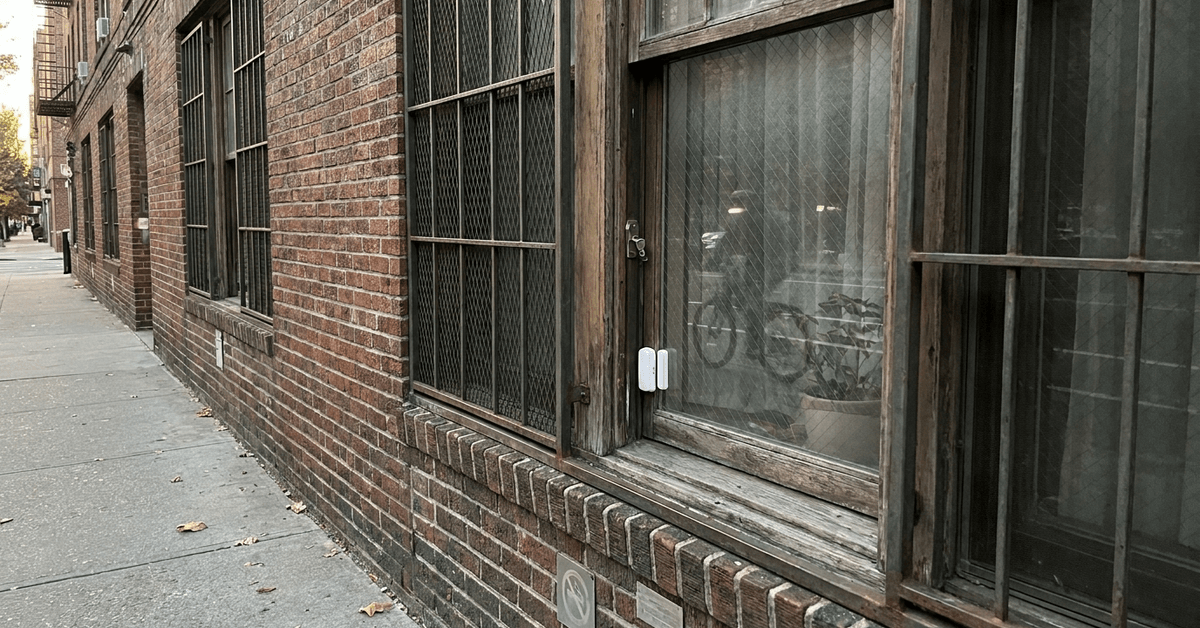
Living in a first-floor apartment delivers unmatched access to city energy and convenience. But ground-level units can invite extra safety concerns, especially when it comes to window security.
Anyone seeking a balance of comfort and protection in urban neighborhoods may want practical defense strategies that don’t disrupt everyday living.
This guide walks through real-world approaches, trusted tools, and safety best practices ideal for apartment dwellers.
Understanding First-Floor Security Risks
First-floor apartments usually feature windows near sidewalks, alleys, or courtyards. This proximity makes them more visible and potentially attractive to opportunists.
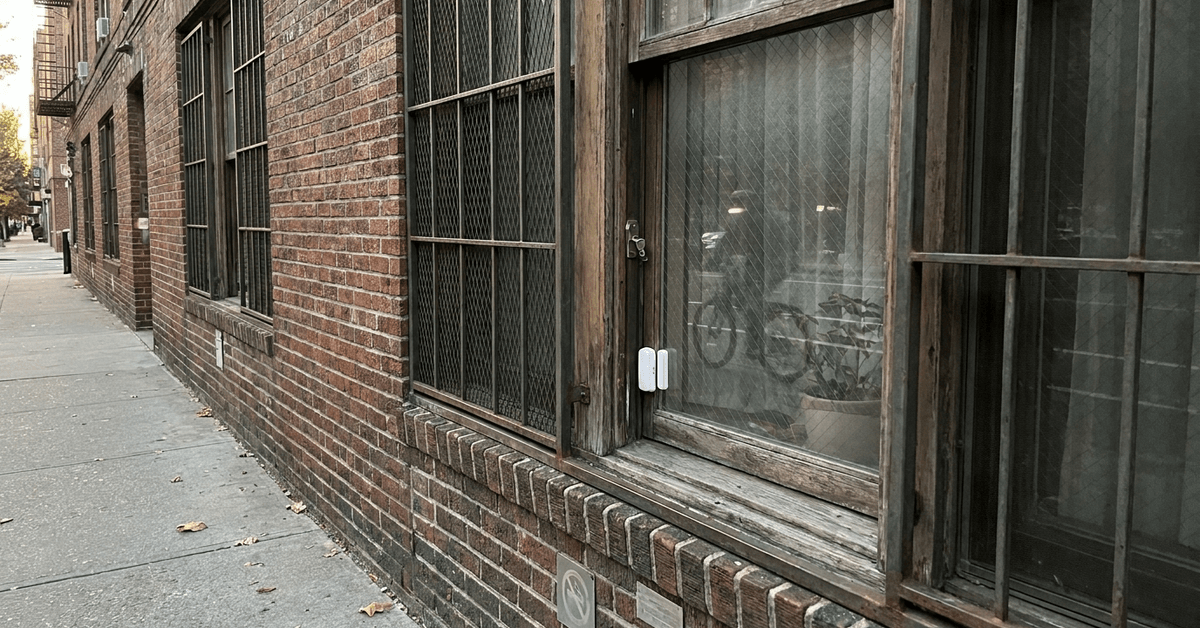
High foot traffic and lack of elevation may increase risks. Residents of busy neighborhoods in cities such as London or Chicago might notice this first-hand.
Most Common First-Floor Window Vulnerabilities
Lack of Window Locks
Many rental units come equipped with basic latches or no locks at all. In older city buildings, original hardware is often outdated or broken.
Unsecured Screens
Screens provide airflow, but most are not designed as a security barrier. Opportunistic intruders may simply lift out an unsecured screen.
Fragile Glass
Single-pane glass, common in older apartments, is easier to break or force open than modern alternatives. The glass itself represents a structural weak point.
Simple Security Upgrades for First-Floor Windows
Adding Reliable Window Locks
Secondary locking mechanisms prevent windows from being lifted or slid open from the outside. A top choice is a keyed sash lock or a pin lock.
- Install a keyed window lock for all sliding or double-hung windows.
- For casement designs, consider a universal pin lock that secures the window shut.
- Check all lock points to ensure proper engagement after installation.
Window Sensors and Smart Alarms
SimpliSafe offers simple stick-on sensors that alert you to unexpected openings. These connect to your phone for instant notifications if a window is breached.
Residents in tech-friendly cities like San Francisco or Amsterdam have adopted these solutions for modern peace of mind.
Reinforcing Glass with Security Film
Security film adds a transparent layer to window glass, making shattering much more difficult. This silent deterrent can often be installed without professional help.
- Use safety film on windows close to sidewalks or secluded areas.
- Look for options tested and rated for break-in resistance.
- Regularly check the adhesive seal to ensure continued protection.
Upgrading Window Screens
Some brands produce metal mesh screens that add another tough layer. These are much harder to cut or remove from the outside than standard insect screens.
Physical Barriers: Pros, Cons, and Legalities
Window Bars and Grilles
Window bars (sometimes called grilles) are a classic urban solution for direct access windows. They create a physical block against entry but may not be allowed in every building or neighborhood.
Always check local fire codes before installation. In cities like Los Angeles, bars must be equipped with interior release mechanisms for emergency egress.
Window Stops and Track Locks
Track locks, also called window stops, restrict travel distance of sliding and sash windows. This allows ventilation while preventing the window from opening wide enough for entry.
- Select adjustable stops for precise airflow control.
- Install track locks at a height that allows desired window openings but keeps them too narrow for access.
Best Practices for Window Safety in Urban Apartments
Keep Windows Visible
Window treatments like sheer curtains or privacy film keep prying eyes out. At night, closing blinds fully removes any clear line of sight into the room.
Discreet Placement of Valuables
Never display electronics, keys, or high-value items on a windowsill. Even small visible temptations can attract the wrong kind of attention.
Community Watch and Neighbor Cooperation
Apps like Nextdoor connect neighbors in real-time about suspicious activity. Participating in informal building chats or neighborhood watch programs encourages more eyes on the street.
Routine Maintenance Inspections
Seasonally check all locks, screens, and alarm sensors. Urban environments are dynamic, so even a well-secured window can develop new weaknesses over time.
Smart Tech and Monitoring Solutions
Wi-Fi Security Cameras
Compact smart cameras offer real-time video monitoring of vulnerable windows. Some models, like the Wyze Cam, feature two-way audio, night vision, and motion-triggered alerts.
Smart Window Sensors
Wireless contact sensors deliver instant warnings to your phone if a window is unexpectedly opened. Brands such as Ring or Eufy offer affordable, user-friendly setups that work across devices.
- In-app alerts offer rapid response in case of unauthorized access.
- These systems are perfect for renters as they avoid permanent alterations.
Lighting Timers and Smart Bulbs
Timed or motion-activated lighting near first-floor windows may give the impression that someone is always present. This small psychological edge discourages opportunists scanning for easy targets.
Legal Aspects and Lease Compliance
Check Your Lease Agreement
Before making installations, review the terms of your lease or check with your landlord. Some modifications to window frames, glass, or exterior bars might require written approval.
Local Codes and Fire Safety
Major cities, including Toronto and Paris, enforce fire code mandates for emergency exits. Any added barriers or locks must meet egress requirements to avoid legal risk and ensure resident safety.
Effective Security Habits for Everyday Peace of Mind
Simple security routines can make a meaningful difference in protecting your home. Consistency matters more than complicated systems, especially when it comes to windows, doors, and other common entry points.
Lock Windows Before Leaving
Always close and lock windows before stepping out, even for a short errand. Ground-floor and easily accessible windows are especially important because they may attract unwanted attention when left unsecured.
Check Locks Before Bedtime
Make a quick evening check part of your routine. Confirm that windows, doors, and balcony access points are properly closed and locked before going to sleep. This habit is also useful before leaving for a weekend trip or longer vacation.
Inspect Windows Monthly
Set aside a few minutes each month to examine ground-floor windows. Check locks, frames, hinges, screens, and seals for damage or looseness. Repair small problems early before they become larger security risks.
Keep the Routine Simple
Use a short checklist near the door or on your phone. Repeating the same steps makes home security easier to remember and provides greater peace of mind every day.
Conclusion
Protecting first-floor apartment windows means choosing the right blend of physical security, practical habits, and modern tech.
Upgrades such as reliable locks, smart monitoring tools, and visual deterrents bring both real protection and valuable peace of mind.
Adapting your approach to your specific city, neighborhood, and building rules ensures safety measures are always effective and legal. With a little planning, it’s possible to create a secure, welcoming space on even the busiest city street.